Hear from Our Customers
You’re not asking for much. Just a technician who picks up the phone, shows up on time, and knows what they’re doing. That shouldn’t be hard to find, but if you’ve owned a boat in Northport for any length of time, you know it is.
When your marine air conditioning stops working or your boat refrigeration starts acting up, you need someone who understands marine systems. Not a residential HVAC guy trying to figure it out. Not a company that puts you on a ten-week waitlist. Someone who’s been doing boat HVAC and marine refrigeration for decades and treats your vessel like it matters.
That’s what you get here. Forty years of marine refrigeration and boat HVAC experience. We know the systems, we stock the parts, and we show up when we say we will. Whether it’s a quick boat AC repair before the weekend or a full marine air conditioning installation during winter storage, you’re working with people who’ve seen it all and fixed it all.
We’ve been handling marine refrigeration and commercial HVAC across Long Island for over 40 years. We’re the team Britannia Yacht Club trusts with their fleet. We’re who boat owners call when they’ve been burned by companies that don’t call back.
Northport’s boating community knows what matters—a protected harbor, reliable equipment, and service providers who understand the marine environment. Your boat faces saltwater exposure, humidity, temperature swings, and constant vibration. Those conditions destroy standard equipment and require technicians who know how to work in tight spaces with marine-grade materials.
We’ve built our reputation here by doing the work right the first time. Free estimates. Straight answers. No runaround. Dozens of five-star reviews from boat owners who were just relieved to find someone competent and responsive.
First, you call or text and we actually respond. Sounds basic, but you’ve probably learned that’s not guaranteed in this industry. We’ll ask about the symptoms, talk through what you’re experiencing, and schedule a time that works for your boating schedule.
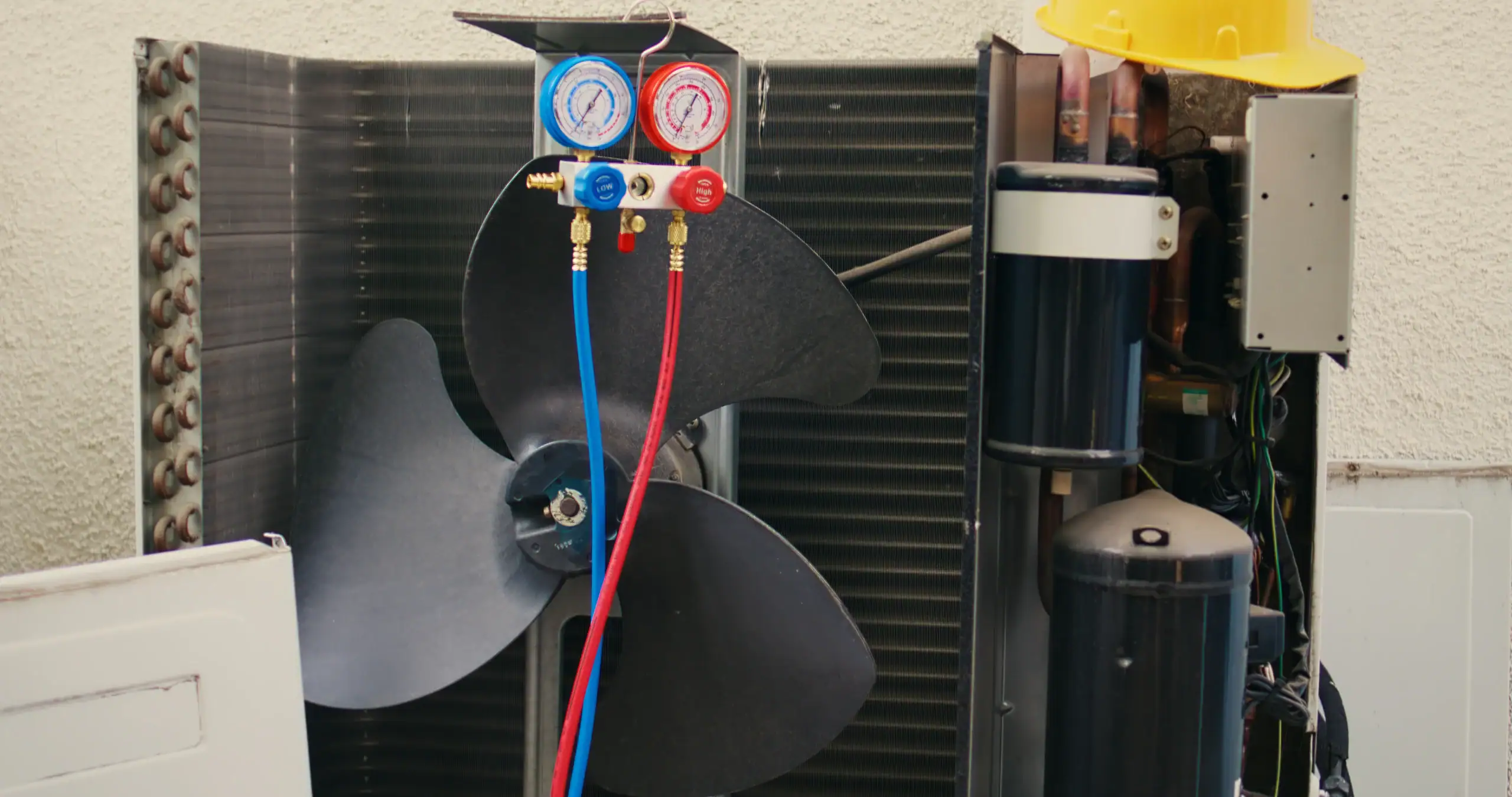
When we show up, we diagnose the problem properly. High pressure faults, refrigerant leaks, failing compressors, clogged condensers—we’ve fixed thousands of these issues. We’ll explain what’s wrong in plain language, what it’ll take to fix it, and what it costs. No mystery charges or surprise fees later.
Then we fix it with the right parts and proper technique. Marine-grade materials. Correct refrigerant levels. Proper seals that can handle the marine environment. We test everything before we leave to make sure it’s working the way it should.
If you’re installing a new system, we handle the whole process—from sizing the unit correctly for your boat’s layout to running through-hulls, installing pumps and strainers, and setting up dedicated circuits. The goal is a system that keeps you comfortable for 15+ years, not one that fails in five because corners were cut.
Ready to get started?
Marine refrigeration service means inspecting and cleaning condenser coils, checking refrigerant levels, testing all electrical connections, examining door seals, and making sure pumps and strainers are flowing properly. Dirty coils make your compressor work 40% harder and die years earlier. Most boat owners skip this until something breaks, then spend thousands fixing what regular maintenance would have prevented.
In Northport’s marine environment, your boat refrigeration and AC systems take a beating. Summer heat pushes compressors to their limits. Winter storage requires proper winterization to prevent freeze damage. Spring commissioning means making sure seawater systems are clear of marine growth and everything’s ready for the season. The harbor’s saltwater conditions and Long Island Sound exposure create challenges that demand specialized refrigeration maintenance.
We recommend professional service twice a year minimum for most boats docked at Britannia Yachting Center, Seymour’s Boatyard, or any of Northport’s marinas. If you’re running commercial operations or spending significant time aboard during summer, quarterly checks make more sense. Our maintenance customers routinely get 15+ years from their equipment because we catch small problems—a worn seal, a loose connection, early signs of corrosion—before they become expensive failures.
The Northport harbor and surrounding Long Island Sound waters are perfect for boating, but the saltwater environment accelerates wear on every component. Through-hull fittings corrode. Raw water pumps accumulate marine growth. Electrical connections develop resistance from moisture exposure. Regular boat HVAC and refrigeration maintenance addresses these issues before they leave you sitting at the dock in 90-degree heat.
With proper maintenance, you’re looking at 10 to 15 years minimum for quality marine refrigeration equipment. The key word there is “proper.” Most boat owners skip regular service until something breaks, then wonder why their five-year-old system needs major repairs.
Long Island’s marine environment is particularly tough on refrigeration and AC systems. Summer heat makes compressors work harder. Winter cold affects seals and can cause freeze damage if systems aren’t winterized correctly. The constant humidity and salt exposure stress every component.
We see customers who maintain their systems regularly get 15 years or more from their equipment. That means professional service at least twice a year—checking refrigerant levels, cleaning condenser coils, inspecting seals and connections, flushing seawater systems. The boats that skip maintenance? They’re replacing expensive components every few years and dealing with breakdowns during prime boating season. The upfront cost of maintenance is nothing compared to replacing a marine AC unit or refrigeration compressor five years early.
High pressure faults—you’ll see HPF or HP on most displays—happen when there’s not enough water flow to keep your system cooled. The AC unit detects the high pressure problem and automatically shuts down to prevent damage. It’s basically telling you the seawater cooling isn’t working right.
Common causes? Clogged strainers full of marine growth, failing raw water pumps, blocked through-hull fittings, or restricted water flow somewhere in the system. Sometimes it’s as simple as a closed seacock. Other times it’s barnacles and biofilm built up in the lines. Dirty condenser coils can also trigger high pressure faults because the heat exchange isn’t happening efficiently.
First step is checking your strainer and cleaning it if needed. Then verify your raw water pump is actually pumping. Check that you’ve got good water flow through the system. If you’re still getting faults after addressing water flow and airflow issues, you might have low refrigerant from a leak. At that point, with self-contained marine AC units, it’s often better to replace the unit than chase leaks—they’re usually symptoms of broader corrosion issues.
Depends on what’s actually wrong and how old the system is. If you’ve got a relatively new unit with a simple problem—bad pump, clogged strainer, electrical issue—repair makes total sense. If you’re dealing with an older system that needs a new compressor or has refrigerant leaks, replacement often makes more financial sense.
Refrigerant leaks in marine AC units are tricky. With self-contained units, leaks usually indicate broader corrosion problems. You can find and fix one leak, but you’re often just buying time before another appears. It’s like plugging one hole in a dam. The marine environment is brutal on these systems, and once corrosion starts, it typically continues.
Age matters too. If your system is 12 to 15 years old and needs major repairs, you’re better off replacing it with newer, more efficient equipment. Modern marine AC units are quieter, more energy-efficient, and often smaller than older models. They’ll give you another 15 years of reliable service if maintained properly. We’ll walk you through the actual costs of repair versus replacement and let you make the call. Sometimes repair is the right move. Sometimes it’s throwing good money after bad.
Proper marine refrigeration installation starts with sizing the system correctly for your boat’s layout and insulation. Undersized units run constantly and die early. Oversized units cycle too frequently and don’t remove humidity properly. You need someone who knows how to calculate the actual cooling load based on your boat’s size, insulation quality, and how you use it.
Then comes the physical installation. For marine AC, that means installing or verifying through-hull fittings, running seawater lines with proper marine-grade hoses and clamps, installing strainers and raw water pumps, setting up dedicated electrical circuits with appropriate breakers, mounting the unit where it’s accessible for maintenance, and running ductwork that delivers proper airflow without pressure drops.
For refrigeration systems, you’re looking at mounting compressors and condensers in locations with adequate ventilation, running refrigerant lines correctly, installing evaporator plates or units in insulated boxes, setting up proper drainage for condensation, and wiring everything with marine-grade electrical components that can handle the moisture and vibration. Every connection needs to be done right because marine environments find and exploit every shortcut. We use marine-grade materials throughout because standard residential components fail quickly on boats. The goal is a system that works reliably for 15 years, not one that needs repairs in three because someone cut corners.
Twice a year minimum for most boats. Once before the season starts and once mid-season or before winter storage. If you’re running commercial operations, living aboard, or using your boat heavily during summer, quarterly service makes more sense. The marine environment accelerates wear on everything, and regular maintenance is what separates systems that last 15 years from ones that fail in five.
Professional service means cleaning condenser coils, checking refrigerant levels, testing all electrical connections, inspecting door seals and gaskets, flushing seawater systems to remove marine growth, checking raw water pumps for wear, verifying proper drainage, and catching early signs of problems before they become expensive failures. Dirty coils alone make your compressor work 40% harder and fail years earlier.
Between professional services, you should be checking a few things yourself. Monitor temperatures daily to catch problems early. Keep interior surfaces clean. Make sure door seals close properly. Check strainers regularly during the season and clean them when needed. Look for any unusual noises, smells, or performance changes. Most businesses and boat owners skip maintenance until something breaks, then spend thousands on emergency repairs that regular service would have prevented. The cost of maintenance is minimal compared to replacing major components or dealing with a system failure during a weekend trip or event.
Because there aren’t many technicians who actually specialize in marine systems, and the ones who exist are often swamped with work. Marine HVAC and refrigeration requires different knowledge than residential or standard commercial work. You’re dealing with seawater cooling systems, marine-grade components, space constraints, vibration, corrosion, and equipment that needs to work in harsh conditions. Most HVAC technicians don’t want to deal with it.
The boat owners who post in forums talk about the same problems—companies that don’t return calls, service backlogs stretching 10 weeks or longer, technicians who show up and clearly don’t understand marine systems. It’s frustrating when you just need your AC fixed before the weekend and nobody seems interested in the work.
We built our business specifically around being responsive and reliable. When you call, we answer. When we schedule service, we show up. We’ve been doing marine work for over 40 years, so we’ve seen every problem these systems can throw at us. Britannia Yacht Club trusts us with their fleet. Individual boat owners who’ve been burned by unresponsive companies end up here and wonder why it was so hard to find someone competent. The answer is that marine work requires specialized knowledge, and not many companies want to invest in developing that expertise. We did, and that’s why boat owners across Northport and Long Island keep our number saved.