Hear from Our Customers
You’re not thinking about your furnace when it’s 18 degrees outside. You’re not checking thermostat settings every hour during July. Your energy bills aren’t climbing for no reason, and you’re not wondering if that noise is normal or if you should call someone.
That’s what a properly installed and maintained HVAC system does. It disappears into the background of your life.
When your air conditioning repair is done right the first time, you’re not scheduling follow-up visits or dealing with the same problem three months later. When your furnace installation is handled by someone who understands Long Island’s salt air and humidity swings, you’re not replacing components every few years. And when your heating system maintenance is actually thorough, you’re catching small issues before they become expensive emergencies at the worst possible time.
Most homeowners in Northport don’t need to become HVAC experts. You just need a system that keeps your family comfortable without constant attention, unexpected breakdowns, or bills that make you question whether something’s wrong.
We’ve been working on HVAC systems in the Greater New York area for over 40 years. We started in commercial refrigeration and marine air conditioning, which means we cut our teeth on complex systems in harsh environments. Restaurants, airports, boats dealing with constant salt exposure—if it needs to stay cool or warm under pressure, we’ve probably worked on it.
That background matters for residential work in Northport. Coastal homes deal with humidity, salt air corrosion, and temperature swings that push systems harder than homes 20 miles inland. We’re not learning about these challenges on your dime.
We offer free estimates, 24/7 consulting when you need it, and we show up when we say we will. Our reviews reflect that consistency. You can verify everything we’re saying by checking what other homeowners have experienced—we’ve got dozens of five-star ratings because we do the work right and communicate clearly throughout the process.
You reach out—by phone or through our website—and we schedule a time that actually works for your schedule. No four-hour windows where you’re stuck waiting around.
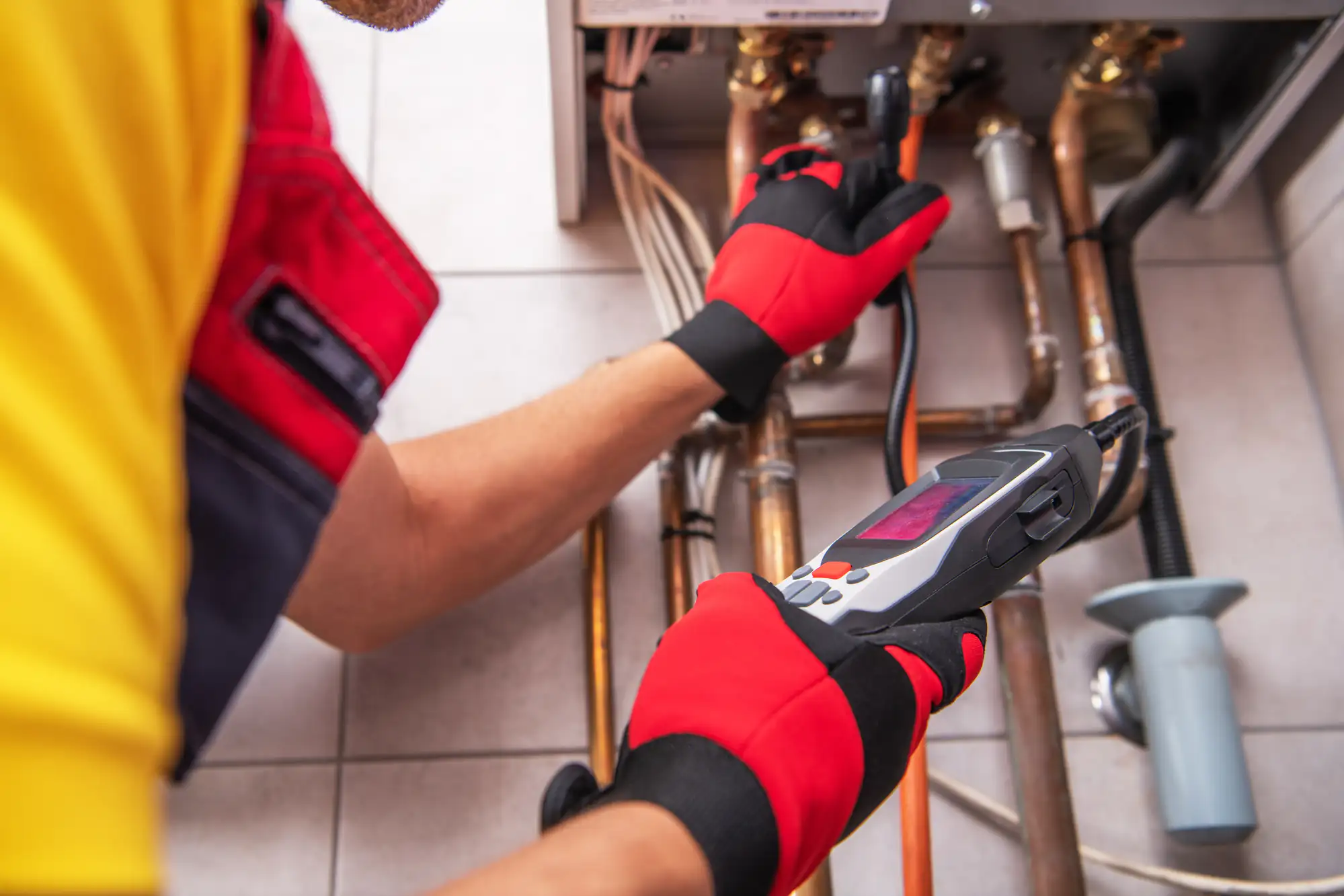
We show up and assess what’s going on. If it’s a repair situation, we diagnose the problem and explain what’s broken, why it broke, and what it’ll take to fix it. If you’re looking at replacement or new installation, we evaluate your home’s specific needs: square footage, insulation quality, how many zones you’re dealing with, and what your actual usage patterns look like.
You get a clear estimate. No hidden fees, no surprise charges later. We break down exactly what you’re paying for and why.
Once you approve the work, we handle the installation or repair with the same attention we’d give a commercial client. That means proper sizing, correct installation procedures, and testing everything before we leave. For installations, we pull the necessary permits and make sure everything meets code.
After the work’s done, we walk you through what we did and answer any questions. If it’s a new system, we show you how to use it efficiently. Then we clean up and get out of your way. You’re not dealing with a mess or half-finished work.
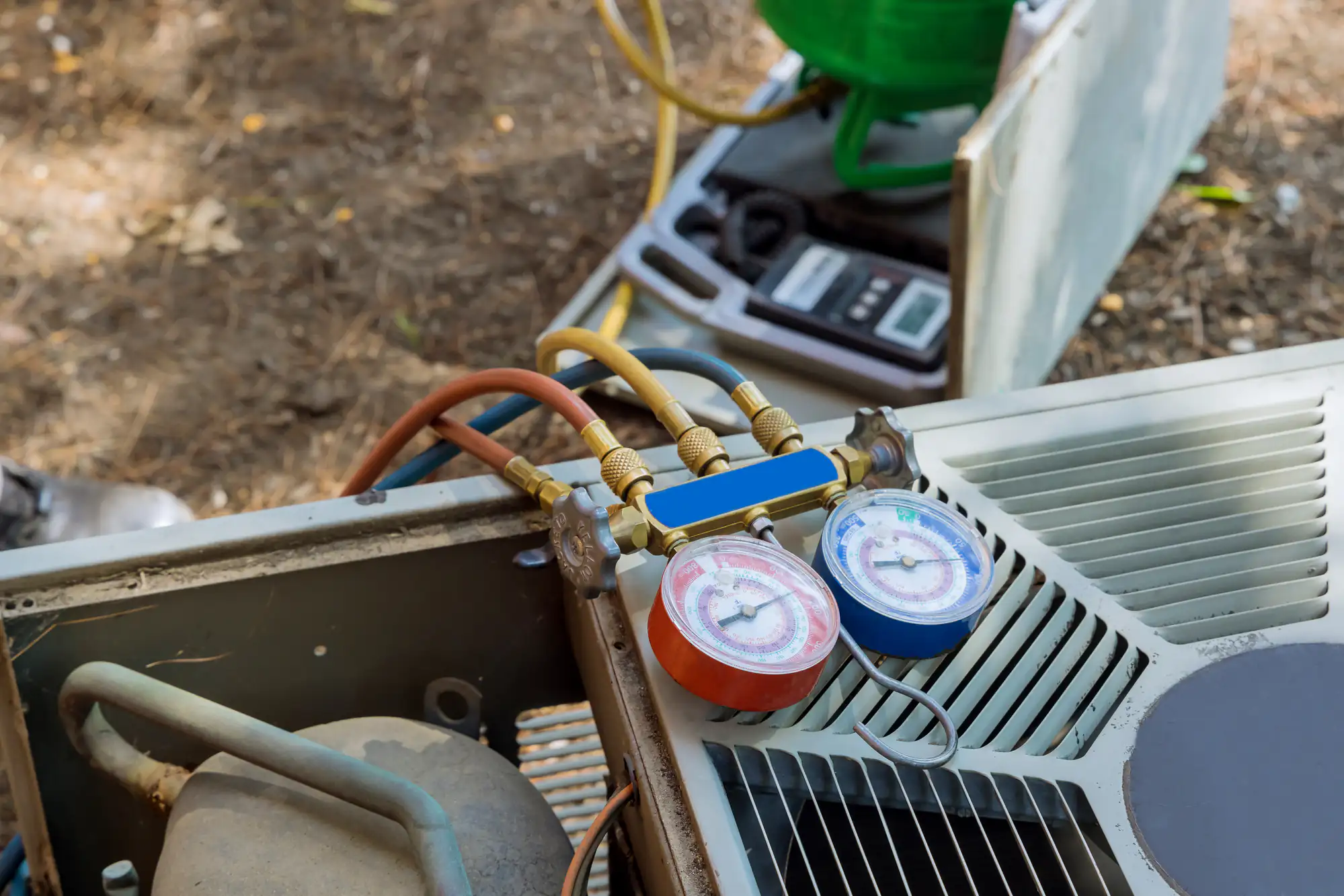
Ready to get started?
Our residential HVAC services cover the full spectrum: air conditioning repair and installation, furnace installation and replacement, heat pump systems, heating system maintenance, ductless mini-splits, and indoor air quality solutions.
For Northport homeowners specifically, indoor air quality has become a bigger concern over the past few years. Your indoor air can be two to five times more polluted than outdoor air—mold, pollen, pet dander, cleaning products, even materials in your walls can release particles that affect your family’s health. We install filtration systems, UV air purifiers, and humidity control solutions that address these issues without requiring you to become an air quality scientist.
Energy efficiency is another area where you’ll see real impact. If your system is 10 to 15 years old, upgrading to a modern heat pump or high-efficiency furnace can cut your energy costs by up to 30%. That’s not marketing language—that’s what the data shows for properly sized and installed systems. We help you understand available rebates and financing options so the upfront cost doesn’t prevent you from making a smart long-term investment.
Long Island’s climate is harder on HVAC systems than people realize. Coastal humidity accelerates wear on components. Salt air causes corrosion issues you don’t see inland. Summer heat combined with high humidity makes your AC work overtime. We account for all of this when we’re sizing equipment and recommending maintenance schedules, because a system that works fine in Kansas might struggle here.
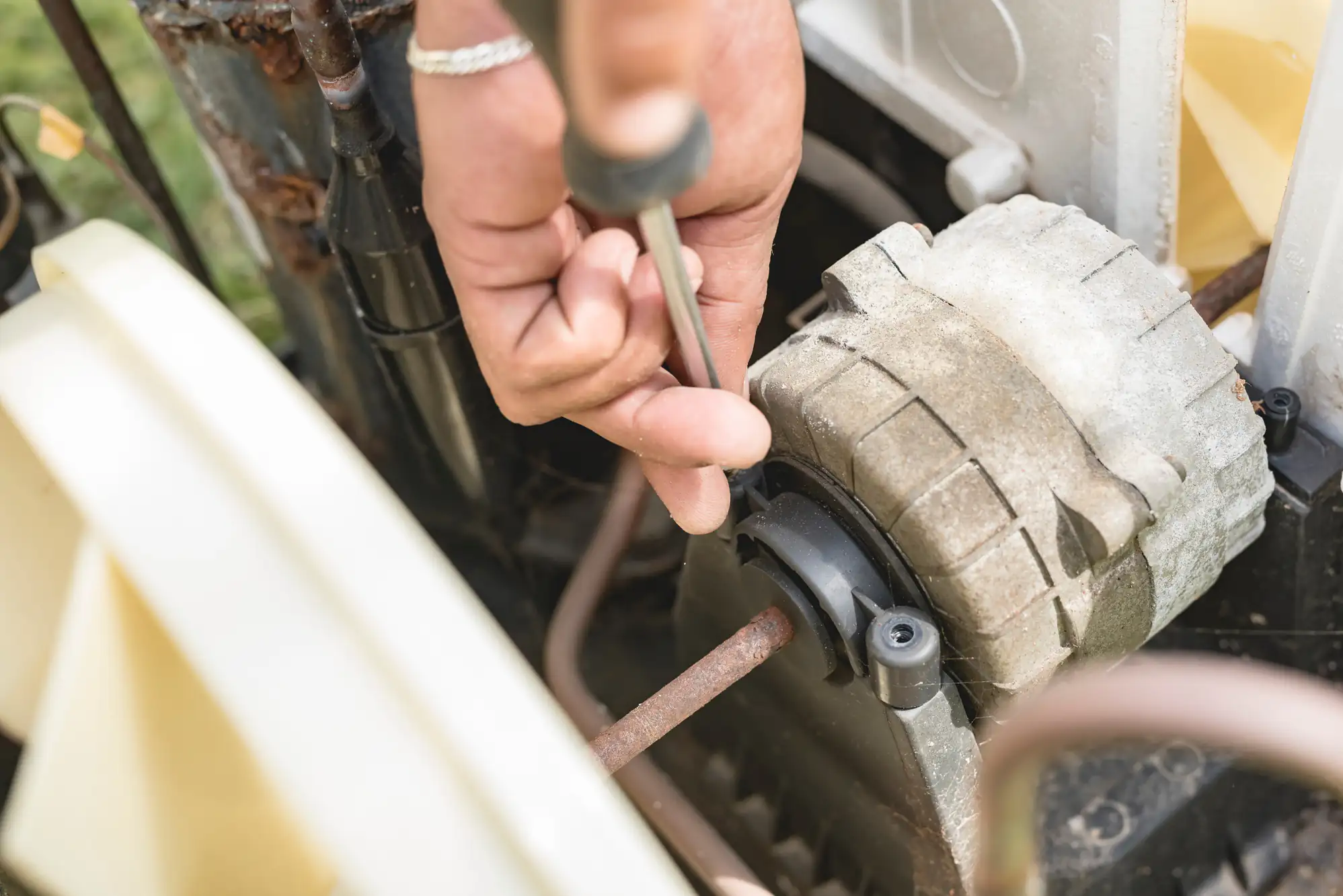
The standard guideline is the 50% rule: if the repair costs more than half of what a replacement would cost, and your system is over 12 to 15 years old, replacement usually makes more financial sense.
Here’s why age matters. A 10-year-old system that needs a $1,200 repair might still have five to seven good years left. That repair is worth it. But a 16-year-old system needing the same repair is already past its expected lifespan, and you’re likely looking at more failures soon. You’re throwing money at a losing bet.
We’ll give you an honest assessment either way. If a repair makes sense, we’ll tell you. If you’re better off replacing, we’ll explain exactly why and show you the math. Our job is to give you enough information to make the right call for your situation, not to push you toward the more expensive option.
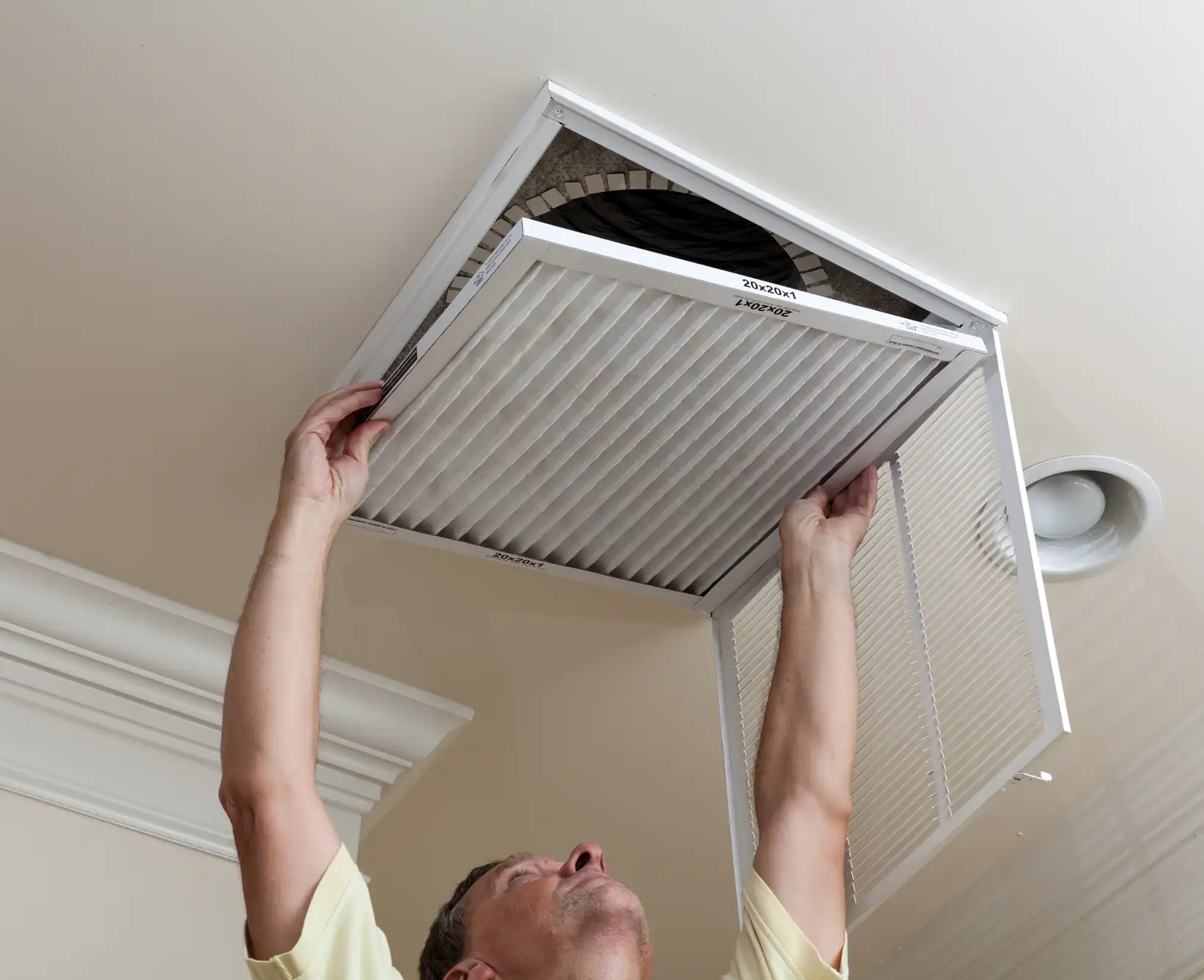
Real maintenance isn’t just changing a filter and calling it done. We inspect your entire system for wear, test all safety controls, check electrical connections, measure airflow, clean components that accumulate dust and debris, and verify that your system is operating at the efficiency it’s supposed to.
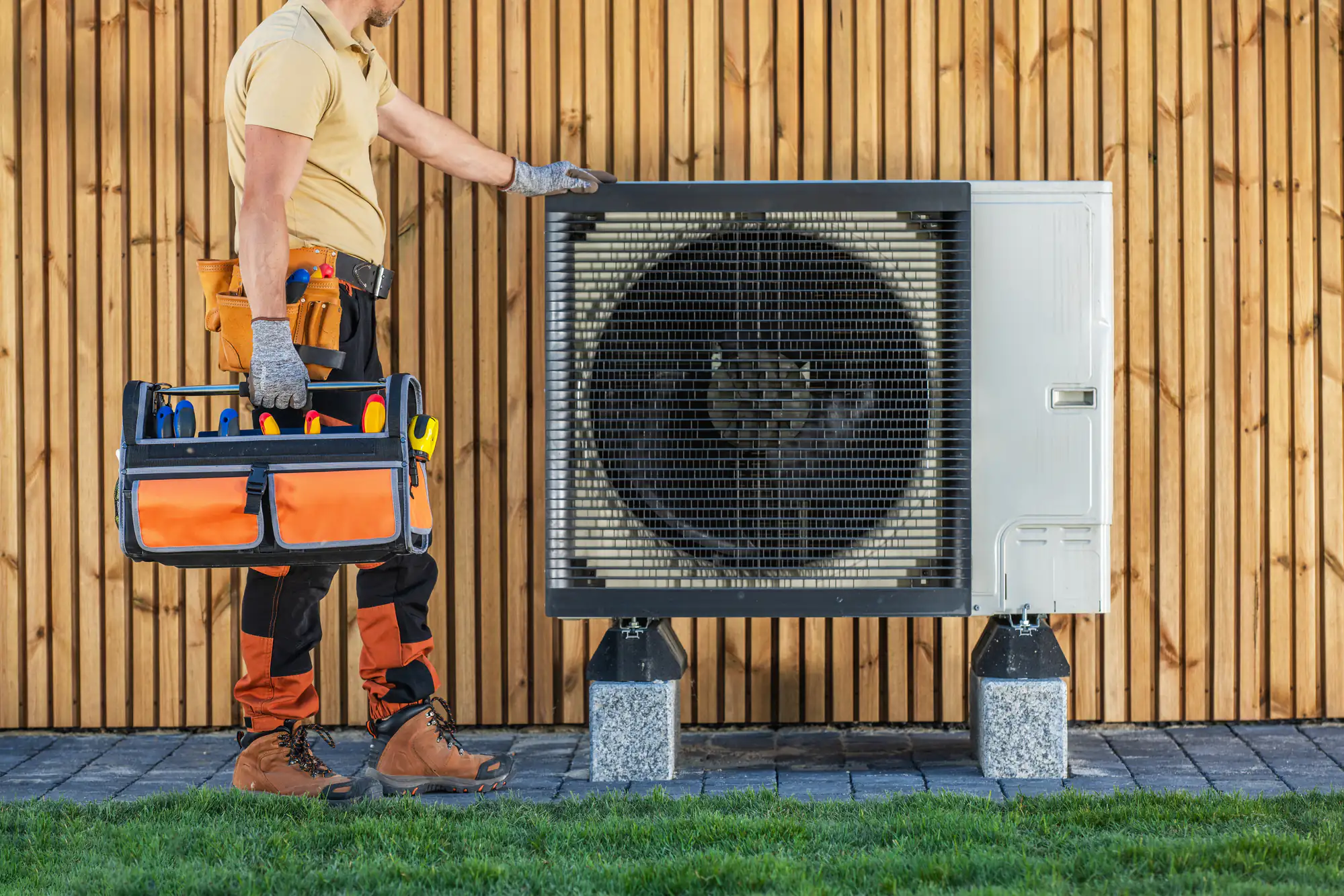
For furnaces, that includes inspecting the heat exchanger for cracks, testing the ignition system, checking gas pressure, and making sure your venting is clear and safe. For heat pumps, we check refrigerant levels, test the reversing valve, inspect the outdoor coil for damage, and verify defrost controls are working properly.
The point of maintenance is catching problems while they’re still small. A loose electrical connection spotted during a tune-up takes five minutes to fix. That same connection left alone can cause a component failure that leaves you without heat on the coldest night of the year and costs ten times as much to repair. Regular maintenance typically extends your system’s lifespan by three to five years and keeps it running at peak efficiency, which means lower energy bills.
For genuine emergencies—no heat in winter, no AC during a heat wave, system failures that affect your family’s safety or health—we dispatch immediately and typically arrive within two hours anywhere in Northport and the surrounding Long Island area.
We staff for emergency response because we know HVAC failures don’t happen on a convenient schedule. They happen at 11 PM on Sunday or during a holiday weekend when temperatures are extreme.
That said, we do distinguish between emergencies and urgent repairs. If your AC goes out in May when it’s 65 degrees, that’s urgent and we’ll get to you same-day or next-day, but it’s not the same priority as a family with no heat in January. We’re transparent about response times based on the actual situation. You’ll know exactly when we’re arriving, and we follow through on that commitment.
Proper sizing requires a load calculation based on your home’s specific characteristics. We measure square footage, assess insulation levels, count windows and their orientation, evaluate your home’s air sealing, and account for local climate factors including coastal humidity.
Here’s what most homeowners don’t realize: bigger is not better. An oversized system cycles on and off too frequently, which wears out components faster, doesn’t dehumidify properly, and actually uses more energy. An undersized system runs constantly, struggles to maintain temperature, and burns out prematurely trying to keep up.
The equipment that came with your house might not be the right size—we see incorrectly sized systems all the time, often because the previous installer just matched whatever was there before without doing the actual math. We run the calculations and show you exactly how we arrived at our recommendation. If your home has had additions, new windows, or insulation upgrades since the last system was installed, the size requirements have probably changed. We account for all of that.
Modern cold-climate heat pumps work effectively in Long Island winters. The technology has improved dramatically over the past decade. Today’s heat pumps maintain full heating capacity down to around 5 degrees Fahrenheit, and they can still operate in temperatures well below that.
The data backs this up. Heat pumps have outsold gas furnaces nationally every year since 2021, and in early 2025 they outsold furnaces by 25%. That’s not happening because of marketing—it’s happening because the technology works and saves money.
For Northport specifically, heat pumps make sense because our winters rarely see extended periods below zero. You get efficient heating most of the season, plus air conditioning in summer from the same system. The energy savings are real—heat pumps can be two to three times more efficient than traditional furnaces because they move heat rather than generate it. Many homeowners see 30% to 40% reductions in heating costs after switching. There are also rebates available through utility programs and federal tax credits that reduce the upfront investment significantly.
Indoor air pollution contributes to respiratory issues, allergies, asthma symptoms, headaches, fatigue, and long-term health problems. The World Health Organization links millions of deaths annually to indoor air pollution—that’s not just a developing world problem, it affects homes right here in Northport.
Common indoor pollutants include mold spores from humidity, pollen that gets tracked inside, pet dander, volatile organic compounds from cleaning products and building materials, and particulates from cooking. In tightly sealed modern homes, these pollutants concentrate because there’s less air exchange with the outside.
You can address this through a combination of proper ventilation, filtration, and humidity control. HEPA filtration removes particles down to 0.3 microns. UV air purifiers kill mold, bacteria, and viruses. Dehumidifiers prevent mold growth in basements and crawl spaces. We assess your specific situation—how tight your home is sealed, whether you have humidity issues, if anyone in your family has respiratory sensitivities—and recommend solutions that actually match your needs rather than just selling you the most expensive system.