
Hear from Our Customers
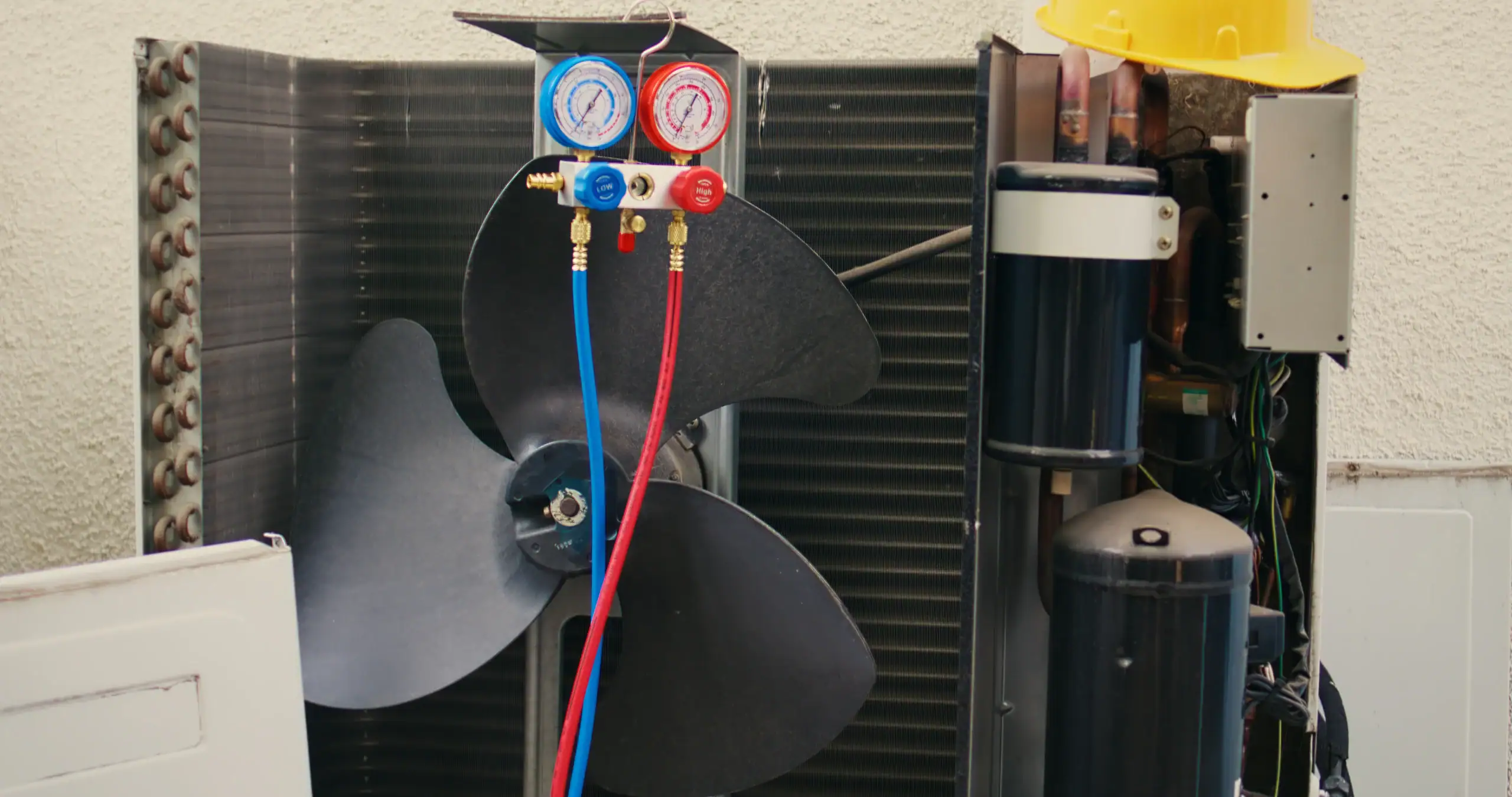
You’re out on the water for the weekend, and your boat fridge stops cooling. Your food spoils. Your trip gets cut short. Or worse—your AC quits during the hottest day of summer, and suddenly your cabin feels like an oven.
That’s the reality when marine refrigeration fails. But here’s what life looks like when your systems actually work: Your drinks stay cold. Your catch stays fresh. Your cabin stays comfortable, even when you’re docked in July heat. You’re not constantly checking temperatures or worrying about battery drain.
Reliable boat refrigeration and marine AC aren’t luxuries. They’re what make extended trips possible. When your systems are installed correctly and maintained properly, you stop thinking about them. That’s the difference between a system thrown together by someone who doesn’t understand boats and one designed by people who’ve spent four decades working on marine HVAC.
We’ve been handling marine refrigeration and boat air conditioning in the Greater New York area for over 40 years. That’s not just residential HVAC experience—it’s four decades of understanding how saltwater, vibration, and limited power affect cooling systems on boats.
Plainedge and the surrounding Long Island area have nearly 80 marinas and one of the most active boating communities in New York. Boat owners here know the difference between someone who can fix a house AC and someone who understands marine systems. You need technicians who know why your compressor keeps cutting out, why your refrigerant leaks after a season, or why your system drains your batteries in hours instead of days.
We’ve earned dozens of five-star reviews because we show up, communicate clearly, and fix what’s broken. We don’t disappear after installation. We offer 24/7 consulting, free estimates, and the kind of hands-on support that keeps your boat running all season.
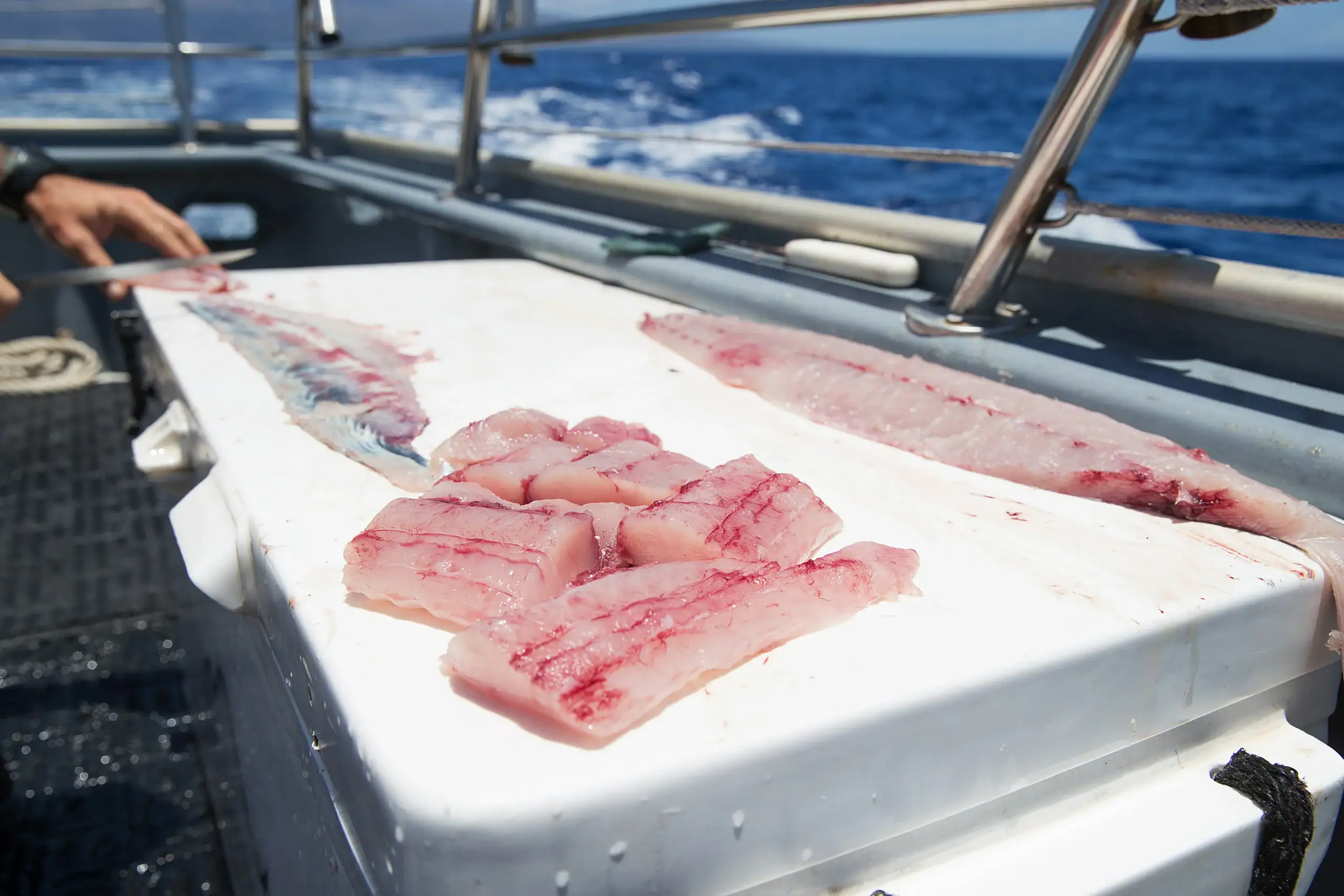
First, we assess your boat. Not just the square footage—we look at your power setup, insulation, ventilation, and how you actually use your vessel. A system that works for weekend trips won’t cut it if you’re living aboard or doing extended cruises.
Next, we design a solution that fits your boat’s specific needs. That might mean upgrading to a more efficient compressor, adding better insulation, or installing a system that works with your battery capacity. We don’t sell you the biggest unit we can—we sell you the right one.
Installation comes next. We use marine-grade components built to handle saltwater and vibration. We make sure seawater intakes are clear, condensers are positioned for proper airflow, and electrical connections won’t fail when you need them most. Every hose, clamp, and wire is chosen because it belongs on a boat, not in a house.
After installation, we test everything. We check refrigerant levels, verify thermostat accuracy, and make sure your system isn’t pulling more power than it should. Then we walk you through maintenance basics—what to check, when to call us, and how to keep things running between service visits. You’re not left guessing.
Ready to get started?
Every marine refrigeration or boat HVAC service includes a full system inspection. We check condenser coils, seawater strainers, door seals, thermostats, and refrigerant levels. We look for the small problems before they become expensive failures.
For Long Island boat owners, saltwater corrosion is a constant threat. Your condenser takes a beating from seawater every time your system runs. We flush and clean components that other techs ignore. We replace gaskets and seals before they leak. We calibrate thermostats so your fridge isn’t running constantly and draining your batteries.
If you’re dealing with a breakdown, we diagnose the actual problem—not just the symptoms. A fridge that won’t cool could be a refrigerant leak, a failing compressor, a clogged strainer, or poor ventilation. We don’t guess. We test, identify, and fix the root cause.
Plainedge is part of a boating community that expects boats to be ready when the weather’s right. Peak season runs May through September, and you can’t afford to waste weekends waiting for parts or techs who don’t show up. We stock common components, respond quickly, and get your systems back online so you’re not stuck at the dock.
This usually points to one of three issues: poor insulation, a refrigerant leak, or inadequate ventilation. Marine refrigerators are designed to run efficiently on limited battery power, but if your insulation has deteriorated or your door seals are shot, cold air escapes and warm air gets in. Your compressor runs nonstop trying to compensate.
Refrigerant leaks are common on boats because of constant vibration and saltwater exposure. Even small leaks reduce cooling capacity dramatically. You’ll notice the system cycling more often, struggling to reach temperature, and pulling more amps than usual.
The third culprit is airflow. If your condenser coils are dirty or blocked, or if ventilation around the unit is restricted, the system can’t reject heat properly. Heat that should be expelled outside gets carried back into the fridge. Regular cleaning and proper installation prevent this, but most boat owners don’t realize it’s an issue until their fridge stops working entirely.
At minimum, once a year—ideally before boating season starts. Marine systems work harder than residential units because they’re dealing with saltwater, humidity, limited power, and constant motion. Components wear faster, and small issues turn into expensive failures if you ignore them.
Annual service should include cleaning condenser coils, checking seawater strainers and pumps, inspecting door seals and gaskets, testing refrigerant levels, and calibrating thermostats. If you use your boat heavily or live aboard, twice-a-year service makes more sense. Saltwater is corrosive, and condensers need flushing to prevent buildup that chokes performance.
Between professional service, you should clean air filters monthly during peak season, check seawater intake ports for debris, and watch for warning signs like unusual noises, longer run times, or inconsistent temperatures. Catching problems early saves you from being stuck in Plainedge with a dead AC system on the hottest weekend of summer.
Vibration and saltwater corrosion are the main culprits. Boats move constantly, and that motion stresses connection points, tubing, and fittings. Over time, even marine-grade components develop microscopic cracks that leak refrigerant. Saltwater accelerates the process by corroding metal surfaces, especially on condensers and evaporator coils.
Signs of a refrigerant leak include decreased cooling performance, frost forming on evaporator plates, the compressor running longer than normal, or oil stains near refrigerant lines. Some leaks are repairable—if the leak is at a connection point or fitting, we can reseal it and recharge the system. But if corrosion has eaten through coils or the compressor itself is leaking, replacement is usually the better option.
DIY refrigerant recharge kits don’t work on boats. Marine systems require precise refrigerant levels, and adding too much causes as many problems as too little. Professional leak detection equipment and proper recharging to manufacturer specs are the only way to fix it right. Shortcuts lead to more failures and higher costs down the line.
Absolutely, and it’s often worth it. Older marine refrigeration systems pull significantly more power than modern units. If you’re dealing with constant battery drain or a system that barely keeps up, upgrading to a newer, more efficient compressor can cut your power consumption by 25% or more while improving cooling performance.
Modern systems also offer better controls—digital thermostats, variable-speed compressors, and soft-start technology that reduces the power spike when the unit kicks on. That matters when you’re running on batteries or a small generator. Newer units are also quieter, more compact, and built with better corrosion-resistant materials.
The upgrade process involves assessing your current power setup, determining the right capacity for your boat, and installing components designed to work together. We don’t just swap out the compressor—we look at insulation, ventilation, and whether your existing setup is causing the inefficiency. A proper upgrade gives you reliable cooling without the constant worry about draining your batteries overnight.
Marine AC systems are built to handle conditions that would destroy a residential unit. They use seawater or freshwater for cooling instead of relying solely on air, which makes them far more efficient in marine environments. They’re also designed to withstand saltwater corrosion, constant vibration, and the power limitations of boats.
Regular air conditioners expect unlimited shore power and stable mounting. Marine systems run on limited battery capacity or generators, so efficiency is critical. Components are built with corrosion-resistant materials—titanium or cupro-nickel condensers, sealed electrical connections, and marine-grade hoses and fittings. Installation is different too. Marine units need through-hull connections for water intake, proper seacock placement, and careful attention to ventilation in confined spaces.
Trying to use a residential AC unit on a boat leads to quick failure. Saltwater eats through standard condensers. Vibration loosens connections. Power draw overwhelms your electrical system. Marine AC is purpose-built for the job, and that’s why it costs more upfront but lasts longer and works better in the environment it’s designed for.
Frozen evaporator coils usually mean restricted airflow, low refrigerant, or a failing component. If air can’t move freely over the evaporator, moisture in the air freezes on the coils instead of being removed. This happens when air filters are clogged, return vents are blocked, or ductwork has collapsed or kinked.
Low refrigerant is another common cause. When refrigerant levels drop from a leak, the remaining refrigerant gets too cold and freezes moisture on contact. You’ll see ice buildup on the evaporator, and the system won’t cool properly even though it’s running. A refrigerant leak needs professional repair—adding more refrigerant without fixing the leak just delays the problem.
Preventing freeze-ups means cleaning or replacing air filters monthly, checking that vents and returns aren’t blocked, and scheduling annual service to catch refrigerant leaks early. If your system has frozen, turn it off and let it thaw completely before restarting. Running it while frozen can damage the compressor. Then call someone who knows marine systems to diagnose why it froze in the first place.