Hear from Our Customers
Your air conditioner should cool your home without leaving it feeling like a damp basement. Your furnace should fire up on the coldest January morning without hesitation. That’s baseline—not something to celebrate.
What matters is whether your system can handle August humidity without running nonstop. Whether your outdoor unit can survive three winters of salt spray without corroding into an expensive replacement. Whether you can get someone on the phone at 9 PM on a Sunday when your heat stops working.
Long Island’s coastal environment destroys HVAC equipment faster than most homeowners realize. Salt air eats through aluminum condenser fins. Humidity overwhelms undersized systems. And when your equipment finally gives out, it’s usually during a heatwave or cold snap when every HVAC contractor is booked solid.
You need equipment sized correctly for coastal humidity, not just square footage. You need someone who understands that “good enough” installations lead to short-cycling, moisture problems, and utility bills that make you wince. You need a contractor who answers the phone when things go wrong.
We started in marine HVAC and commercial refrigeration—environments where equipment failure means real consequences. Airports, restaurants, catering halls. Systems that can’t afford to quit.
That background matters when you’re installing residential heating and cooling in Plainedge. We know what salt air does to equipment because we’ve been fighting it for four decades. We know how to size systems for Long Island’s humidity because we’ve seen what happens when contractors get it wrong.
We’re not the cheapest option, and we’re fine with that. You’re paying for systems that last 15+ years instead of needing replacement after eight. You’re paying for technicians who can diagnose problems over the phone while driving to your house. You’re paying for someone who shows up when your heat fails on a Saturday night in February.
You call or submit a request. We ask questions about what’s happening—not working, strange noises, uneven temperatures, whatever brought you here. If it’s an emergency, we talk you through immediate steps while someone heads your way.
For installations and replacements, we schedule a free estimate. We measure your space, check your existing ductwork, ask about problem areas, and look at your current equipment. We’re checking for humidity issues, sizing problems, and whether your last contractor cut corners that are costing you money.
You get a written estimate that explains what we’re recommending and why. Not just equipment model numbers—actual reasoning. Oversized condenser for humidity control. Corrosion-resistant coatings for coastal exposure. Proper refrigerant line sizing to prevent efficiency loss.
Installation takes one to three days depending on complexity. We pull permits, handle inspections, and test everything before we leave. You get documentation, warranty information, and a maintenance schedule that actually extends equipment life instead of just generating service calls.
For repairs, we diagnose the problem, explain what failed and why, and give you options. Sometimes that’s a $200 fix. Sometimes it’s a conversation about whether you’re throwing good money after bad on equipment that’s reached end of life.
Ready to get started?
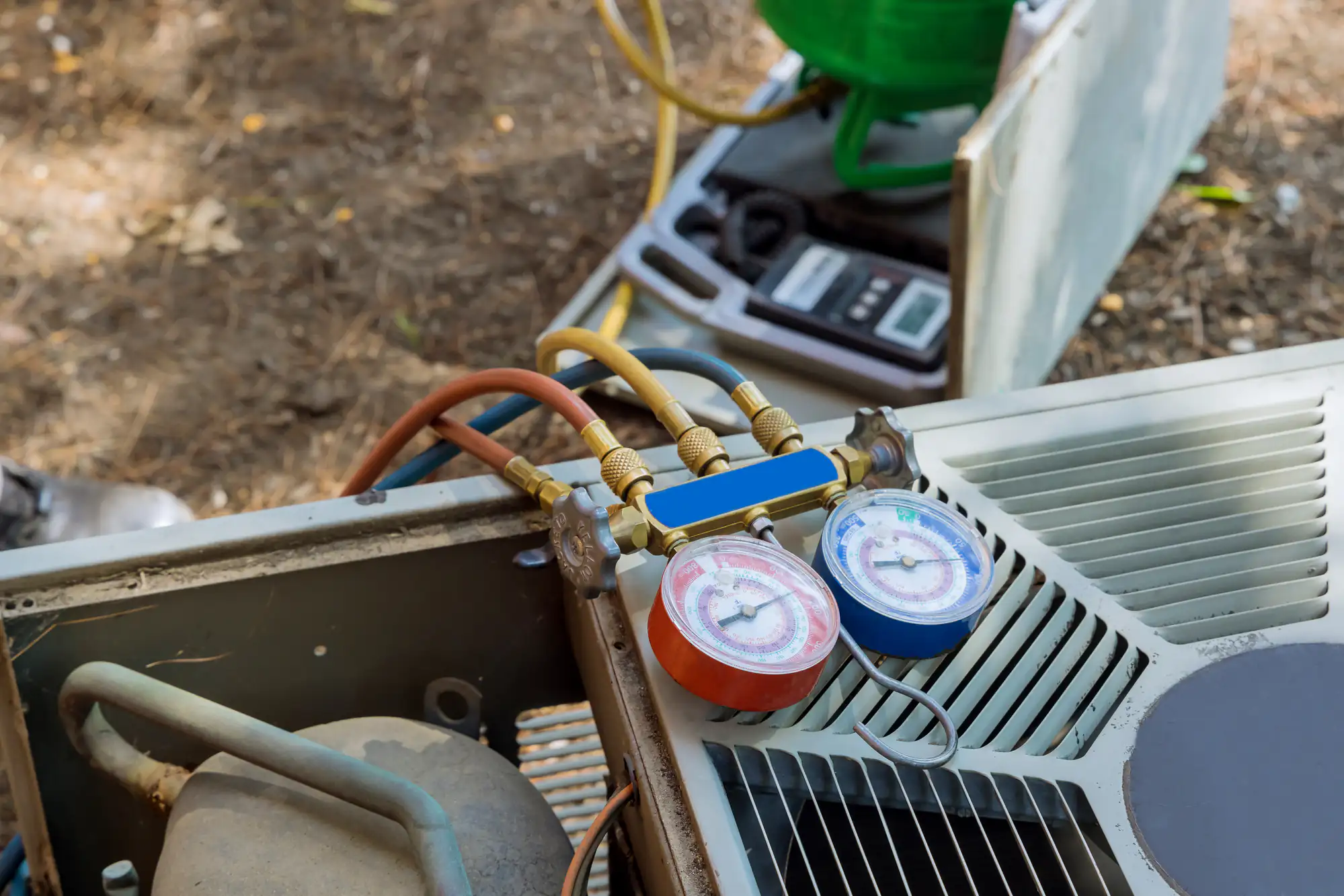
Air conditioning repair in Plainedge means understanding that your system isn’t just fighting heat—it’s fighting humidity that makes 82 degrees feel like 92. We check refrigerant charge, clean coils that get clogged with coastal air particulates, and verify that your system is actually reaching the dehumidification cycle instead of short-cycling.
Furnace installation means sizing equipment for your actual heating load, not just matching what the last contractor installed. We account for insulation, windows, and whether you’re heating a 1960s ranch or a newer build. We check ductwork for leaks that waste 20-30% of your heated air before it reaches living spaces.
Heating system maintenance catches problems before they strand you without heat. We’re checking heat exchangers for cracks that leak carbon monoxide. We’re testing ignition systems that fail when temperatures drop. We’re cleaning burners that lose efficiency and drive up your gas bills.
HVAC replacement is the conversation nobody wants but everyone eventually needs. We help you understand when you’re looking at a $400 repair on a 15-year-old system that’s going to need a $1,200 repair next year. We explain what modern equipment actually delivers—variable-speed systems that handle humidity better, heat pumps that make sense with current rebates, and efficiency ratings that translate to real monthly savings.
Indoor air quality matters more in coastal areas where humidity breeds mold and salt air carries particulates. We install whole-home dehumidifiers that actually work, air purifiers that capture what your filter misses, and ventilation systems that bring in fresh air without killing your efficiency.
Full system replacement typically runs $8,000 to $15,000 for most Plainedge homes, depending on equipment quality, system size, and installation complexity. That’s not a number pulled from thin air—it reflects real costs for equipment that survives Long Island’s coastal environment.
You’ll pay more for variable-speed systems that handle humidity better than single-stage equipment. You’ll pay more for brands that warranty their equipment in coastal environments. You’ll pay more for proper installation that includes corrosion-resistant coatings, correctly sized ductwork, and permits that actually get inspected.
The cheapest quote is usually cheap for a reason. Undersized equipment, skipped permits, improper refrigerant charge, ductwork that leaks—these aren’t things you discover until your first summer when your AC runs constantly and your electric bill doubles. We’ve replaced plenty of “bargain” installations that lasted six years instead of sixteen.
Your system is probably oversized, which is counterintuitive but common in Long Island homes. An oversized air conditioner cools your space so quickly that it satisfies the thermostat before it runs long enough to remove humidity. You get cold, clammy air instead of comfortable, dry air.
Dehumidification requires runtime. Your AC needs to run for 15-20 minutes to really start pulling moisture out of the air. When your system cools the house in eight minutes and shuts off, you never reach that deep dehumidification cycle. The result is a 72-degree house that feels like 76 because the humidity is still at 65%.
The fix isn’t running your thermostat lower—that just makes the problem worse. You need either a properly sized system, a variable-speed system that runs longer at lower capacity, or a separate whole-home dehumidifier. We see this problem constantly in Plainedge because contractors size equipment for cooling load without accounting for coastal humidity.
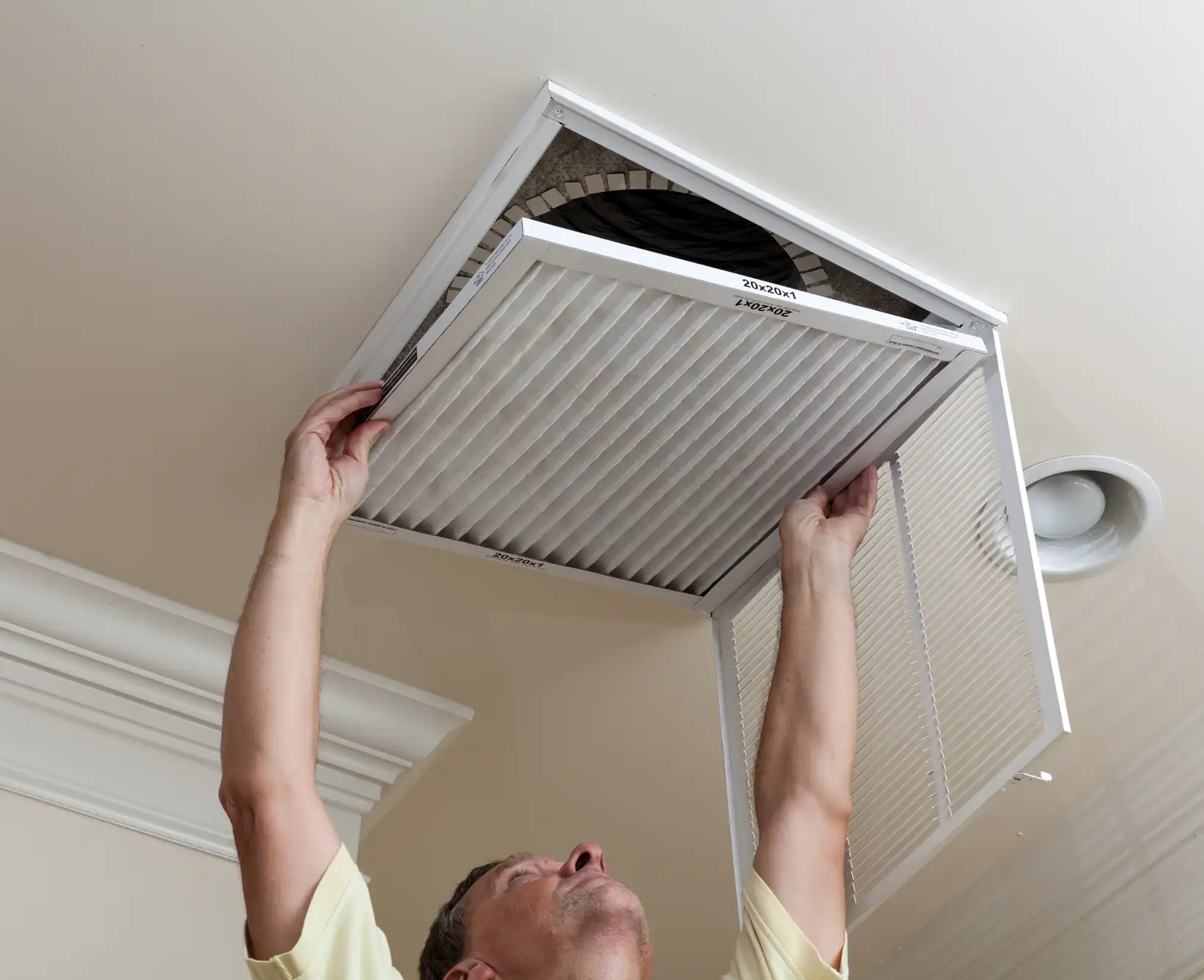
Annual maintenance before heating season—ideally in October before you actually need your furnace. That timing matters because you want to catch problems before the first cold snap when every HVAC contractor is slammed with emergency calls.
Maintenance isn’t just changing filters and calling it done. We’re inspecting heat exchangers for cracks that leak carbon monoxide into your home. We’re testing ignition systems that fail when temperatures drop. We’re checking gas pressure, cleaning burners, verifying proper airflow, and making sure your system can actually heat your home when it’s 18 degrees outside.
Skip maintenance and you’re gambling. Maybe your furnace fires up fine all winter. Maybe the heat exchanger that was developing a crack last year finally fails on the coldest night of January. Maybe the ignitor that was getting weak quits on Christmas Eve. Maintenance plans run $15 to $50 monthly and include priority service when something does go wrong—which means you’re not waiting three days for heat in February.
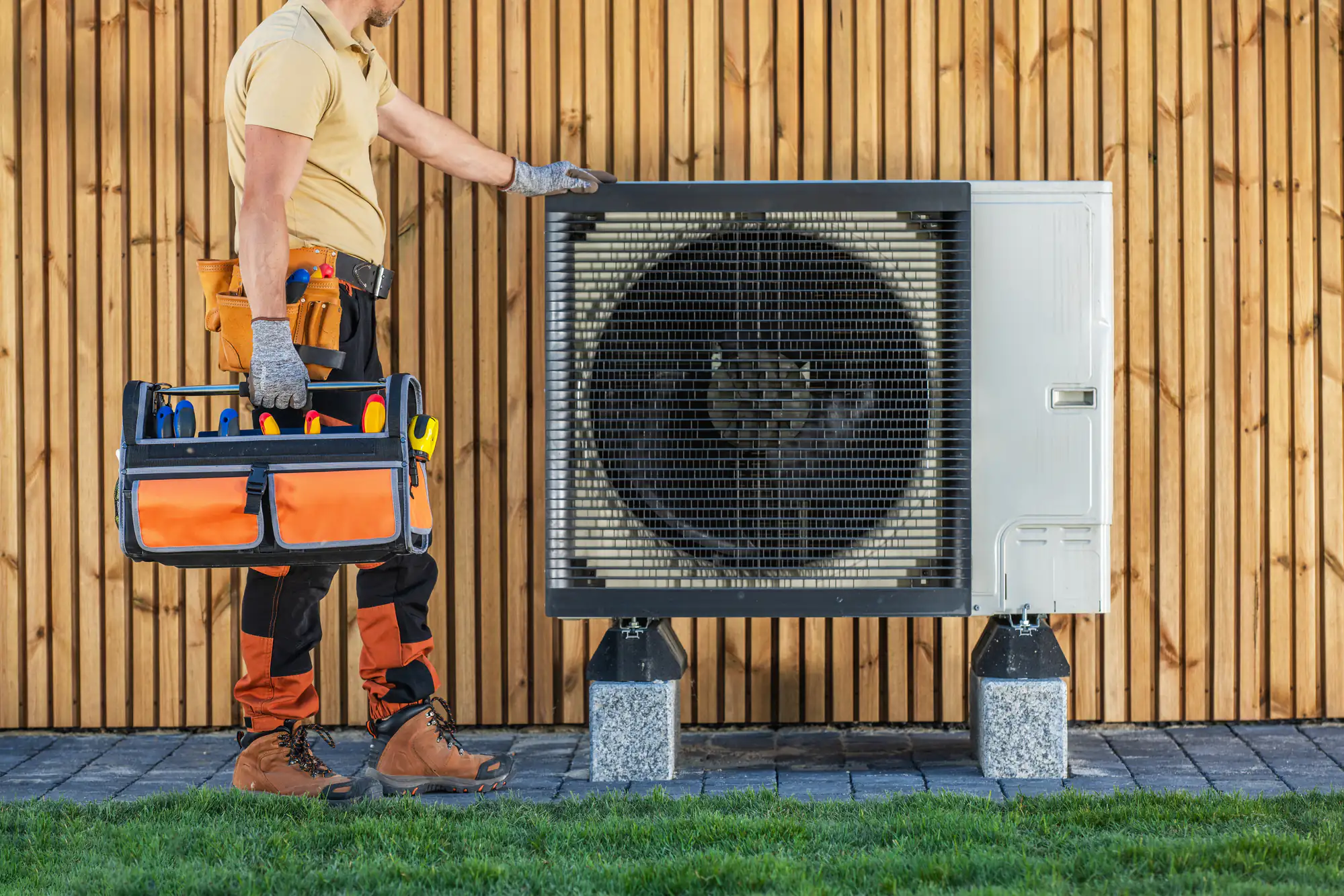
Salt air. Plainedge is close enough to the coast that salt-laden air reaches your property, and salt accelerates corrosion on aluminum condenser fins faster than most homeowners realize. Those fins are critical for heat exchange—when they corrode, your system loses efficiency and eventually fails.
You’ll see it as white or green crusty buildup on the fins, or fins that look like they’re flaking apart. Once corrosion starts, it spreads. Your system works harder to achieve the same cooling, your electric bills climb, and you’re looking at compressor failure or full unit replacement years earlier than you should.
The solution is either corrosion-resistant coatings applied during installation or coastal-rated equipment designed for marine environments. We also recommend regular coil cleaning—not just hosing it down, but actual chemical cleaning that removes salt buildup before it causes damage. This is exactly why our marine HVAC background matters. We’ve been protecting equipment from salt air for 40 years.
Depends on what’s broken and what you’ve already spent. Furnaces typically last 15-20 years, so at 12 years you’re in the gray zone where the math gets complicated. A $400 repair on a well-maintained system makes sense. A $1,500 repair on a system that’s needed three service calls in two years doesn’t.
Here’s the calculation we walk customers through: Take the repair cost and divide it by the remaining useful life in years. If you’re spending $1,200 on repairs and the furnace might last another three years, that’s $400 per year. A new furnace costs more upfront but gives you 15-20 years of reliable heat plus better efficiency that lowers your monthly gas bills.
Also consider what’s breaking. Heat exchanger cracks mean replacement—that’s not negotiable because you’re talking about carbon monoxide risk. Blower motor or ignitor? Those are reasonable repairs. If you’re calling us every winter for something new, the furnace is telling you it’s done. We’ll give you honest advice either way because we’d rather have you as a long-term customer than sell you a furnace you don’t need yet.
Yes, 24/7. When your heat fails at 11 PM on a Sunday in January, you can’t wait until Monday morning. When your AC quits during an August heatwave, same-day service isn’t a luxury—it’s necessary.
We answer the phone after hours, and we can often walk you through troubleshooting steps while a technician drives to your location. Sometimes it’s something simple—tripped breaker, thermostat batteries, clogged filter restricting airflow. Sometimes it’s a failed component that needs immediate replacement.
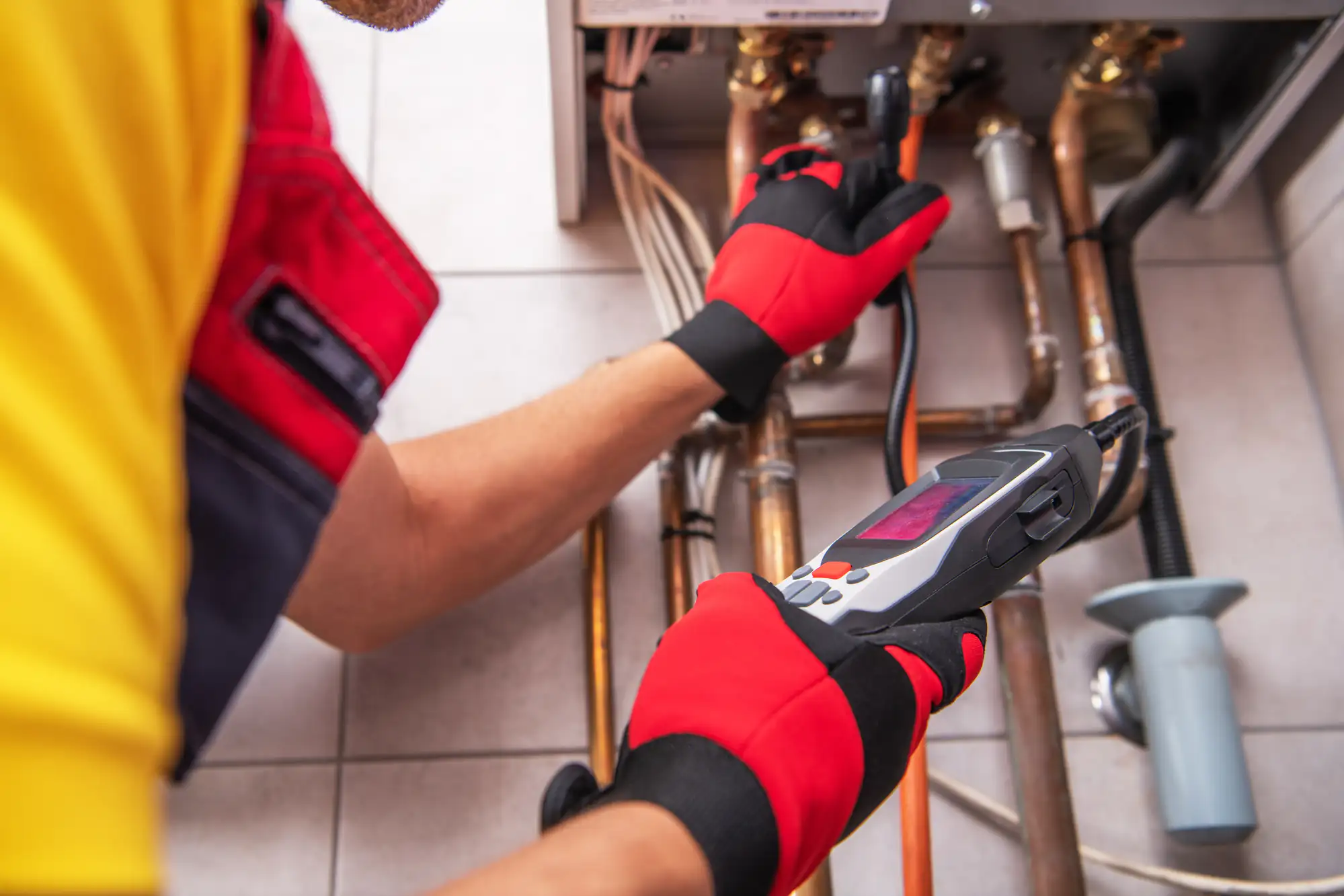
Emergency service costs more than scheduled appointments because you’re paying for availability and after-hours response. But you’re also getting someone who can actually fix the problem instead of a technician who shows up, says they need to order parts, and leaves you without heat for three more days. We stock common parts for most major brands and carry diagnostic equipment that identifies problems quickly. Forty years in commercial and marine HVAC taught us that downtime costs more than premium service rates.