

Hear from Our Customers
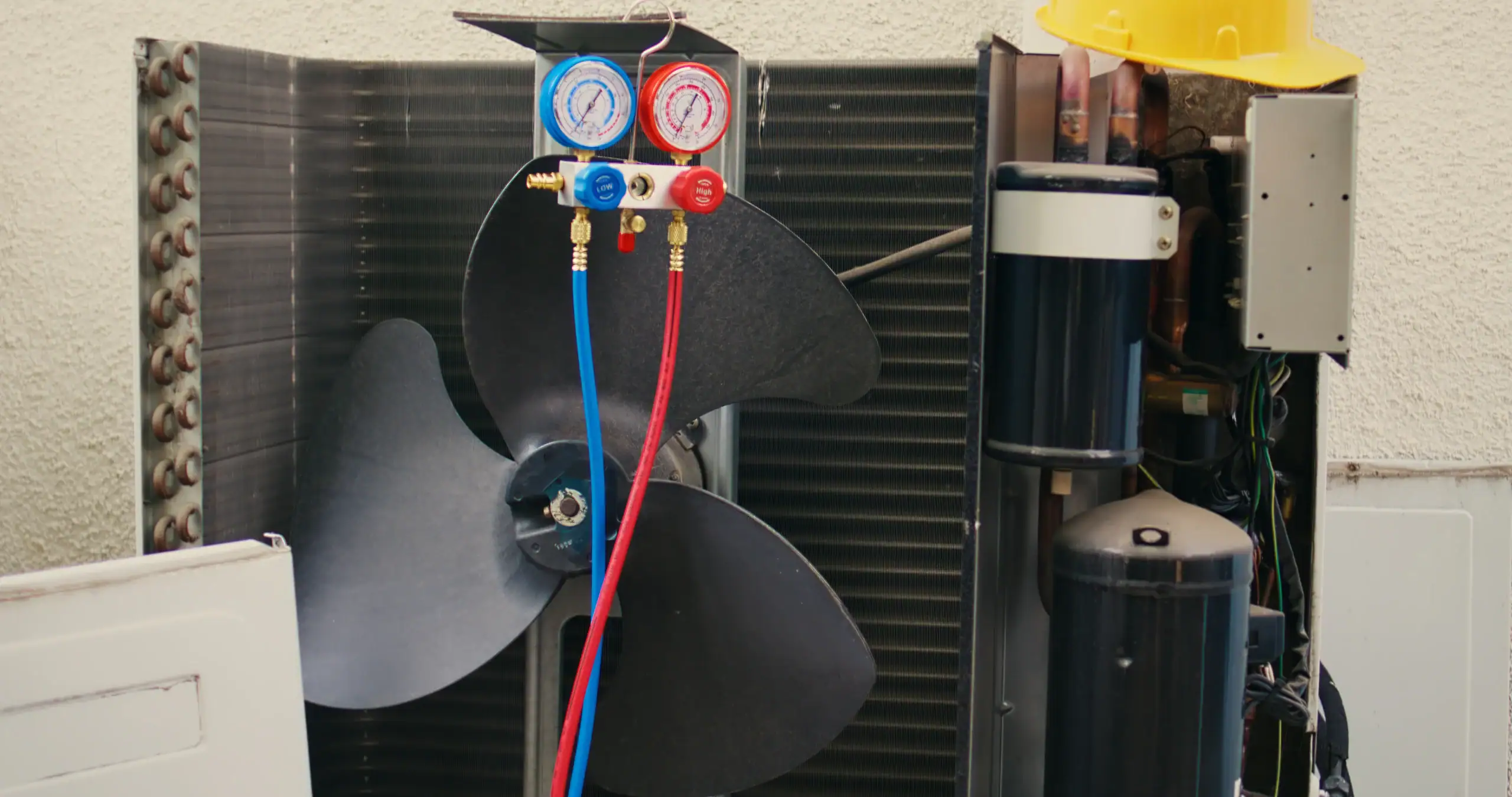
Your boat’s refrigeration isn’t the same as your kitchen fridge at home. It runs on limited battery power, sits in a saltwater environment, and needs to keep working whether you’re docked at Sag Harbor Village Marina or anchored in the outer mooring field.
When your marine refrigeration works right, you don’t think about it. Your provisions stay cold during weekend trips to Shelter Island. Your drinks stay ice-cold during July harbor parties. Your batteries aren’t drained by sunrise because some contractor installed a system that wasn’t sized for your vessel.
The difference between a reliable system and constant headaches comes down to understanding how boat refrigeration actually works. Not just residential HVAC knowledge applied to a marine environment. Real experience with DC power systems, saltwater corrosion, space constraints, and the specific demands of vessels ranging from 25-foot weekenders to 60-foot cruisers.
We bring over 40 years of specialized experience to Sag Harbor’s boating community. We handle both commercial refrigeration and marine HVAC—a rare combination that matters when you’re dealing with waterfront businesses, yacht clubs, and individual vessels.
That dual expertise means understanding systems most contractors never touch. Custom beer systems for waterfront taverns. Walk-in coolers for marina restaurants. Marine air conditioning for boats docked at Yacht Hampton Marina. Refrigeration that needs to handle the salt air, humidity, and seasonal demands unique to coastal New York.
We serve Sag Harbor boaters year-round, with 24/7 emergency service during peak season when a breakdown can cost you an entire weekend. Free estimates, transparent pricing, and technicians who actually answer the phone when you call.
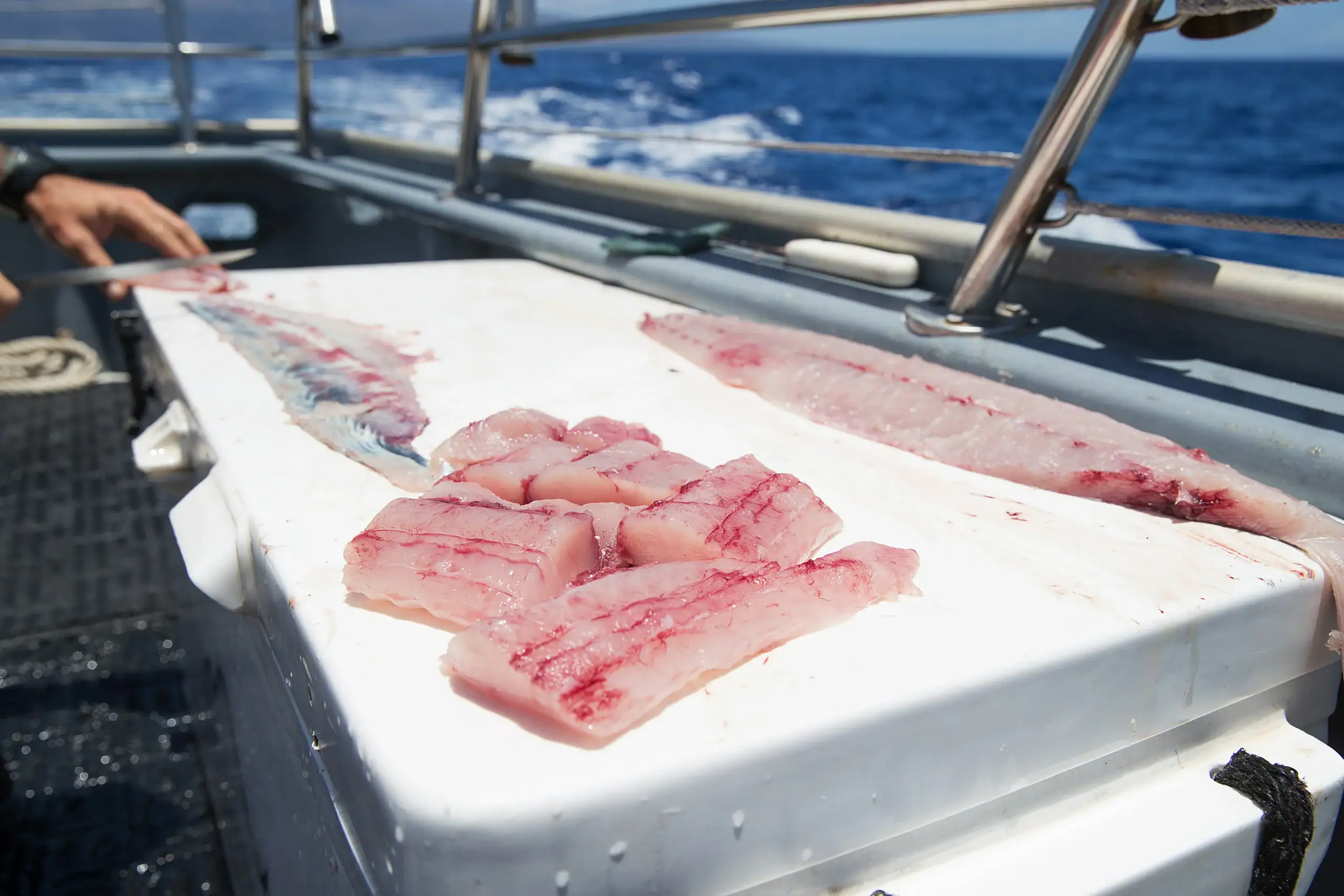
It starts with understanding what you actually need. Not every boat requires the same approach. A 30-foot sailboat with weekend use has different demands than a 50-foot cruiser that’s your summer home.
Our assessment covers your current system, power setup, insulation quality, and how you actually use your boat. If you’re running the AC while docked with shore power versus anchored on battery power, that changes everything about system design and sizing.
Installation or repair work accounts for the marine environment. That means marine-grade components where saltwater exposure is high. Proper ventilation to prevent corrosion. Wiring that handles the voltage fluctuations common on boats. Sizing that matches your actual power capacity, not just cooling needs.
Testing happens before the job is called complete. Temperature verification. Power draw measurements. Door seal checks. You get documentation for warranty purposes and clear guidance on maintenance that keeps your system running between service calls.
Ready to get started?
Professional marine refrigeration service in Sag Harbor means more than just fixing what’s broken. You get 24/7 emergency support during boating season—critical when failures happen Saturday morning and you’re supposed to leave for Montauk by noon.
Our service includes proper system sizing based on your vessel’s actual constraints. A system that’s undersized runs constantly and never gets cold enough. Oversized systems short-cycle and burn out components early. Getting it right the first time means measuring your space, calculating heat load, and matching equipment to your battery capacity.
Sag Harbor’s waterfront location creates specific challenges most inland contractors miss. Salt air accelerates corrosion on standard components. High humidity affects door seals and insulation. Summer temperatures in enclosed boats can hit 120 degrees, which pushes systems harder than they’d ever work in a house.
Marine-grade components and proper installation techniques prevent the problems that plague boats serviced by general HVAC contractors. Stainless hardware where corrosion is likely. Proper drainage for condensate. Ventilation that keeps compressors cool in tight engine rooms. These details separate systems that last from ones that need constant repairs.
Custom work handles unique situations. Converting an ice box to refrigeration. Installing systems in unusual spaces. Upgrading old units while maintaining your boat’s original look. Integrating refrigeration with your existing electrical system without overloading circuits.
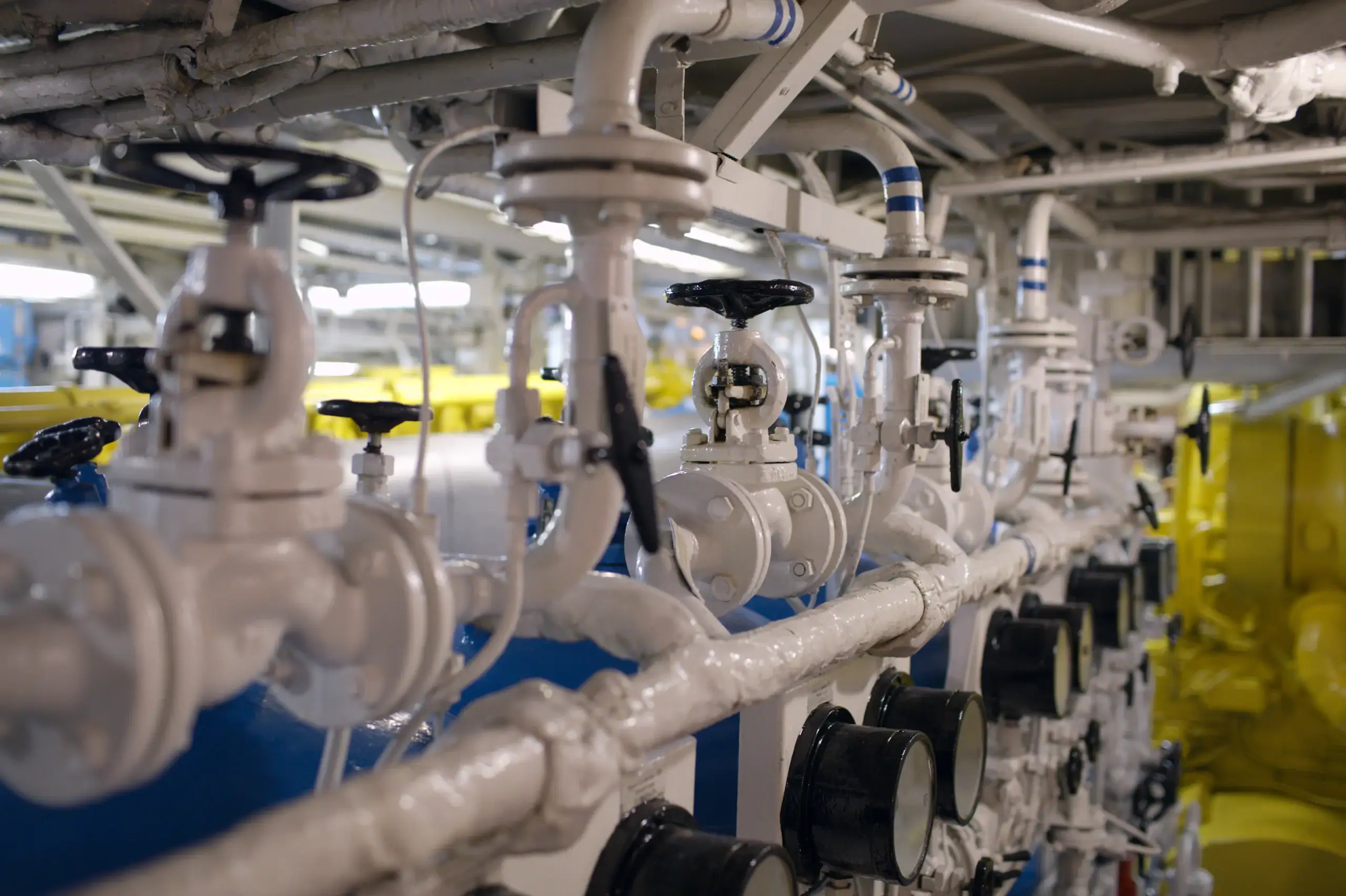
Marine refrigeration operates in a completely different environment than your home fridge. Your boat runs on limited DC battery power—usually 12V or 24V—while residential systems have unlimited AC power available. That power constraint means every amp matters, so marine systems need to be far more efficient.
The marine environment creates challenges that don’t exist on land. Saltwater corrodes standard components. Constant motion affects how refrigerant flows. Temperature swings from 40-degree nights to 90-degree days stress the system. Space constraints mean components often fit in tight, poorly ventilated areas that make cooling harder.
Marine systems also need to handle voltage fluctuations that would shut down residential equipment. When you start your engine or run other equipment, voltage can drop significantly. Quality marine refrigeration accounts for these conditions with specialized compressors and controls designed for the boat environment.
The most common failure during Sag Harbor’s boating season comes from inadequate water flow to the condenser on water-cooled systems. Marine growth—barnacles, grass, algae—builds up inside the seawater intake lines and restricts flow. When the condenser can’t reject heat properly, you get high pressure faults and the system shuts down.
Poor insulation causes the second most common problem. Many boats have inadequate insulation in their refrigerator boxes, especially older vessels. When ambient temperatures hit 85-90 degrees in July and August, weak insulation lets heat infiltrate faster than the system can remove it. The compressor runs constantly, drains your batteries, and still can’t maintain temperature.
Door seal failures rank third. Salt air and UV exposure degrade rubber gaskets over time. Small gaps let warm, humid air into the box constantly. You might not notice the gap, but your refrigeration system notices—it runs far longer trying to compensate for the constant heat infiltration.
Power consumption depends entirely on your system size, insulation quality, and usage patterns. A typical small boat refrigerator with a Danfoss BD35 compressor—the marine industry standard—draws about 2.5 to 4 amps when running. Sounds reasonable until you realize it might run 50% of the time in summer conditions, which means 30-50 amp-hours per day.
Larger systems or poorly insulated boxes can easily consume 60-80 amp-hours daily. If you’re anchored without shore power, that’s significant battery drain. Most boats have 200-400 amp-hours of usable battery capacity, so refrigeration alone could consume 15-25% of your available power.
Proper system design dramatically affects power consumption. Good insulation reduces runtime. Correctly sized evaporators and condensers improve efficiency. Even simple things like keeping the box full (less air space to cool) and minimizing door openings make measurable differences. Professional installation that accounts for these factors can cut power consumption by 25-30% compared to poorly designed systems.
Yes, most marine refrigeration repairs happen right at your dock or mooring. Our service truck carries common replacement parts for major brands—compressors, thermostats, door seals, fan motors, control modules. About 70% of service calls get resolved on the spot without needing to order specialized parts.
For boats at Sag Harbor marinas like the Village Marina, Yacht Hampton, or Sag Harbor Yacht Yard, dockside service is straightforward. For boats on moorings in the inner or outer mooring fields, we can make arrangements to access your vessel when needed.
The remaining 30% of repairs that need parts typically get temporary solutions to keep you running while components are ordered. If your compressor fails completely, a temporary setup might maintain minimal cooling until the replacement arrives. The goal is preventing total loss of your provisions and keeping you on the water during peak season.
Annual maintenance before the start of boating season is the minimum for reliable operation. That service should include cleaning sea strainers, inspecting and cleaning condenser coils, checking refrigerant levels, testing door seals, and verifying proper operation under load.
If you keep your boat in the water year-round or use it heavily during summer, mid-season service makes sense. July or August service catches problems before they become failures during your busiest boating time. Sea strainers especially need attention during summer when marine growth is most active.
Systems that run constantly or show any performance issues need immediate attention, not waiting for scheduled maintenance. A system that used to cycle on and off but now runs continuously is telling you something’s wrong. Catching problems early—weak door seals, declining refrigerant, reduced water flow—prevents expensive component failures later.
First, check the simple things before calling for service. Verify power is reaching the unit—check circuit breakers and battery voltage. Make sure the thermostat didn’t get bumped to a warmer setting. On water-cooled systems, check that your seawater intake seacock is open and the sea strainer isn’t completely clogged.
If those basics check out but the system still won’t run, check for error codes if your system has a digital display. High pressure faults usually mean water flow problems. Low pressure faults typically indicate refrigerant leaks. Compressor lockout codes might mean electrical issues or the unit tried to restart too quickly.
Beyond basic troubleshooting, marine refrigeration repair requires specialized knowledge and tools. Refrigerant handling needs EPA certification. Electrical diagnostics on DC systems differs from residential work. Attempting repairs without proper experience often makes problems worse and can damage expensive components. Professional service gets you back to cold storage faster and prevents turning a simple problem into a major repair.