Hear from Our Customers
You’re not dealing with a system failure at a convenient time. It’s the middle of a heat wave and your AC stops cooling. Or it’s January and your furnace won’t fire up. Those moments don’t wait for business hours.
That’s when experience matters. A properly installed and maintained HVAC system doesn’t just keep temperatures comfortable—it protects your home, lowers your energy bills, and gives you one less thing to worry about.
Coastal properties face unique challenges. Salt air and humidity put extra stress on heating and cooling equipment. Systems need to handle temperature swings from summer peaks to winter lows. And if your home sits vacant part of the year, you need someone who understands how to maintain equipment that cycles on and off seasonally.
When your system works right, you don’t think about it. When it doesn’t, you need someone who can diagnose the problem fast and fix it correctly the first time.
We’ve been handling complex HVAC work across Long Island for over 40 years. We’ve built our reputation on commercial refrigeration and marine air conditioning—the kind of specialized work that requires precision and problem-solving.
That same expertise applies to residential heating and cooling. We’re licensed, insured, and available 24/7 for emergencies. Our team knows Sag Harbor properties—from year-round homes to seasonal residences that need different maintenance approaches.
You’ll find dozens of five-star reviews from clients who needed reliable service and got it. We offer free estimates, answer calls, and show up when we say we will. No runaround, no surprises.
First, we listen. What’s happening with your system? Is it an emergency or planned maintenance? Do you need a repair or full replacement? Every situation is different, so we start by understanding yours.
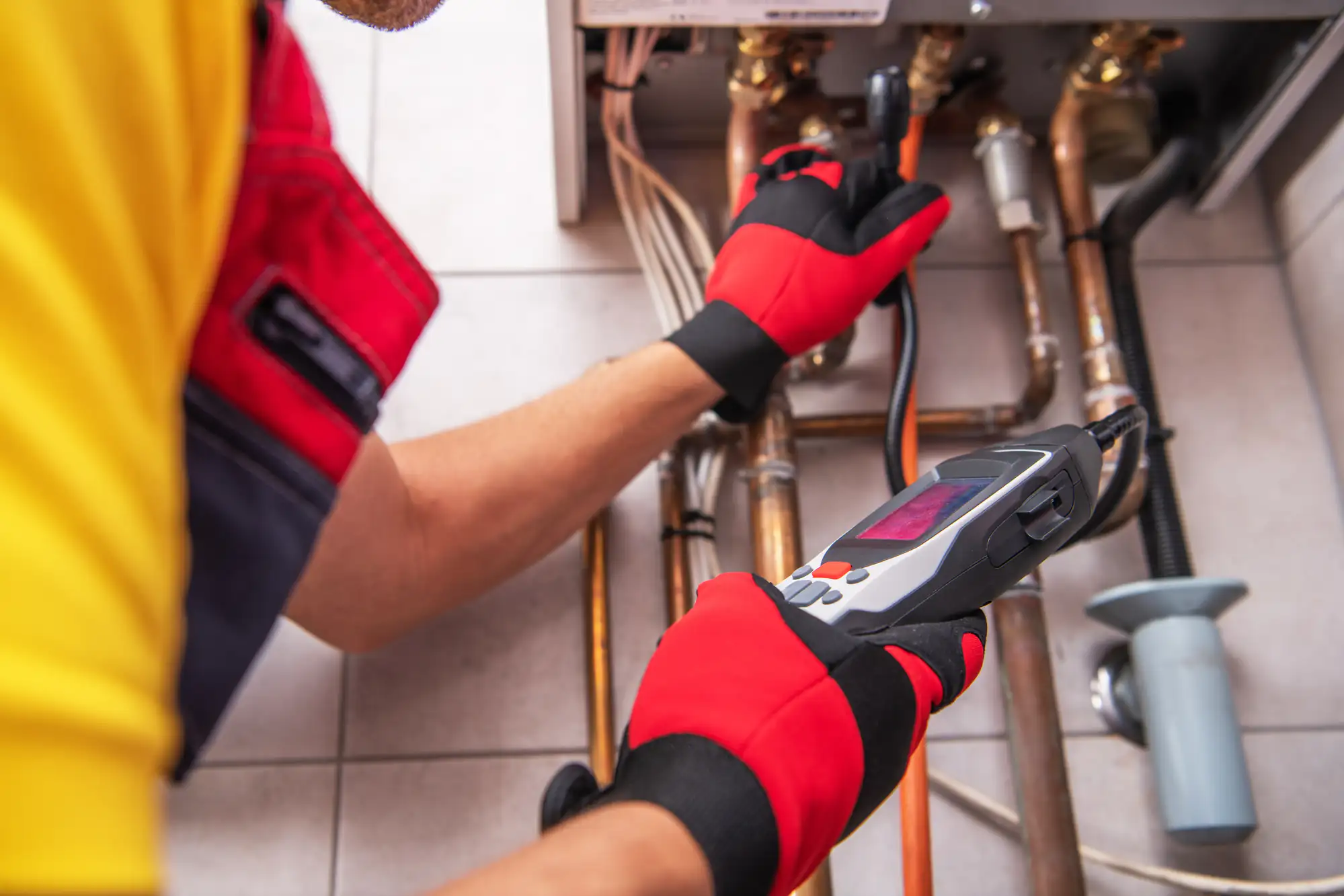
Next, we assess. For repairs, we diagnose the issue—not just the symptom. For installations, we evaluate your home’s size, layout, insulation, and existing ductwork. We measure cooling and heating loads to make sure you’re getting the right-sized equipment, not something oversized that cycles inefficiently or undersized that runs constantly.
Then we explain your options. If it’s a repair, we tell you what’s wrong and what it takes to fix it. If it’s a replacement, we walk through equipment choices—efficiency ratings, operating costs, expected lifespan. We give you the information you need to make a decision that makes sense for your home and budget.
Finally, we do the work. Installations are scheduled at your convenience. Emergency repairs happen fast—usually within a couple hours. We clean up when we’re done, test everything, and make sure you understand how to operate your system.
Ready to get started?
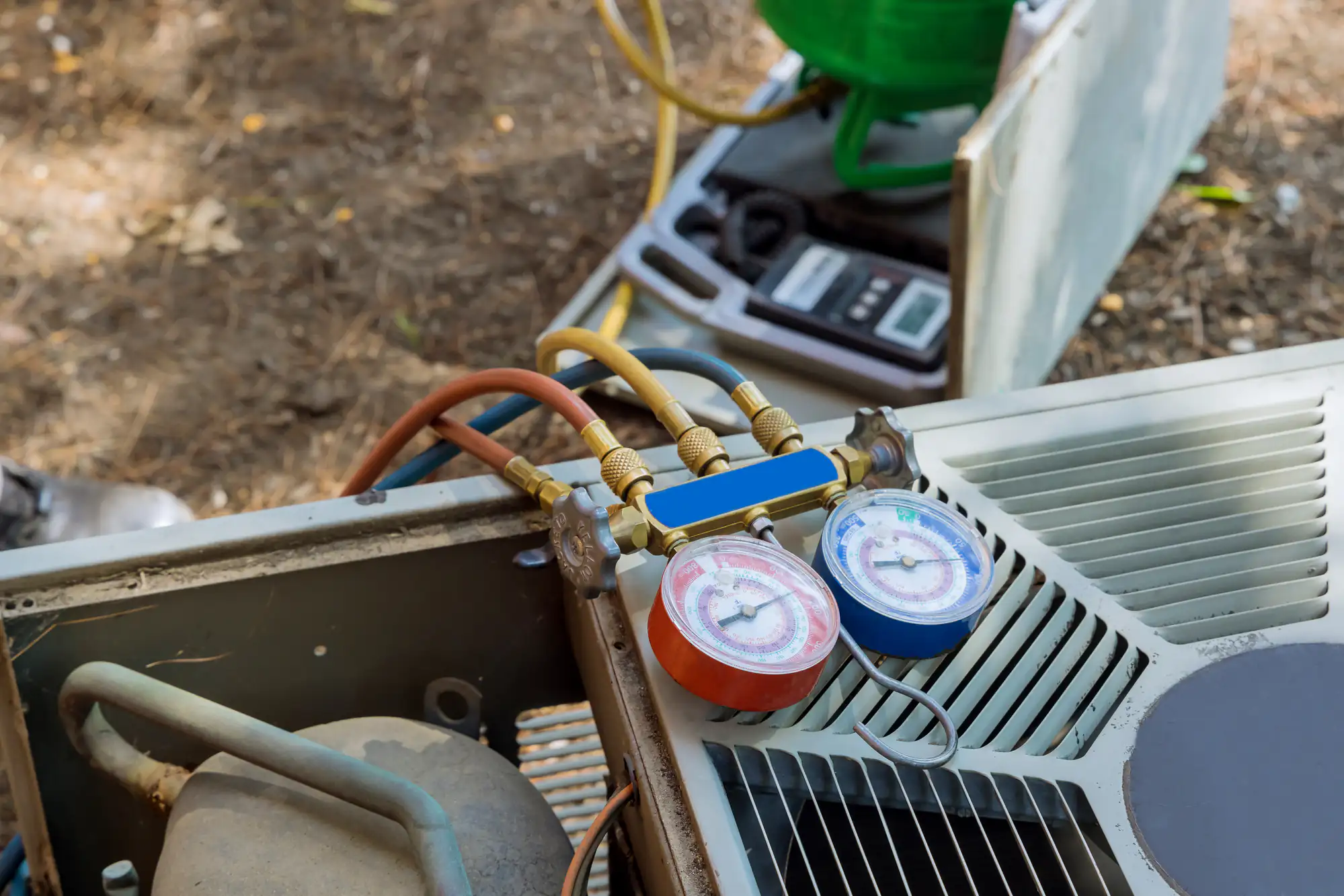
Air conditioning repair addresses everything from refrigerant leaks to compressor failures. If your AC isn’t cooling properly, runs constantly, or won’t turn on, we track down the cause and fix it.
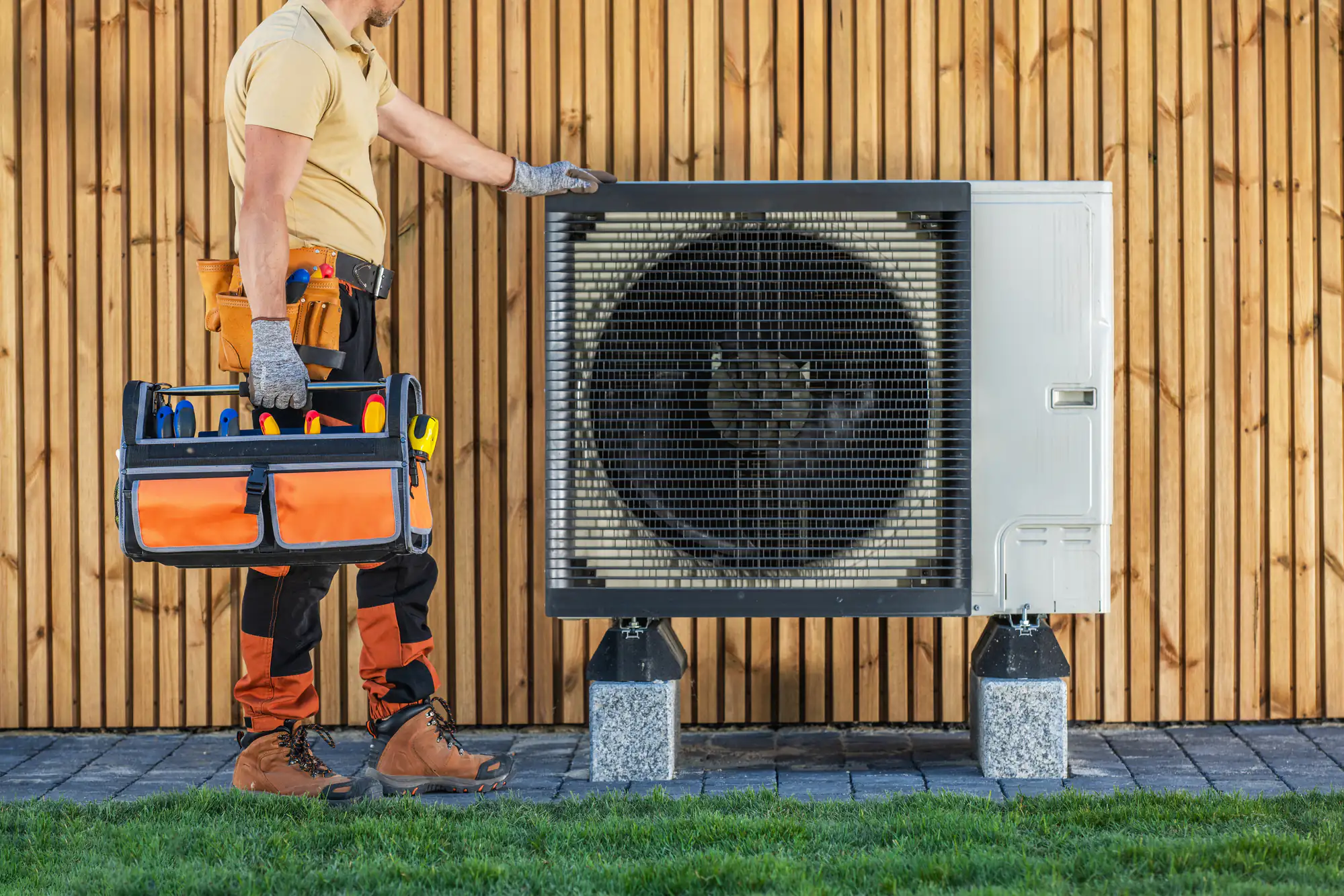
Furnace installation and heating system maintenance keep you warm through Long Island winters. Whether you’re upgrading to a high-efficiency furnace or switching to a heat pump system, we handle the full installation—including ductwork modifications if needed. Regular maintenance catches small issues before they become expensive failures.
HVAC replacement becomes necessary when repair costs start approaching the price of new equipment, or when your system is old enough that parts are hard to find. We help you evaluate whether replacement makes more financial sense than another repair. Modern systems can cut your energy bills by 10-30% compared to older units.
Indoor air quality improvements include filtration upgrades, humidity control, and ventilation solutions. Coastal humidity can create mold and air quality issues if your system isn’t managing moisture properly. We install dehumidifiers, air purifiers, and smart thermostats that optimize both comfort and efficiency.
Sag Harbor’s mix of year-round and seasonal properties means some homes need winterization services, while others need systems that can handle constant use. We adjust our maintenance recommendations based on how you use your home.
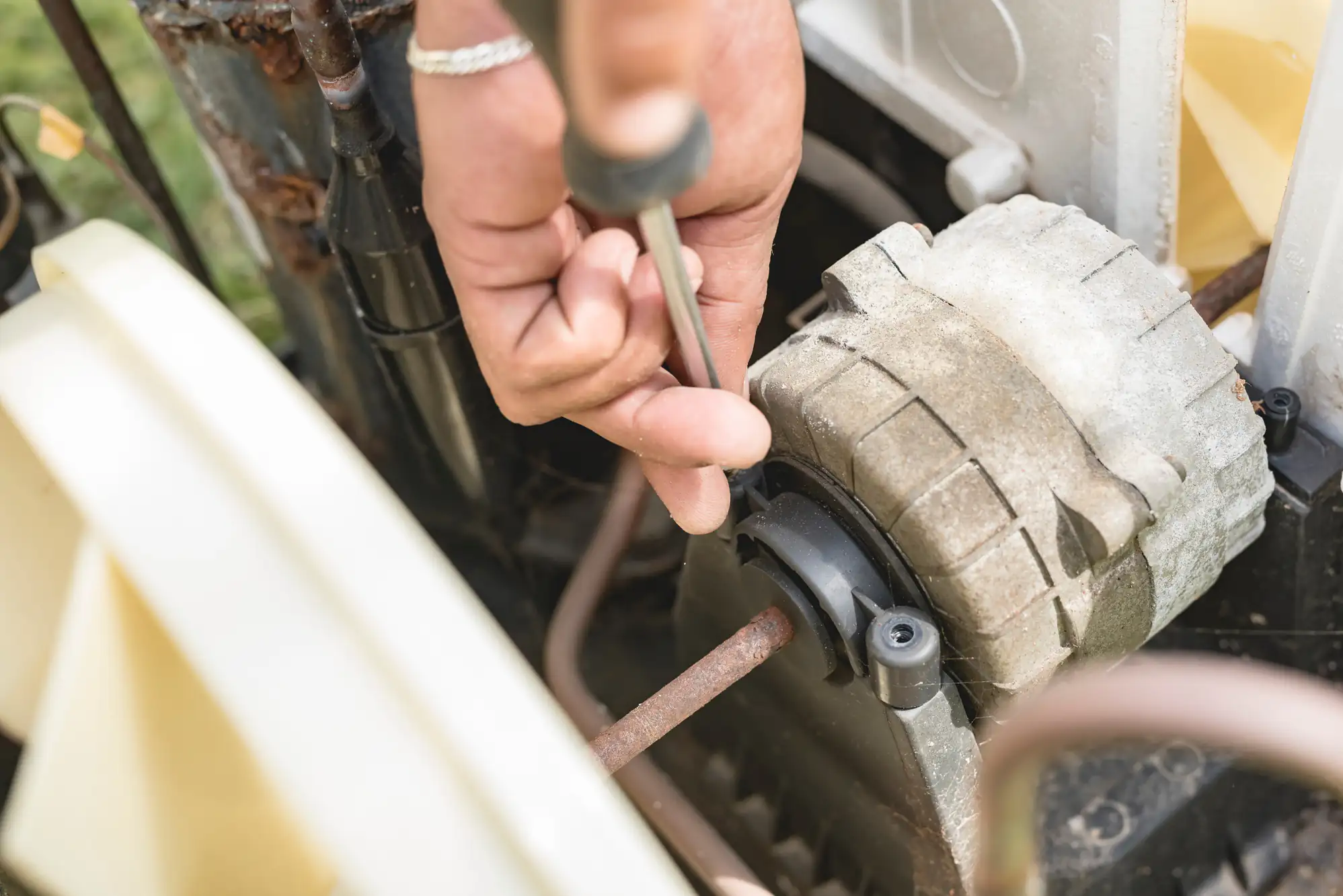
Twice a year is the standard recommendation—once before cooling season and once before heating season. Spring maintenance for your air conditioning catches refrigerant issues, cleans coils, and makes sure everything’s ready for summer demand. Fall maintenance for your furnace or heat pump checks burners, heat exchangers, and safety controls before you need heat.
If your home sits vacant for part of the year, timing matters more. Schedule maintenance before you arrive for the season, not after you’ve already been there a week and discovered something’s not working. That gives us time to order parts if needed.
Skipping maintenance doesn’t just risk breakdowns. It voids most manufacturer warranties, which require proof of annual professional service. It also costs you money—dirty coils and clogged filters make your system work harder and use more energy.
Age and cost are the two main factors. If your system is under 10 years old and the repair costs less than half the price of replacement, repair usually makes sense. If it’s over 15 years old and needs a major component like a compressor or heat exchanger, replacement often makes more financial sense.
Efficiency matters too. A 20-year-old air conditioner might have a SEER rating around 10. New systems start at 14.3 SEER2 and go up to 20+ SEER2. That efficiency difference can save you $200-300 annually on cooling costs. Over a 10-15 year lifespan, those savings add up.
Frequent repairs are a red flag. If you’re calling for service multiple times per year, you’re throwing money at a failing system. At that point, replacement gives you reliability and warranty coverage instead of ongoing repair bills.
We’ll give you honest numbers on both options. Sometimes repair is the right call. Sometimes it’s not. But you’ll know the real cost either way before making a decision.
A straightforward replacement—swapping an old system for a new one with no ductwork changes—usually takes one full day. We remove the old equipment, install the new furnace or air handler and condenser, connect everything, charge the refrigerant, and test the system.
More complex installations take longer. If you’re switching from oil heat to a heat pump, or if ductwork needs modification, expect two days. New construction or adding AC to a home that never had it can take three to five days depending on the scope.
We don’t rush installations. Proper refrigerant charging, duct sealing, and airflow balancing take time. Cutting corners on installation kills efficiency and shortens equipment life. A system that’s installed correctly runs quieter, lasts longer, and costs less to operate.
You’ll have heat or cooling the same day we start in most cases. We don’t leave you without climate control overnight unless we’ve discussed it beforehand and you’ve approved the timeline.
Size isn’t about square footage alone—it’s about heat gain and heat loss calculations. We measure your home’s insulation, window area, ceiling height, sun exposure, and air leakage. Then we calculate how much cooling and heating capacity you actually need.
Oversized systems are a common problem. A contractor eyeballs your square footage, adds a safety margin, and installs equipment that’s too big. Oversized AC units cool the air quickly but shut off before removing humidity, leaving your home clammy. Oversized furnaces cycle on and off constantly, wasting energy and wearing out components faster.
Undersized systems run constantly and never quite reach the temperature you set. They work hard, use plenty of energy, and still leave you uncomfortable on the hottest and coldest days.
Proper sizing means your system runs in longer, more efficient cycles. It removes humidity while cooling. It heats evenly without hot and cold spots. And it lasts longer because it’s not constantly cycling or straining to keep up.
We use Manual J load calculations—the industry standard—to size equipment correctly. It takes more time upfront, but it’s the difference between a system that works and one that doesn’t.
Modern heat pumps work well in Long Island’s climate. Older heat pumps struggled when temperatures dropped below freezing, but current models maintain full heating capacity down to 5°F and continue operating below zero.
Heat pumps move heat instead of generating it by burning fuel, which makes them two to three times more efficient than furnaces. That efficiency translates to lower operating costs—typically $200-300 less per year compared to oil or propane heat.
The upfront cost is higher than a standard furnace, but federal tax credits and utility rebates often cover a significant portion. And because a heat pump handles both heating and cooling, you’re replacing two systems with one.
Coastal humidity actually helps heat pump efficiency. They pull heat from outdoor air, and humid air holds more heat energy than dry air. That means your heat pump works a bit less hard here than it would in a drier climate.
The main consideration is backup heat. On the coldest days—maybe five to ten days per winter—a heat pump might need supplemental electric resistance heat to keep up. We size systems to minimize backup heat use while keeping installation costs reasonable.
First, check your thermostat and circuit breaker. Make sure the thermostat is set to cool and the temperature setting is below the current room temperature. Check your electrical panel for a tripped breaker—both the one labeled for your AC and the one at the outdoor disconnect box.
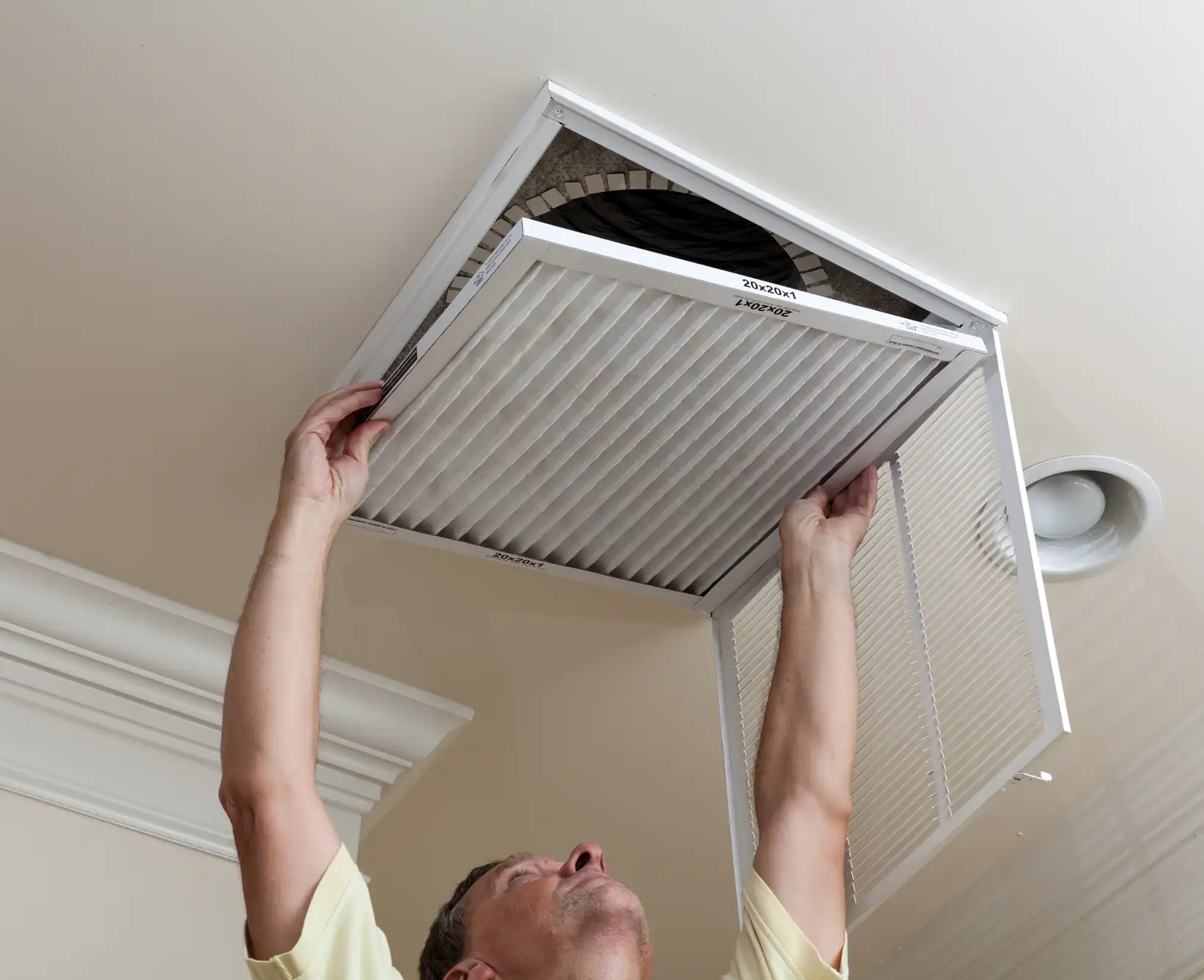
Next, look at your air filter. A completely clogged filter can cause the system to freeze up or shut down on safety limits. If it’s dirty, replace it and give the system an hour to see if it starts working.
If those basics don’t solve it, call us. Don’t keep resetting breakers or forcing the system to run—you might turn a simple fix into expensive damage. And don’t wait days hoping it fixes itself. Heat-related emergencies are actual emergencies, especially for older residents or anyone with health conditions.
We respond to emergency calls within a couple hours, usually faster. We stock common parts on our trucks, so many repairs happen the same day. If we need to order a part, we’ll discuss temporary cooling options and get you back up and running as quickly as possible.