
Hear from Our Customers
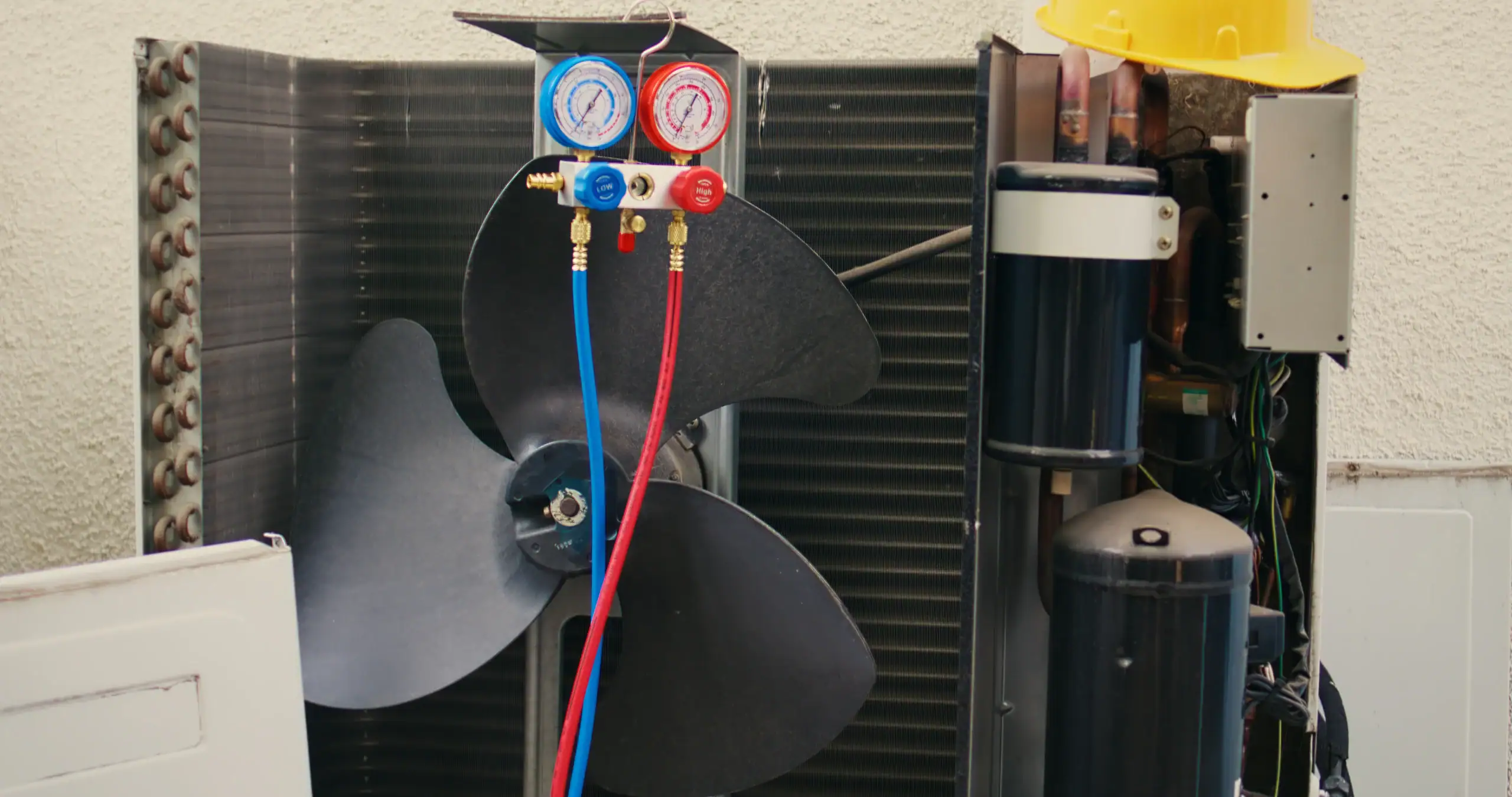
You’re not looking for someone who treats your boat like a house. Marine refrigeration systems deal with salt air, constant motion, limited power, and conditions that would destroy a residential unit in weeks. That’s why you need technicians who’ve spent decades working on boats, not buildings.
When your system runs right, you’re not throwing out spoiled food. You’re not sweating through a weekend at the marina because your AC quit. You’re not burning through battery power because an inefficient compressor is working overtime. You’re out on the water, comfortable, with cold drinks and fresh provisions—exactly how it should be.
Proper marine HVAC maintenance catches the small stuff before it becomes expensive. Regular service means your refrigeration doesn’t fail when you’re three hours from shore. It means your boat air conditioning keeps running through July and August. And it means you’re not scrambling to find someone who can actually fix marine systems when everyone else is booked out for weeks.
We bring over 40 years of specialized experience to Stewart Manor and the greater Long Island marine community. Our team handles everything from yacht air conditioning to complex commercial refrigeration for airports, restaurants, and catering halls—but marine work is where specialized knowledge really matters.
Boat owners across Stewart Manor know that marine refrigeration isn’t a side job you hand to a residential HVAC tech. The systems are different. The environment is brutal. And when something breaks, you need someone who’s seen it before and knows exactly how to fix it. That’s what four decades of hands-on work delivers.
We offer 24/7 consulting, free estimates, and the kind of straightforward communication that boat owners appreciate. No runaround. No waiting weeks for a callback. Just experienced technicians who show up, diagnose the problem, and get your system running again.
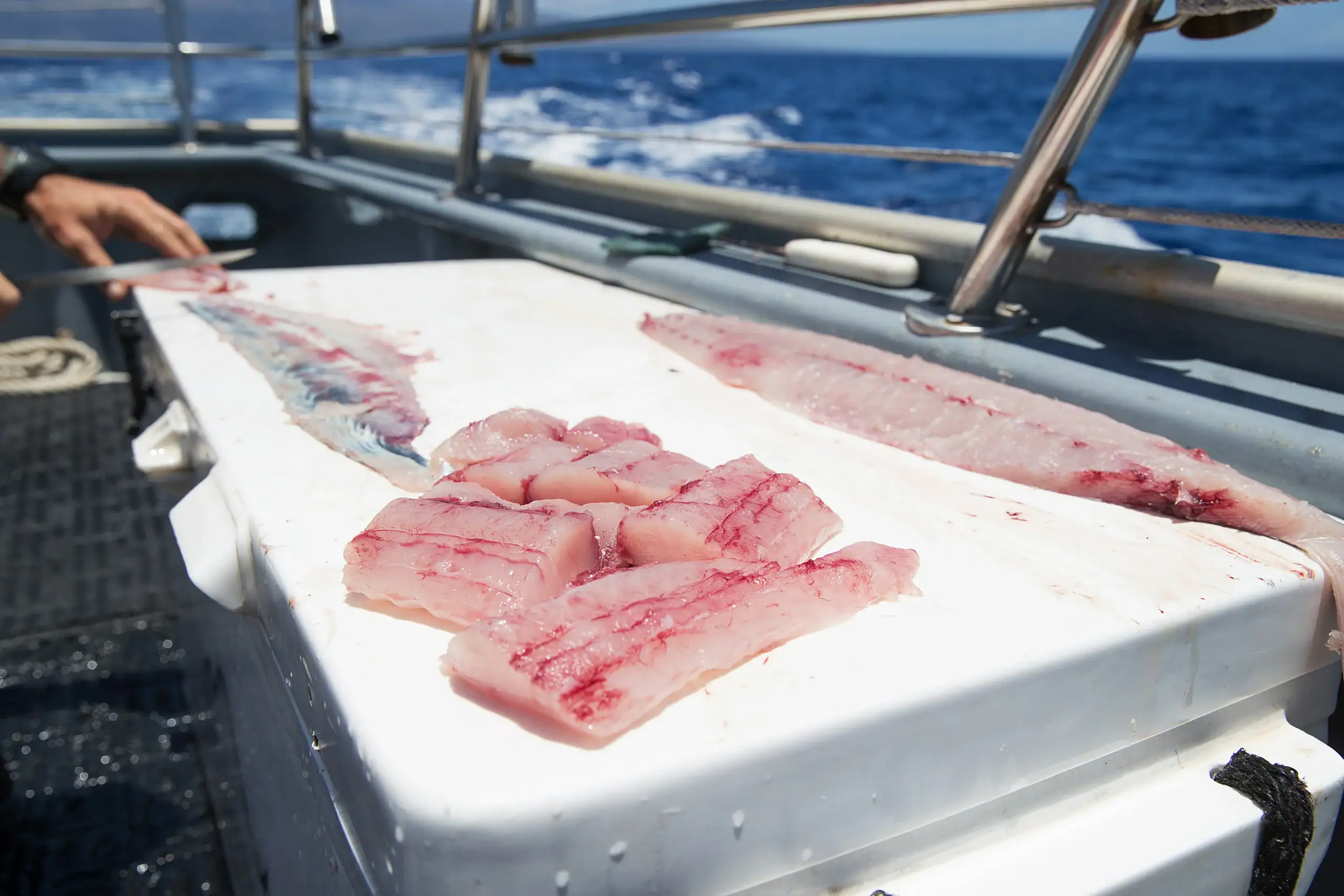
First, you reach out—phone, email, whatever works. You’ll talk to someone who understands boat HVAC, not a call center reading from a script. We’ll ask the right questions about your system, your boat, and what’s happening. If it’s something simple, you might get the answer right there. If it needs hands-on work, you’ll schedule a time that actually fits your boating plans.
When our technician arrives, we’re looking at the whole system. Not just the obvious problem, but the seawater flow, the condenser coils, the electrical connections, the refrigerant levels. Marine refrigeration fails for specific reasons—salt corrosion, clogged strainers, air in the lines, overworked compressors. Finding the real issue means knowing where to look.
Repairs happen with marine-grade parts and proper techniques. No shortcuts. No “this should work” residential fixes. You’ll know what’s wrong, what it costs, and how long it’ll take before any work starts. After the repair, the system gets tested under real conditions. You’re not left guessing if it’ll hold up when you’re actually using the boat. And if you need preventative maintenance to keep things running, that gets scheduled based on how you use your vessel—not some generic timeline that doesn’t account for saltwater and summer heat.
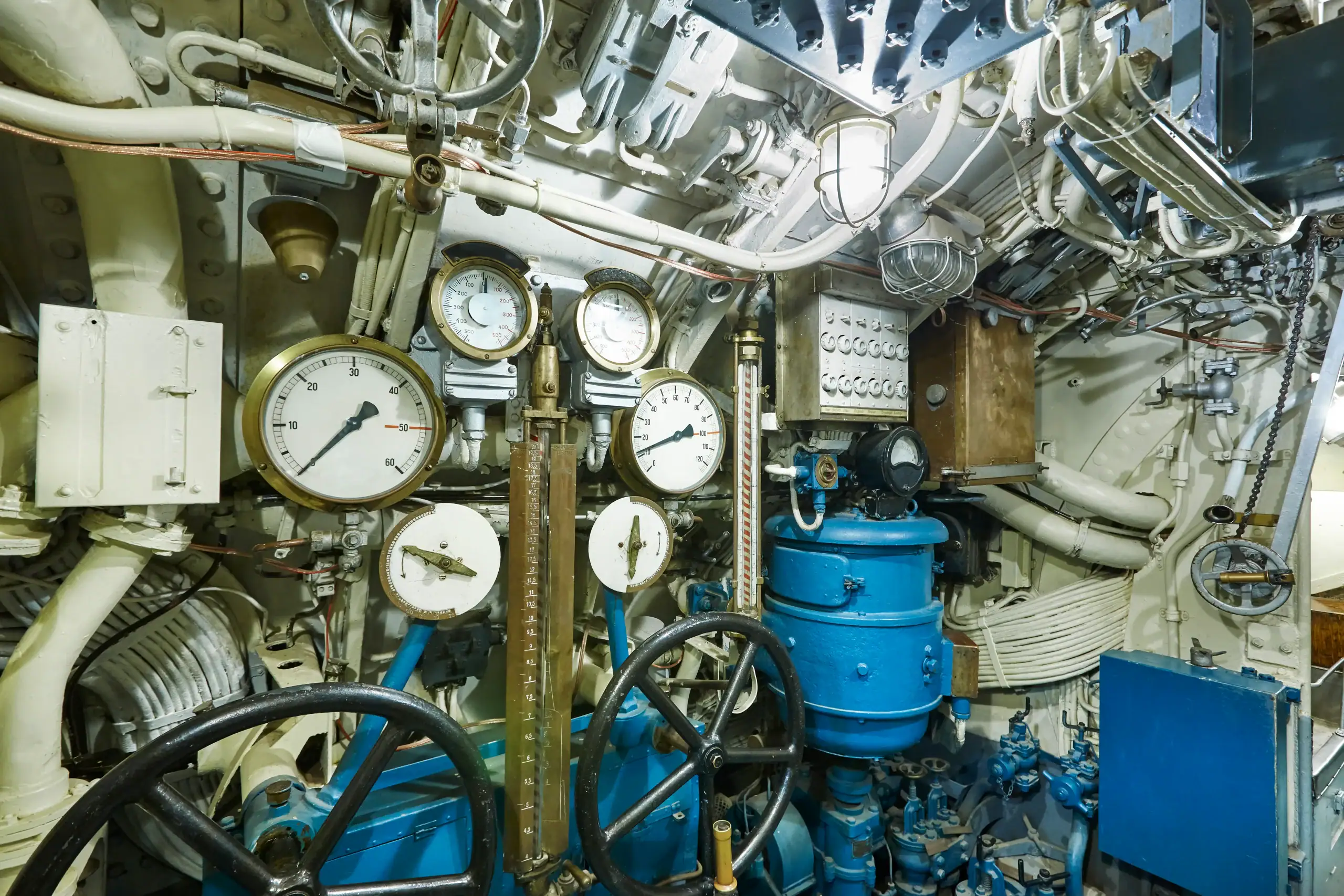
Ready to get started?
Marine refrigeration maintenance isn’t the same as residential service. Your boat’s cooling system fights corrosive salt air, constant vibration, temperature swings, and limited power supply. Stewart Manor boat owners deal with humid Long Island summers that push marine AC systems hard, plus the brackish water conditions that accelerate wear on seawater-cooled components.
Professional service means inspecting and cleaning condenser coils that get clogged with salt deposits. It means checking seawater pumps, strainers, and through-hull fittings that residential techs have never touched. It means testing refrigerant levels, compressor performance, and electrical connections under the conditions your boat actually faces. Marine systems need anti-corrosion treatments and preventative care every three months during boating season—not the six-month schedule that works for your house.
Installation work covers everything from self-contained boat air conditioning units to complex refrigeration systems for galleys and fish boxes. The right setup depends on your vessel size, power availability, and how you use the boat. Stewart Manor’s proximity to multiple marinas and the Long Island Sound means boats here range from weekend cruisers to serious fishing vessels, and each one needs a system designed for its specific demands. That’s where decades of experience with both marine HVAC and commercial refrigeration makes the difference between a system that barely keeps up and one that runs efficiently for years.
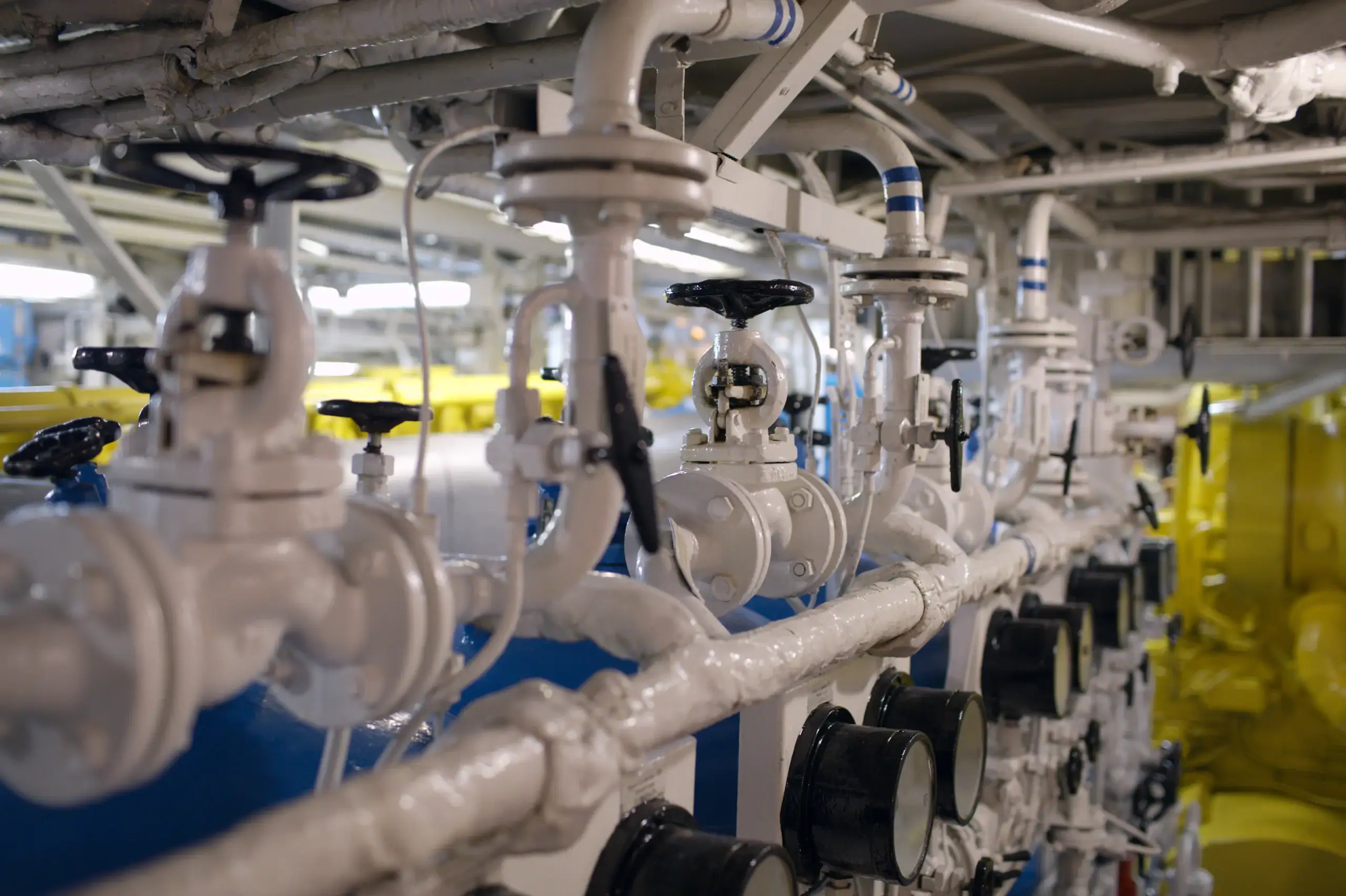
Marine refrigeration systems need professional service every three months during boating season, not the six-month schedule that works for residential units. The difference comes down to environment. Your boat’s cooling system fights salt air corrosion, constant motion, temperature extremes, and seawater that carries debris and organisms that clog components.
During active boating months in Stewart Manor, your system works harder. Saltwater accelerates corrosion on fittings and connections. Condenser coils collect salt deposits that reduce efficiency. Seawater strainers need regular cleaning to maintain proper flow. Skipping these quarterly checks means small issues become expensive failures, usually at the worst possible time.
Off-season maintenance matters too. Before you winterize, the system should be flushed and protected. Before spring launch, everything needs inspection to catch problems before you’re back on the water. Boat owners who follow this schedule get years more life from their marine HVAC systems and avoid the emergency repair calls that come with neglect.
Marine refrigeration systems are fundamentally different from residential units, and those differences require specialized knowledge. Boat systems are seawater-cooled, not air-cooled. They run on DC power from batteries or AC power from shore. They’re installed in tight spaces with specific ventilation requirements. And they have to handle constant motion, salt air, and conditions that would destroy a house unit.
A residential HVAC tech has never worked with seawater pumps, through-hull fittings, or marine-grade anti-corrosion treatments. They don’t know how to diagnose high-pressure faults caused by clogged seawater strainers. They’ve never sized a system for a boat’s limited power supply or dealt with the unique electrical requirements of marine installations. Using the wrong parts or techniques on a boat can mean leaks, corrosion, or complete system failure.
We understand these systems because we work on them every day. We know which components fail in saltwater environments. We stock marine-grade parts. We understand the difference between a boat that’s dockside on shore power versus anchored and running on batteries. That expertise is the difference between a repair that lasts and one that fails again in a month.
Refrigerant leaks top the list. Marine systems develop leaks from vibration, corrosion, and the constant flexing that happens on a boat. You’ll notice the fridge feels warm, cycles constantly, or the compressor runs but nothing gets cold. DIY recharge kits don’t fix the underlying leak, so the problem comes back quickly.
Clogged seawater systems cause high-pressure faults. Salt deposits, barnacles, and debris block strainers, reduce flow through condensers, and make the system overheat. This shows up as error codes, weak cooling, or the unit shutting down to protect itself. Regular flushing prevents most of these issues, but once it’s clogged, you need professional cleaning with marine-safe solutions.
Electrical failures happen from corrosion on connections, failed control boards, or worn compressor components. Marine environments are brutal on electronics. You might see inconsistent cooling, error messages, or a system that won’t start. Thermostat calibration issues are common too—the display shows one temperature but the actual cabin is much warmer. Each of these problems needs proper diagnosis with marine-specific tools, not guesswork from someone who’s only worked on residential systems.
Repair costs run from $200 to $800 for most common issues, depending on what’s actually wrong and what parts are needed. A simple fix like replacing a clogged strainer or resetting a control board sits at the lower end. Refrigerant leak repair with recharge, compressor service, or control board replacement costs more because of parts and labor.
What really drives cost is whether you’re doing preventative maintenance or emergency repairs. Catching a small refrigerant leak during routine service might cost a few hundred dollars. Waiting until the compressor burns out from running low on refrigerant can mean a $2,000+ replacement. Same with seawater pump failures—regular inspection and replacement when it shows wear costs far less than fixing the damage from a failed pump that flooded your boat.
Installation of new marine air conditioning systems is a different conversation. A basic self-contained unit with installation runs $3,000 to $8,000 depending on your boat’s size and configuration. Custom installations, multiple zones, or replacing systems that were never set up properly can cost more. But boat owners who invest in proper installation and regular maintenance spend far less over time than those who skip service and deal with constant breakdowns.
Marine refrigeration uses seawater for cooling instead of air. Your boat’s system pulls water through a strainer, runs it through a heat exchanger to cool the refrigerant, then discharges it overboard. This means you’re dealing with through-hull fittings, seawater pumps, and components that must resist corrosion. Residential systems just blow air across a condenser coil—completely different setup.
Power requirements are another major difference. Marine systems run on 12V or 24V DC power from batteries when you’re cruising, or 115V/230V AC when you’re plugged into shore power. They’re designed for low power consumption because battery capacity is limited. Residential units assume unlimited power from the grid and use much more energy. The compressors, controls, and electrical components are engineered differently.
The environment is the biggest factor. Marine refrigeration handles constant motion, salt air, temperature swings, and humidity that residential units never face. Components need marine-grade corrosion protection. Installations must account for vibration and the boat’s movement. Even the refrigerant and oils used are selected for marine conditions. This is why you can’t just stick a household fridge on a boat and expect it to work—the engineering is fundamentally different.
Persistent problems that keep coming back signal it’s time to replace. If you’re calling for repairs multiple times per season, spending money on fixes that only last a few weeks, or dealing with a system that can’t maintain proper temperature even after service, replacement makes more financial sense than continued repairs.
Age and efficiency matter too. Marine refrigeration systems older than 15-20 years use outdated refrigerants, consume more power, and have components that are harder to source. Newer systems run more efficiently, which means less drain on your batteries and lower operating costs. If your current system is burning through power or struggling to keep up during Long Island’s summer heat, upgrading to a modern unit often pays for itself in reliability and reduced energy consumption.
Complete compressor failure usually tips the decision toward replacement. Compressors are the most expensive component, and if yours fails on an older system, the cost of replacement plus labor often gets close to what a new, more efficient unit would cost installed. At that point, you’re better off with new equipment, a fresh warranty, and the peace of mind that comes with a system designed for today’s marine refrigerants and efficiency standards. We can give you an honest assessment of whether repair or replacement makes sense for your specific situation.