Hear from Our Customers
When your air conditioning stops working in July or your furnace quits on the coldest night in January, you need someone who picks up the phone and shows up ready to fix it. Not someone who gives you a three-day window and leaves you sweating or freezing.
You’re dealing with uneven temperatures in different rooms. Your energy bills keep climbing even though you haven’t changed how you use your system. Strange noises coming from the basement. Weak airflow that makes some rooms feel like saunas while others stay cold.
These aren’t just annoyances. They’re signs your system is working harder than it should, costing you money every month, and heading toward a breakdown at the worst possible time. You need heating system maintenance and air conditioning repair from someone who’s seen it all and knows exactly what’s failing before it becomes an emergency.
We bring over 40 years of experience in marine HVAC and commercial refrigeration to your home. That background means we’ve handled systems far more complex than typical residential setups, so when your home has ductwork issues from additions or renovations, we know how to diagnose and fix them.
Stewart Manor homes often have unique layouts and older systems that need more than a standard service call. You need someone who understands how Nassau County’s humid summers and cold winters stress your equipment differently than other regions.
We’re licensed, insured, and available 24/7 because HVAC emergencies don’t wait for business hours. You’ll work with technicians who explain what’s wrong in plain language, give you honest pricing upfront, and leave your home cleaner than they found it.
You call or contact us describing what’s happening with your system. We ask a few questions to understand whether it’s an emergency or something we can schedule, and we give you a clear timeframe for when we’ll arrive.
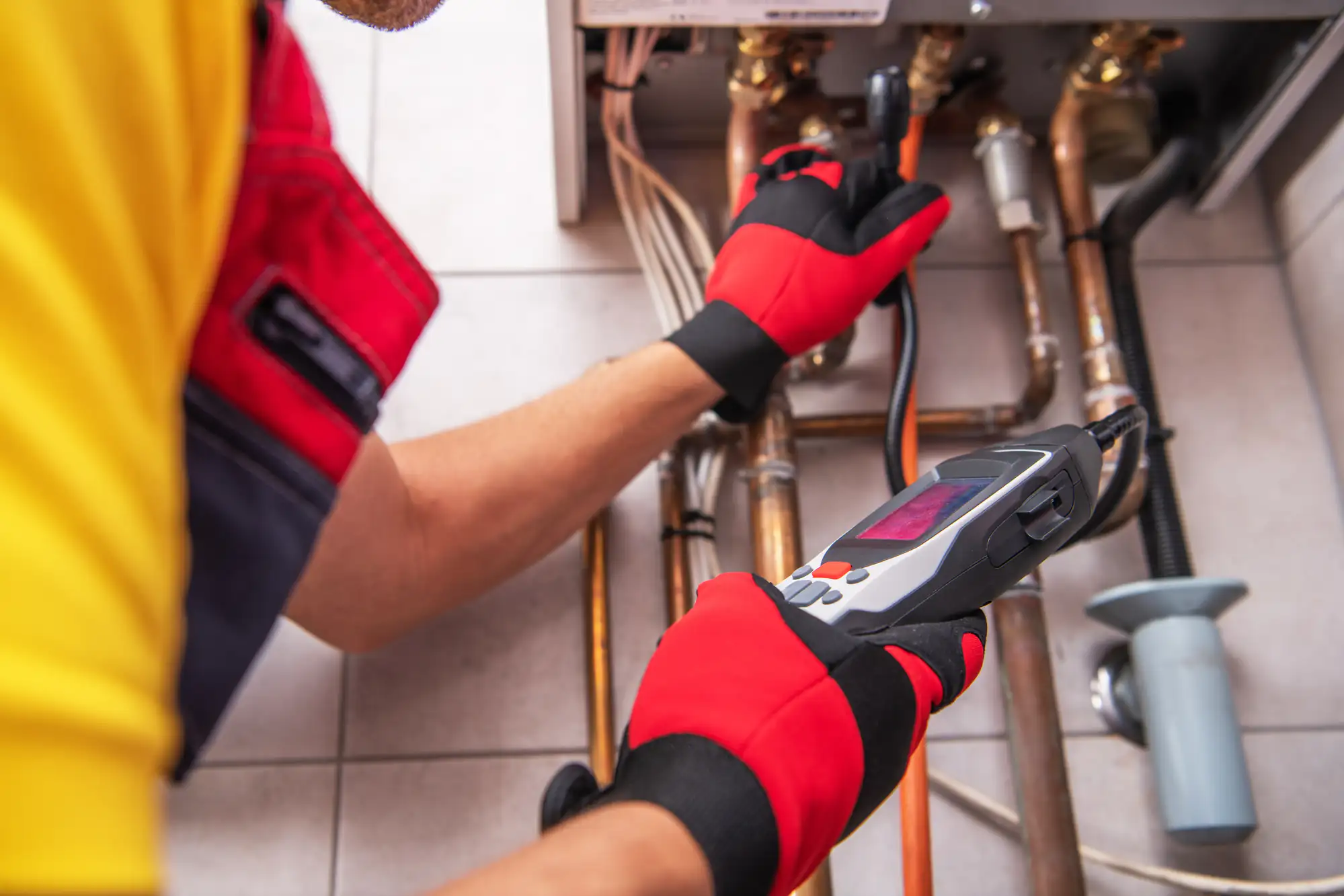
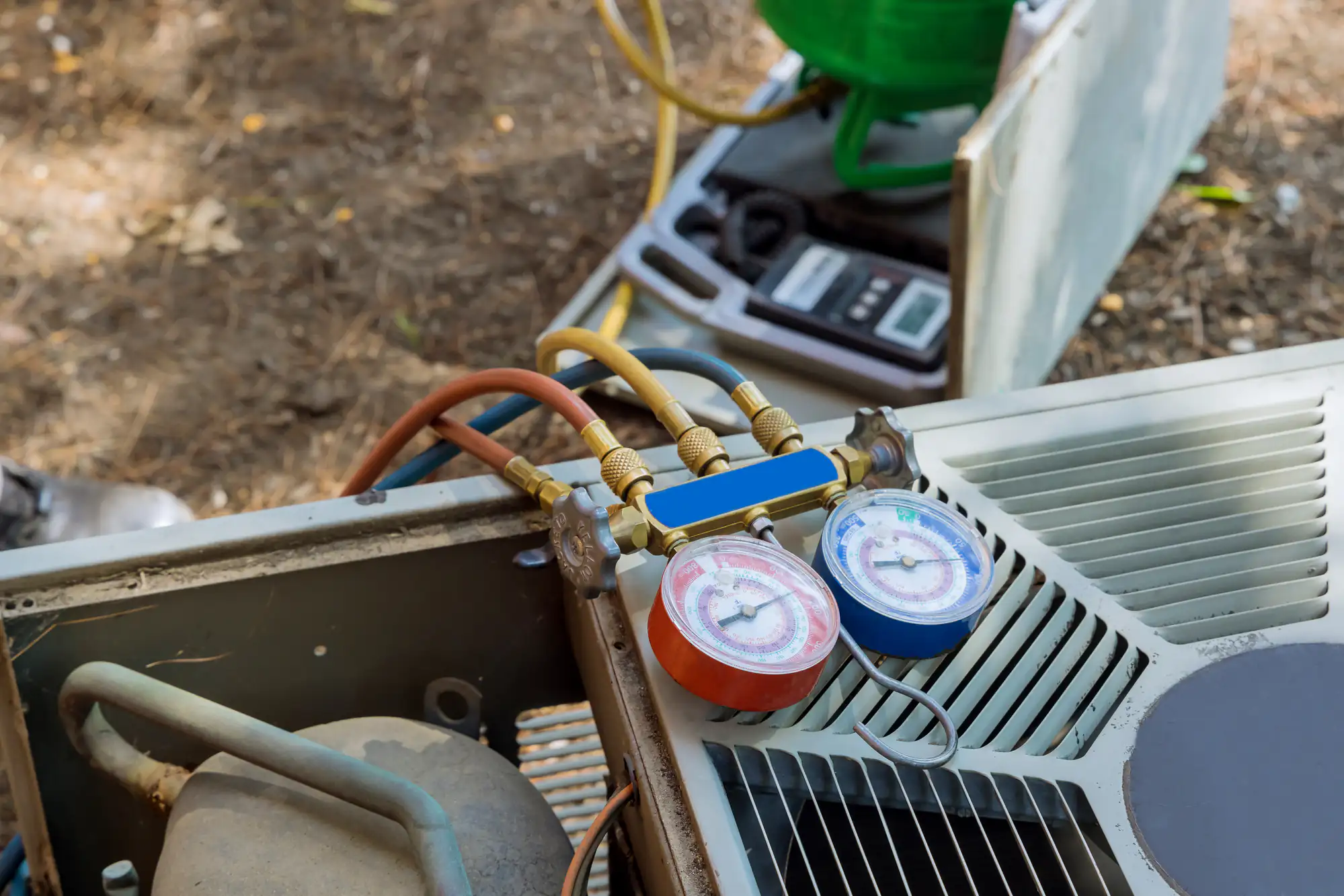
Our technician shows up with the tools and experience to diagnose the actual problem, not just the symptoms. If your AC is blowing warm air, we’re checking refrigerant levels, compressor function, and airflow restrictions. If your furnace won’t turn on, we’re testing ignition systems, gas flow, and safety switches. You get a clear explanation of what’s wrong and what it’ll cost to fix before any work starts.
Once you approve, we complete the repair or installation. For hvac replacement projects, we help you understand your options, including modern heat pump systems that can cut your energy consumption significantly. We test everything before we leave, answer your questions, and make sure you know how to get the most efficiency from your system.
If you’re looking at preventive maintenance, we inspect your entire system, catch small issues before they become expensive failures, and keep your equipment running efficiently through every season.
Ready to get started?
You get comprehensive heating and cooling services that cover everything your Stewart Manor home needs. Air conditioning repair when your system stops cooling, makes strange noises, or cycles on and off constantly. Furnace installation and replacement when your heating system is past the point where repairs make financial sense, usually around 15-20 years or when repair costs hit 30-40% of replacement cost.
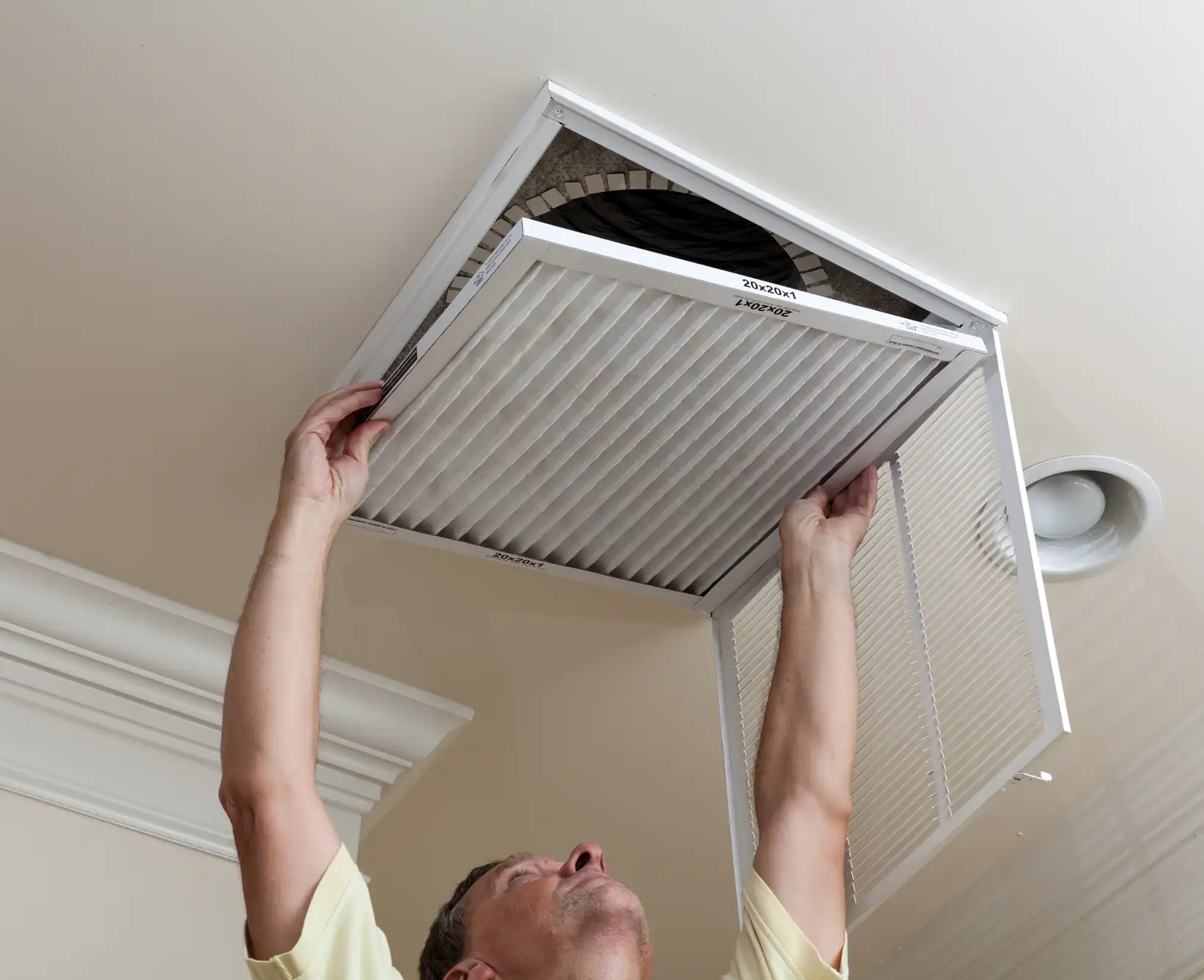
Indoor air quality solutions matter more than most homeowners realize. If you’re seeing dust near your registers, dealing with persistent stuffiness, or noticing uneven temperatures between rooms, your ductwork and filtration need attention. We assess airflow, check for leaks, and recommend improvements that actually make a difference.
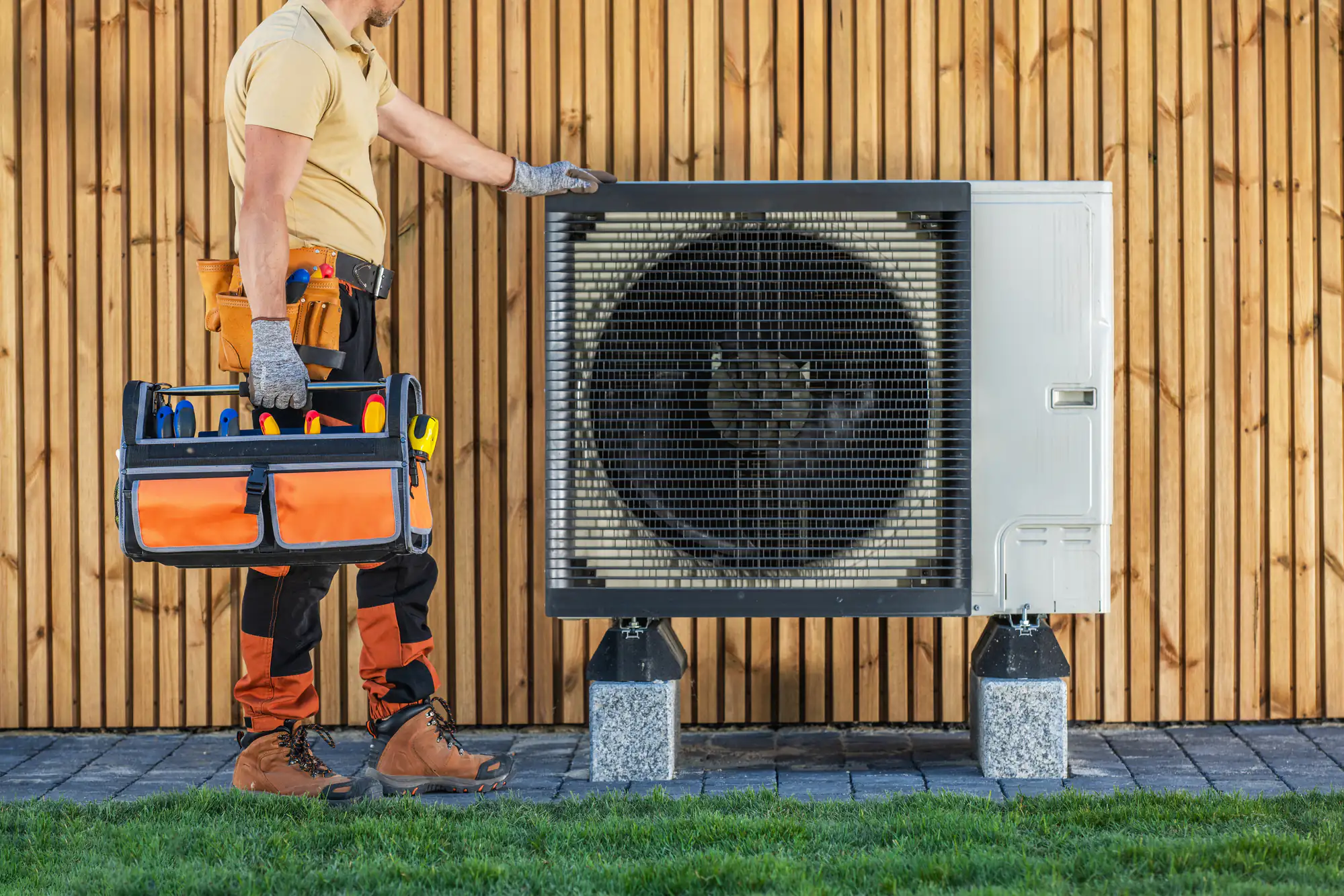
Heat pump installation is becoming the smart choice for Long Island homeowners. These systems heat and cool your home while using significantly less energy than traditional furnaces and air conditioners. With energy costs where they are, a modern heat pump can save you hundreds annually while keeping you comfortable year-round.
Stewart Manor’s older homes often have ductwork that doesn’t match current cooling needs because of additions or renovations. We evaluate your entire system, identify where you’re losing efficiency, and fix the root causes instead of just treating symptoms.
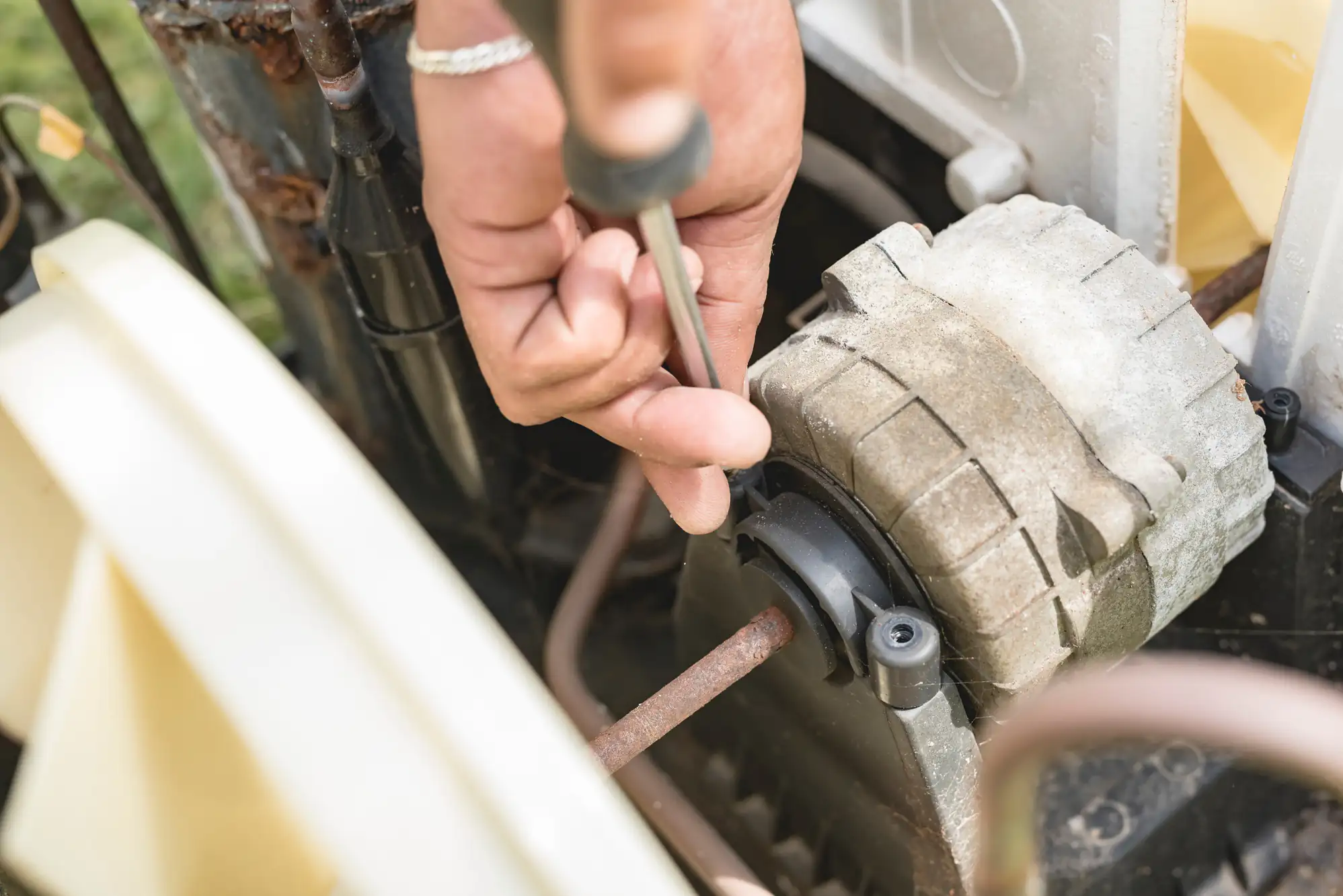
If your system is less than 12 years old and the repair costs less than a few hundred dollars, fixing it usually makes sense. You’re dealing with normal wear on parts that are designed to be replaced periodically.
Once your system passes 15 years and you’re facing a repair that costs more than 30-40% of what a new system would cost, replacement becomes the smarter financial decision. You’re not just paying for one fix—you’re likely looking at a pattern of increasingly expensive repairs as other components start failing.
Watch your energy bills too. If they’ve climbed significantly even though your usage hasn’t changed, your system is losing efficiency. Older systems often cost you more in wasted energy over a few years than a new high-efficiency system would cost upfront. Modern systems with high SEER2 ratings can cut your cooling costs substantially, and heat pumps can reduce your heating costs by 30-40% compared to older furnaces.
A traditional setup uses a furnace for heating and a separate air conditioner for cooling. Your furnace burns gas or oil to create heat, while your AC uses electricity to remove heat from your home in summer. You’re maintaining two different systems.
A heat pump handles both heating and cooling in one unit. It moves heat rather than creating it—pulling heat from outside air into your home in winter and reversing the process in summer. Even when it’s cold outside, there’s heat energy in the air that the system can extract and concentrate.
For Stewart Manor’s climate, modern cold-climate heat pumps work efficiently even when temperatures drop well below freezing. You’ll use significantly less energy because you’re moving heat instead of generating it through combustion. Many homeowners see their heating costs drop by a third or more after switching from an older furnace to a heat pump system. The upfront cost is higher than replacing a furnace alone, but the energy savings typically pay that difference back within a few years.
Your heating system needs professional maintenance once a year, ideally in early fall before you start using it regularly. That timing lets you catch problems before the coldest weather hits and service calls become emergencies.
During a maintenance visit, we clean components, test safety systems, check for gas leaks or carbon monoxide risks, inspect heat exchangers for cracks, and ensure your system is running at proper efficiency. These aren’t just checkboxes—each one prevents specific failures that leave you without heat or create safety hazards.
Only about 30% of homeowners schedule regular maintenance, which is why so many people end up with emergency breakdowns. The cost of an annual maintenance visit is a fraction of what you’ll pay for an emergency repair, and it extends your system’s lifespan by years. You’ll also keep your energy bills lower because a well-maintained system doesn’t have to work as hard to heat your home. Most furnace manufacturers require proof of annual maintenance to keep warranties valid, so skipping it can cost you coverage when you need it most.
Rising energy bills with unchanged usage usually mean your system is losing efficiency. As components age and wear, your HVAC has to run longer to achieve the same temperature, burning more energy to do the same job it used to do easily.
Common culprits include dirty or clogged filters forcing your system to work harder to move air, refrigerant leaks making your AC run constantly without cooling effectively, ductwork leaks losing conditioned air before it reaches your rooms, and failing motors or compressors that draw more electricity as they struggle. Each of these makes your system less efficient, and they often happen gradually so you don’t notice until your bills have climbed significantly.
In Nassau County, where summer humidity and winter cold put heavy demands on HVAC systems, efficiency losses add up fast. A system that’s 20-30% less efficient than it should be can cost you an extra $50-100 per month depending on the season. Getting a professional assessment identifies exactly where you’re losing efficiency so you can decide whether repairs will solve it or whether you’ve reached the point where a new high-efficiency system will pay for itself through lower bills.
First, check your thermostat to make sure it’s set to cooling mode and the temperature setting is below your current room temperature. Check your circuit breaker to see if the AC tripped it—if it did, reset it once, but if it trips again immediately, don’t keep resetting it because that indicates an electrical problem that needs professional attention.
Look at your air filter. If it’s completely clogged, your system might have shut down to protect itself from overheating. Replace it with a clean filter and see if the system starts working again. Check your outdoor unit to make sure nothing is blocking airflow around it and that it’s actually running when your thermostat calls for cooling.
If none of those basic checks solve the problem, you need a technician. Common failures during heat waves include compressor issues, refrigerant leaks, frozen evaporator coils from restricted airflow, and capacitor failures that prevent your system from starting. These aren’t DIY fixes—they require proper diagnosis and often specialized tools and refrigerant handling. Call for emergency service rather than suffering through dangerous heat, especially if you have elderly family members or health conditions that make extreme temperatures risky. We’re available 24/7 because we know AC failures don’t wait for convenient times.
Indoor air quality starts with your HVAC system because it’s constantly circulating air throughout your home. Upgrading to high-efficiency filters captures more dust, pollen, and airborne particles, but you need to change them regularly—a clogged filter makes air quality worse and reduces system efficiency.
If you’re seeing dust near your registers or dealing with persistent stuffiness, your ductwork likely has leaks. Conditioned air escapes before reaching your rooms, and unconditioned air from your attic or crawlspace gets pulled into the system, bringing dust and allergens with it. Sealing ductwork properly improves both air quality and efficiency.
Humidity control matters significantly in Nassau County’s climate. Too much humidity in summer creates conditions for mold growth and makes your home feel uncomfortable even at reasonable temperatures. Too little humidity in winter from heating systems dries out your respiratory system and makes you more susceptible to illness. Whole-home humidifiers and dehumidifiers integrated with your HVAC system maintain ideal humidity levels year-round. UV air purifiers installed in your ductwork kill bacteria, viruses, and mold spores as air passes through. These solutions address air quality at the source rather than just masking symptoms with air fresheners or portable units that only treat one room.