Hear from Our Customers
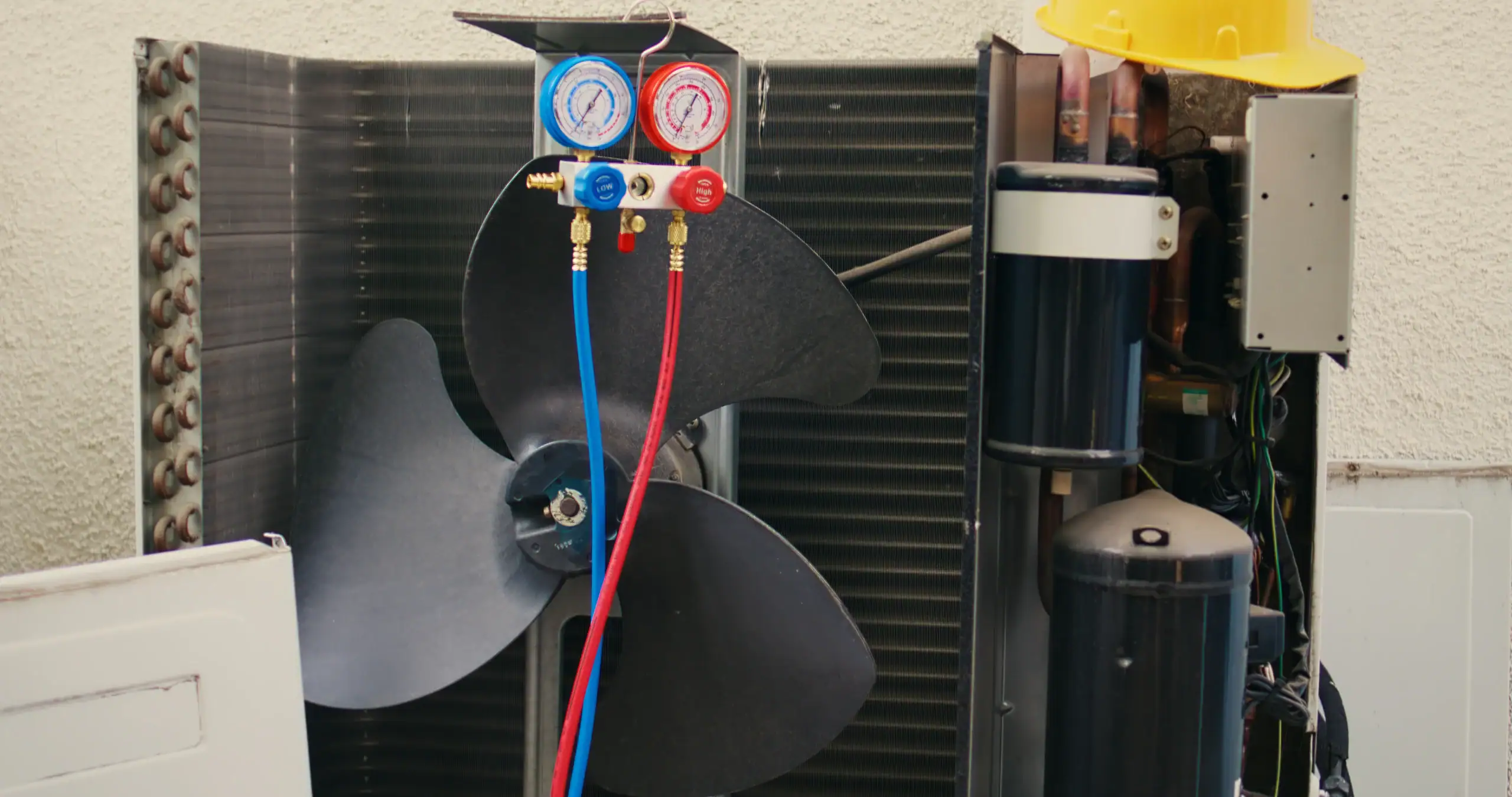
Your boat’s refrigeration system faces challenges no home unit ever will. Constant motion, salt air corrosion, limited electrical capacity, and temperature swings that would destroy residential equipment. Most marine refrigeration companies install systems that work until they don’t.
We design boat refrigeration systems that handle Long Island’s summer heat, winter storage cycles, and everything the marine environment throws at them. Your galley stays cold, your provisions stay fresh, and you stay on the water instead of waiting for repairs.
When other systems fail during peak boating season, ours keep running. That’s the difference between understanding marine refrigeration theory and actually working on boats for over four decades.
We’ve been the region’s trusted marine refrigeration specialist since the early 1980s. We’ve handled everything from small cabin refrigerators to complex yacht galley systems across Long Island’s marinas and yacht clubs.
Woodmere’s boating community knows us because we show up when others don’t. While competitors maintain weeks-long service backlogs, we respond to emergency calls within hours. Our technicians understand the unique challenges of marine installations—from Woodmere Bay Yacht Club to the marinas throughout Nassau County.
We’re not the cheapest option, and that’s intentional. You’re investing in marine-grade components, certified technicians, and systems designed specifically for saltwater environments. The result is refrigeration that works when you need it most.
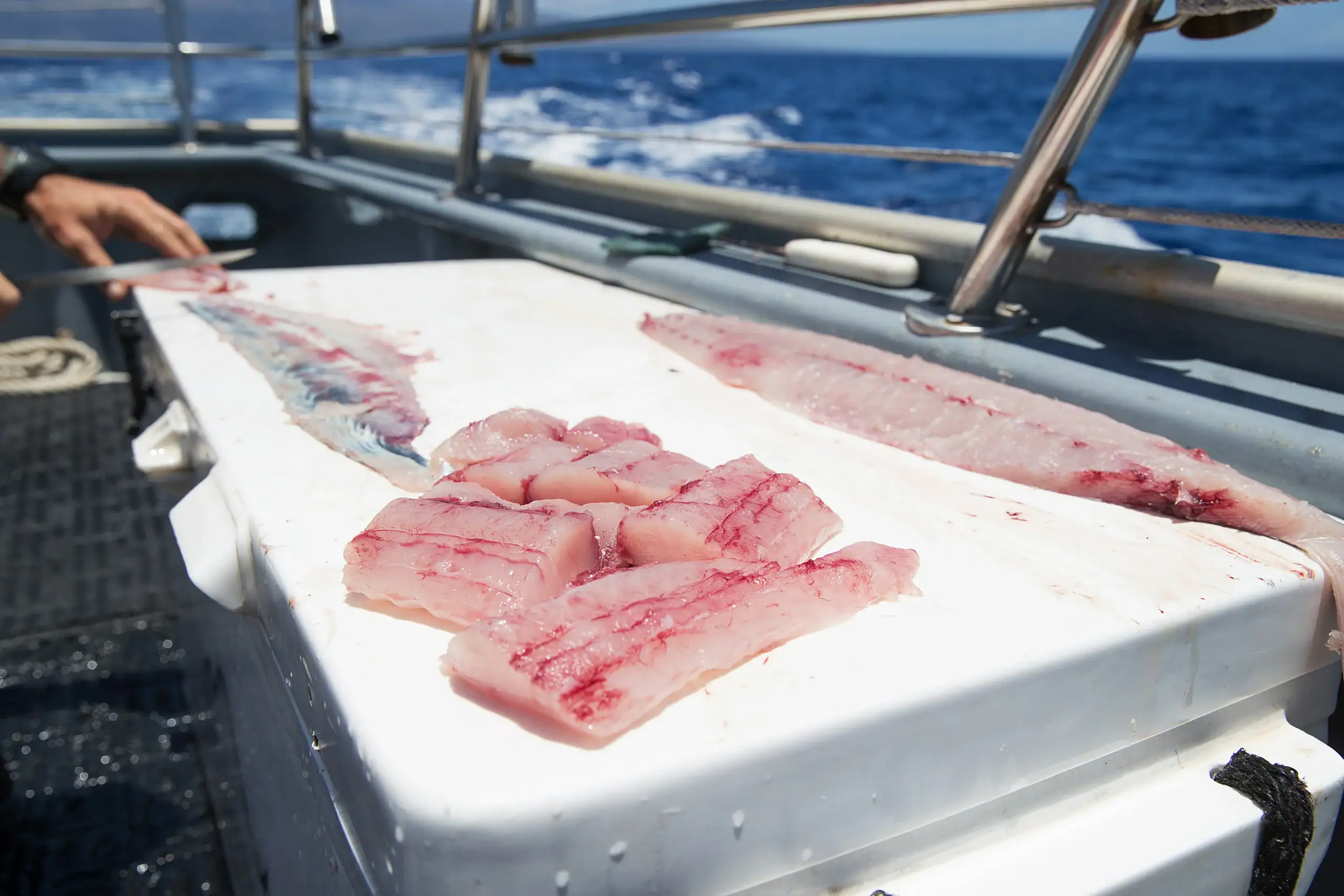
Every marine refrigeration project starts with understanding your boat’s electrical capacity, available space, and how you actually use your vessel. A weekend fishing boat needs different cooling capacity than a live-aboard yacht, even with similar galley space.
Our technicians assess your power systems, ventilation requirements, and installation constraints before recommending equipment. We use marine-grade components designed for constant motion, salt air exposure, and the temperature variations your boat experiences.
Installation involves securing systems with vibration-resistant mounting, ensuring proper ventilation for heat removal, and connecting to your boat’s electrical system without overloading circuits. We test everything under actual operating conditions before considering the job complete. The result is refrigeration that maintains consistent temperatures whether you’re docked or anchored offshore.
Ready to get started?
Marine refrigeration service goes beyond basic repairs. We handle complete system diagnostics, refrigerant leak detection, compressor replacement, and electrical troubleshooting specific to marine installations. Our service vehicles carry parts for major marine refrigeration brands because waiting days for components isn’t acceptable when your provisions are at risk.
Long Island’s marine environment creates unique challenges for boat refrigeration systems. Salt air accelerates corrosion, constant motion stresses connections, and limited electrical capacity requires energy-efficient solutions. We address these factors during every service call, not just the immediate problem.
Emergency service is available 24/7 during boating season because refrigeration failures don’t respect business hours. Whether you’re dealing with a failed compressor at your Woodmere marina slip or need emergency cooling repair while anchored in Great South Bay, we respond with the tools and expertise needed to get your system running.
With proper maintenance, quality marine refrigeration systems last 10-15 years minimum. The key word is “proper”—most boat owners skip maintenance until something breaks, then wonder why their five-year-old system needs major repairs.
Long Island’s marine climate is particularly tough on refrigeration equipment. Summer heat makes compressors work harder, salt air corrodes components, and constant motion stresses connections. We recommend professional maintenance twice yearly for most recreational boats, more frequently for commercial vessels or live-aboards.
Our maintenance customers routinely get 15+ years from their equipment because we catch small problems before they become expensive failures. The upfront cost of maintenance is nothing compared to replacing a marine refrigeration system five years early or losing a weekend on the water to equipment failure.
Marine refrigeration systems must withstand conditions that would destroy home refrigerators within months. Constant motion, salt air exposure, limited electrical capacity, and extreme temperature variations require completely different engineering approaches.
Marine systems use specialized compressors designed for DC power operation, vibration-resistant mounting systems, and corrosion-resistant components. They also need proper ventilation systems that work in confined spaces and electrical connections that handle boat power limitations without overloading circuits.
The installation requirements are equally different. Marine refrigeration needs waterproof connections, proper drainage, and mounting systems that secure equipment during rough conditions. This is why attempting to adapt residential refrigeration equipment for marine use typically results in premature failure and costly repairs.
Most marine refrigeration systems draw 3-8 amps on 12V DC systems, but actual power consumption depends on system size, insulation quality, and operating conditions. Energy-efficient models with variable-speed compressors can significantly reduce power consumption compared to older systems.
Power management is critical for boats operating on battery power while anchored. Poor insulation, oversized systems, or failing components can drain batteries quickly. We size systems based on your boat’s electrical capacity and typical usage patterns to ensure reliable operation without overwhelming your charging systems.
Modern marine refrigeration systems are designed for energy efficiency, but proper installation and maintenance are essential for optimal performance. Systems with good insulation, proper ventilation, and correctly sized components typically operate efficiently even during extended anchoring periods with solar or generator charging.
Yes, modern marine refrigeration systems are specifically designed to operate independently from shore power or engine operation. They can run on battery power, solar charging systems, generators, or combinations of these power sources during extended anchoring periods.
The key is having adequate battery capacity and charging capability for your refrigeration load. Most recreational boats can support marine refrigeration for several days while anchored, especially with solar panels or occasional generator operation to maintain battery charge.
Energy-efficient marine refrigeration systems with proper insulation and correctly sized components minimize power consumption while maintaining consistent temperatures. We help boat owners design electrical systems that support reliable refrigeration operation regardless of power source, ensuring your provisions stay fresh during extended cruising.
The most common issues are inadequate cooling from dirty condenser coils, refrigerant leaks from corrosion or vibration damage, and electrical problems from poor connections or overloaded circuits. These problems often develop gradually, then fail completely at the worst possible times.
Door seal failures are another frequent issue, especially on older systems. Compromised seals allow cold air to escape, making systems work harder and consume more power while providing less cooling. Salt air and UV exposure accelerate seal deterioration compared to residential applications.
Compressor failures typically result from poor maintenance, electrical problems, or systems operating beyond their design capacity. Most marine refrigeration problems are preventable with proper maintenance and professional service, but many boat owners wait until complete failure before addressing developing issues.
We provide 24/7 emergency service during boating season with typical response times of 2-4 hours for the Woodmere area. Our service vehicles are fully stocked with common marine refrigeration parts to handle most repairs on the first visit.
Emergency service is critical for marine refrigeration because failures often occur during peak usage periods when provisions are most at risk. We understand that waiting days for service isn’t acceptable when you’re dealing with spoiled food or medications that require refrigeration.
Our mobile service capability means we come to your marina, dock, or mooring location with the tools and expertise needed to diagnose and repair marine refrigeration systems on-site. For complex repairs requiring shop work, we provide temporary cooling solutions to protect your provisions until permanent repairs are completed.