Hear from Our Customers
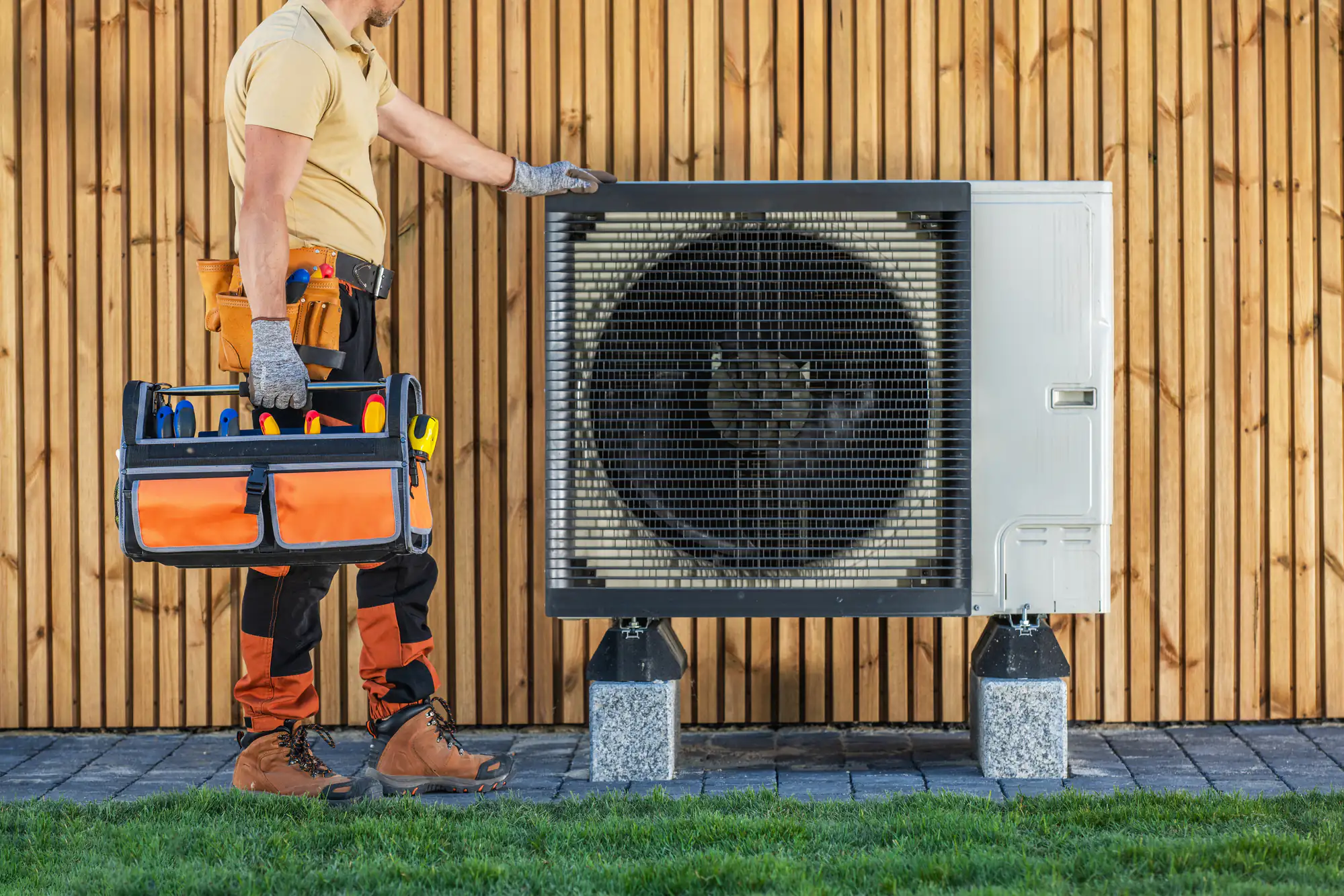
Your energy bills drop when your system runs efficiently. That’s not marketing talk—it’s what happens when equipment is sized correctly, installed properly, and maintained by people who know what they’re doing.
You stop worrying about breakdowns during the worst possible times. July heatwaves and January cold snaps don’t care about your schedule, but a well-maintained system rarely fails when you need it most.
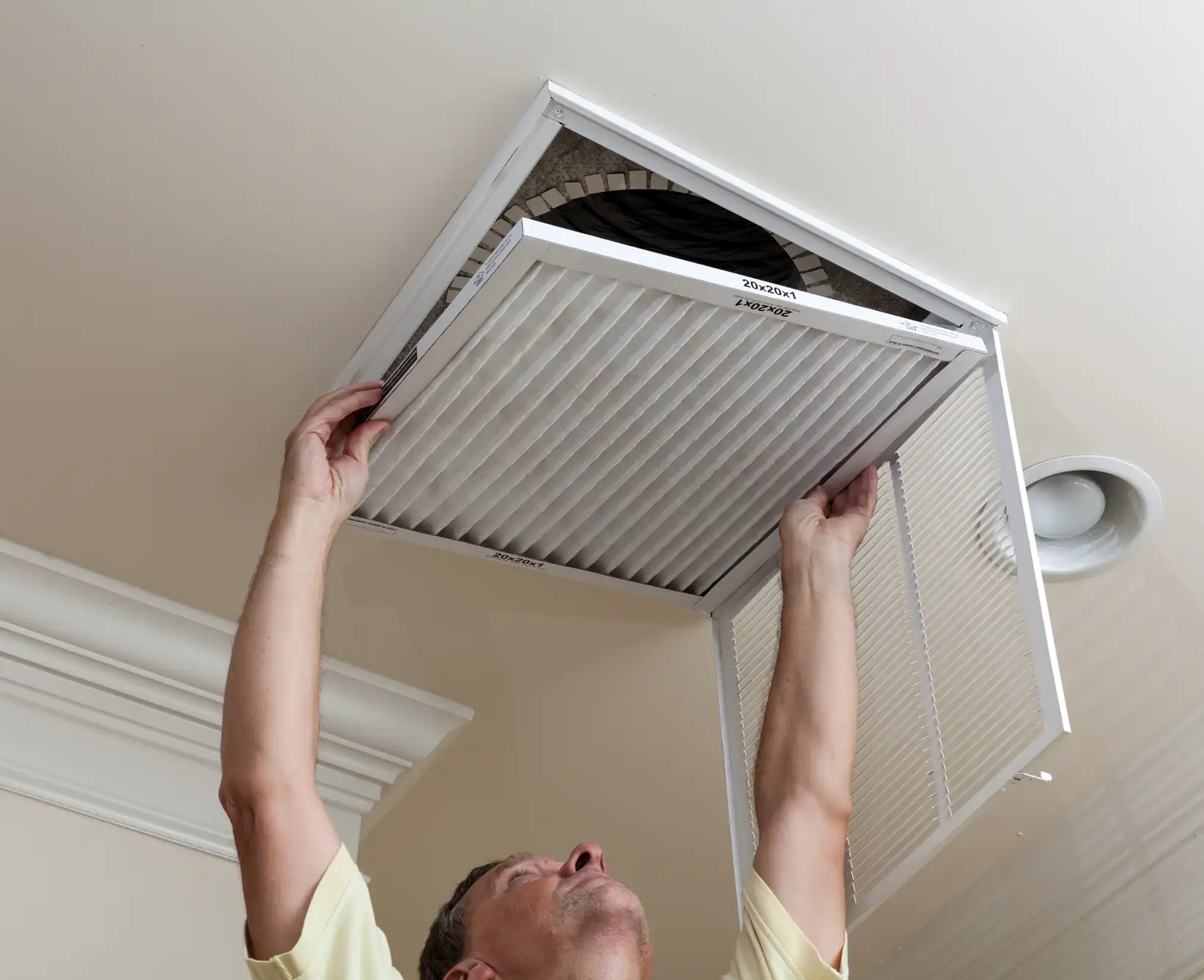
Your home feels comfortable in every room, not just near the thermostat. Poor installation creates hot spots and cold zones. Proper HVAC work eliminates them. And if you’ve been dealing with dust, allergens, or that musty smell that won’t go away, modern filtration and humidity control can actually fix those problems—not just mask them.
The average Woodmere home is worth over $600,000. Protecting that investment means more than fresh paint and landscaping. It means mechanical systems that work reliably and add value when you eventually sell.
We’ve been handling heating and cooling across Nassau County since before most HVAC companies existed. We’ve worked on everything from marine air conditioning systems to commercial refrigeration, which means residential work—even complex residential work—is well within our wheelhouse.
Woodmere homeowners deal with specific challenges. You’re close enough to the water that humidity matters. Your homes are large enough that single-zone systems often don’t cut it. And your expectations are high, which is exactly how it should be when you’re investing in major mechanical systems.
We’re available 24/7 for emergencies because air conditioning failures don’t wait for business hours. We provide free estimates because you deserve to know what something costs before committing. And we’ve earned dozens of five-star reviews by doing what we say we’ll do, when we say we’ll do it.
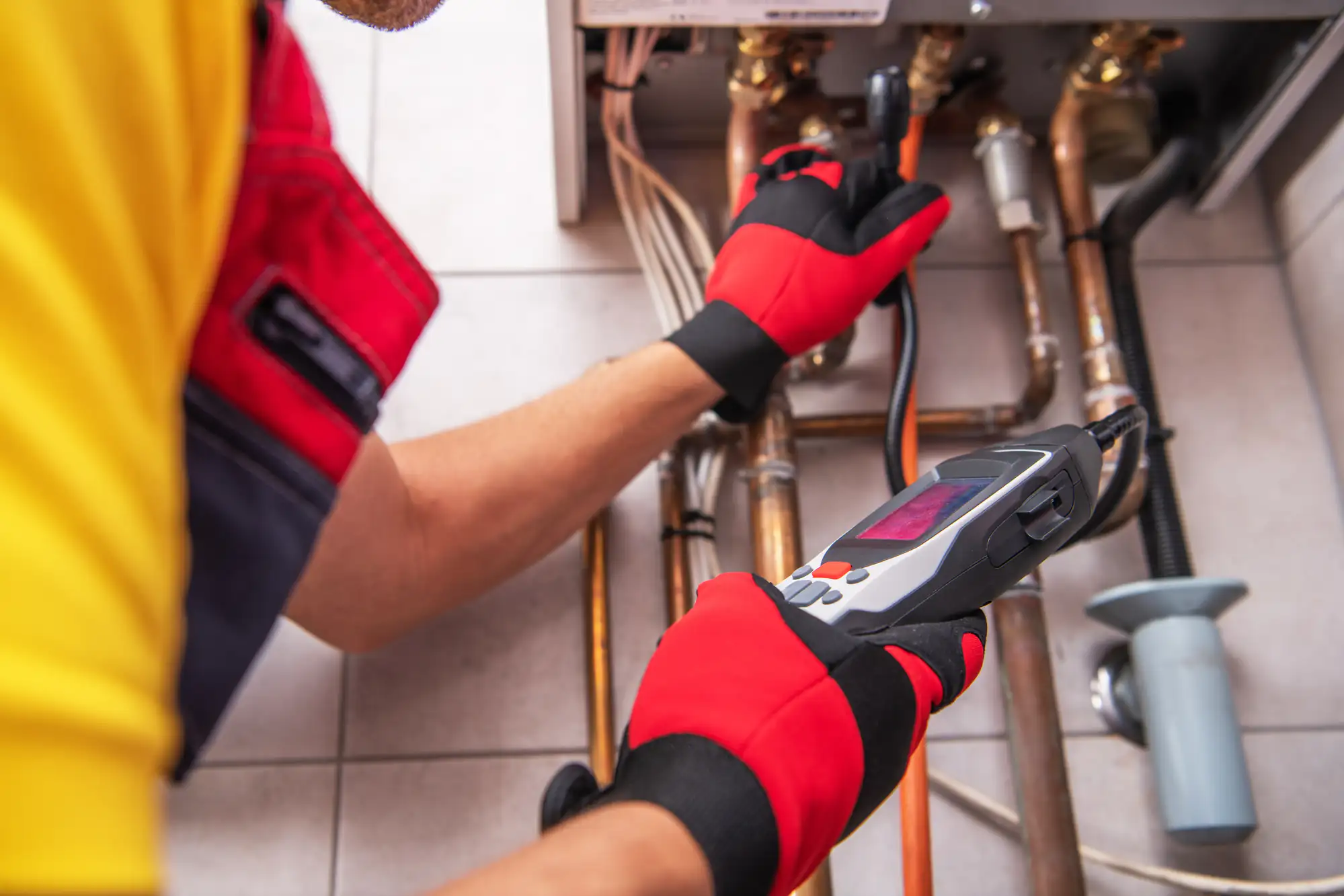
First, we look at what you have and what you need. That means checking your current system, measuring your space, and asking about the problems you’re experiencing. If your second floor is always hot or your system runs constantly without cooling properly, there’s a reason—and we find it.
Next, we give you options. Maybe your furnace just needs a repair. Maybe it’s time for a replacement. Maybe your ductwork is the real problem, not your equipment. We’ll tell you what makes sense for your situation and your budget, not what makes us the most money.
Installation happens on your timeline, not ours. We coordinate around your schedule, protect your floors and walls, and clean up completely when we’re done. If we’re replacing a full system, you’ll know exactly how long it takes and what to expect each day.
After installation, we test everything. Airflow, refrigerant levels, thermostat calibration—all of it gets checked before we consider the job complete. Then we show you how to use your new system and explain what maintenance it needs to last as long as possible.
Ready to get started?
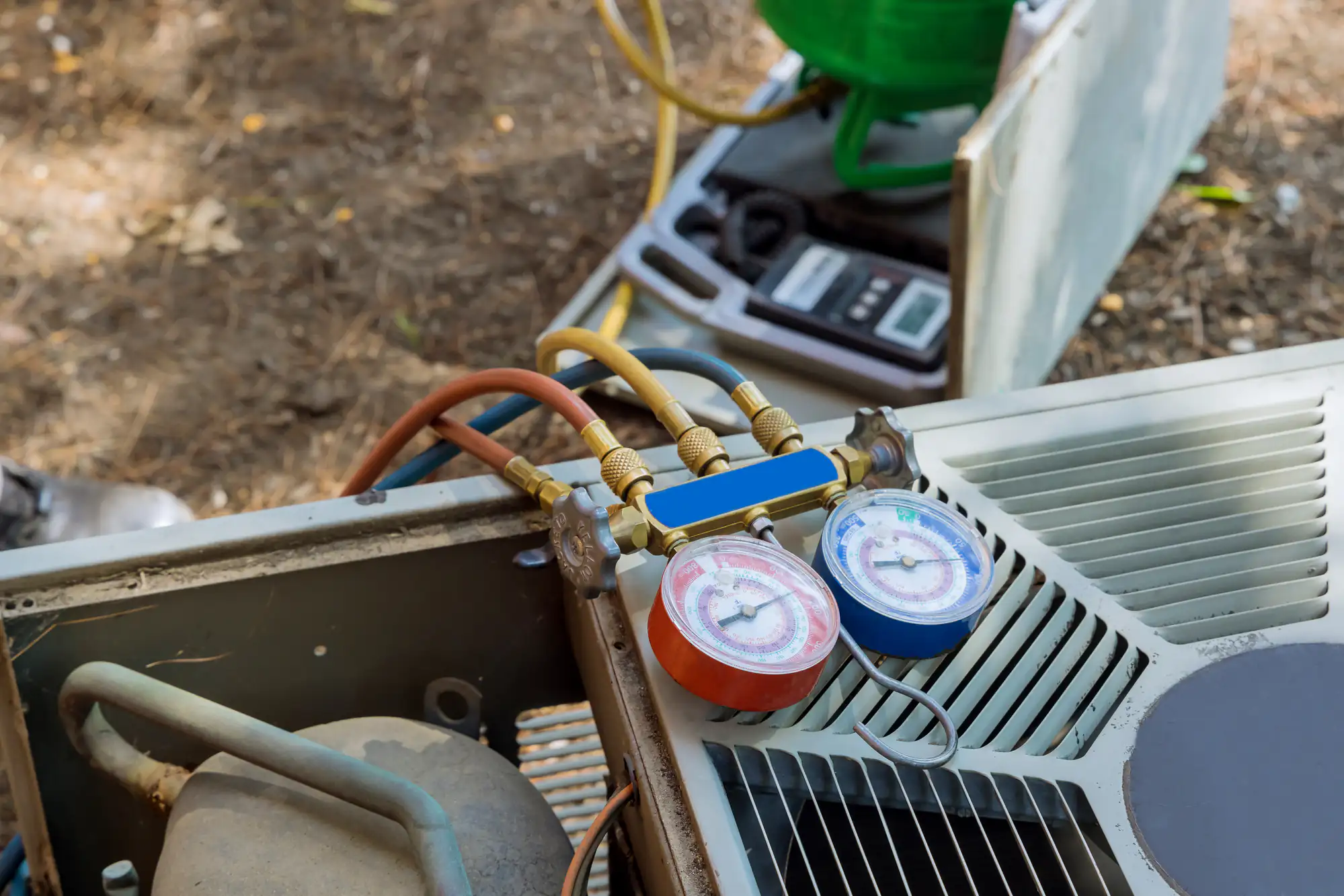
You get air conditioning repair when your system stops cooling or starts making sounds it shouldn’t. We handle refrigerant leaks, compressor failures, electrical issues, and airflow problems. Most repairs happen the same day you call.
Furnace installation and heating system maintenance keep you warm when Long Island temperatures drop into the teens and twenties. We work with gas furnaces, heat pumps, and ductless mini-split systems. If your current heating setup struggles to keep up or costs too much to run, we’ll show you what newer, energy-efficient options can do.
HVAC replacement becomes necessary when repair costs start approaching replacement costs, or when your system is old enough that parts are hard to find. We’ll walk you through sizing, efficiency ratings, and what different systems actually cost to operate in Woodmere’s climate.
Indoor air quality improvements matter more than most people realize. Whole-home air purifiers, UV lights, and humidity control systems can eliminate the allergens and contaminants that old HVAC systems just recirculate. If anyone in your house deals with allergies or asthma, this isn’t optional—it’s essential.
Full system replacement typically runs between $8,000 and $18,000 for most Woodmere homes, depending on size, equipment quality, and installation complexity. A basic 2,000-square-foot home with straightforward ductwork sits on the lower end. Larger homes, multi-zone systems, or high-efficiency equipment push costs higher.
That range includes removal of your old system, new equipment, installation labor, permits, and startup. It doesn’t include ductwork replacement, which adds cost if your ducts are damaged or poorly designed. It also doesn’t include indoor air quality upgrades like whole-home purifiers or humidifiers, though many homeowners add those during installation.
Energy-efficient systems cost more upfront but can cut your utility bills by 20% to 50%. For a Woodmere home spending $250 monthly on heating and cooling, that’s $600 to $1,500 in annual savings. The payback period matters, and we’ll show you the math before you decide.
If your AC is over 12 years old and the repair costs more than half of a new system, replacement makes more financial sense. Air conditioners lose efficiency as they age, and parts for older units become expensive and hard to find.
Frequent breakdowns signal the end is near. If you’re calling for repairs multiple times per season, you’re throwing money at a system that’s failing. One major repair might be worth it. Three or four smaller ones in two years means it’s time to move on.
Rising energy bills often indicate declining efficiency. If your summer electric bills have climbed significantly but your usage hasn’t changed, your AC is working harder to do the same job. Newer systems use 30% to 50% less energy than units from the mid-2010s, which translates directly to lower monthly costs.
Call immediately if your furnace is producing carbon monoxide, which you’ll notice as a yellow or flickering pilot light, soot around the furnace, or if your CO detector goes off. That’s not a “wait until morning” situation—it’s a safety emergency.
Complete AC failure during a heatwave qualifies as urgent, especially if you have young children, elderly family members, or health conditions affected by heat. Nassau County summers regularly hit the 90s with high humidity. That’s not just uncomfortable—it’s dangerous for vulnerable people.
Everything else can probably wait until normal business hours, though you’ll be more comfortable if you don’t. A furnace making strange noises or an AC that’s cooling poorly won’t get better on its own, but it’s unlikely to cause immediate harm. We’re available 24/7 because we know the difference between “needs fixing soon” and “needs fixing now,” and we’ll tell you honestly which category you’re in.
Proper sizing requires a load calculation based on your home’s square footage, insulation, window placement, ceiling height, and air leakage. There’s no accurate shortcut. Rules of thumb like “one ton per 500 square feet” ignore too many variables and often lead to oversized systems that cost more and perform worse.
Oversized systems cool quickly but shut off before removing humidity, leaving your home clammy and uncomfortable. They also cycle on and off more frequently, which wears out components faster and wastes energy. Undersized systems run constantly without reaching your target temperature, especially during extreme weather.
Most Woodmere homes between 2,000 and 3,000 square feet need a 3- to 4-ton system, but that’s a starting point, not a final answer. Older homes with poor insulation need more capacity. Newer, well-insulated homes need less. We measure and calculate before recommending equipment because guessing costs you money either way.
Annual maintenance before heating season starts—ideally in September or October—keeps your furnace running efficiently and catches small problems before they become expensive failures. Most manufacturers require annual service to keep warranties valid, so skipping it can cost you coverage when you need it most.
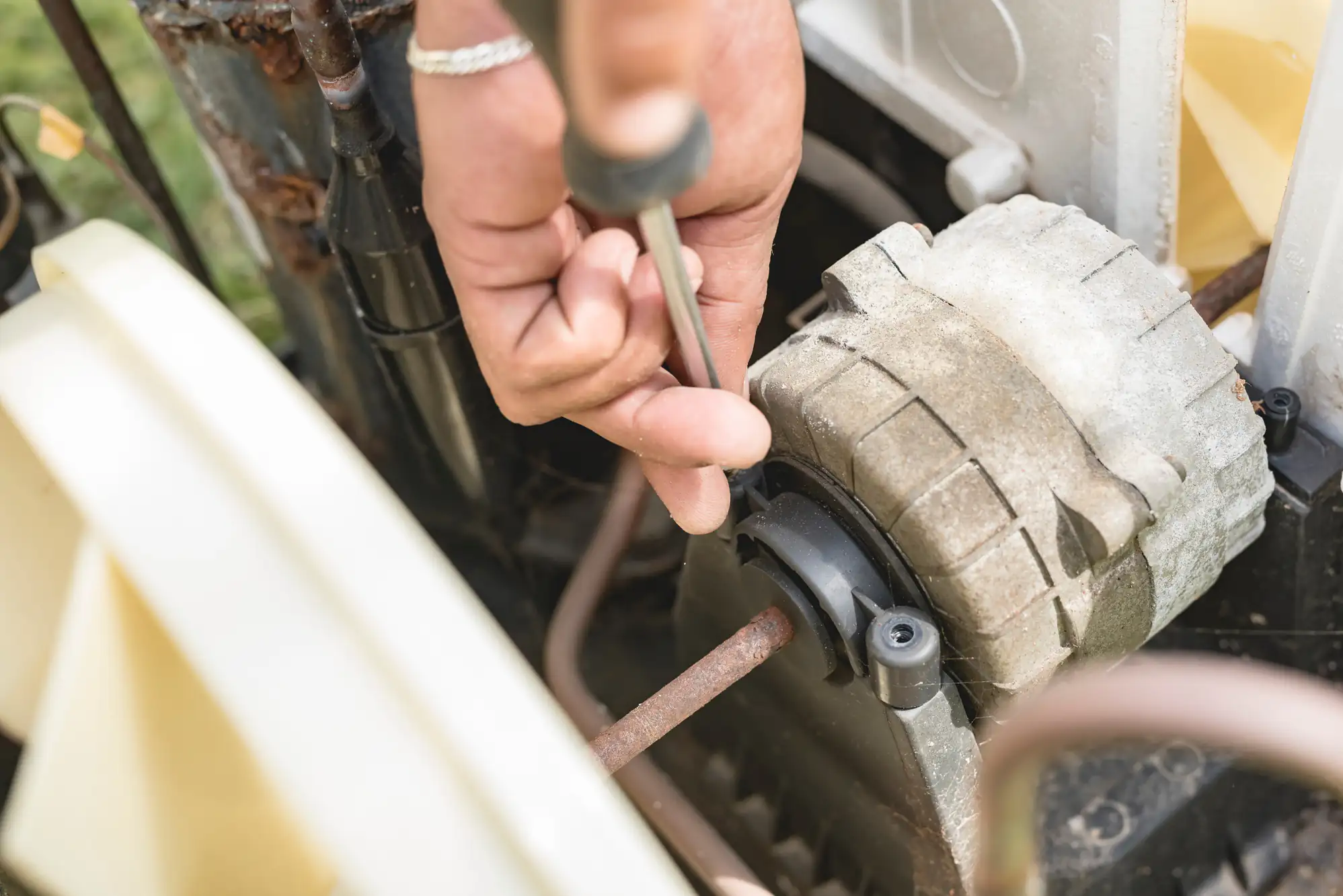
Maintenance includes cleaning burners, checking gas pressure, testing safety controls, inspecting the heat exchanger for cracks, and verifying proper airflow. These aren’t things you can do yourself, and they directly affect both safety and efficiency. A cracked heat exchanger can leak carbon monoxide. Dirty burners waste fuel and produce uneven heat.
Homes with heat pumps benefit from twice-yearly service—once before cooling season, once before heating season—because the equipment works year-round. Ductless mini-splits need filter cleaning every few months, which you can handle yourself, plus annual professional maintenance for the outdoor unit and refrigerant check.
If you’re replacing a system that’s 10 to 15 years old, yes—expect to see 20% to 40% lower heating and cooling costs with a high-efficiency replacement. Older systems lose efficiency as components wear out, refrigerant leaks slowly, and motors work harder to move the same amount of air.
The exact savings depend on what you’re replacing and what you’re installing. Upgrading from a 10 SEER air conditioner to an 18 SEER model cuts cooling costs nearly in half. Switching from an 80% efficiency furnace to a 95% model reduces heating costs by about 15%. Heat pumps can save even more in moderate climates, though Long Island winters sometimes require backup heat.
Your home’s insulation, air sealing, and ductwork condition matter as much as the equipment itself. The most efficient HVAC system in the world won’t perform well if half the conditioned air leaks into your attic. We’ll tell you if other improvements should happen first, because spending $15,000 on new equipment when $2,000 in air sealing would solve the problem doesn’t make sense for anyone.