Hear from Our Customers
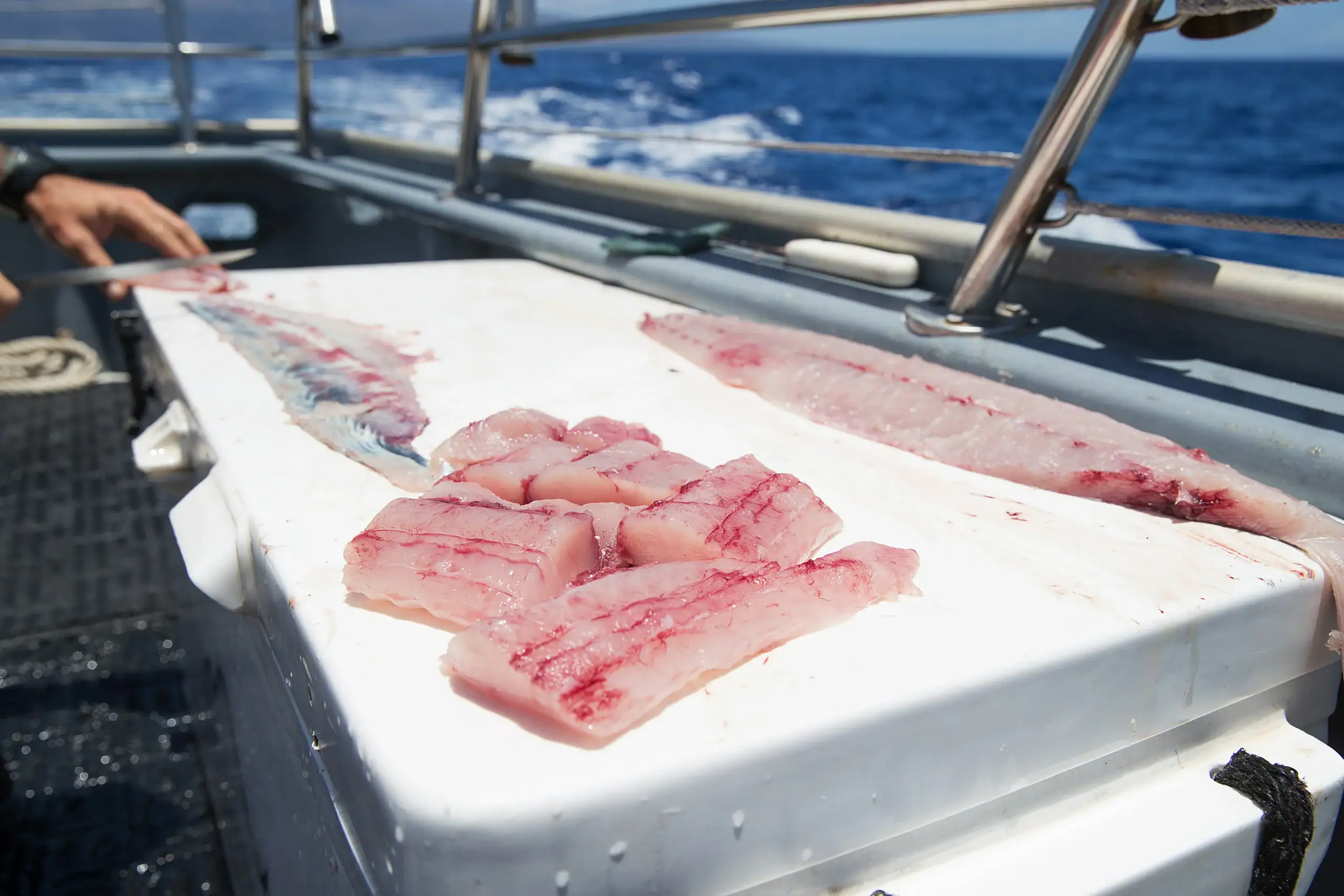
Your boat’s refrigeration isn’t a luxury when you’re storing catch, keeping provisions cold, or trying to make it through a July afternoon on the water. It’s essential. When it fails, you’re not just uncomfortable—you’re losing money, wasting time, and dealing with spoiled inventory or unhappy passengers.
We handle marine refrigeration and boat air conditioning the way it should be done: with actual marine expertise, not guesswork from someone who usually works on houses. That means understanding seawater cooling systems, dealing with salt corrosion, and knowing why your compressor keeps tripping or your condenser coils are clogged with marine growth.
You get systems that cool properly in warm water conditions. Repairs that address the root cause, not just the symptom. Maintenance that prevents the next breakdown instead of waiting for it to happen. After we’re done, your equipment works the way it’s supposed to—and keeps working through the conditions Long Island waters throw at it.
Chill Xpert Solutions has spent over 40 years working on marine HVAC and commercial refrigeration systems across the Greater New York area. We’re not general contractors trying to figure out boat systems on your dime. We’re specialists who’ve seen every failure mode, every quirky install, and every shortcut that comes back to haunt you three seasons later.
We serve Wyandanch and the surrounding Suffolk County communities because we know the marine environment here. The marinas, the water conditions, the seasonal demands that push equipment to its limits. Our team handles everything from emergency repairs on systems that quit mid-voyage to preventive maintenance that keeps your equipment running year after year. We’re available 24/7 for consulting because marine emergencies don’t wait for Monday morning.
You’ll find us working on charter boats, fishing vessels, live-aboard yachts, and commercial marine operations throughout Long Island. We’ve earned dozens of five-star reviews by being straight with people, showing up when we say we will, and fixing things right the first time.
You contact us with a problem—no cooling, strange noises, water leaks, whatever’s going wrong. We ask the right questions to understand what you’re dealing with, and we schedule a time that works for you. If it’s an emergency, we move faster.
When we arrive, we start with a proper diagnostic. We’re checking water flow through your seawater cooling system, inspecting your sea strainer for clogs, testing your compressor function, measuring temperature differentials, and looking for the marine growth and scale buildup that cause most failures. We’re not guessing. We’re following a methodical process that comes from four decades of doing this work.
Once we know what’s wrong, we explain it to you in plain language. What failed, why it failed, what it’ll take to fix it, and what it costs. You get a free estimate before any repair work starts. No surprises, no upselling, no pressure. If you want to move forward, we complete the repair with quality parts and proper technique. We test everything before we leave, and we make sure you understand how to maintain it going forward.
For installations, we design the system based on your specific vessel, usage patterns, and cooling requirements. We handle the technical details—sizing, placement, seawater intake, electrical requirements—so you get a system that actually works in real-world conditions.
Ready to get started?
We handle the full scope of marine refrigeration and boat HVAC work. That includes emergency repairs when your system fails, scheduled maintenance to prevent failures, new installations for vessels that need climate control, and system upgrades when your current equipment can’t keep up with demand.
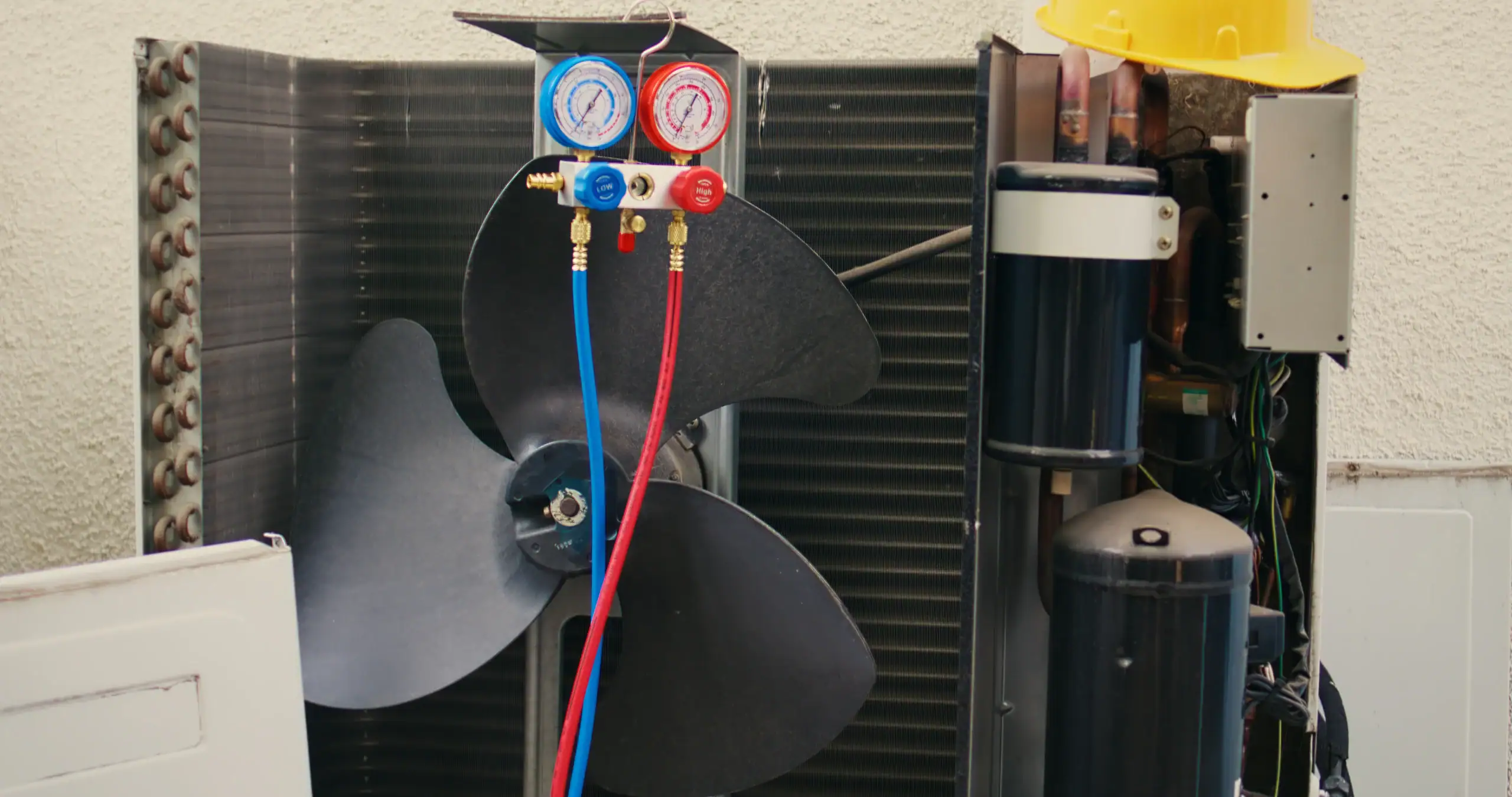
On the repair side, we’re addressing the most common marine AC problems: water flow restrictions that cause the majority of failures, clogged condenser coils that slash cooling capacity, failed compressors, refrigerant leaks, electrical faults, and control system issues. We also handle the marine-specific challenges like sea strainer cleaning, impeller replacement, and the acid flushing needed every few years to clear scale and marine growth from cooling systems.
For maintenance, we’re doing the work that extends your equipment’s lifespan and prevents expensive breakdowns. Regular filter changes, coil cleaning, water system inspection, refrigerant level checks, and electrical connection testing. We also cycle your reverse-cycle heating mode even in summer, because that reversing valve will stick if it’s never used—and you’ll find out about it on the coldest night of the year.
Here in Wyandanch and throughout Suffolk County, we’re working with boat owners who depend on reliable marine refrigeration. Long Island’s marine environment is particularly tough on equipment—saltwater, humidity, temperature swings, and constant vibration all accelerate wear. Your system needs specialists who understand these conditions and know how to build reliability into harsh environments. That’s what we do, and we’ve been doing it for over 40 years across the marinas and waterways of the Greater New York area.
This usually points to a water flow problem in your seawater cooling system. When you’re docked, your boat sits still and your AC pulls relatively clean water through the intake. Underway, you’re stirring up sediment, pulling in debris, and potentially dealing with air bubbles in the cooling system from hull movement and wake turbulence.
Check your sea strainer first—it might be partially clogged and restricting flow just enough that it works at the dock but fails under load. Your water pump impeller could also be worn and not generating enough pressure when demand increases. Another possibility is that your seawater intake is positioned where it gets poor flow or sucks air when the boat is at certain speeds or angles.
We see this pattern constantly with marine AC systems, and it’s one of those issues that general HVAC techs miss because they don’t understand how marine cooling systems behave differently than land-based equipment. The fix depends on what’s actually restricting your water flow, but once we identify it, it’s usually straightforward to resolve.
At minimum, you want professional service once a year before the season starts. That’s your opportunity to catch small problems before they become expensive failures in July. But the real answer depends on how much you use your boat and where you keep it.
If you’re a weekend recreational boater in a relatively clean marina, annual service might be enough. If you’re running a charter operation, living aboard, or keeping your boat in water with heavy marine growth, you need more frequent attention—potentially every few months during heavy use periods. Your air filters should be checked monthly during the season and replaced every 30 to 60 days depending on conditions.
Between professional services, you should be checking your sea strainer regularly, making sure water is flowing properly through your discharge, and cycling your reverse-cycle heating mode occasionally even when you don’t need heat. These simple checks prevent the majority of emergency calls we get. The maintenance interval that makes sense for your situation depends on your specific usage and environment, and we can walk you through a schedule that actually fits your needs rather than just selling you a generic service plan.
Marine air conditioning uses seawater pumped through the system to cool the refrigerant, while regular AC uses outside air blown over condenser coils. That fundamental difference changes everything about how these systems work, fail, and need to be maintained.
Seawater cooling is more efficient because water transfers heat better than air, which lets marine systems be smaller and more powerful for their size. But it also means you’re pumping water full of salt, sediment, marine organisms, and minerals through your equipment constantly. That creates maintenance challenges that don’t exist with land-based systems—clogged intakes, corroded components, scale buildup, and biological growth inside your cooling passages.
Marine systems also deal with constant vibration, salt air corrosion, limited ventilation, and the physical demands of a moving vessel. Your compressor has to work in conditions that would destroy a standard residential unit. This is why you need technicians who actually understand marine HVAC, not someone who works on houses trying to figure out your boat system. The diagnostic process is different, the maintenance requirements are different, and the repair techniques are different. When you call someone without marine experience, you’re paying them to learn on your equipment.
It depends on what’s actually wrong and what condition the core components are in. Marine compressors typically last 5 to 7 years depending on usage and maintenance, but other parts of the system can run much longer if they’re properly maintained.
If your compressor has failed and the rest of your system is old, corroded, or uses outdated refrigerant, replacement usually makes more sense than repair. You’ll spend money on a new compressor only to have other components fail shortly after. But if your compressor is fine and you’re dealing with water flow issues, electrical problems, or failed controls, repair is often the right call.
We assess the whole system before recommending a direction. We’re looking at component age, overall condition, refrigerant type, efficiency, and whether your current system is even sized correctly for your vessel. Sometimes we find that your “failed” system actually just needs proper maintenance it’s never received. Other times we find a system that’s been limping along on patches and jury-rigged fixes that need to be replaced before they leave you stranded. We’ll tell you honestly which situation you’re in and what makes sense financially.
That smell is almost always mold, mildew, or bacteria growing somewhere in your system. Marine AC systems create the perfect environment for microbial growth—dark, damp, and warm. The most common locations are your evaporator coil, condensate drain pan, or air ducts where moisture collects and sits stagnant.
Your condensate pan is supposed to drain continuously, but if that drain gets clogged or doesn’t pitch correctly, water sits there and becomes a breeding ground for odor-causing organisms. Dirty air filters also trap organic material that decomposes and smells. In some cases, especially in warmer waters, you can get dead marine organisms or algae in your seawater intake line that create odors when water flows through.
The fix involves cleaning and disinfecting your evaporator coil and drain pans with marine-safe biocide, replacing your filters, flushing your seawater system, and potentially installing UV-C lights in your ductwork to prevent future growth. This isn’t something you want to ignore—beyond the smell, you’re breathing whatever’s growing in there. We handle this regularly and can get your system cleaned up and smelling neutral again.
Yes. We offer 24/7 consulting and prioritize emergency calls because we understand that marine refrigeration failures don’t happen on convenient schedules. When your system quits in the middle of a charter, during a heat wave, or while you’re storing perishable catch, you need help now, not next Tuesday.
When you call with an emergency, we assess the situation immediately and determine how quickly we can get to you. For true emergencies—situations where you’re losing product, have passengers affected, or face operational shutdowns—we move our schedule to accommodate you. We’ve spent four decades in this business specifically because we’re willing to show up when others won’t.
Our emergency response covers the full range of marine refrigeration and boat AC problems: complete system failures, refrigerant leaks, compressor issues, water flow emergencies, electrical faults, and anything else that’s keeping your equipment from working. We carry common parts and diagnostic equipment so we can often complete repairs on the first visit rather than just diagnosing the problem and scheduling a return trip. That’s the difference between being a marine specialist and being a general contractor who dabbles in boat work.