Hear from Our Customers
Your air conditioning doesn’t quit during the first heat wave in July. That’s what happens when installation is done right the first time, with equipment sized correctly for your square footage and ductwork that actually moves air where it needs to go.
You stop wondering if your furnace will make it through winter. Heating system maintenance catches the worn ignitor before it fails at 2 a.m. on a Saturday, and you’re not scrambling to find emergency service when everyone else is booked solid.
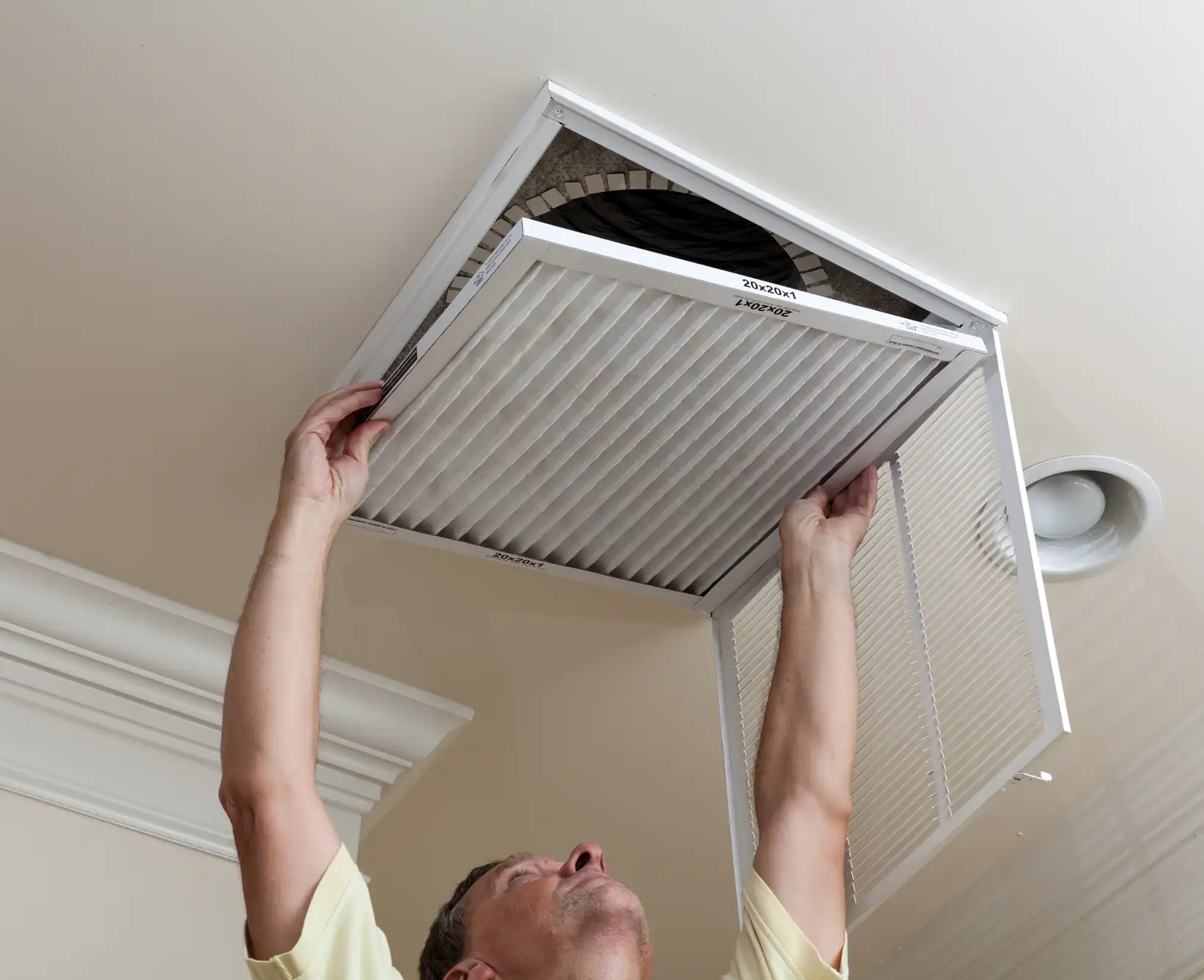
Your energy bills drop because the system isn’t fighting itself. Proper airflow, clean filters, and equipment that cycles correctly instead of running constantly means your HVAC works less and costs less to operate. Indoor air quality improves when the system is actually filtering and circulating air instead of just pushing it around.
You get someone who answers the phone at midnight if something breaks. That’s the difference between a contractor who disappears after cashing your check and one who’s been doing this for four decades across commercial, marine, and residential work.
We’ve spent 40+ years installing and servicing HVAC systems in airports, commercial kitchens, and marine vessels. That means we’ve handled equipment in conditions most residential contractors never see. Salt air that corrodes components in months, not years. Humidity levels that would shut down a standard system. Temperature swings that stress every connection point.
When you’re used to keeping a commercial kitchen running during dinner service or maintaining climate control on a yacht, a residential furnace installation or air conditioning repair in Wyandanch is straightforward work. We bring that same level of precision to your home because we don’t know how to do it any other way.
We’re local to Long Island, which means we understand what coastal weather does to outdoor units and why your system needs to be spec’d differently than one installed in Arizona. You’re not getting a one-size-fits-all approach from a national chain. You’re getting decades of experience with the specific challenges your home faces.
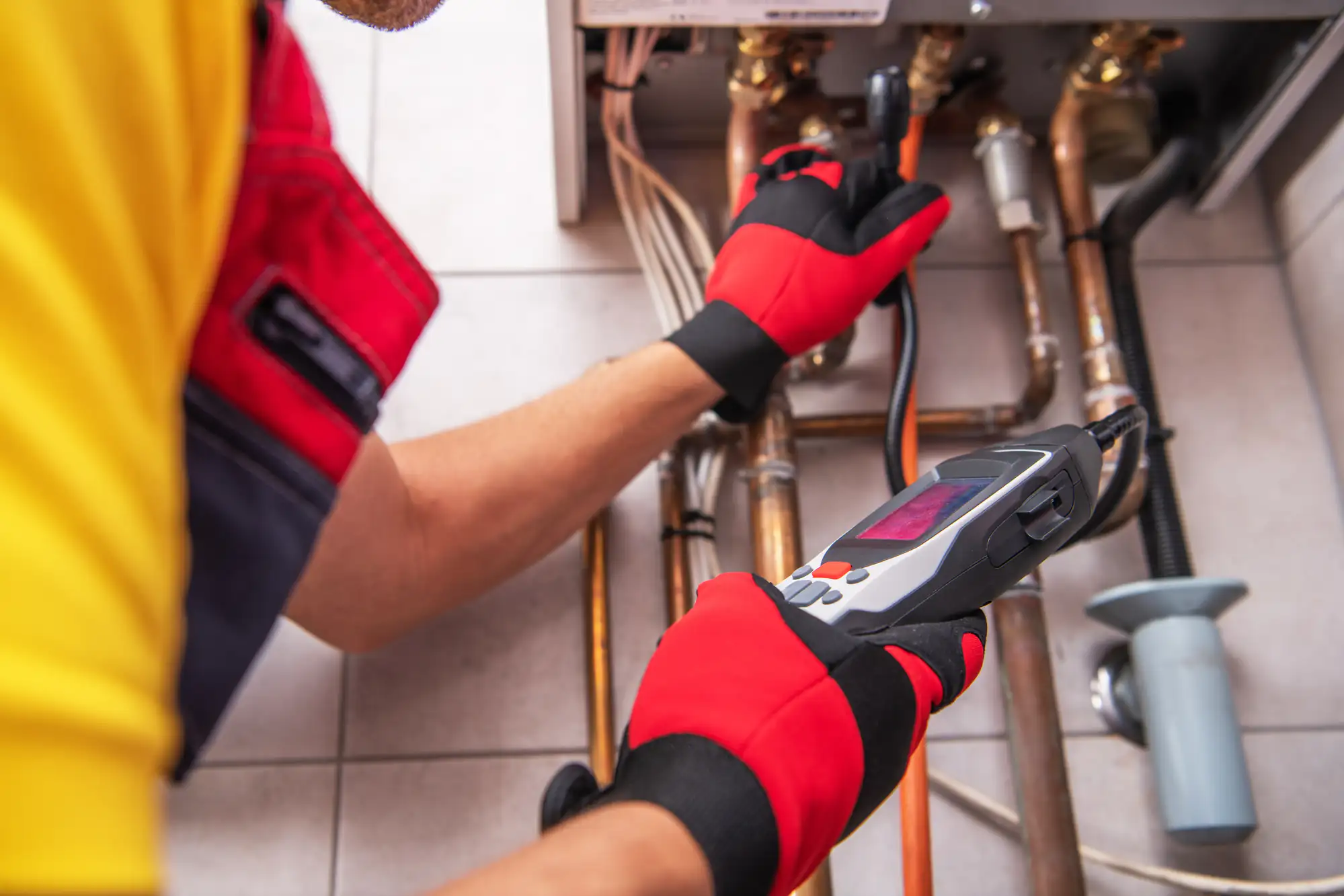
You call or submit a request, and we schedule a time that works for you. No waiting weeks for an available slot. We show up when we say we will, assess what’s happening with your system, and give you a transparent estimate before any work starts. No surprise charges, no hidden fees.
If it’s a repair, we carry an extensive parts inventory, which means most jobs get finished the same day instead of waiting for an order to arrive. If it’s a new installation or HVAC replacement, we walk you through equipment options, sizing requirements, and what makes sense for your home’s layout and your budget. We’re not pushing the most expensive unit because it pays better. We’re recommending what will actually perform in your space.
Installation includes proper load calculations, ductwork inspection, and making sure your new system integrates with your existing setup or gets the modifications it needs to work correctly. After the work is done, we test everything, show you how to operate it, and make sure you have our contact information for any follow-up questions.
Maintenance contracts are available if you want scheduled check-ups that catch problems early. We’ll remind you when it’s time, come out, inspect the system, and handle anything that needs attention before it turns into an expensive breakdown.
Ready to get started?
You get full-service coverage: furnace installation, air conditioning repair, heating system maintenance, HVAC replacement, and indoor air quality solutions. That includes everything from basic filter changes to complex ductwork modifications and smart thermostat integration.
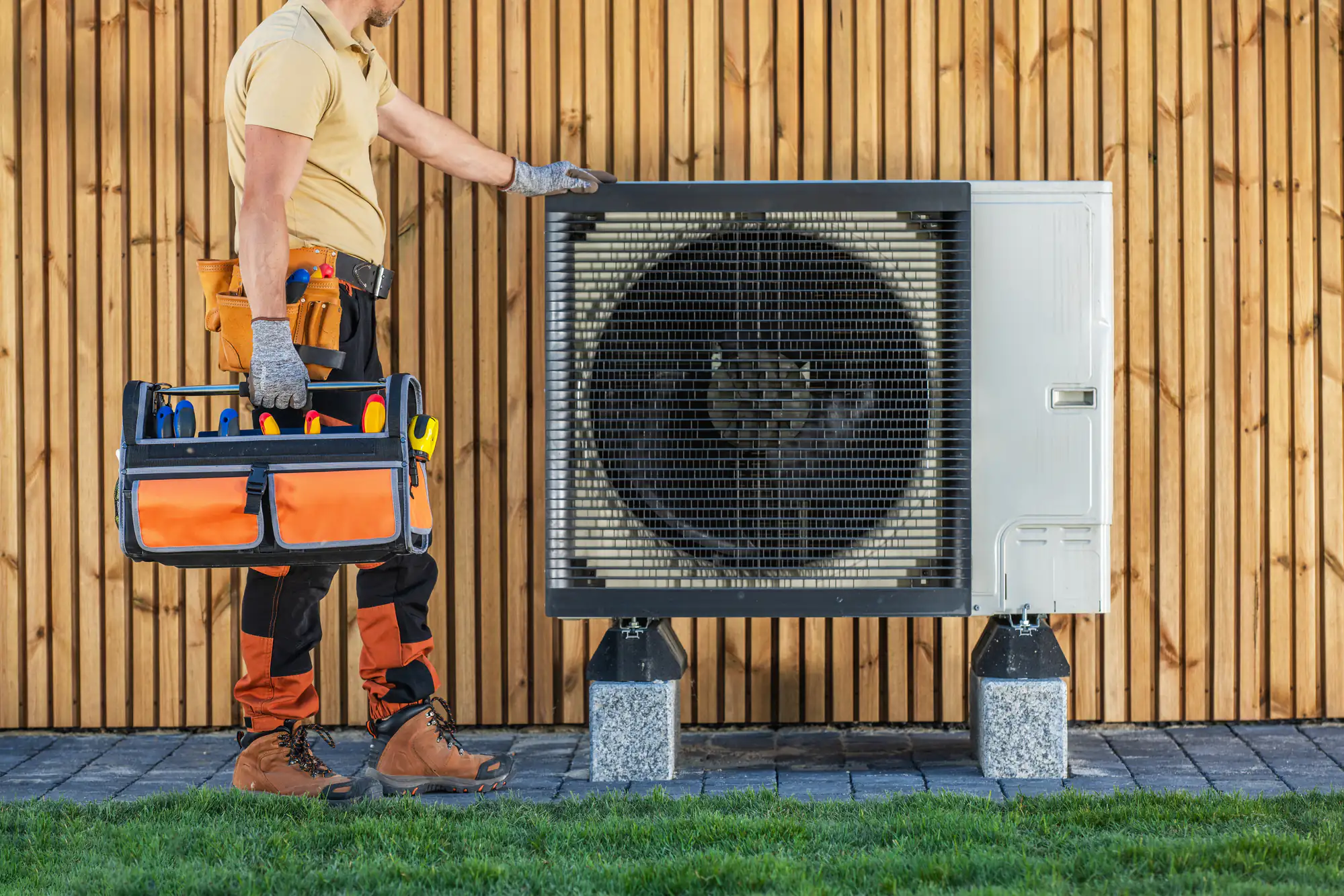
Long Island homes face specific challenges that generic service doesn’t address. Salt air from the coast accelerates corrosion on outdoor condenser units. Spring pollen clogs filters faster than inland areas. Older homes in Wyandanch often lack modern insulation, which means your HVAC system has to work harder to maintain temperature. We account for all of that when we’re diagnosing issues or recommending equipment.
Emergency service is available around the clock because system failures don’t wait for business hours. If your heat goes out in January or your AC dies during a summer weekend, you’re not stuck waiting until Monday. We also offer free estimates, so you know what you’re looking at cost-wise before committing to anything.
Energy efficiency upgrades are part of the conversation if your current system is driving up utility bills. Modern equipment can cut energy consumption significantly, and there are tax credits available through 2032 for qualifying installations. We’ll walk you through what qualifies and what doesn’t, so you can make an informed decision about whether an upgrade makes financial sense now or later.
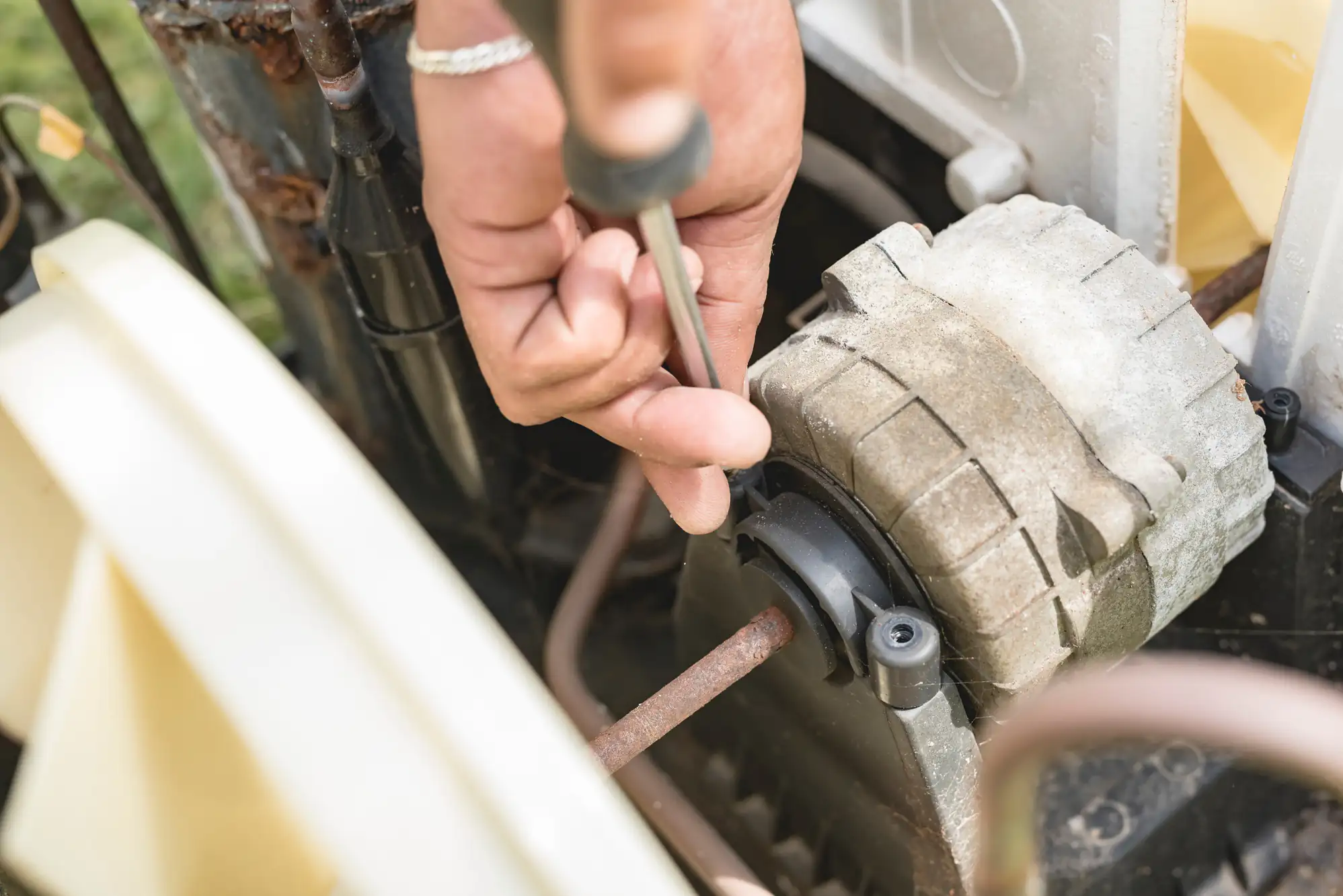
Twice a year is the standard recommendation: once before cooling season and once before heating season. That’s not a sales pitch. It’s based on how Long Island’s climate puts extra stress on systems compared to drier or more temperate areas.
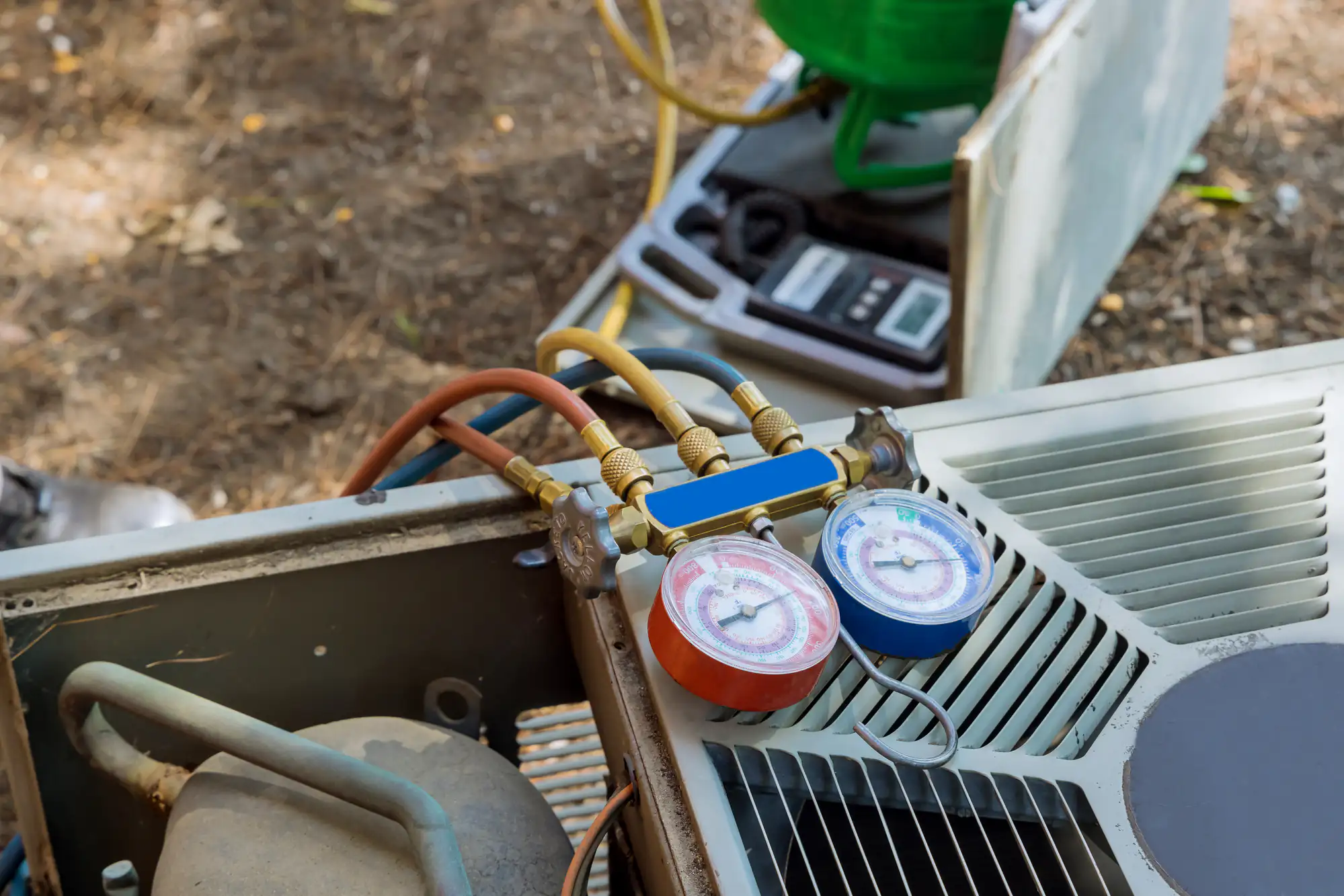
Spring maintenance catches issues before summer humidity makes your AC work overtime. We’re checking refrigerant levels, cleaning coils that accumulate pollen and salt residue, inspecting electrical connections, and making sure airflow isn’t restricted. Fall maintenance does the same for your heating system: testing the ignitor, checking gas connections, inspecting the heat exchanger for cracks, and verifying that safety controls work correctly.
Skipping maintenance doesn’t break your system immediately, but it shortens lifespan and increases the chance of a breakdown during peak use. A clogged filter or dirty coil makes the system run longer to reach temperature, which drives up energy costs and wears out components faster. Catching a small problem during a maintenance visit costs a lot less than an emergency repair when the part fails completely.
If your system is under 10 years old and the repair costs less than half the price of replacement, repair usually makes sense. If it’s over 15 years old and you’re looking at a major component failure like a compressor or heat exchanger, replacement is often the smarter financial move.
Here’s why: older systems are less efficient, so they cost more to run every month. A new system can cut energy consumption by 30-50%, which adds up over time. Repairs on aging equipment also tend to stack up. You fix the compressor this year, the blower motor next year, and the coil the year after that. At some point, you’ve spent replacement money on a system that’s still old and inefficient.
We’ll give you both options with transparent pricing so you can see the numbers yourself. Sometimes repair is absolutely the right call. Sometimes it’s throwing money at a system that’s going to keep breaking. We’re not here to upsell you on a replacement you don’t need, but we’re also not going to pretend that patching a 20-year-old system is a long-term solution when it’s not.
Usually it’s because the system is running longer to do the same job, which happens when something is restricting airflow or reducing efficiency. Dirty filters are the most common culprit. When air can’t move freely through the system, it has to run longer cycles to reach the temperature you set on the thermostat.
Refrigerant leaks cause the same problem on the cooling side. Your AC keeps running because it can’t generate enough cooling capacity to satisfy the thermostat. Ductwork leaks are another big one, especially in older Long Island homes. If conditioned air is escaping into your attic or crawl space before it reaches your living areas, the system runs constantly trying to compensate.
Thermostat issues can also drive up costs if the sensor is reading temperature incorrectly or if it’s located in a spot that doesn’t represent the actual temperature of your home. We check all of these during a diagnostic visit because there’s no point replacing equipment if the real problem is a $30 filter or a thermostat that needs recalibrating.
If you’re noticing more dust buildup on surfaces, increased allergy symptoms indoors, or stuffiness even when the system is running, those are signs your indoor air quality needs attention. Long Island’s humidity also creates conditions where mold and mildew can develop in ductwork if moisture isn’t controlled properly.
Indoor air quality solutions range from upgrading to higher-grade filters to installing UV-C light systems that kill bacteria and mold in the ductwork. Whole-home dehumidifiers help in our climate because standard AC systems remove some moisture but aren’t designed to handle the humidity levels we get during summer months. Air purifiers with HEPA filtration capture smaller particles that standard filters miss.
We can test your current air quality and show you what’s actually in the air you’re breathing. That takes the guesswork out of whether you need an upgrade or if your current setup is handling things fine. Some homes need minimal intervention. Others benefit significantly from adding filtration or humidity control, especially if anyone in the house has asthma or respiratory issues.
You call our emergency line, and someone answers. We don’t route you to a voicemail system or an answering service that takes a message for the next business day. We provide 24/7 emergency HVAC service because we’ve been on the other end of that call enough times to know that waiting until morning isn’t an option when your heat is out in winter.
We’ll ask some basic diagnostic questions over the phone to understand what’s happening, and then we’ll get someone out to you as quickly as possible. Most emergency calls in Wyandanch and the surrounding area get same-day response, even on weekends and holidays. We carry common parts in our vehicles, so many emergency repairs get completed on the first visit instead of requiring a follow-up appointment.
Emergency service does cost more than scheduled work because you’re paying for immediate availability and after-hours response. We’re upfront about that pricing before we come out. But if you’re in a situation where the system failure is creating a safety issue or making your home unlivable, the cost difference is usually worth it to get heat or cooling restored quickly.
Yes, financing options are available because we understand that a new HVAC system or major replacement isn’t something most people budget for in advance. Equipment failure doesn’t wait until you’ve saved up the full amount, and sometimes replacement makes more financial sense than continuing to repair an aging system.
We work with financing partners that offer different term lengths and payment structures, so you can find something that fits your budget. The application process is straightforward, and approval is usually quick. We’ll walk you through the options during the estimate so you can see what monthly payments would look like before making a decision.
There are also federal tax credits available for energy-efficient HVAC installations through 2032. Depending on the equipment you choose, you may qualify for credits up to $3,200, which can offset a significant portion of the installation cost. We stay current on what qualifies and what doesn’t, so we can help you maximize any available incentives when you’re making equipment decisions.