Hear from Our Customers
Your refrigeration system isn’t supposed to be something you think about. It runs. Food stays cold. Health inspectors stay happy. You focus on running your business.
That’s what reliable commercial refrigeration looks like. No 3 AM panic calls. No scrambling to move product before it spoils. No explaining to staff why you’re closing early because the walk-in died during your busiest weekend of the season.
When your refrigeration systems are properly installed and maintained, you’re not dealing with emergency repairs during peak hours. You’re not watching profit literally melt away. You’re operating the way East Hampton’s demanding food service environment requires—consistently, safely, and without the drama that comes from equipment failures.
The difference between a system that works and one that’s waiting to fail often comes down to who installed it and who’s maintaining it. Most problems show warning signs weeks before they become catastrophes. Temperature fluctuations. Unusual sounds. Frost buildup. Longer run cycles. If you catch these early, you’re looking at a service call instead of a full breakdown.
We’ve been handling commercial refrigeration in East Hampton since the 1980s. That’s over 40 years of walk-in cooler installations, emergency freezer repairs, and 2 AM service calls when restaurants can’t afford to wait until Monday.
East Hampton’s food scene has unique demands. Summer crowds push systems to their limits. Salt air affects equipment differently than inland locations. Seasonal operations need reliability when tourist season hits and there’s no room for failure. We’ve seen every scenario—from waterfront restaurants dealing with marine air corrosion to delis that need ice machines running flawlessly during peak weekends.
You’ll find our work in kitchens across East Hampton. The restaurants on Newtown Lane. Local pizza joints serving summer crowds. Catering operations that can’t have a cooler fail before a major event. We’re not the cheapest option, and that’s intentional. You’re paying for technicians who’ve diagnosed thousands of refrigeration failures, carry the right parts, and understand that your business stops when your cooling stops.
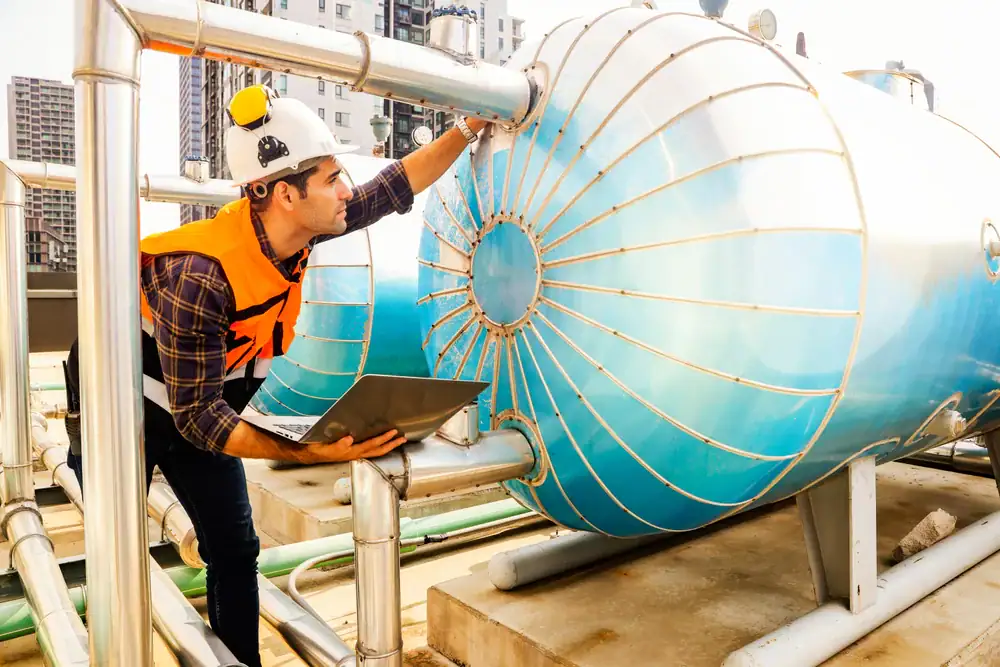
It starts with a free consultation at your location. We assess your space, understand your volume requirements, and identify challenges specific to your operation. A beach-adjacent restaurant faces different cooling demands than an inland deli. We design systems accordingly.
For new refrigeration installation, we map out the entire setup before any equipment arrives. Electrical requirements. Ventilation needs. Access points for future maintenance. Placement that maximizes efficiency without disrupting your kitchen flow. Then we install it properly the first time, which matters more than most people realize. Poor installation is behind half the “broken” systems we’re called to fix.
Maintenance keeps systems running when you need them most. We check refrigerant levels, clean condenser coils, test door seals, verify temperature accuracy, and catch small issues before they become expensive failures. Most businesses schedule this during off-peak hours so it doesn’t interrupt operations.
Emergency repairs are different. You call, we respond. Average response time is under two hours for critical situations. Our technicians carry common parts and diagnostic equipment to resolve most problems on the first visit. When your walk-in cooler fails on a Friday night, you don’t have time for multiple trips and back-ordered parts.
Ready to get started?
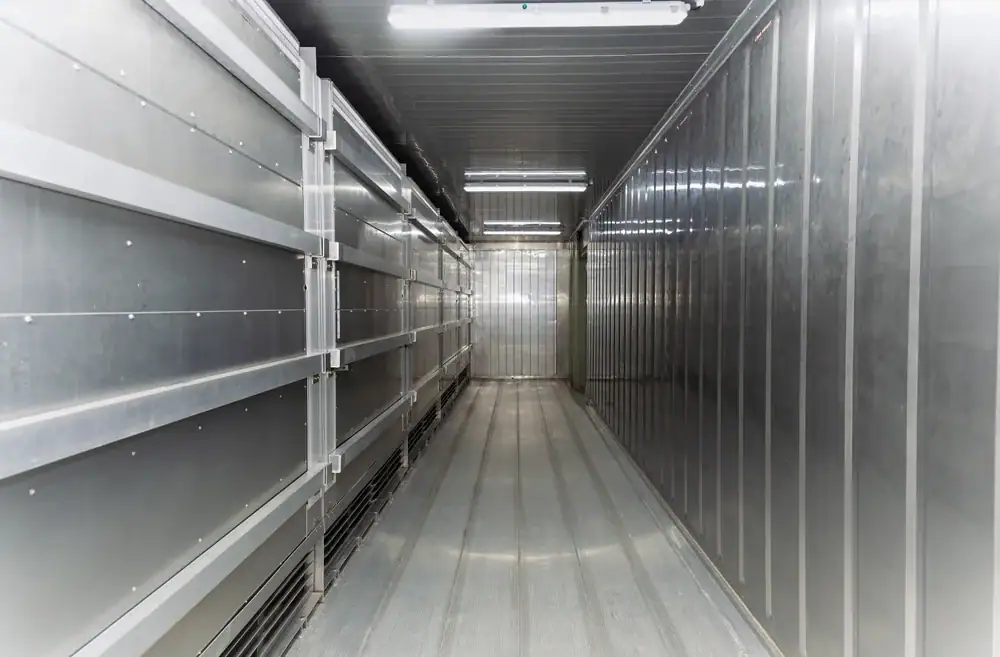
Walk-in coolers and freezers are the backbone of most commercial kitchens. We install custom sizes based on your volume, design them for easy access, and ensure they maintain consistent temperatures even when you’re opening doors constantly during service. Proper installation means better airflow, which means more reliable cooling and lower energy costs.
Reach-in refrigerators and display cases need different considerations. They’re opened more frequently, which stresses the cooling system. We install units that recover quickly and maintain food safety temperatures even during heavy use. For display cases, we factor in ambient temperature and customer traffic patterns.
Ice machines fail at the worst times because they work harder than people realize. We install them with proper drainage, ventilation, and water filtration. Regular maintenance prevents the scale buildup and mechanical failures that cause breakdowns during your busiest periods.
Beer systems and specialized cooling applications require custom solutions. Glycol systems for draft beer. Temperature-controlled wine storage. Blast chillers for rapid cooling. We’ve handled installations that other companies won’t touch because they lack the experience with complex refrigeration systems.
East Hampton businesses face seasonal pressure that inland operations don’t. When summer hits and your kitchen is running at capacity, your refrigeration can’t be your weak point. We design systems that handle peak loads without struggling, because the last thing you need is equipment failure when you’re doing your highest volume.
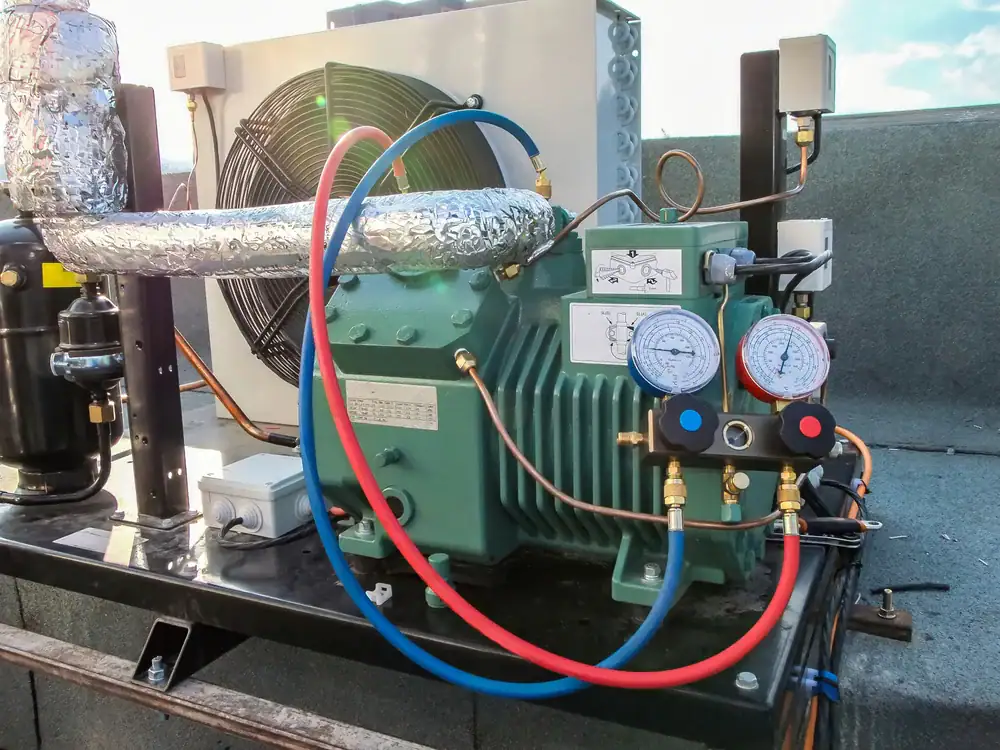
We average under two hours for emergency refrigeration repairs in East Hampton. That response time matters when you’re racing against food spoilage and lost revenue.
Here’s what actually happens when you call. You reach a person, not a voicemail system. We assess the situation immediately—what failed, what’s at risk, how critical the timeline is. Then we dispatch a technician who’s already carrying common parts for walk-in coolers, freezers, and ice machines.
Most emergency calls involve compressor failures, refrigerant leaks, electrical issues, or door seal problems. Our technicians diagnose the issue on-site and resolve it during the first visit whenever possible. If we need a specialized part, we’re honest about timing and help you protect your inventory while we source it. We’re available 24/7/365 because refrigeration failures don’t wait for business hours, and neither do we.
It depends on the age of your equipment, the severity of the failure, and how much life is left in the system. We’ll tell you honestly which makes financial sense.
If your walk-in cooler is 15 years old and needs a new compressor, you’re looking at a significant repair cost on equipment that’s already lived most of its useful life. You might get another few years, or you might face another major failure soon. Sometimes replacement makes more sense. If your system is newer and the issue is a worn component, repair is usually the smarter choice.
We walk you through the actual numbers. Repair cost versus replacement cost. Expected lifespan after repair. Energy efficiency of new equipment versus what you’re running now. Potential rebates or tax benefits for upgrading. Then you decide. We’re not pushing new equipment when a repair will give you several more good years, and we’re not patching together a system that’s going to fail again next month.
Most food service operations benefit from quarterly maintenance, but your actual needs depend on how hard you’re running your equipment and what you’re storing.
A busy restaurant with a walk-in cooler that’s opened constantly during service puts more stress on the system than a deli with moderate traffic. High-volume operations should consider quarterly service. Lower-volume businesses might be fine with semi-annual maintenance. Either way, regular service catches problems early.
During maintenance, we’re checking refrigerant levels, cleaning condenser coils, testing door seals, verifying temperature accuracy, inspecting electrical connections, and looking for early warning signs of component wear. Condenser coils alone can reduce efficiency by 30% when they’re dirty, which means higher energy bills and harder-working equipment. Most catastrophic failures we see could have been prevented with routine maintenance. The cost of a service visit is nothing compared to emergency repairs and spoiled inventory.
Coastal locations like East Hampton require equipment that can handle salt air and humidity without corroding prematurely. Not all commercial refrigeration is built for marine environments.
We install systems with corrosion-resistant components and coatings designed for coastal conditions. Standard equipment can deteriorate faster near the ocean because salt accelerates rust and corrosion on condenser coils, electrical connections, and cabinet exteriors. This isn’t just cosmetic—it affects performance and lifespan.
Proper placement matters too. We position outdoor condensers away from direct salt spray when possible and ensure adequate ventilation to prevent moisture buildup. For businesses right on the water, we recommend more frequent maintenance intervals to catch corrosion early. We also handle marine HVAC systems, so we understand how coastal conditions affect cooling equipment better than companies that only work inland. The goal is equipment that lasts as long in East Hampton as it would anywhere else, which requires planning for environmental factors from the start.
Overloading, poor airflow, and deferred maintenance are the main culprits. Peak season pushes systems that were barely keeping up into complete failure.
When you’re stacking product to the ceiling because you’re preparing for higher volume, you’re blocking airflow that the system needs to maintain temperature. The compressor runs longer cycles trying to compensate. Components that were already worn get pushed past their limits. Door gaskets that were slightly degraded start letting warm air in. Suddenly you’re dealing with a breakdown at the worst possible time.
Dirty condenser coils make this worse. When coils are clogged with dust and debris, the system can’t dissipate heat efficiently. It works harder, runs hotter, and fails faster. We see this constantly—businesses that skipped spring maintenance end up calling for emergency repairs in July when they’re slammed. The other common issue is door heaters failing on freezers, which causes frost buildup that makes doors nearly impossible to open. These are preventable problems. A pre-season inspection catches them before peak volume hits and you can’t afford downtime.
Yes. We handle refrigeration installations that standard equipment can’t solve, from specialized temperature requirements to unusual space constraints.
Some operations need cooling solutions that don’t come in a standard catalog. Maybe you’re storing products that require precise temperature control within a narrow range. Maybe your kitchen layout doesn’t accommodate traditional walk-in placement. Maybe you need a combination of refrigeration and freezer space in a custom configuration. We design and install systems for these situations.
We’ve built custom walk-ins for spaces with difficult dimensions. Installed specialized cooling for wine storage that maintains exact temperatures. Set up complex beer systems with glycol cooling for multiple tap lines. Created blast chiller configurations for operations that need rapid cooling capacity. The process starts with understanding exactly what you’re trying to accomplish, then engineering a solution that works. This requires more expertise than installing standard equipment, which is why many companies won’t touch custom work. We’ve been doing it for over 40 years, so we know how to make it work reliably.