Hear from Our Customers
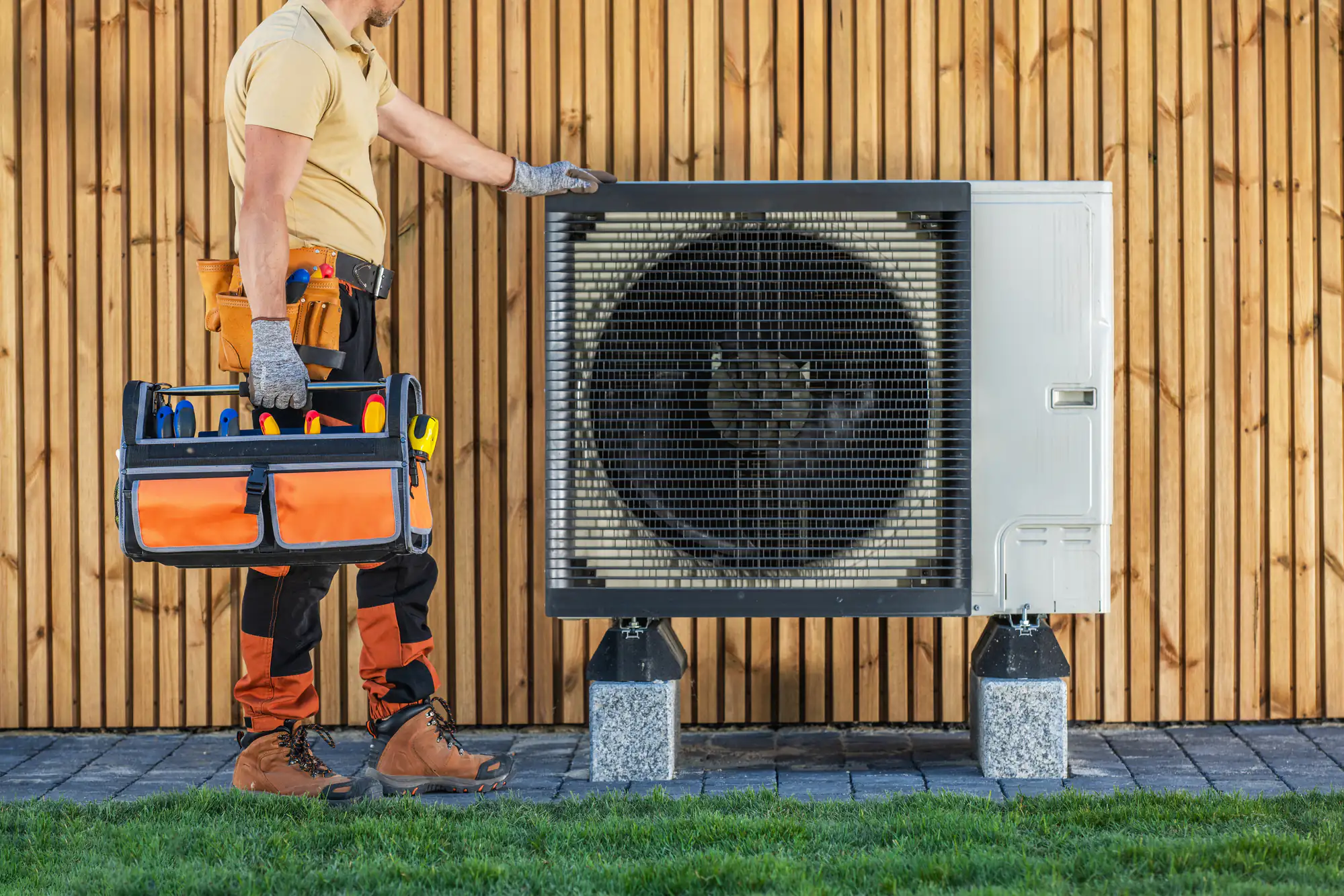
Living near the ocean means your HVAC system faces challenges most contractors never think about. Salt air corrodes outdoor condensers faster than you’d expect. Coils pit and fail. Fan motors seize up. Compressors work harder and die younger.
You’ve probably noticed this if you’ve owned property here for more than a few years. Standard equipment doesn’t last. Standard contractors don’t know how to spec for it.
That’s where marine-grade knowledge matters. When you’re choosing between a furnace installation or heat pump replacement, the equipment itself is only half the decision. How it’s protected, where it’s positioned, and what materials touch the salt air—that’s what determines whether you’re replacing it again in three years or getting a solid decade-plus out of it.
The outcome you’re looking for isn’t just cold air in July. It’s a system that holds up to East Hampton’s climate without constant repairs, high energy bills, or emergency breakdowns during the worst possible week of summer.
Chill Xpert Solutions has been handling complex HVAC and refrigeration work for over 40 years. We’ve done marine air conditioning on boats, walk-in coolers for commercial kitchens, and custom systems for high-end homes across the Hamptons.
That background matters because it means we’ve seen what fails and why. We know which brands hold up in coastal conditions. We know how to prevent the corrosion issues that plague outdoor units near the water.
East Hampton homeowners deal with humidity that breeds mold, salt that eats through metal, and summer heat that turns poorly designed systems into expensive disappointments. You need someone who’s handled tougher environments than a suburban split-level. We’re available 24/7 for consults, we give free estimates, and we don’t sell you something that won’t last.
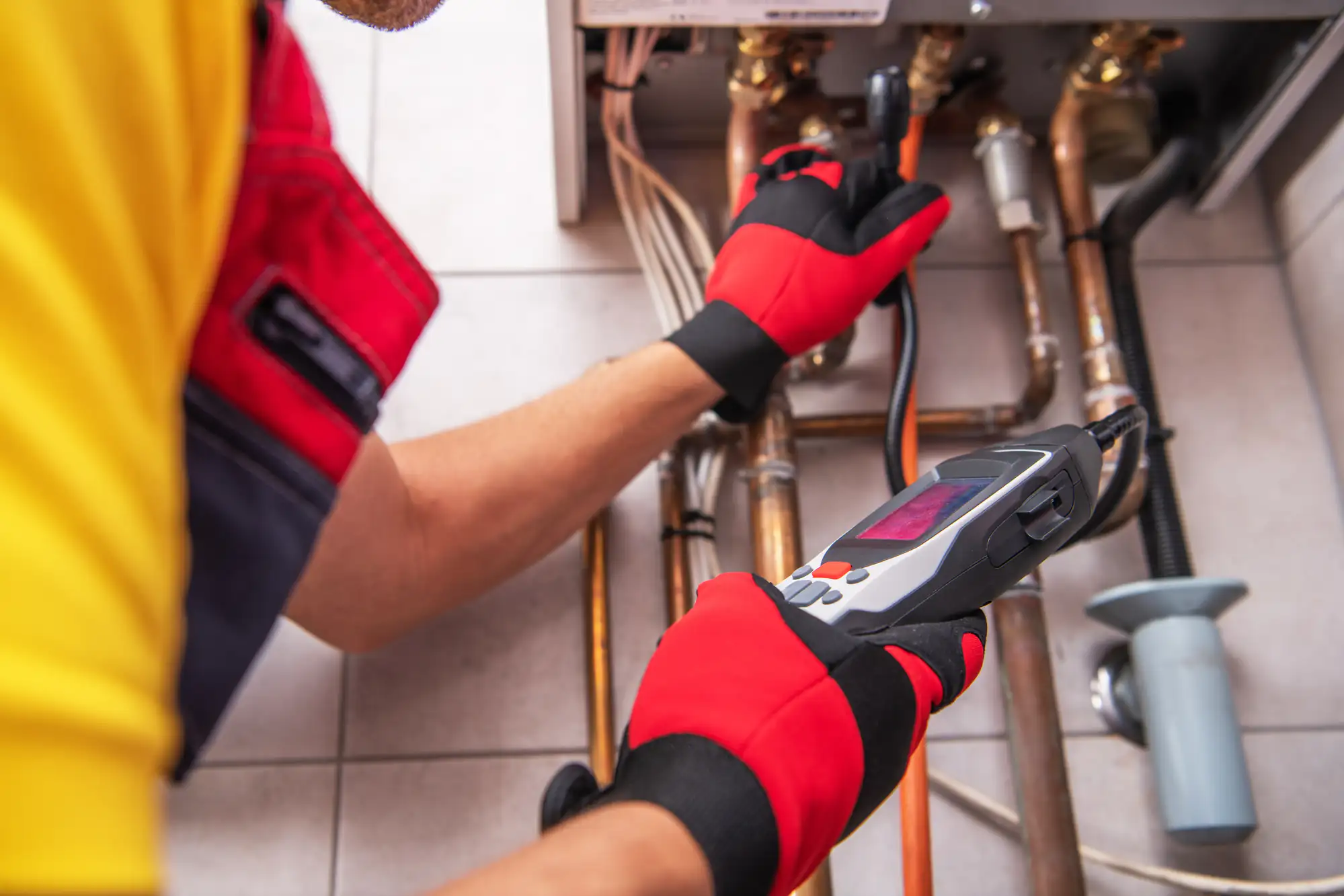
It starts with an honest assessment. We come out, look at your current setup, ask about problems you’ve been having, and figure out what’s actually needed. If it’s a repair, we tell you whether fixing it makes sense or if you’re throwing money at something that’s going to fail again in six months.
For new installations—whether that’s a ductless mini split system, a full HVAC replacement, or a heat pump installation—we talk through your options based on your home’s layout and proximity to the water. We’re not upselling you on smart thermostats and air purifiers if that’s not what you need. But if your indoor air quality is terrible or your energy bills are double what they should be, we’ll tell you why and what fixes it.
Once we agree on the scope, we schedule the install or service. Our team shows up on time, does the work without tearing up your property, and tests everything before we leave. You get a walkthrough of the new system, straight answers about maintenance, and a contact you can reach if something seems off.
After that, you’re not on your own. We handle heating system maintenance, seasonal tune-ups, and emergency repairs when your AC dies at 9 p.m. on a Saturday in August.
Ready to get started?
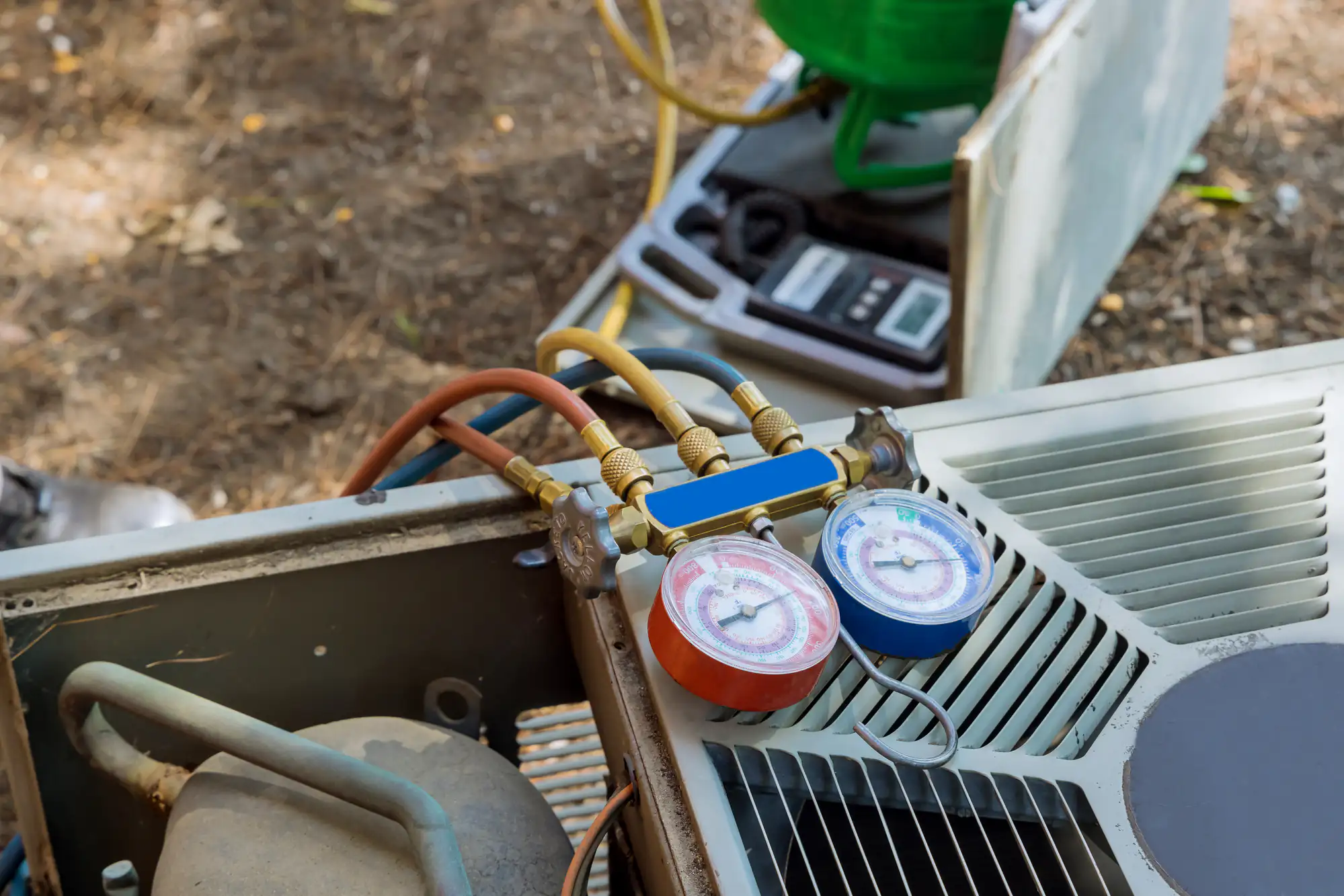
We handle the full range of residential heating and cooling. That includes air conditioning repair when your system stops cooling or starts leaking. Furnace installation and replacement when your heating system is past its useful life. Heat pump systems that can handle both heating and cooling with serious energy efficiency—important when you’re looking at utility bills that can hit $500+ per month in peak season.
We also install ductless mini split systems, which work well in East Hampton homes that don’t have existing ductwork or need zone control for guest houses and additions. Indoor air quality is another focus. Coastal humidity creates mold problems, and poor filtration makes it worse. We install HEPA filtration, UV lights, and dehumidification systems that actually make a difference.
Energy efficiency matters here because heating and cooling can account for 40% of your home’s utility costs. We work with ENERGY STAR certified equipment and can walk you through available tax credits and rebates—including up to $2,000 through the Inflation Reduction Act for qualifying heat pump installations.
And because this is a coastal environment, we pay attention to corrosion protection. That means coil coatings, strategic placement of outdoor units, and using materials that won’t disintegrate in salt air. Most contractors skip this. We don’t.
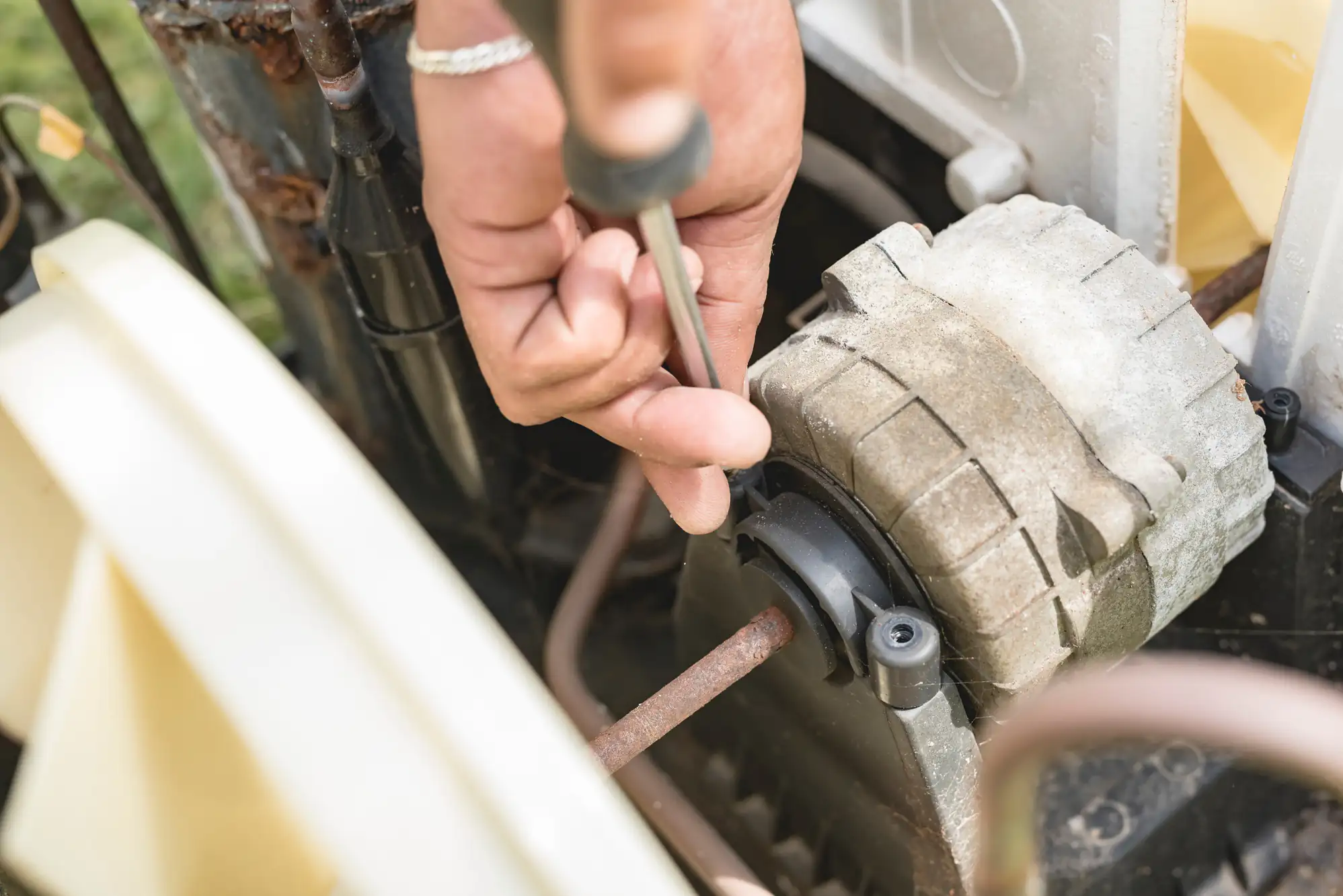
Standard HVAC systems are rated for 15 to 20 years under normal conditions. In East Hampton, you’re not dealing with normal conditions. Salt air accelerates corrosion on outdoor units, which means coils, fan motors, and compressors often fail earlier than expected—sometimes in as little as 8 to 10 years if the system wasn’t installed with coastal conditions in mind.
The lifespan depends heavily on the equipment quality, how it’s protected, and whether it’s maintained regularly. Coil coatings and corrosion-resistant materials add years. So does annual maintenance that includes cleaning salt buildup and checking for early signs of rust or wear.
If your system is older than 12 years and you’re starting to see frequent repairs or rising energy bills, it’s worth having someone evaluate whether you’re better off replacing it now versus limping it along for another few seasons. We give honest assessments on that—not every older system needs to be replaced, but some are costing you more to keep running than a new install would.
A traditional furnace burns fuel—usually natural gas or oil—to create heat. A heat pump works more like your air conditioner in reverse. It pulls heat from the outdoor air and moves it inside, even when it’s cold out. That process uses a lot less energy, which is why heat pumps can cut heating costs significantly compared to electric resistance heating or older furnaces.
Heat pumps also handle cooling, so you get year-round climate control from one system. That’s appealing if you’re replacing both an old AC unit and a furnace at the same time. The efficiency gains are real—modern heat pumps use up to 60% less energy than standard electric heating.
The downside is that heat pumps lose efficiency in extremely cold temperatures, though newer models work well into the teens. For East Hampton winters, they’re usually a solid choice. And right now, there are federal tax credits up to $2,000 for qualifying heat pump installations, which helps offset the upfront cost. If you’re trying to lower your energy bills and reduce your carbon footprint, a heat pump is worth considering.
AC units fail in peak heat for a few common reasons. One is that they’re undersized for your home, so they run constantly trying to keep up and eventually overheat or break down. Another is poor maintenance—dirty coils and clogged filters force the system to work harder, which stresses the compressor and other components.
In coastal areas like East Hampton, salt corrosion is a huge factor. If your outdoor condenser coils are corroded, the system can’t transfer heat efficiently. That makes the compressor run longer and hotter, which leads to failure right when you need it most. Refrigerant leaks are another issue—if your system is low on refrigerant, it won’t cool properly and the compressor can burn out.
Age matters too. If your AC is over 10 years old and you’re dealing with repeated breakdowns, you’re likely facing a compressor or coil replacement that costs almost as much as a new system. We can diagnose what’s actually failing and tell you whether a repair makes sense or if you’re better off replacing the unit before it dies completely in the middle of July.
Full HVAC replacement costs vary widely based on the size of your home, the type of system you’re installing, and the complexity of the job. For a typical East Hampton residence, you’re generally looking at $8,000 to $15,000 for a complete system replacement—that includes both heating and cooling equipment, installation, and any necessary upgrades to ductwork or electrical.
Higher-end systems with better efficiency ratings, smart controls, or multi-zone capabilities can push that number higher. So can coastal-specific upgrades like corrosion-resistant coatings or specialized placement to protect outdoor units from salt exposure. If you’re adding indoor air quality equipment—HEPA filters, UV lights, whole-home dehumidifiers—that adds to the total as well.
The good news is that energy-efficient systems often qualify for rebates and tax credits. Heat pumps, for example, can get you up to $2,000 back through federal programs. And the energy savings add up—if your current system is old and inefficient, a new high-efficiency setup can cut your utility bills by 30% or more. We provide free estimates that break down exactly what you’re paying for and what you can expect in return.
Indoor air quality problems in East Hampton usually come down to humidity, poor filtration, and lack of ventilation. Coastal homes deal with high humidity that encourages mold growth, especially in basements and bathrooms. Standard HVAC filters don’t catch smaller particles like mold spores, pollen, or pet dander, so those circulate through your home constantly.
The most effective upgrades are HEPA filtration systems, which capture particles down to 0.3 microns, and whole-home dehumidifiers that keep humidity levels in check. UV lights installed in your ductwork kill mold and bacteria before they spread. If your home feels stuffy or smells musty, those are signs that your current system isn’t handling moisture or filtration well.
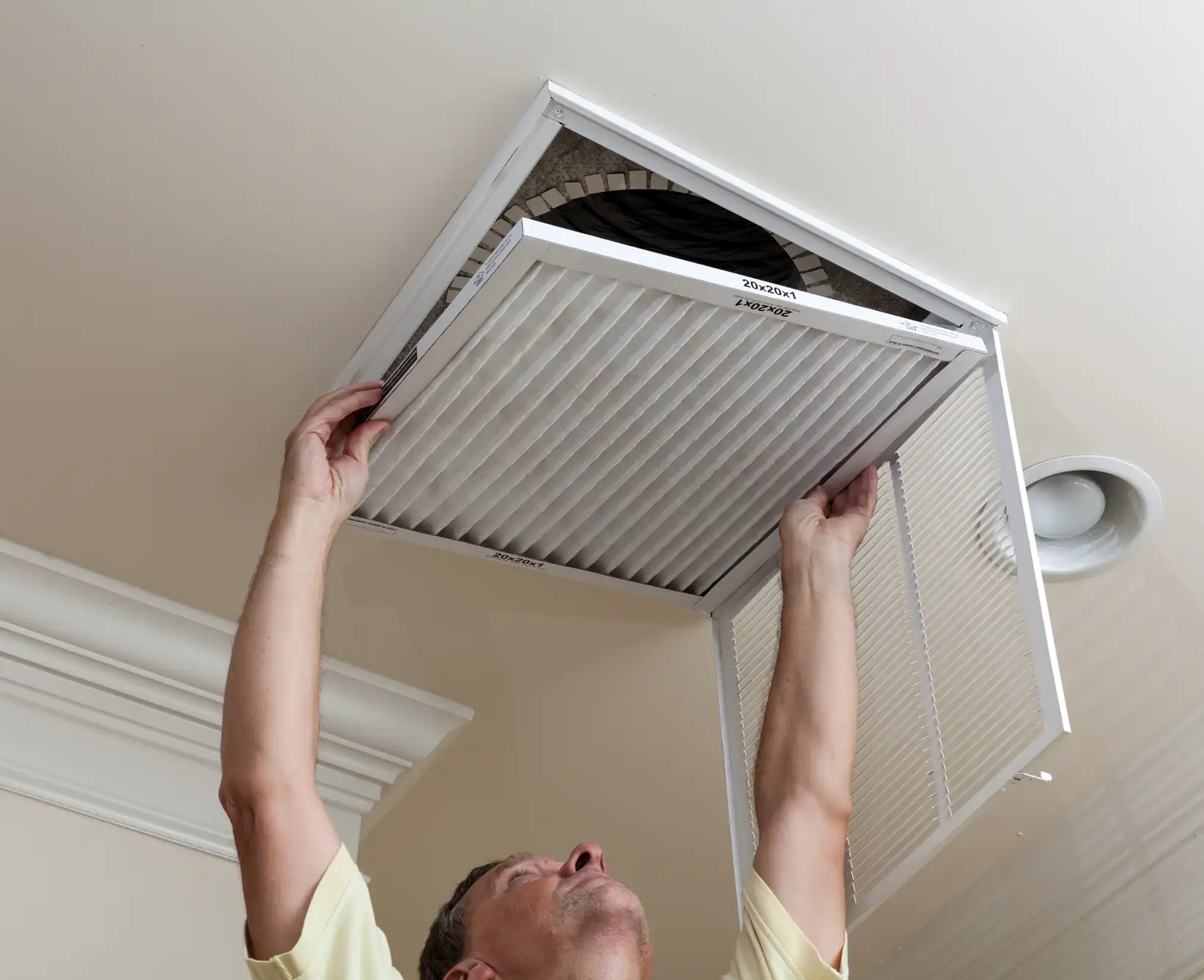
Regular maintenance helps too—changing filters every few months, cleaning ducts if they’re full of dust and debris, and making sure your HVAC system is properly sized so it runs long enough to dehumidify the air. A system that’s too large will cool the air quickly but won’t remove humidity, which leaves you feeling clammy even when the temperature is fine. We can assess your current setup and recommend specific improvements based on what’s actually causing the problem.
Yes. We’re available 24/7 for emergency HVAC repairs. That includes late nights, weekends, and holidays—whenever your system decides to quit. AC failures during heat waves and furnace breakdowns in winter are the most common emergencies, and we prioritize those calls because we know you can’t wait three days for someone to show up.
When you call, we’ll ask a few questions to understand what’s happening and whether there’s anything you can check on your end—sometimes it’s a tripped breaker or thermostat issue that you can fix yourself. If it’s a real failure, we’ll get someone out as quickly as possible to diagnose the problem and get your system running again.
Emergency repairs cost more than scheduled service because of the after-hours nature, but we’re upfront about pricing before we start work. And if the repair is expensive enough that replacement makes more sense, we’ll tell you that too. Our goal is to get you comfortable again without selling you something you don’t need or dragging out a repair that’s not worth doing.