Hear from Our Customers
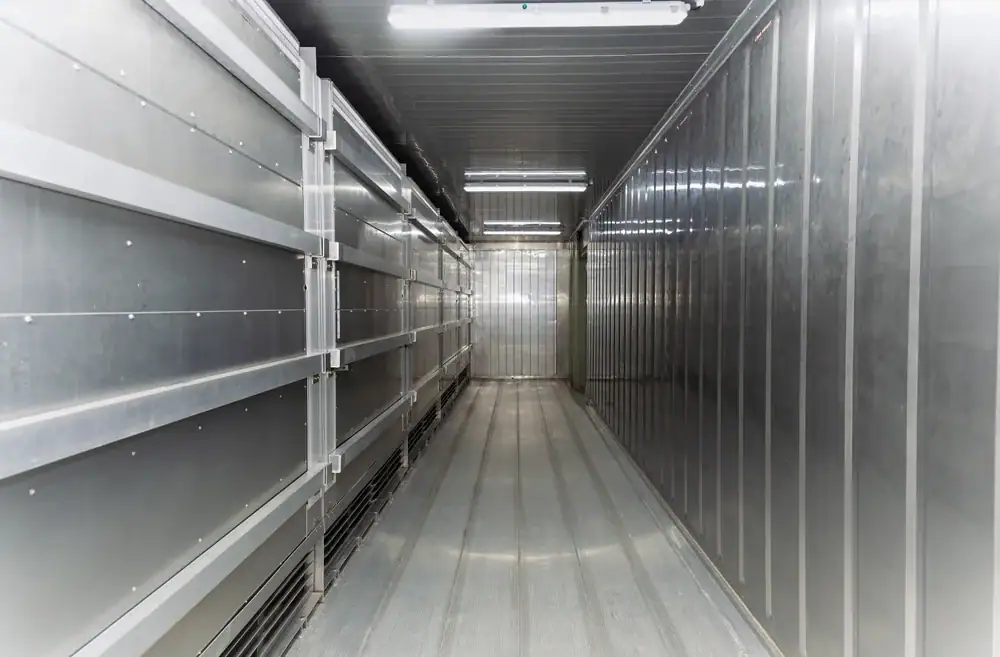
You stop worrying about whether your walk-in will make it through the weekend. Your food stays at temp. Your health inspector has nothing to flag. Your utility bills stop climbing every month because the system isn’t fighting itself to stay cold.
That’s what a properly installed and maintained refrigeration system does. It runs quietly in the background while you focus on everything else that keeps your operation moving. No surprise shutdowns during dinner rush. No scrambling to move product at 11 PM because the compressor gave out.
When your refrigeration systems are dialed in, you’re not reacting to emergencies. You’re running a tighter operation with fewer disruptions and lower overhead. The equipment does its job, and you do yours.
We’ve been handling commercial refrigeration in Freeport and across Long Island since the early ’80s. That’s four decades of walk-ins, reach-ins, beer systems, glycol loops, and middle-of-the-night service calls. We’ve seen what breaks, what lasts, and what you actually need versus what someone’s trying to sell you.
Freeport’s food service scene—from the seafood markets near Woodcleft Canal to the pizza shops on Merrick Road—runs on refrigeration that can’t fail. We work with restaurants, delis, catering halls, and distributors who need systems that hold temp no matter what. If it keeps food cold commercially, we’ve installed it, fixed it, or optimized it.
We’re not the cheapest call you’ll make. But we’re often the last one you’ll need to make on the same problem.
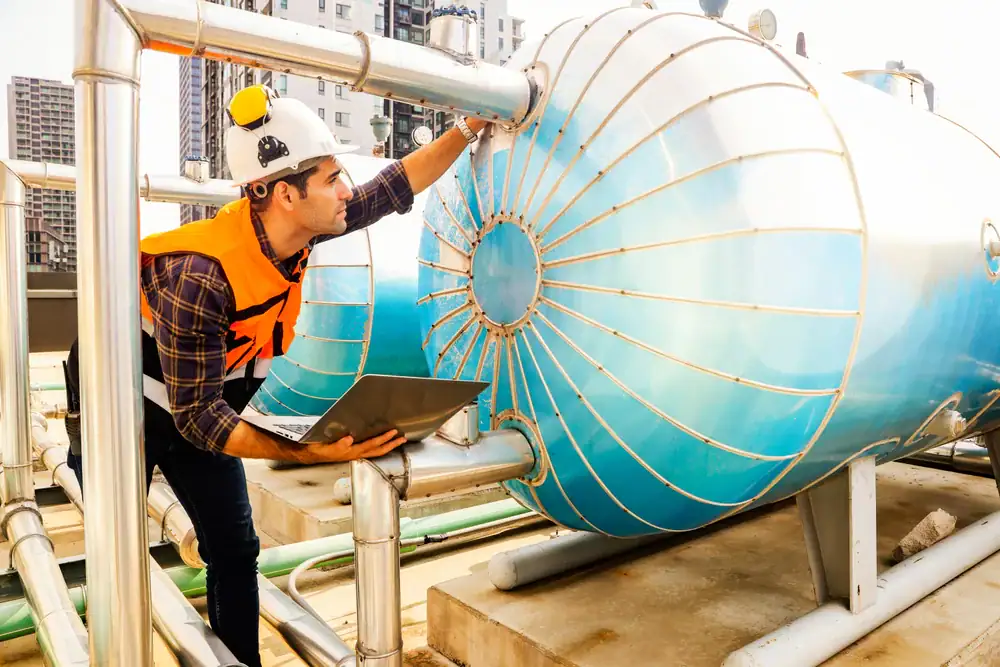
First, we actually show up when we say we will. You tell us what’s going on—system’s not cooling, compressor’s loud, temps are all over the place—and we assess the whole setup, not just the obvious problem. We’re looking at airflow, refrigerant levels, electrical connections, and whether the equipment is sized right for your load.
If it’s an emergency, we respond 24/7. That’s not an answering service that takes a message—it’s a real person who knows refrigeration and can get someone to your location fast. When it’s 2 AM and your walk-in is climbing into the danger zone, response time isn’t a nice-to-have.
For installations, we map out the layout, confirm load requirements, and make sure you’re not over-buying capacity or under-sizing for growth. Then we install it right the first time—proper line sets, correct refrigerant charge, tight electrical work. After that, we test it under load, walk you through the controls, and set up a maintenance schedule that actually prevents problems instead of just reacting to them.
Ready to get started?
Every refrigeration service we handle in Freeport starts with a full system diagnostic. We’re checking compressor function, evaporator coils, condenser performance, refrigerant charge, and control accuracy. If your system’s running but not performing, there’s a reason—and we find it.
You’ll get a clear explanation of what’s wrong and what it takes to fix it. No jargon. No upselling. If a part needs replacing, we source it fast. If the system’s on its last legs, we’ll tell you that too, along with what a replacement actually costs and how long it’ll take.
For Freeport’s food service businesses, we handle everything from single-unit reach-ins to complex multi-zone walk-in systems. We also work on specialized setups like beer glycol systems for bars and marine HVAC for vessels docked locally. Cooling energy accounts for nearly half of a food service operation’s utility costs, so we focus on efficiency—getting your temps stable without the system running wide open all day.
Maintenance plans are available if you want to stay ahead of breakdowns. Most equipment failures are predictable if someone’s actually looking at the system regularly. We do that, and it saves you from those middle-of-summer failures that cost thousands in lost product.
We offer true 24/7 emergency response for commercial refrigeration failures. That means if your system goes down at midnight on a Saturday, you’re calling a technician who can dispatch immediately—not leaving a voicemail that gets returned Monday morning.
Response time depends on where we are and what else is happening, but for Freeport, we’re typically on-site within a couple of hours for genuine emergencies. A genuine emergency means your system isn’t cooling and you’re at risk of losing inventory or violating health codes. We prioritize those calls because we know what’s at stake.
When we arrive, we’re diagnosing and repairing on the spot whenever possible. We stock common parts and have access to suppliers across Long Island for anything we don’t carry. The goal is to get you back to safe temps as fast as possible, even if that means a temporary fix while we order a permanent solution.
Installation starts with understanding your actual cooling needs—not just dropping in a unit and hoping it works. We calculate your load based on product volume, door openings, ambient conditions, and how you’re using the space. Undersizing means the system runs constantly and fails early. Oversizing wastes energy and money upfront.
Once we’ve spec’d the right equipment, we handle the full install: mounting the unit, running refrigerant lines, wiring it into your electrical system, installing controls, and charging the system with the correct refrigerant type and amount. Every connection is pressure-tested and checked for leaks. We don’t skip steps.
After installation, we run the system under your actual operating conditions to confirm it’s hitting target temps and cycling properly. Then we walk you through the controls and maintenance basics. You’ll also get documentation on the equipment, warranty info, and a recommended service schedule. Most new installs come with a startup period where we check back to make sure everything’s dialed in as your usage patterns settle.
If your system is more than ten years old and you’re calling for repairs multiple times a year, replacement is usually the smarter move. Older systems use outdated refrigerants that are getting expensive and harder to source. They’re also less efficient, which means higher utility bills every month.
Specific signs that point toward replacement: the compressor has failed or is failing, you’re seeing frequent refrigerant leaks, the system can’t hold temp even after repairs, or your energy bills have climbed noticeably. Compressor replacement alone can cost as much as a new unit, and if the rest of the system is worn, you’re just delaying the inevitable.
On the other hand, if the system is newer and the issue is a failed fan motor, a bad thermostat, or a clogged line, repair makes sense. We’ll give you an honest assessment of what the equipment has left and what the repair will actually buy you. If it’s a band-aid on a bigger problem, we’ll tell you that upfront so you can make the call with real information.
At minimum, your system needs a full inspection and cleaning twice a year. That includes checking refrigerant levels, cleaning condenser coils, inspecting electrical connections, testing controls, and making sure airflow isn’t blocked. Dirty coils alone can drop efficiency by 20% or more and cause the compressor to work harder than it should.
You should also be checking door seals regularly and replacing them when they’re cracked or loose. A bad seal lets warm air in, which makes the system run longer and puts stress on components. Same with keeping the area around the condenser clear—if it’s packed with boxes or debris, the system can’t exhaust heat properly.
For high-use systems like walk-ins in busy restaurants, quarterly maintenance is a better idea. The more you’re opening doors and loading product, the harder the system works and the faster things wear. Catching a small issue during a routine check costs a fraction of what an emergency repair runs, and it keeps you from losing product when something finally gives out. Maintenance isn’t glamorous, but it’s the difference between a system that lasts fifteen years and one that dies at eight.
Yes. We handle beer glycol systems, which are a different animal than standard refrigeration. These systems use a glycol loop to keep draft lines cold from the keg to the tap, and if the glycol temperature isn’t right or the pump fails, you’re pouring foam and losing product. We install, service, and troubleshoot these setups for bars and restaurants across Freeport and Long Island.
Glycol systems need regular maintenance—checking glycol concentration, inspecting pumps and lines for leaks, and making sure the chiller is maintaining the right temp. If your beer’s pouring warm or inconsistent, it’s usually a glycol issue, not the kegs. We’ve worked on enough of these systems to diagnose problems fast and get your draft lines back to pouring clean, cold beer.
We also work on other specialized cooling setups, including marine HVAC systems for vessels and custom applications that standard HVAC contractors won’t touch. If your cooling needs are more complex than a basic walk-in, we’ve likely handled something similar and know how to make it work reliably.
First, check the obvious stuff: is the door sealing properly, is anything blocking airflow inside the unit, is the condenser coil caked with dust or grease. If the system’s running but not cooling, don’t just turn the thermostat down and hope—that doesn’t fix the underlying problem and can actually make things worse.
If basic checks don’t solve it, you likely have a refrigerant leak, a failing compressor, a bad expansion valve, or an electrical issue with the controls. These aren’t DIY fixes. Refrigerant systems are pressurized and require specialized tools and certification to service safely and legally. Trying to “top off” refrigerant without finding the leak just kicks the problem down the road.
Call us before you lose product. If temps are climbing into the danger zone (above 41°F for most refrigerated food), you need emergency service. We’ll diagnose the issue, tell you what it takes to fix it, and get your system back to safe operating temps. The longer you wait, the more product you risk and the harder the system has to work, which can turn a simple repair into a bigger failure.