Hear from Our Customers
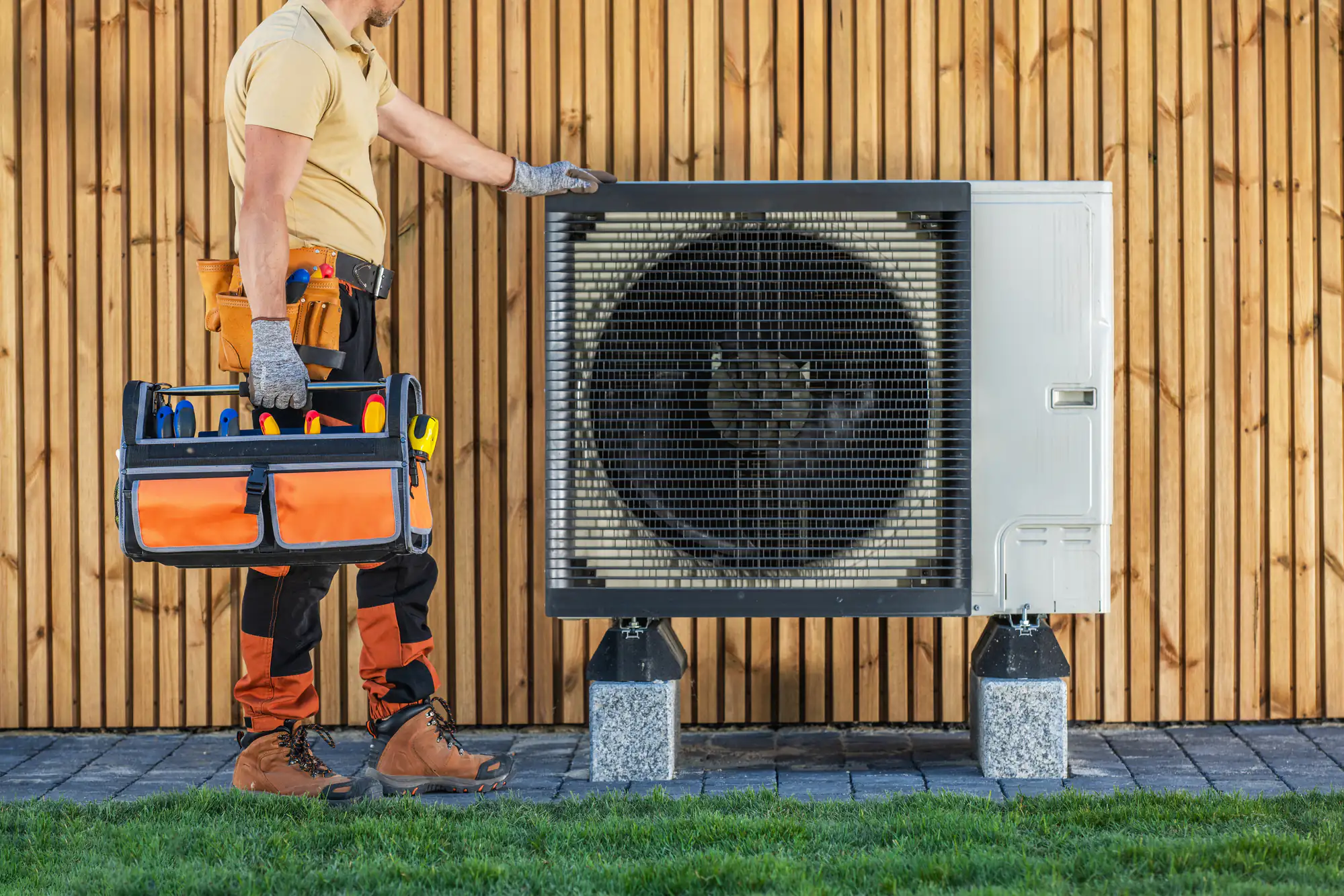
Your electric bill in Freeport averages $344 a month. If your system is over ten years old, you’re likely paying double what you should. Modern high-efficiency equipment cuts that number in half, and with current rebates hitting $8,000 to $12,000 for heat pump installations, the math finally makes sense.
But efficiency only matters if the system actually runs. Salt air off the coast eats through standard equipment faster than most contractors realize. We size systems based on your actual usage, not a quick calculation, so you get 15+ years of reliable service instead of constant repair calls.
The difference shows up in three places: your monthly bill drops, your rooms stay consistent, and you’re not dealing with emergency breakdowns during the coldest or hottest weeks of the year. That’s what proper installation and equipment selection actually deliver.
We’ve been handling HVAC and refrigeration work across Nassau and Suffolk Counties since the early 1980s. Most of that time has been spent in commercial and marine environments—airports, restaurants, yacht clubs, walk-in coolers, boat AC systems. The kind of work where failure isn’t an option and equipment takes a beating from salt, humidity, and constant use.
Residential HVAC in Freeport faces the same coastal challenges, just on a smaller scale. Your outdoor unit sits in the same salt air that corrodes marine equipment. Your system fights the same humidity swings and temperature extremes. We approach your home with the same level of precision we bring to a commercial kitchen or a 60-foot yacht.
You’re not getting a residential-only contractor learning on the job. You’re getting a team that’s solved harder problems in tougher environments, now focused on making sure your family stays comfortable year-round.
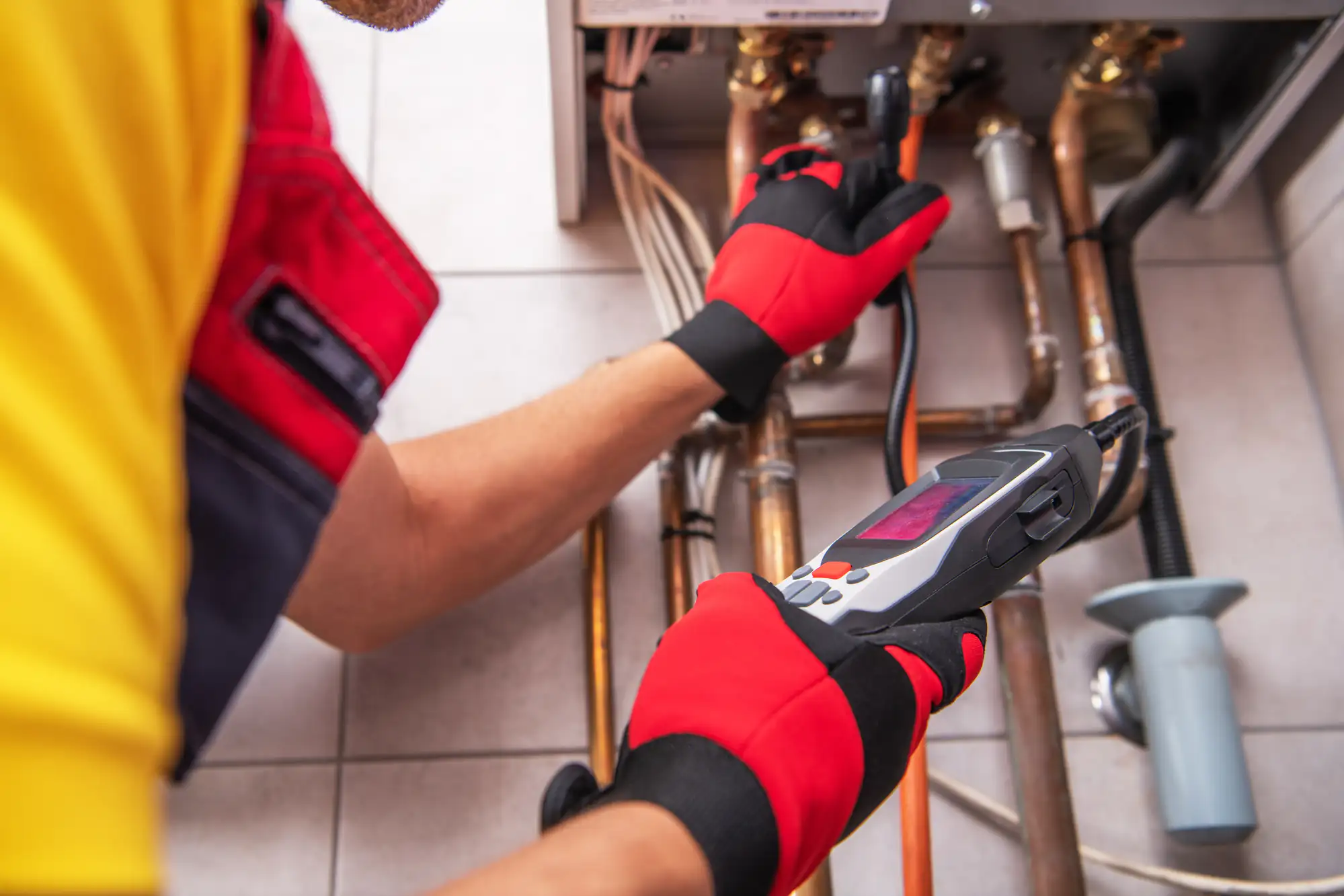
It starts with measuring your actual peak usage, not guessing based on square footage. We look at insulation, window placement, sun exposure, and how you actually use your space. Oversized systems cycle on and off constantly, wearing out components and spiking your bills. Undersized systems run nonstop and never quite keep up. Proper sizing eliminates both problems.
Once we know what you need, we walk you through equipment options. We’re not pushing one brand or upselling features you won’t use. You’ll see the efficiency ratings, the rebate amounts, and the realistic payback timeline. Then you decide what makes sense for your budget and your home.
Installation takes one to two days depending on the scope. We pull permits, handle inspections, and make sure everything is documented properly. You’ll get a walkthrough of the new system, a maintenance schedule, and direct contact info if anything comes up. After that, we’re available 24/7 for emergency service, and we offer maintenance contracts that keep you ahead of problems instead of reacting to them.
Ready to get started?
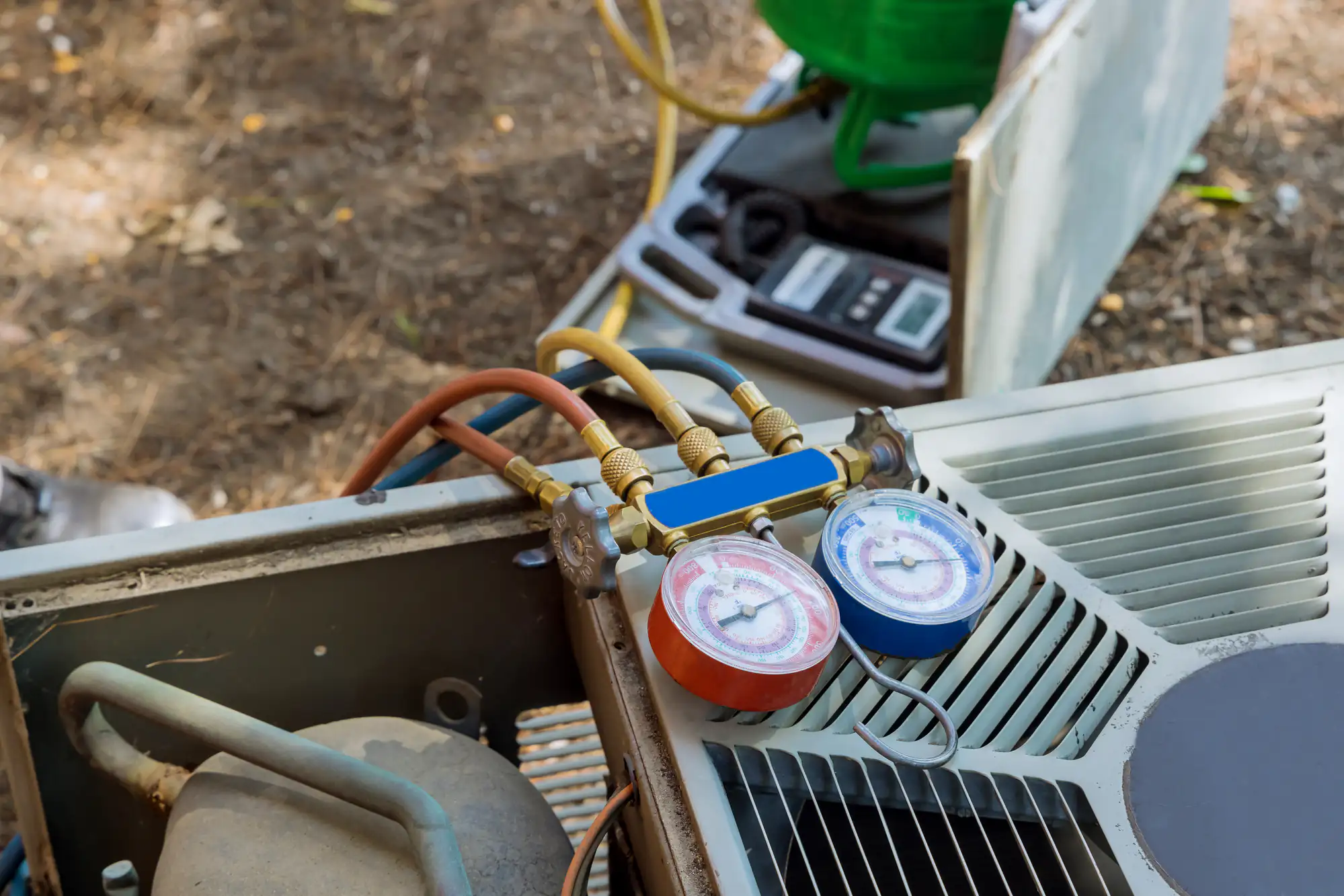
Air conditioning repair in Freeport means dealing with systems that work overtime from June through September. We handle refrigerant leaks, compressor failures, frozen coils, and electrical issues. If your AC is blowing warm air or cycling every few minutes, that’s usually a sign of low refrigerant or a failing component. We diagnose the actual problem, not the symptom, and give you a straight answer on whether repair or replacement makes more sense.
Furnace installation and heating system maintenance matter more than most people realize. Freeport winters aren’t brutal, but a furnace failure in January still means no heat, frozen pipes, and an emergency call that costs double. We install high-efficiency furnaces with AFUE ratings up to 98%, meaning almost every dollar you spend on fuel goes toward heating your home. Regular maintenance catches problems early—cracked heat exchangers, failing igniters, clogged burners—before they leave you without heat.
Indoor air quality ties directly to how your HVAC system handles humidity and filtration. Coastal homes deal with higher humidity, which leads to mold, dust mites, and that persistent musty smell. We integrate dehumidifiers, upgraded filtration, and proper ventilation into your system so you’re not just controlling temperature—you’re actually improving the air your family breathes. That makes a bigger difference than most people expect, especially if anyone in your home deals with allergies or asthma.
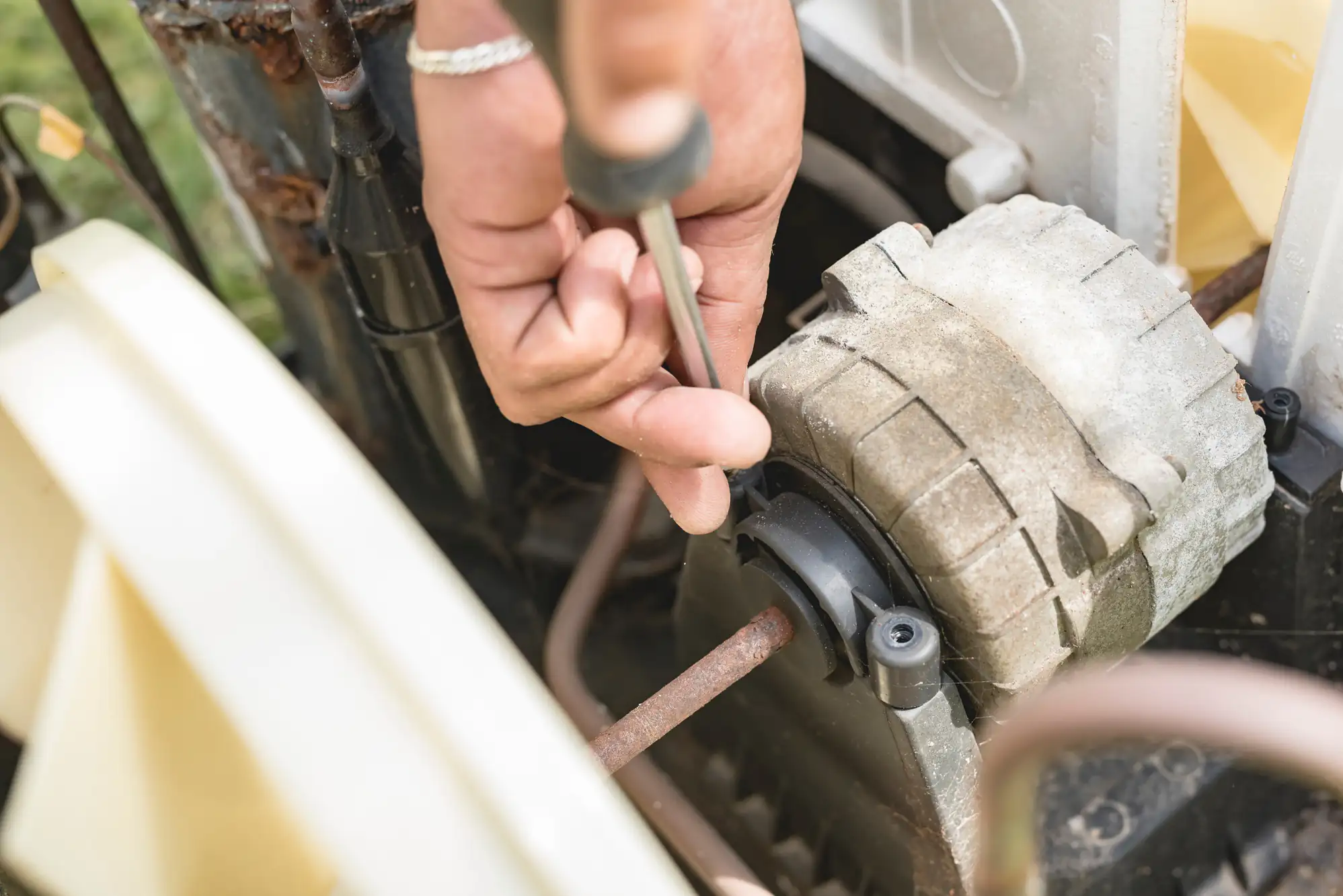
Full system replacement typically runs between $8,000 and $15,000 depending on the size of your home, the efficiency level you choose, and whether you’re installing a traditional furnace and AC setup or switching to a heat pump. That range includes equipment, labor, permits, and disposal of your old system.
Heat pumps qualify for federal tax credits up to $2,000 and state rebates that can add another $6,000 to $10,000. Those incentives drop your actual out-of-pocket cost significantly, and the energy savings start showing up immediately. A modern SEER 20 system uses half the electricity of a ten-year-old SEER 10 unit, which translates to $100+ per month in savings during peak summer months.
We give you a written estimate after measuring your space and understanding your priorities. No pressure, no upselling, just the real numbers so you can make an informed decision. Most installations pay for themselves in five to seven years through lower utility bills alone.
If your furnace is over 15 years old and the repair costs more than half the price of a new unit, replacement makes more sense. Older furnaces also operate at 60-80% efficiency, meaning 20-40% of your fuel cost goes straight out the vent. New high-efficiency models hit 95-98% AFUE, so you’re paying for heat that actually warms your home.
Warning signs include frequent cycling, uneven heating, yellow pilot light flames instead of blue, and rising gas bills even though your usage hasn’t changed. Cracked heat exchangers are a safety issue—they can leak carbon monoxide into your home—and they’re not worth repairing on an aging system.
We’ll tell you honestly whether repair or replacement is the smarter move. Sometimes a $300 repair buys you another two years. Other times you’re throwing money at a system that’s going to fail again in six months. We’ve been doing this long enough to know the difference, and we’re not interested in selling you something you don’t need.
Coastal air in Freeport accelerates corrosion on outdoor units. Salt particles settle on coils, fins, and electrical connections, causing rust and component failure faster than you’d see ten miles inland. If your system wasn’t designed for coastal environments or hasn’t been maintained properly, you’re going to see repeated breakdowns.
Low refrigerant is another common culprit. Systems don’t “use up” refrigerant—if levels are low, there’s a leak somewhere. Topping it off without fixing the leak just means you’ll be dealing with the same problem in a few months. We find the leak, repair it properly, and recharge the system so it actually stays fixed.
Undersized or oversized systems also fail more often. An undersized AC runs constantly, wearing out the compressor. An oversized unit short-cycles, which is just as hard on components. Proper sizing based on your home’s actual cooling load eliminates that issue entirely. That’s why we measure peak usage before recommending equipment—it’s the only way to get sizing right.
Your AC needs a checkup every spring before cooling season starts. That includes cleaning coils, checking refrigerant levels, testing electrical connections, inspecting the condensate drain, and making sure the blower motor and fan are running smoothly. Dirty coils reduce efficiency by 20-30%, and a clogged drain line can flood your basement or damage ceilings.
Your furnace needs attention every fall. We inspect the heat exchanger for cracks, test the igniter and flame sensor, clean burners, check gas pressure, and verify that safety controls are working. Carbon monoxide leaks and furnace fires almost always trace back to skipped maintenance or ignored warning signs.
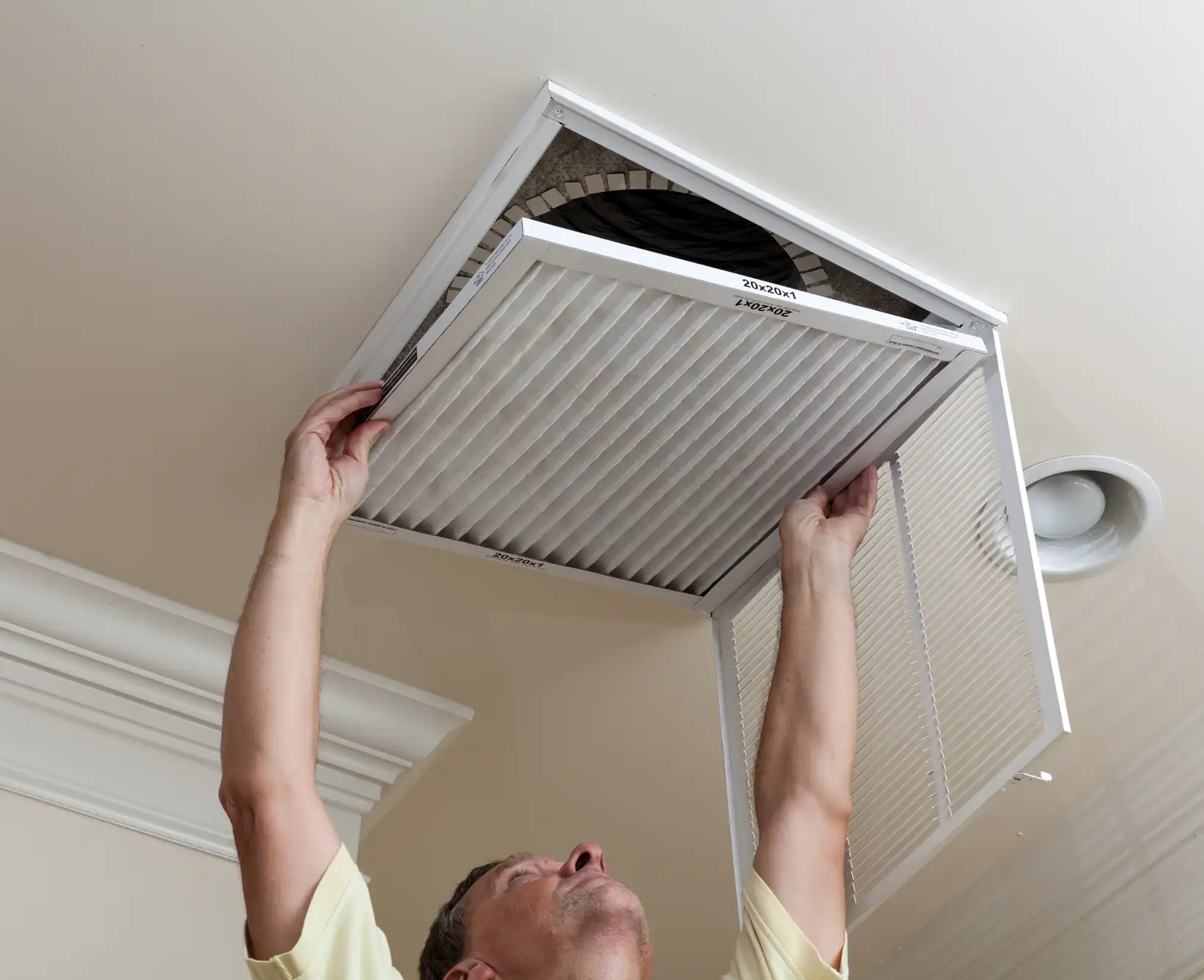
Filters need changing every one to three months depending on the type. If you have pets, live near the water, or run your system constantly, you’re on the shorter end of that range. A clogged filter forces your system to work harder, drives up your electric bill, and leads to frozen coils or overheating. It’s the easiest maintenance task to handle yourself, and it makes a bigger difference than most people realize.
Straightforward replacements—swapping an old system for a new one in the same location—usually take one full day. We remove the old equipment, install the new furnace and AC or heat pump, connect ductwork, run electrical and refrigerant lines, test everything, and walk you through the new system before we leave.
More complex jobs take two days. If we’re relocating equipment, upgrading electrical panels, modifying ductwork, or installing zoning controls, that adds time. We’ll tell you upfront what the timeline looks like so you can plan accordingly.
Permits and inspections add a few days to the overall process, but they don’t affect your comfort. We pull permits before we start, complete the installation, and schedule the inspection. You’ll have heat and cooling the day we finish the install—the inspection is just a formality to close out the paperwork. We’ve been doing this in Nassau County for 40 years, so we know exactly what inspectors look for and how to pass on the first visit.
Modern heat pumps work well in Freeport’s climate. They handle cooling in summer just like a traditional AC, and they provide efficient heating down to about 20-25°F. Freeport rarely sees extended cold snaps below that, so a heat pump can cover your heating and cooling needs year-round with one system.
The efficiency advantage is significant. Heat pumps move heat instead of generating it, so they use 50-70% less energy than electric resistance heating and often outperform older gas furnaces. With current federal and state rebates, you’re looking at $8,000 to $12,000 in incentives, which makes the upfront cost comparable to installing a separate furnace and AC.
The main consideration is backup heat. If temperatures drop into the teens for more than a day or two, the heat pump works harder and efficiency drops. Some homeowners add a small backup heat source for those rare cold stretches. We’ll walk you through the options based on your home’s insulation, your heating preferences, and what makes sense financially. Heat pumps aren’t right for every situation, but for most Freeport homes, they’re the most cost-effective choice available right now.