Hear from Our Customers
Your food stays at safe temperatures. Your health inspector doesn’t find violations. Your staff isn’t scrambling to move product to backup coolers that don’t exist.
That’s the baseline. But when you’re working with a refrigeration service that knows what they’re doing, you also get fewer surprise breakdowns because someone’s actually catching the small problems before they become expensive ones. You get a truck that shows up with the right parts already on board. You get a phone number that works at 2 AM when your freezer alarm goes off.
Most commercial refrigeration systems in Inwood fail the same way—a small issue gets ignored until it becomes a crisis. A door gasket that’s been leaking cold air for months finally causes the compressor to burn out. A clogged drain line that nobody noticed turns into a flood. These aren’t freak accidents. They’re predictable failures that happen when maintenance gets pushed to the bottom of your priority list.
Chill Xpert Solutions has spent over 40 years installing, repairing, and maintaining commercial refrigeration systems across the Greater New York area. We work with restaurants, delis, catering operations, and food service businesses throughout Inwood and Upper Manhattan.
What makes us different isn’t just experience. It’s that we specialize in the systems other contractors won’t touch—custom beer systems, marine HVAC, complex walk-in installations. We stock our trucks with parts for the brands you’re actually using, so most emergency calls get resolved the same day.
Inwood’s food service scene is diverse and demanding. You’re running tight margins, dealing with high rent, and serving customers who expect consistency. Your refrigeration can’t be the weak link. We’ve worked with enough businesses in this neighborhood to know what fails, what lasts, and what’s worth the investment.
If it’s an emergency, you talk to a technician immediately—not an answering service. They’ll walk you through what to do while we’re driving to your location. Our trucks stay stocked with common parts, so there’s a good chance we’ll fix it on the first visit.
For scheduled service and refrigeration maintenance, we show up when we say we will. We inspect the components that actually matter—compressor function, refrigerant levels, door seals, drain lines, temperature accuracy. If something’s wearing out, we tell you what it’ll cost to replace now versus what it’ll cost if it fails during dinner rush.
Installation jobs start with a site visit. We need to see your space, understand your volume, and talk through what you’re trying to accomplish. Then we give you a written estimate with no hidden fees. Once you approve it, we handle everything—permitting, installation, startup, and training your staff on proper operation.
The goal isn’t to sell you the most expensive system. It’s to install something that matches your actual needs and then keep it running efficiently. Most of our business comes from referrals, which only happens when we do the job right the first time.
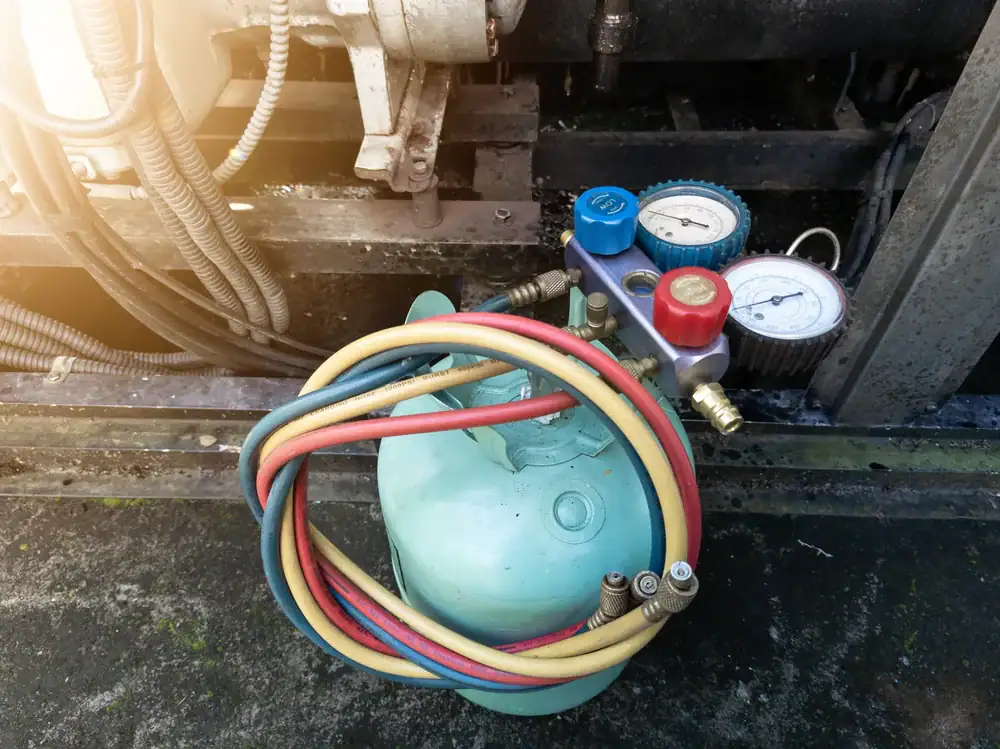
Ready to get started?
We handle new refrigeration installation for walk-in coolers, walk-in freezers, reach-in units, prep tables, and display cases. If you’re opening a new location or replacing failing equipment, we’ll help you choose the right size and configuration for your operation.
Emergency refrigeration repairs run 24/7 because your system doesn’t wait for business hours to break down. When you call our emergency line, you’re talking to someone who can actually help—not a call center reading from a script. We prioritize food service businesses in Inwood because we know what’s at stake when your refrigeration fails.
Preventive maintenance contracts include scheduled inspections, priority emergency response, and discounted repair rates. Most businesses save money with a maintenance plan because you’re catching problems early instead of paying emergency rates to fix them at midnight. We keep detailed service records for every piece of equipment we maintain, which helps during health inspections and insurance claims.
We also install custom beer systems for bars and restaurants that want to serve draft beer properly. These systems require different expertise than standard refrigeration—line length calculations, gas blends, temperature control, and regular cleaning schedules. It’s a specialty service that most HVAC contractors don’t offer.
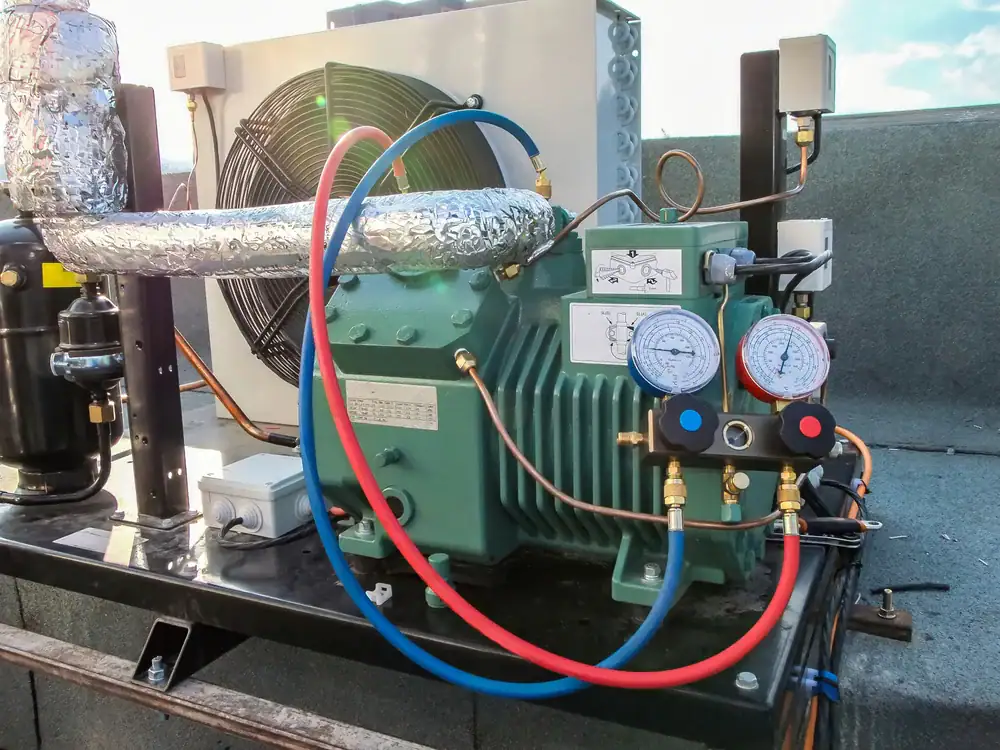
We run 24/7 emergency service because refrigeration failures don’t wait for convenient times. When you call our emergency line, you talk directly to a technician who can start troubleshooting immediately while we dispatch a truck to your location.
Response time depends on where we are when you call and what else is happening that night, but most Inwood locations get service within two hours. Our trucks stay stocked with common parts—compressors, fan motors, thermostats, contactors, door gaskets—so about 70% of emergency calls get resolved on the first visit.
If we can’t fix it immediately, we’ll tell you what’s wrong, what it’ll take to fix it, and what you should do with your inventory in the meantime. The goal is to get you back up and running as quickly as possible, but we’re not going to lie about timeline or costs just to get off the phone.
A maintenance contract means we show up on a regular schedule—usually quarterly—to inspect and service your equipment before problems develop. We check refrigerant levels, test compressor function, clean condenser coils, inspect door seals, verify temperature accuracy, and clear drain lines.
You also get priority emergency response and discounted repair rates when something does break. If you call with a problem at 9 PM on a Saturday, maintenance contract customers move to the front of the line.
The real value is in preventing expensive failures. A maintenance visit might catch a failing compressor before it dies completely, which means you can schedule the replacement during a slow period instead of paying emergency rates when it quits during your busiest shift. Most restaurants and delis save $3,000 to $6,000 per year by preventing just one or two major breakdowns.
If your system is less than seven years old and the repair costs less than half the replacement cost, you probably repair it. If it’s older than twelve years and you’re looking at a major component failure—compressor, evaporator, condenser—replacement usually makes more sense.
But those are just guidelines. The real answer depends on your specific situation. How reliable has this unit been? How much inventory does it hold? Can you afford downtime while we order parts? What’s your budget for capital expenses this year?
We’ll give you an honest assessment of both options with real numbers. Sometimes the right move is to repair it now and budget for replacement next year. Sometimes you’re throwing good money after bad and need to replace it immediately. We’ve been doing this long enough to know the difference, and we’re not going to push you toward the option that makes us more money if it’s not the right call for your business.
Your refrigerators need to stay at 40°F or below. Your freezers need to stay at 0°F or below. Those aren’t suggestions—they’re food safety requirements that health inspectors will check during visits.
The danger zone for bacterial growth is between 40°F and 140°F. When your refrigeration system can’t maintain proper temperatures, you’re not just risking spoilage—you’re risking foodborne illness, health code violations, and potential closure.
Most commercial refrigeration systems have built-in thermometers, but those can fail or become inaccurate over time. We recommend keeping separate monitoring thermometers in your walk-ins and checking them daily. If you’re seeing temperature fluctuations or if your compressor is running constantly, call for service before it becomes a bigger problem. A system that’s struggling to maintain temperature is telling you something’s wrong.
We service and repair all major commercial refrigeration brands—True, Turbo Air, Beverage-Air, Hoshizaki, Manitowoc, Scotsman, and others. Our trucks carry parts for the most common brands and models, which is why we can fix most problems on the first visit.
Some specialized equipment requires manufacturer-specific parts or training, and we’ll tell you upfront if that’s the case. But for standard walk-ins, reach-ins, ice machines, and prep tables, we’ve worked on just about everything that’s out there.
The bigger question isn’t whether we can work on your specific brand—it’s whether your current equipment is worth repairing. Some brands hold up better than others. Some models have known failure points that make them expensive to maintain long-term. If you’re shopping for new equipment, we can tell you which brands we see lasting and which ones we’re constantly repairing.
Dirty condenser coils are the number one cause of compressor failure. When coils get clogged with dust, grease, and debris, your system has to work harder to remove heat. That extra strain burns out compressors, which are expensive to replace.
Door gaskets are another common failure point. A worn gasket lets cold air escape, which makes your compressor run constantly trying to maintain temperature. Most operators don’t notice the problem until their electric bill spikes or the compressor fails.
Drain line clogs cause water damage and ice buildup. In a busy kitchen, debris gets into the drain pan and blocks the line. Water backs up, freezes, and eventually damages components. It’s a cheap fix if you catch it early, but it causes expensive problems if you ignore it. Regular maintenance catches these issues before they shut you down.