Hear from Our Customers
Your furnace quits on the coldest night of the year. Your AC dies during a July heatwave. Your energy bills keep climbing and you don’t know why.
These aren’t minor inconveniences. They’re expensive emergencies that disrupt your life and drain your wallet. And when you’re dealing with Long Island’s humid summers and freezing winters, your HVAC system isn’t optional—it’s essential.
Here’s what changes when your system actually works: your family stays comfortable year-round, your energy bills drop because efficient equipment doesn’t waste electricity, and you stop worrying about surprise breakdowns. You get indoor air quality that doesn’t trigger allergies. You get a system that runs quietly in the background instead of making strange noises at 2 AM.
That’s what proper heating system maintenance, air conditioning repair, and smart HVAC replacement gets you. Not just a working system—a home that feels right.
We’ve spent over 40 years working on commercial refrigeration and marine HVAC systems across the Greater New York area. We’re talking walk-in freezers, airport cooling systems, and boat air conditioning that has to survive salt air and constant moisture.
If we can keep a restaurant’s refrigeration running through a summer rush or maintain HVAC on a yacht, your home system isn’t going to stump us. We know how Long Island’s climate beats up outdoor units. We understand what humidity does to condensers and how salt air corrodes components faster than anywhere else.
We’re bringing that level of expertise to residential HVAC services in Inwood. Same 24/7 availability. Same technical skill. Same honest communication. We’ve earned dozens of five-star reviews by showing up when we say we will and fixing problems right the first time.
You call us or fill out a contact form. We ask what’s happening with your system—no heat, weak airflow, strange smells, whatever the issue is. If it’s an emergency, we dispatch someone immediately. If it’s not urgent, we schedule a time that works for you.
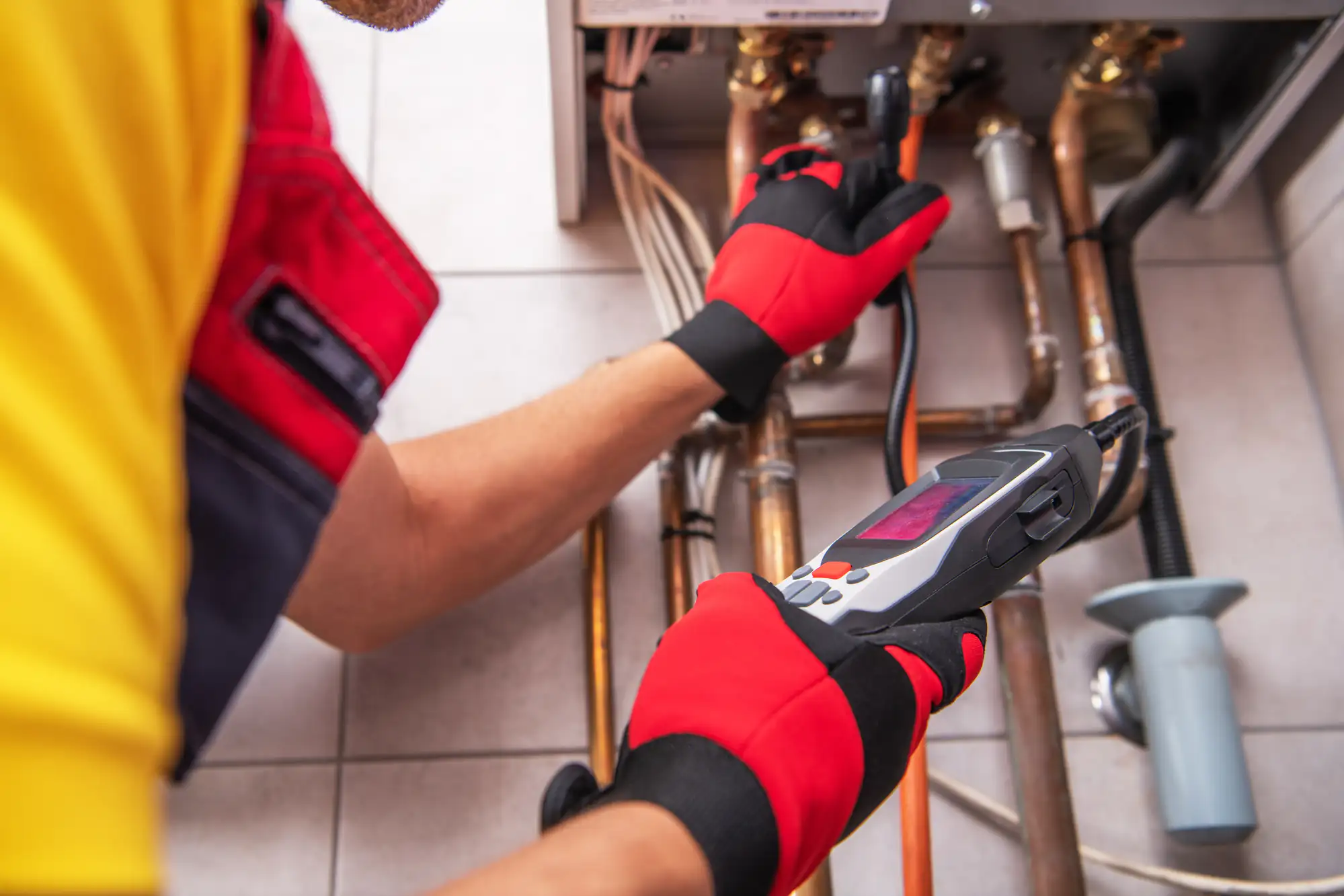
Our technician shows up and actually diagnoses the problem instead of guessing. We inspect your equipment, test components, and figure out what’s wrong. Then we explain it in plain language—no jargon, no upselling, just the facts about what needs fixing and what it’ll cost.
For repairs, about 70% of the time we fix it on the spot. We carry common parts and have the experience to work fast. For bigger jobs like furnace installation or full HVAC replacement, we give you a detailed estimate and timeline before starting any work.
After the job’s done, we test everything to make sure it’s running right. We clean up. We answer your questions. And if something goes wrong later, you’ve got our number—we’re available 24/7, 365 days a year.
Ready to get started?
We handle air conditioning repair when your AC stops cooling or starts making grinding noises. We do furnace installation and heating system maintenance so you’re not freezing when temperatures drop below 55 degrees—which matters in Inwood, where NYC law requires landlords to provide heat and thousands of residents file 311 complaints every winter about heating failures.
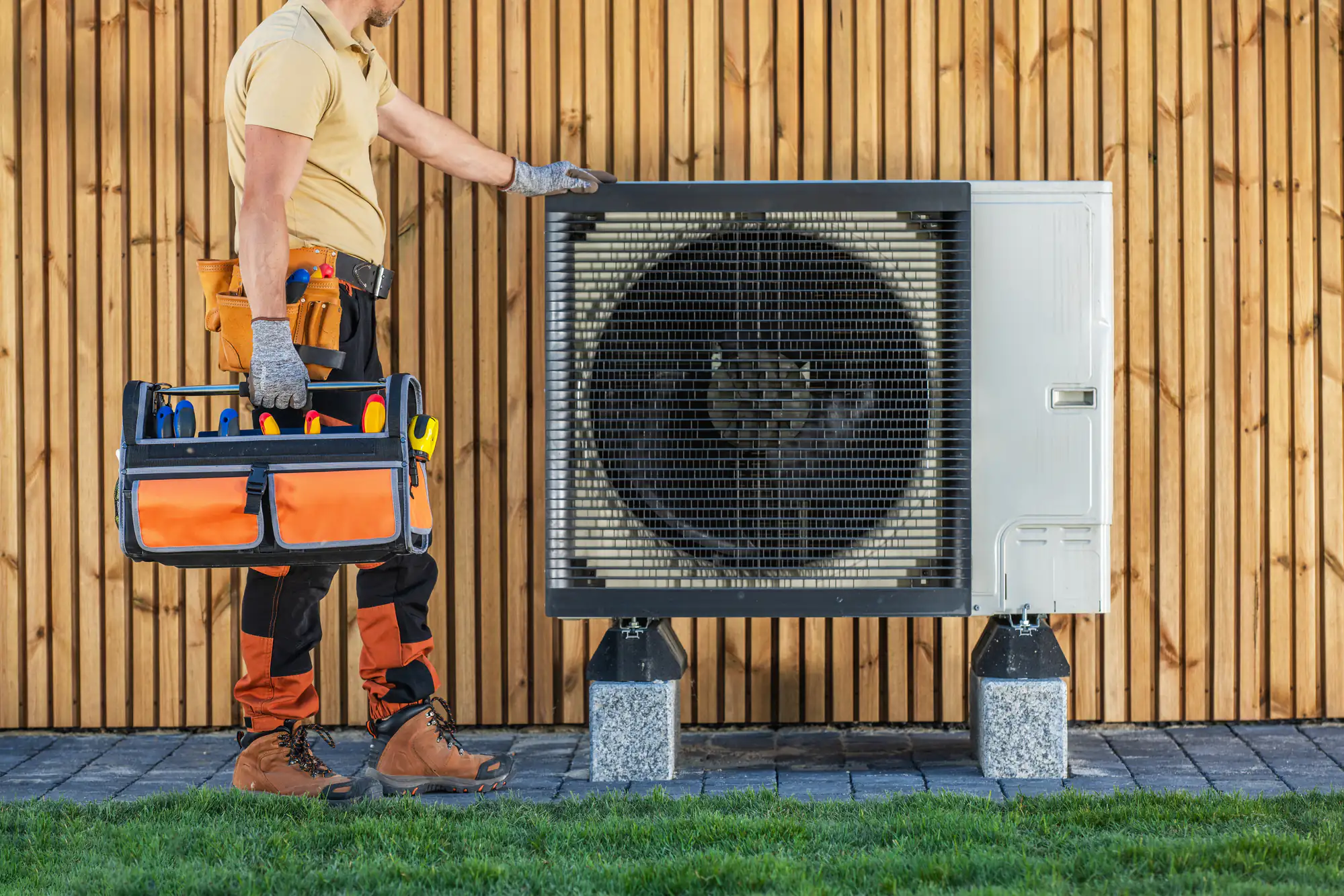
We install and service heat pumps, which are becoming the standard in 2024 and beyond. Over 48% of households are switching to heat pump systems because of federal tax credits and long-term energy savings. We also handle indoor air quality improvements—ERV and HRV ventilators, high-efficiency filters, and systems that actually reduce allergens instead of circulating them.
For HVAC replacement, we focus on energy-efficient equipment that cuts your cooling costs by 15 to 20 percent. Upgrading from a 14.3 SEER2 system to 17 SEER2 can save you roughly $200 per year, and that adds up fast. We also install smart thermostats and integrate modern controls so you can adjust temperatures remotely and get alerts before small problems become expensive emergencies.
Inwood homes deal with uneven heating, old ductwork, and systems that weren’t designed for today’s efficiency standards. We assess what you actually need—not what’s most profitable for us—and recommend solutions that make sense for your home and budget.
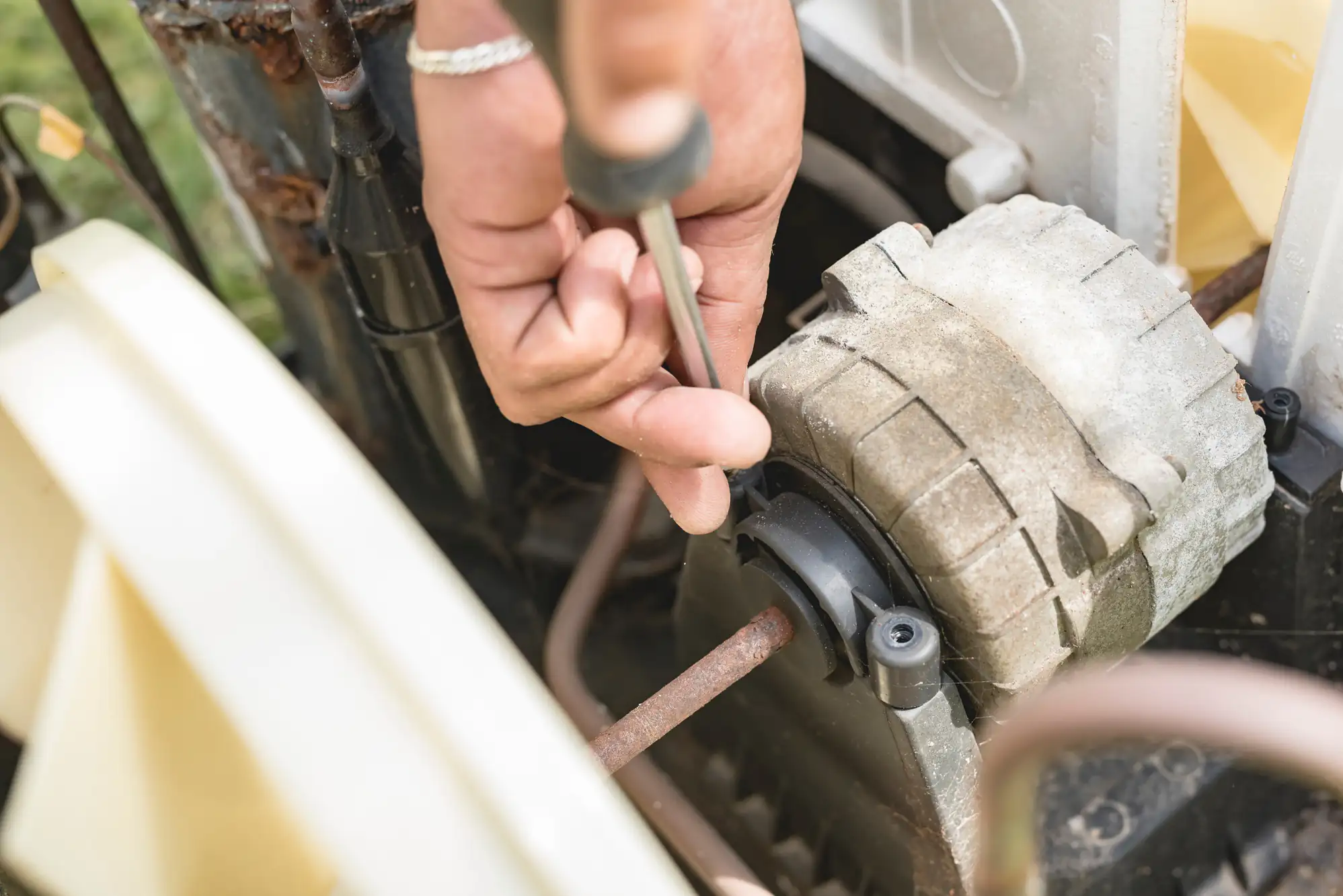
Most HVAC repairs in the New York area run between $415 and $1,200 depending on what’s broken and how hard it is to fix. A simple thermostat replacement or capacitor swap sits on the lower end. Compressor failures, refrigerant leaks, or blower motor replacements cost more.
We give you an upfront estimate before doing any work. No surprises, no hidden fees. If we can fix it for less, we do—we’re not interested in inflating bills or replacing parts that still work fine.
Keep in mind that emergency repairs outside normal business hours might cost more, but we’re transparent about pricing before we start. And if your system is old enough that repairs are costing more than replacement, we’ll tell you that too.
If your furnace is over 15 years old and needs a major repair—like a cracked heat exchanger or failed blower motor—replacement usually makes more sense than sinking money into an aging system. Older furnaces are less efficient, which means higher energy bills every month.
Another sign: if you’re calling for repairs multiple times per year, you’re throwing money away. At that point, a new high-efficiency furnace pays for itself through lower heating costs and fewer service calls.
We’ll walk you through the math during our visit. Sometimes a repair buys you a few more years. Sometimes it’s smarter to invest in new equipment that won’t leave you without heat in the middle of winter. We’ll give you both options and let you decide.
Yes. We run 24/7 emergency service, 365 days a year. HVAC problems don’t wait for business hours, and we don’t either.
If your heat goes out on a Sunday night in January or your AC dies during a summer heatwave, call us. We’ll get someone to your home as fast as possible—usually same-day for true emergencies. About 70% of emergency calls get fixed on the spot because we carry common parts and our technicians know how to diagnose problems quickly.
For issues we can’t fully resolve immediately, we’ll get your system running temporarily so you’re not stuck without heating or cooling while we order parts or schedule a bigger repair. Emergency service costs more than scheduled maintenance, but when you’re dealing with freezing temperatures or dangerous heat, it’s worth it.
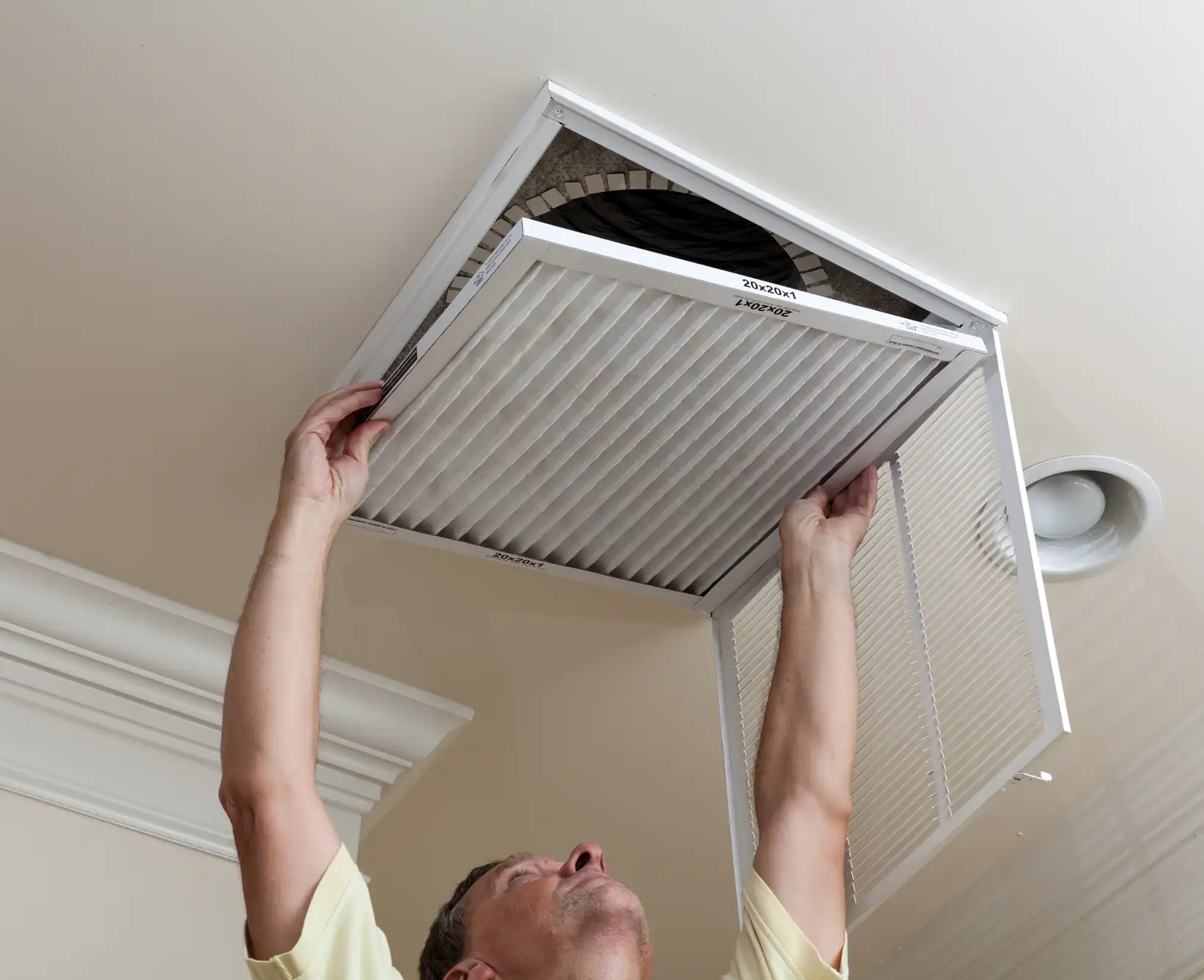
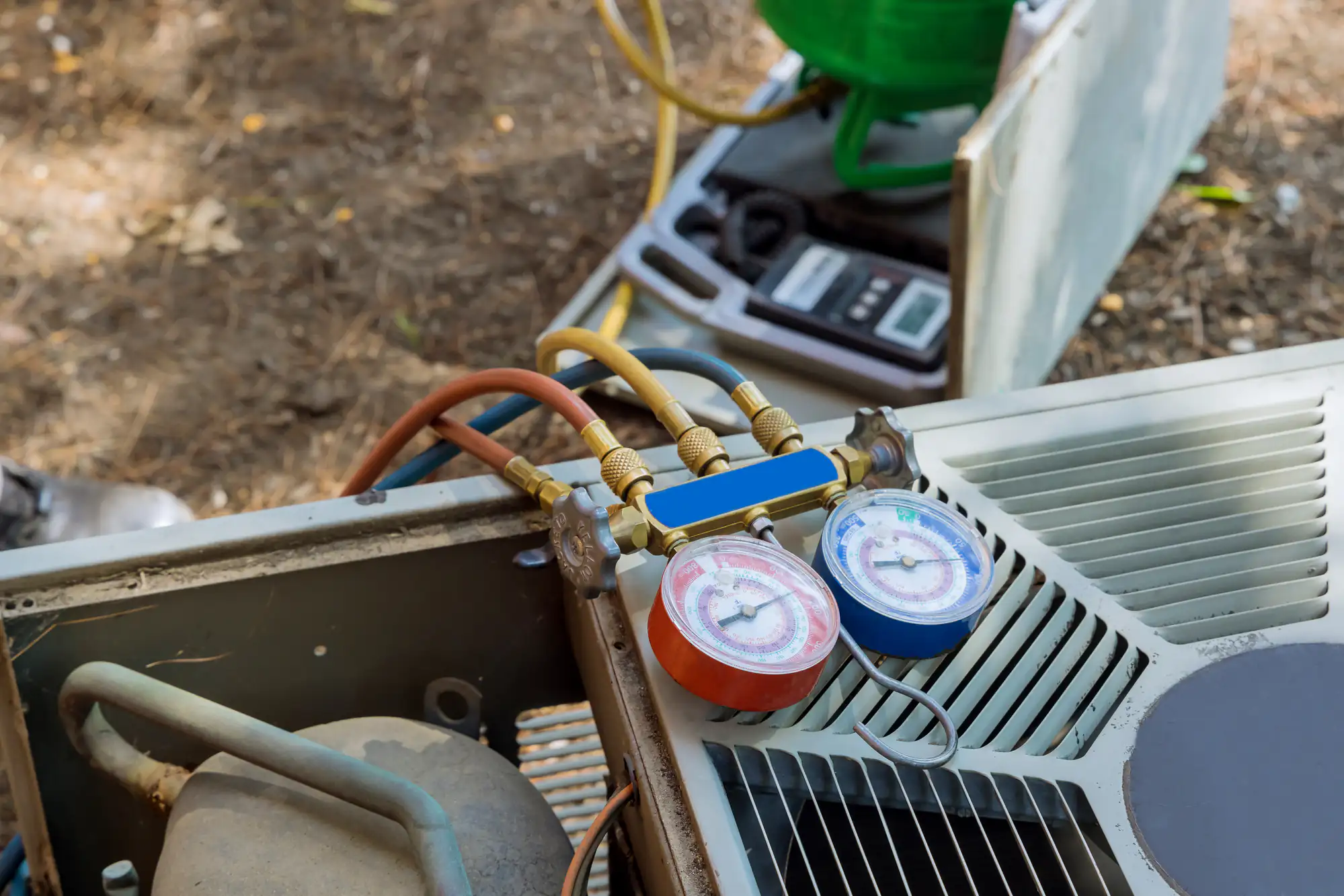
HVAC maintenance means inspecting, cleaning, and tuning up your system so it runs efficiently and doesn’t break down unexpectedly. We check refrigerant levels, clean coils, test electrical components, inspect ductwork, replace filters, and look for early signs of wear.
You should schedule maintenance twice a year—once before cooling season and once before heating season. Spring and fall are ideal. Regular maintenance extends your equipment’s lifespan, keeps energy bills lower, and catches small problems before they turn into expensive repairs.
Skipping maintenance is like never changing your car’s oil. It’ll run fine for a while, then fail at the worst possible time. Long Island’s humidity and salt air are especially tough on HVAC equipment, so consistent upkeep matters more here than in other climates. We offer maintenance plans that remind you when it’s time and give you priority scheduling.
Heat pumps work well in Inwood if you choose the right system. Modern cold-climate heat pumps handle freezing temperatures better than older models, and they’re more efficient than traditional furnaces because they move heat instead of generating it.
Over 48% of U.S. households are switching to heat pumps, partly because of federal tax credits and state rebates that make them more affordable upfront. They also cut energy costs long-term—you’re using electricity more efficiently instead of burning gas or oil.
The catch: heat pumps cost more to install than standard AC units, and they need proper sizing for your home. Undersized systems struggle in extreme cold. Oversized systems cycle on and off too frequently and waste energy. We assess your home’s heating and cooling load before recommending a heat pump, and we only suggest them when they actually make sense for your situation and budget.
Start with your HVAC system—it’s either helping or hurting your indoor air quality. High-efficiency particulate filters trap more allergens, dust, and pollutants than standard filters. ERV and HRV ventilators bring in fresh outdoor air while exhausting stale indoor air, which reduces humidity and prevents mold growth.
If allergies are a problem, consider UV air purifiers that kill bacteria and mold spores inside your ductwork. Whole-home dehumidifiers help during Long Island’s humid summers when moisture makes everything feel worse and creates conditions for mold.
We also check for duct leaks, which pull in dust and contaminants from attics or crawl spaces. Sealing ducts improves air quality and efficiency at the same time. Indoor air quality upgrades aren’t just about comfort—they reduce respiratory issues, improve sleep, and make your home healthier overall. We’ll assess your current system and recommend specific improvements based on what’s actually affecting your air quality.