
Hear from Our Customers
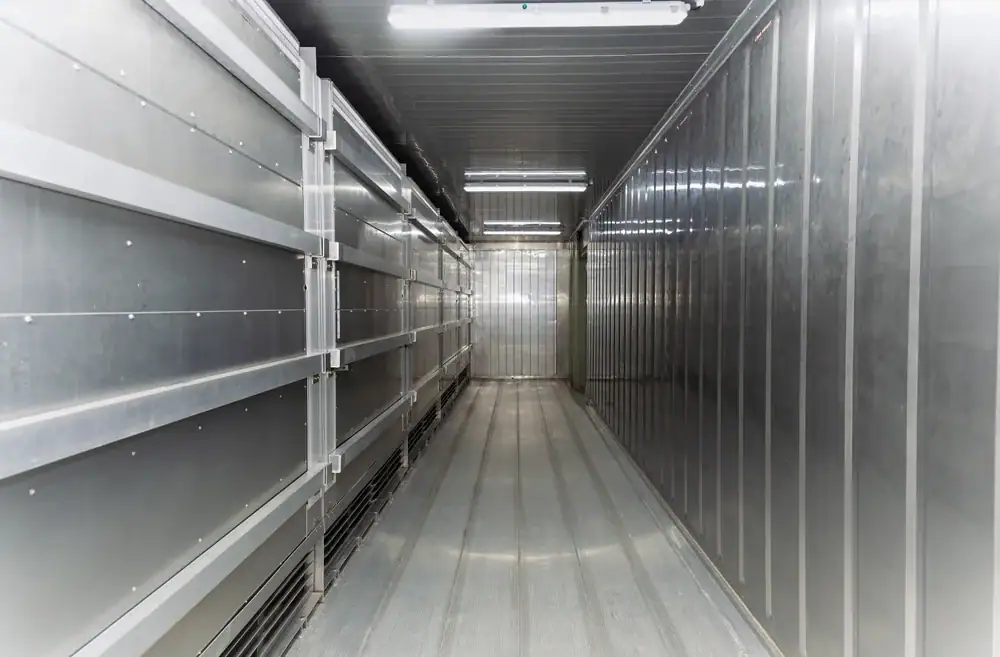
Your walk-in holds temp through dinner rush. Your produce stays crisp overnight. Your health inspector sees perfect logs and moves on without a second look.
That’s what reliable commercial refrigeration looks like. No surprise failures during peak hours. No scrambling to move thousands of dollars of inventory into backup coolers that don’t exist. No explaining to customers why half your menu isn’t available.
When your refrigeration systems run the way they should, your food costs stay predictable. Your staff isn’t dealing with temperature alarms at 2 AM. Your insurance company isn’t asking questions about spoilage claims. You’re running a business instead of babysitting equipment that should just work.
Most commercial refrigeration problems don’t announce themselves with a complete shutdown. Your compressor starts running longer cycles. Your energy bill creeps up twenty percent over three months. Your cooler takes an extra hour to recover after a busy service. By the time you notice something’s actually wrong, you’re already losing money.
We’ve been handling commercial refrigeration in Kensington and throughout the Greater New York area since the early 1980s. That’s four decades of walk-ins, reach-ins, display cases, and custom beer systems in restaurants, delis, catering halls, and airports.
We’re not a general HVAC company that does refrigeration on the side. This is what we do. Marine HVAC and commercial refrigeration service, installation, and emergency repairs. The specialized stuff that requires actual expertise, not a YouTube tutorial and a prayer.
Kensington businesses call us because we answer at midnight on Sunday. Because we stock parts for systems other companies gave up on years ago. Because when we say we’ll be there in an hour, we mean it. Dozens of five-star reviews from restaurant owners and facility managers who’ve dealt with the alternative and know the difference.
You call or submit a request. We ask specific questions about what’s happening with your system because details matter. Is the compressor running? What’s the actual temp reading? When did you first notice the problem? This isn’t small talk. It tells us what parts to bring and how fast we need to move.
We give you a realistic arrival time and a free estimate before we start work. No surprises, no “once we got in there” upcharges. If it’s an emergency, we’re usually on-site within an hour or two. If it’s scheduled maintenance or a new installation, we work around your business hours.
Our tech shows up with a fully stocked van. We diagnose the actual problem, not just the obvious symptom. A failing compressor might be the real issue, or it might be a bad relay that costs forty dollars instead of four thousand. We explain what we found, what it costs to fix, and how long it’ll take.
Once you approve the work, we handle it. We test everything before we leave. We make sure your system is holding proper temp and running efficiently. Then we walk you through what we did and what to watch for going forward. If it’s a bigger job like a new walk-in installation or a custom beer system, we coordinate delivery, installation, and testing to minimize disruption to your operation.
Ready to get started?
Commercial refrigeration service means different things depending on who you’re talking to. For us, it covers everything from emergency repairs at 3 AM to planned installations of new walk-in coolers and freezers.
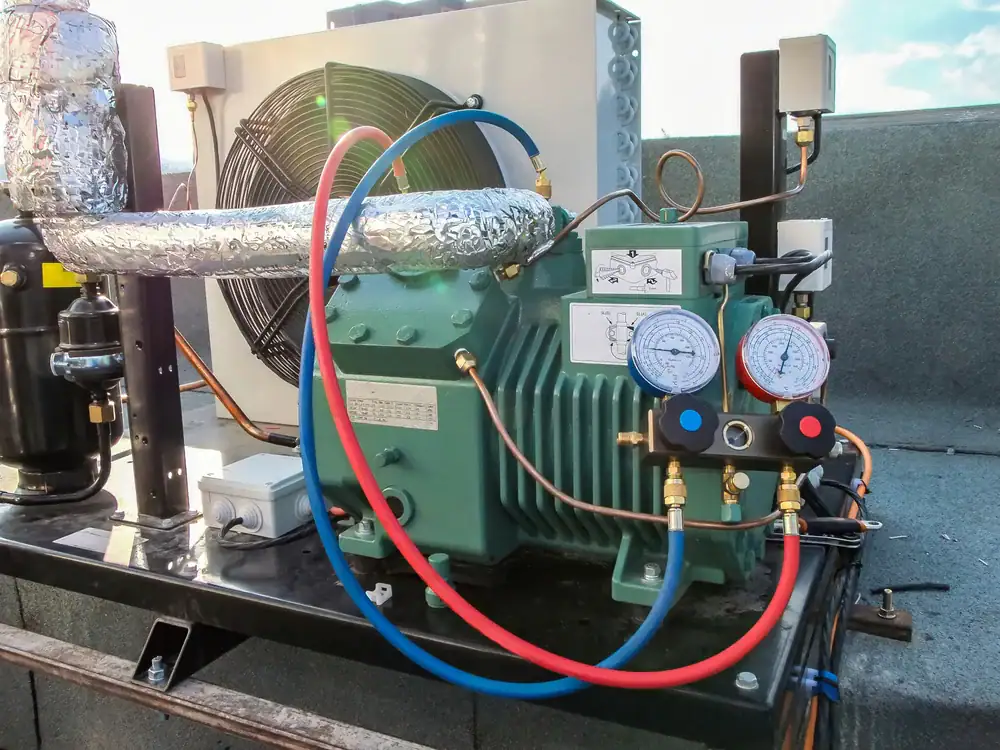
Emergency refrigeration repairs are exactly that. Your system fails, we respond. Twenty-four hours a day, seven days a week. We handle compressor failures, refrigerant leaks, electrical issues, failed thermostats, broken door seals, and control board problems. If it keeps your food cold, we fix it.
Refrigeration installation covers new walk-ins, reach-ins, display cases, and custom solutions like beer systems for bars and restaurants. We handle the whole process from sizing the system correctly for your space and load requirements to final testing and staff training. Kensington’s mix of food service businesses means we’re constantly working with different building types and space constraints. A deli in a hundred-year-old building needs a different approach than a new catering hall.
Refrigeration maintenance is the service most businesses skip until something breaks. Scheduled inspections catch small problems before they become expensive emergencies. We check refrigerant levels, test electrical components, clean condenser coils, verify temperature accuracy, and inspect door seals and gaskets. Preventive maintenance typically reduces your repair costs by twenty-five to forty percent over the life of the equipment. It also keeps your energy bills from creeping up as components wear out and efficiency drops.
We typically arrive within one to two hours for true emergencies in Kensington and the surrounding area. When you call with a system failure, we’re already thinking about what parts you likely need and which tech is closest to your location.
True emergency response means we pick up the phone after hours. A lot of companies advertise twenty-four-seven service but route you to an answering service that takes a message for Monday morning. That doesn’t help when your walk-in is climbing past fifty degrees on Saturday night.
Response time depends on where you are, what’s currently happening with other emergency calls, and whether we need to source a specific part. But if your food is at risk, we move fast. We’ve had techs turn around from dinner plans, leave family events, and drive in from home at 2 AM because that’s what emergency service actually means.
Repairs typically run anywhere from a few hundred dollars for simple fixes like thermostats or relays up to several thousand for major component replacements like compressors. Full system replacement for a standard walk-in cooler usually starts around eight to twelve thousand and goes up depending on size and features.
The decision isn’t just about the immediate cost. If your system is less than seven years old and the compressor fails, repairing it usually makes sense. If it’s fifteen years old, runs constantly, and your energy bills have doubled, replacement pays for itself faster than you’d think.
Here’s what most people don’t consider: older systems use refrigerants that are being phased out. When R-22 systems need refrigerant, you’re paying premium prices for a declining supply. Newer systems run on modern refrigerants, use thirty to forty percent less energy, and have better temperature control. A system that costs you three hundred extra dollars per month in electricity is costing you thirty-six hundred per year. That’s real money that could go toward a new system instead.
We give you honest numbers on both options. Sometimes the right answer is fixing what you have. Sometimes it’s cutting your losses and upgrading. We’re not in the business of selling you equipment you don’t need.
If your system is still holding temperature but running longer cycles, making new noises, or causing higher electric bills, that’s maintenance territory. If it’s not holding temp, leaking water, tripping breakers, or showing error codes, you need repairs.
Maintenance addresses problems before they cause failures. Dirty condenser coils make your compressor work harder. Low refrigerant from a slow leak reduces cooling capacity. Worn door gaskets let warm air in constantly. These issues don’t stop your system immediately, but they cost you money every single day and shorten equipment life.
Repairs fix things that have already failed or are about to fail. A compressor that’s overheating and shutting down on thermal overload isn’t a maintenance issue. A refrigerant leak that’s emptied your system isn’t something you can tune up. Failed control boards, broken fan motors, and electrical shorts need actual repairs.
The line gets blurry sometimes. What starts as a maintenance issue often turns into a repair need if you wait too long. That small refrigerant leak becomes a burned-out compressor when the system runs low for months. Regular maintenance catches these problems early when they’re cheap and easy to fix.
Walk-in coolers and freezers are standard for most full-service restaurants and delis because you need serious storage capacity. Reach-in units work for prep areas and line cooking where you need quick access. Display cases make sense for delis and any business where customers need to see product.
The right system depends entirely on your space, volume, and what you’re storing. A busy deli moving hundreds of sandwiches daily needs different refrigeration than a fine dining restaurant doing sixty covers per night. Kensington’s food service businesses range from small takeout spots to large catering operations, and the refrigeration requirements are completely different.
Custom solutions matter more than most people realize. Beer systems for bars require specific temperature control and line cooling that standard refrigeration doesn’t provide. Bakeries need different humidity levels than produce storage. Seafood requires colder temps than dairy. We size and spec systems based on actual load requirements, not generic recommendations.
Building constraints in Kensington also affect equipment choices. Older buildings with limited electrical service can’t always support the largest systems. Tight spaces require creative installation approaches. We’ve installed walk-ins in basements, on rooftops, and in buildings where getting equipment through the door required partial disassembly and reassembly inside.
Yes. Marine HVAC and refrigeration is actually one of our specialties. Boats and marine facilities have unique requirements that most commercial refrigeration companies don’t understand or won’t touch.
Marine refrigeration deals with constant motion, salt air corrosion, limited space, and power constraints. The systems need to be compact, efficient, and built to handle conditions that would destroy standard commercial equipment in months. We’ve worked on everything from small fishing vessels to large commercial boats and marine facilities throughout the New York area.
Specialty applications beyond marine include custom beer systems for bars and restaurants, wine storage systems requiring precise temperature and humidity control, and pharmaceutical-grade refrigeration for medical facilities. These aren’t off-the-shelf installations. They require specific expertise in system design, component selection, and installation techniques.
Most refrigeration companies stick to standard walk-ins and reach-ins because that’s what they know. We handle the complicated stuff because we’ve been doing it for forty years and we actually understand the engineering behind different refrigeration applications. When you need something beyond basic commercial refrigeration, you need someone who’s done it before and knows how to do it right.
We start with a site visit to assess your space, electrical service, and specific requirements. We measure everything, check your power supply, look at access points for equipment delivery, and discuss exactly what you need the system to do. This isn’t a quick walkthrough. We’re gathering information that determines whether your installation succeeds or becomes an expensive problem.
Next comes system design and equipment selection. We size the refrigeration based on your actual storage volume, product type, how often doors open, and ambient conditions. Undersized systems run constantly and fail early. Oversized systems short-cycle and waste energy. We spec it right the first time.
Once you approve the proposal, we schedule installation around your business operations. For new construction or major renovations, we coordinate with other trades. For existing businesses, we work nights or slow periods to minimize disruption. We handle all electrical work, refrigerant lines, insulation, and final connections.
Testing and commissioning happens before we consider the job complete. We run the system through full cycles, verify it reaches and maintains proper temperatures, check all safety controls, and make sure everything operates as designed. Then we train your staff on basic operation, what to watch for, and when to call us. The whole process typically takes anywhere from a few days for simple installations to several weeks for complex custom systems.