Hear from Our Customers
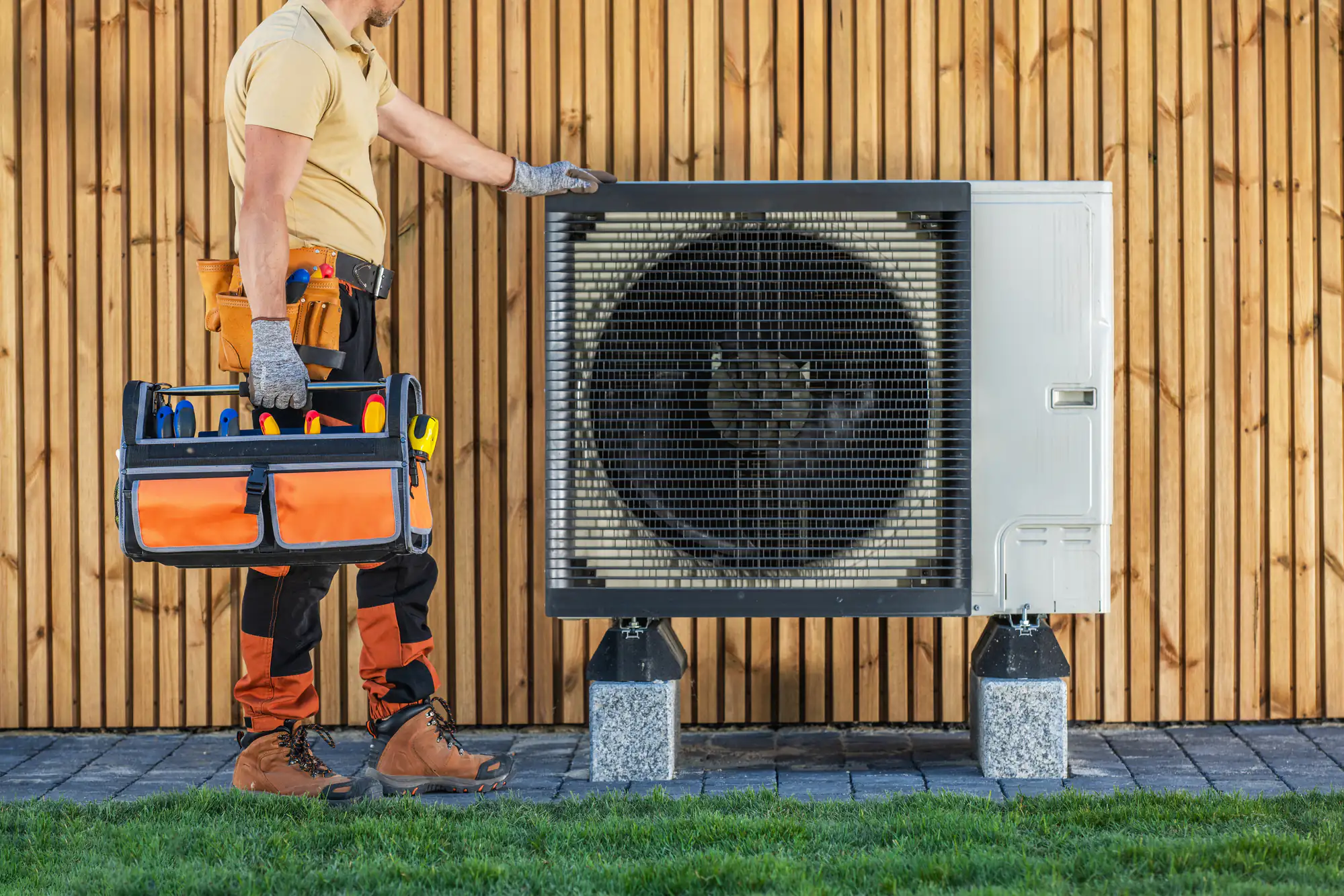
Your HVAC system should keep you comfortable without draining your wallet. When it’s working right, you’re not thinking about it. No cold spots in winter. No sweltering bedrooms in July. No surprise failures when temperatures hit extremes.
Modern heating and cooling equipment can cut your energy use by 20% to 50% compared to older systems. That’s real money back in your pocket every month. But efficiency only matters if the system actually runs when you need it.
Most emergency calls we handle in Kensington happen because small problems got ignored. A furnace that’s struggling to maintain temperature. An AC unit that’s running constantly but barely cooling. These aren’t just comfort issues—they’re warnings that something’s about to fail, usually at the worst possible time.
We stock our trucks with parts for every major brand so about 70% of repairs get finished the same day. No waiting around for parts to arrive. No second appointments. Just a working system and a home that feels right again.
We’ve been handling HVAC and refrigeration work across Nassau County since the early 1980s. Kensington’s unique housing stock—walk-ups, brownstones, homes with tight spaces and challenging layouts—requires technicians who’ve actually solved these problems before.
Our background in marine HVAC and commercial refrigeration means we’re used to complex installations in difficult environments. Tight engine rooms. Restaurant kitchens. Airport facilities. If we can install and service climate control systems in those conditions, your home’s challenges aren’t going to stump us.
You’ll work with licensed, insured technicians who show up when they say they will. We’re available 24/7 for emergencies, and we mean actual technicians—not an answering service that takes a message. When your heat goes out at 2 AM in January, that distinction matters.
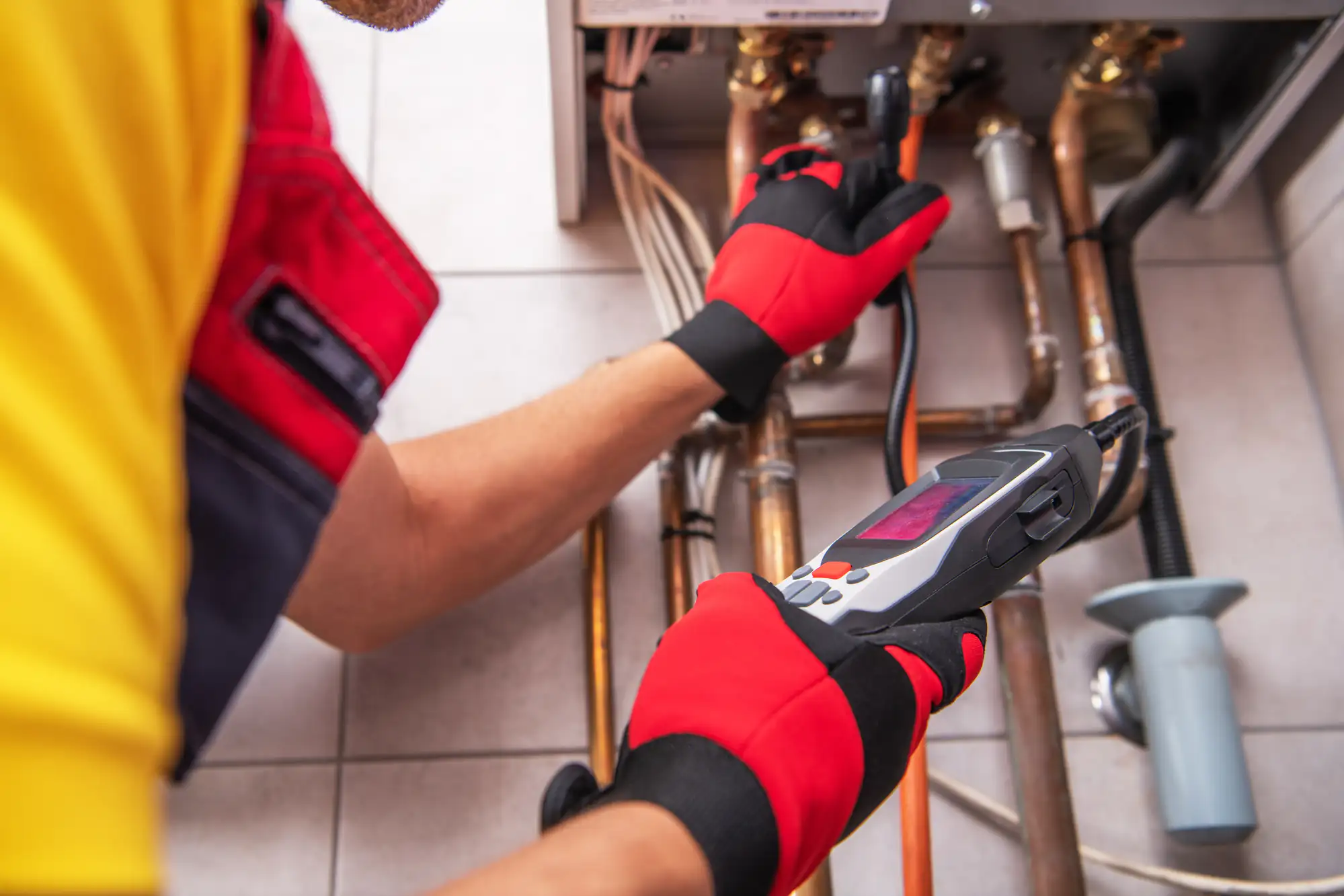
First, we figure out what’s actually wrong. That means a real diagnostic, not a sales pitch disguised as an inspection. If you need a repair, we’ll tell you what it costs before we touch anything. If you need a replacement, we’ll explain why and show you options at different price points.
For installations, we start with a load calculation—the actual math that determines what size system your home needs. Too many contractors skip this step and just match whatever you had before. Wrong-sized equipment costs you money every month and wears out faster.
We handle the permit process, coordinate any electrical work, and make sure the installation meets manufacturer specs so your warranty stays valid. Our trucks carry diagnostic equipment and common parts, which is why most service calls get resolved in one visit.
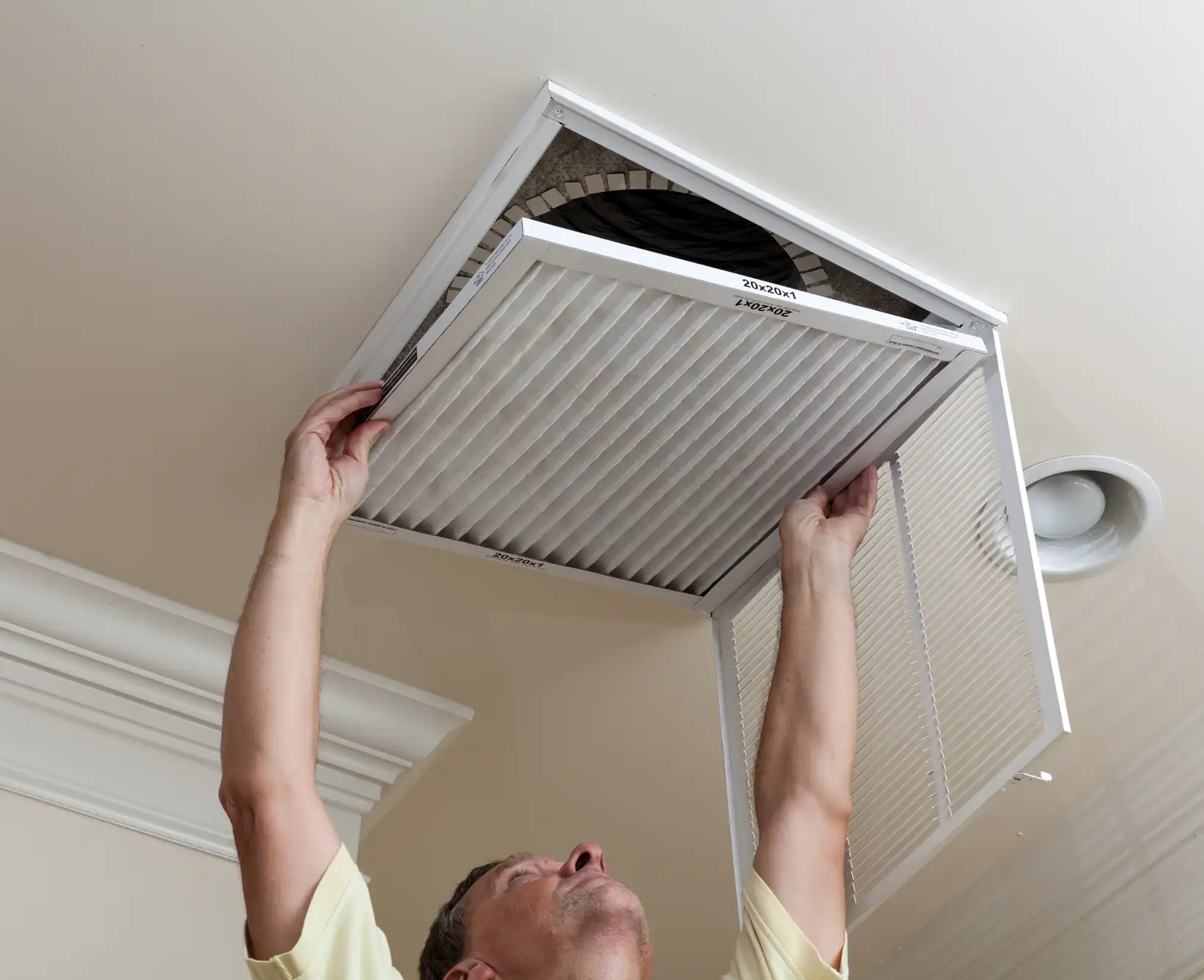
After installation, you’ll get a walkthrough of your new system. How to change filters. What sounds are normal. When to call us. We’re not trying to make this complicated—modern HVAC systems are pretty straightforward once someone explains them in plain language.
Ready to get started?
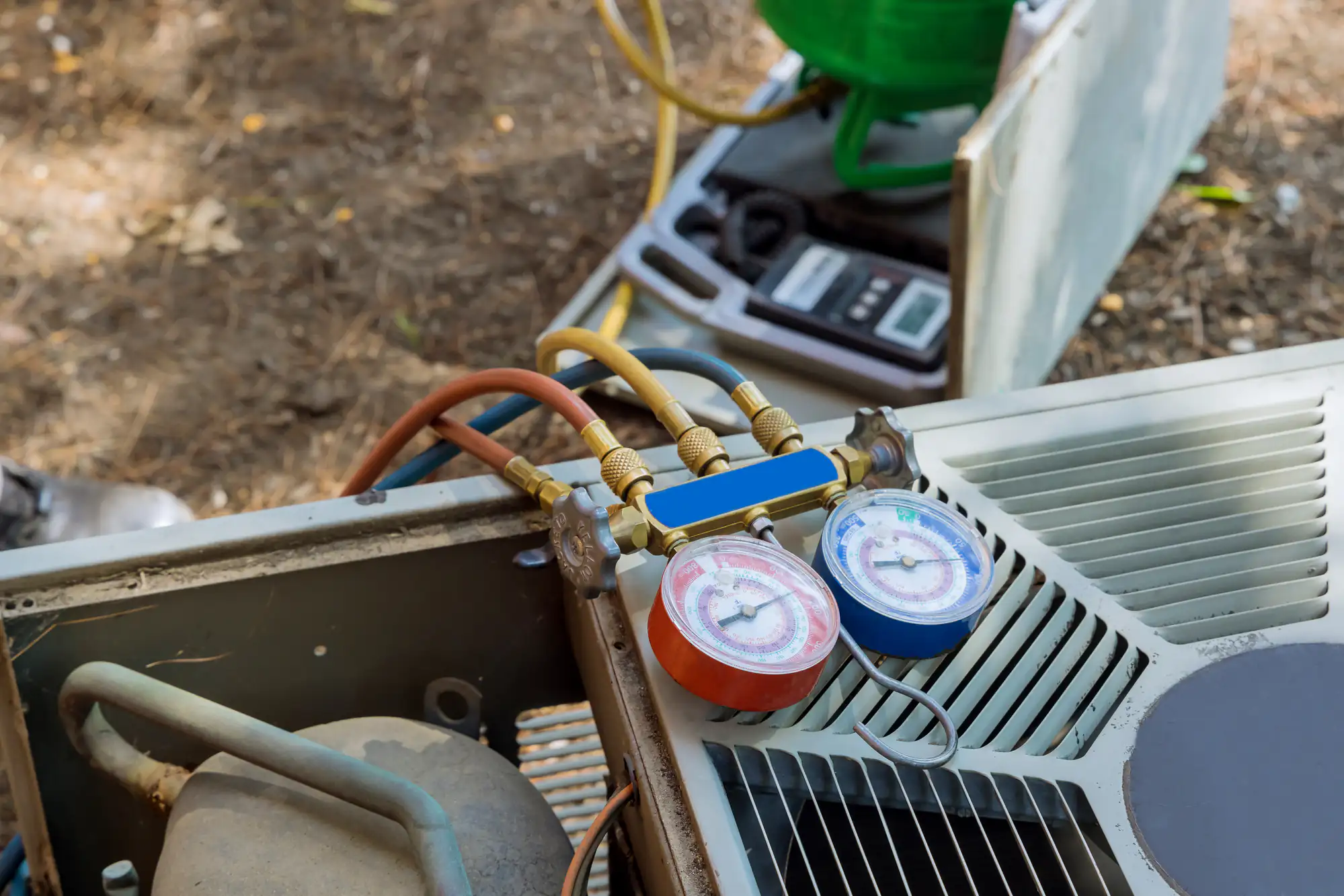
Air conditioning repair in Kensington means dealing with Long Island’s humid summers. Your AC isn’t just cooling air—it’s pulling moisture out of it. When humidity levels stay high, even a functioning system can struggle. We check refrigerant levels, clean coils, and make sure airflow is balanced so every room gets proper cooling and dehumidification.
Furnace installation and heating system maintenance matter more than most people realize. New York requires indoor temperatures of at least 68°F during heat season when it drops below 55°F outside. An undersized or failing furnace doesn’t just make you uncomfortable—it can put you out of compliance. We size heating equipment correctly and maintain it so it fires up reliably every time temperatures drop.
Indoor air quality gets worse in homes that are sealed tight for energy efficiency. That’s most of Kensington’s housing stock. Better filtration, proper ventilation, and humidity control make a measurable difference in how your home feels and how well you breathe inside it.
HVAC replacement is happening at record rates right now. Systems installed in the mid-2000s are hitting end of life, and the refrigerant transition means older units are getting expensive to repair. If your system is 15+ years old and needs a major repair, replacement usually makes more financial sense. Modern equipment is dramatically more efficient, and federal tax credits cover 30% of heat pump installations through 2025—up to $2,000 back.
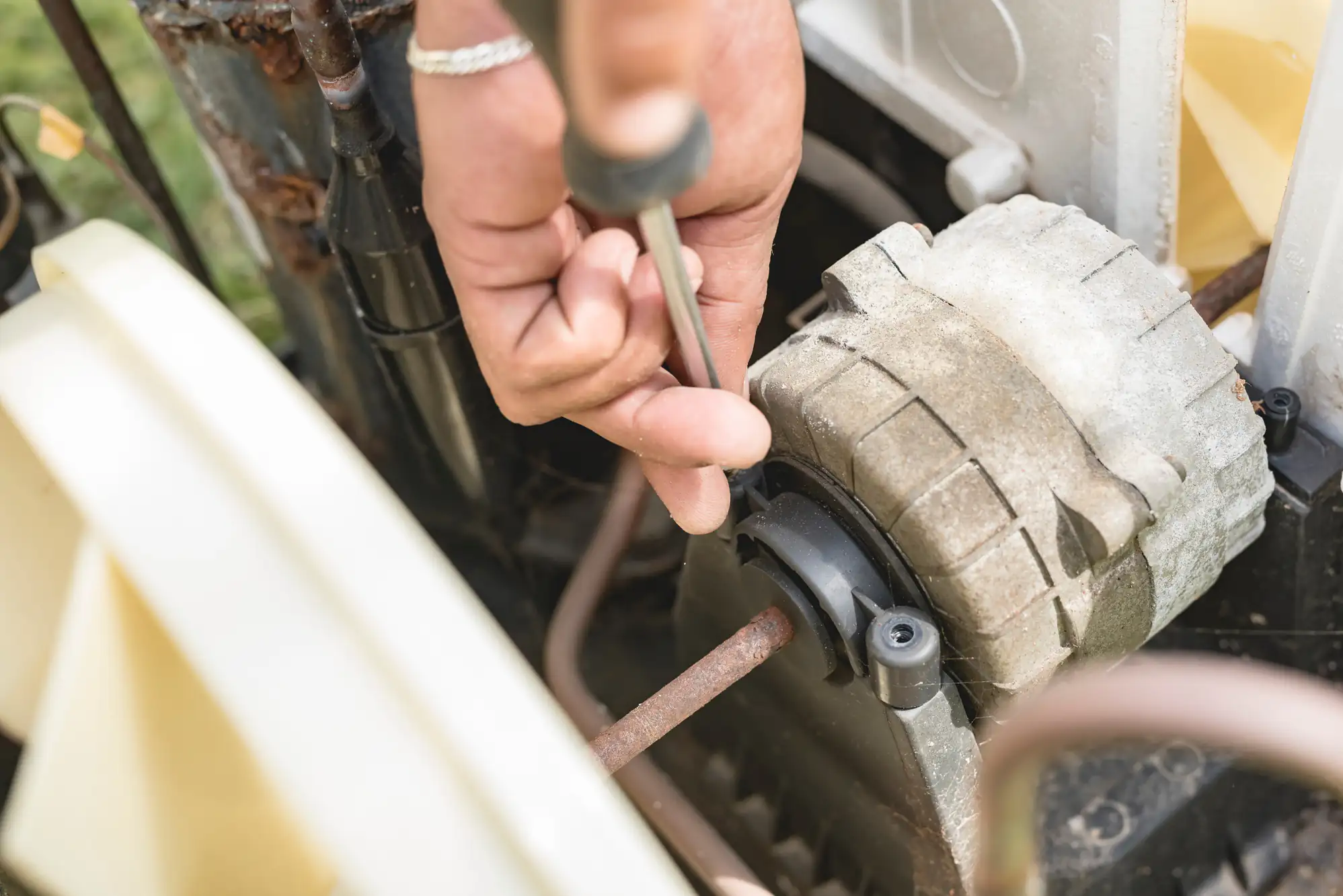
System replacement costs depend on your home’s size, the equipment you choose, and how complex the installation is. A straightforward replacement in a single-family home typically runs between $8,000 and $15,000 for quality equipment and proper installation.
That range covers a lot of variables. Ductless mini-split systems cost differently than central air. High-efficiency heat pumps cost more upfront but qualify for federal tax credits and save money monthly. Homes with existing ductwork cost less to upgrade than homes that need new duct runs.
What drives cost up is usually the installation complexity, not the equipment. Tight spaces, electrical upgrades, permit requirements, and accessibility all factor in. We give you a written estimate that breaks down equipment and labor separately so you can see exactly where your money goes. No hidden fees, no surprise charges after the work is done.
Once a year, ideally in fall before you need your heat. Furnaces and boilers need annual attention to run safely and efficiently. Heat pumps should get checked twice—once before heating season and once before cooling season, since they work year-round.
Annual maintenance catches small problems before they become expensive failures. A pilot light that’s burning the wrong color. A heat exchanger with early signs of cracking. A blower motor that’s drawing too much current. These issues don’t fix themselves, and they get worse under the stress of a cold winter.
Most manufacturers require annual professional maintenance to keep warranties valid. Skip it, and you might be paying out of pocket for a repair that should have been covered. We keep records of every service visit, which helps if you ever need to file a warranty claim.
Heat pumps are the most efficient option for heating and cooling in our climate. Modern cold-climate heat pumps work reliably down to -15°F and can cut heating electricity use by up to 75% compared to electric resistance heat. They also cool in summer, so you’re replacing both systems with one piece of equipment.
The catch is upfront cost. Heat pumps cost more to install than traditional furnaces or AC units. But federal tax credits currently cover 30% of the equipment and installation cost, up to $2,000 back. Combined with lower monthly energy bills, most homeowners break even in 5 to 8 years.
Ductless mini-splits are another high-efficiency option, especially for homes without existing ductwork or for room additions. They let you control temperature room by room, so you’re not heating or cooling spaces you’re not using. Installation is less invasive than central systems, and efficiency ratings are excellent.
Constant running with poor cooling usually means one of three problems: low refrigerant, dirty coils, or an undersized system. Low refrigerant happens when there’s a leak somewhere in the system. Your AC can’t absorb heat properly without enough refrigerant, so it runs and runs without ever reaching the temperature you set.
Dirty evaporator or condenser coils block airflow and reduce heat transfer. The system has to work harder and longer to move the same amount of heat. This is especially common on Long Island where coastal air carries salt and humidity that coat outdoor units.
An undersized system simply can’t keep up with your home’s cooling load on the hottest days. It’ll run 24/7 and still struggle to maintain temperature. This happens when someone installed equipment without doing a proper load calculation, or when you’ve added square footage without upgrading capacity.
We can diagnose which issue you’re dealing with in one service call. Refrigerant leaks get repaired and recharged. Dirty coils get cleaned. Undersized systems need replacement, but at least you’ll know why it’s been struggling and what it’ll take to fix it permanently.
Age and repair cost are the two factors that matter most. If your system is under 10 years old and the repair costs less than half of replacement, repair almost always makes sense. If your system is over 15 years old and needs a repair that costs more than $2,000, replacement usually makes more financial sense.
Here’s the math that matters: older systems are less efficient, so they cost more to run every month. Parts get harder to find and more expensive as equipment ages out. And one major repair rarely means you’re done—when one component fails on an old system, others usually follow within a year or two.
The refrigerant transition is another factor right now. Older systems use R-22, which is being phased out. Recharging an R-22 system is expensive and getting more so. If you’re facing a compressor replacement on a system that uses R-22, replacement makes more sense than sinking money into obsolete technology.
We’ll give you honest numbers for both options. What repair costs, what replacement costs, and what you’ll save monthly with newer equipment. Then you decide what makes sense for your situation and budget.
We’re available 24/7, and you’ll talk to an actual technician when you call—not an answering service. Response time depends on where our trucks are and how many emergency calls are in the queue, but we prioritize no-heat calls in winter and no-cooling calls during heat waves.
Most emergency repairs in Kensington get same-day service because our trucks are stocked with common parts for all major brands. We’re not making a trip to diagnose, then another trip to install parts. We show up ready to fix the problem if it’s something we can resolve in the field.
If we can’t fix it same-day—because we need a specialty part or the repair requires more extensive work—we’ll at least diagnose the problem and give you options. Sometimes that means a temporary fix to get you through the night and a permanent repair scheduled for the next day. We’re not leaving you without heat in January or without AC in August if there’s any way to avoid it.