Hear from Our Customers
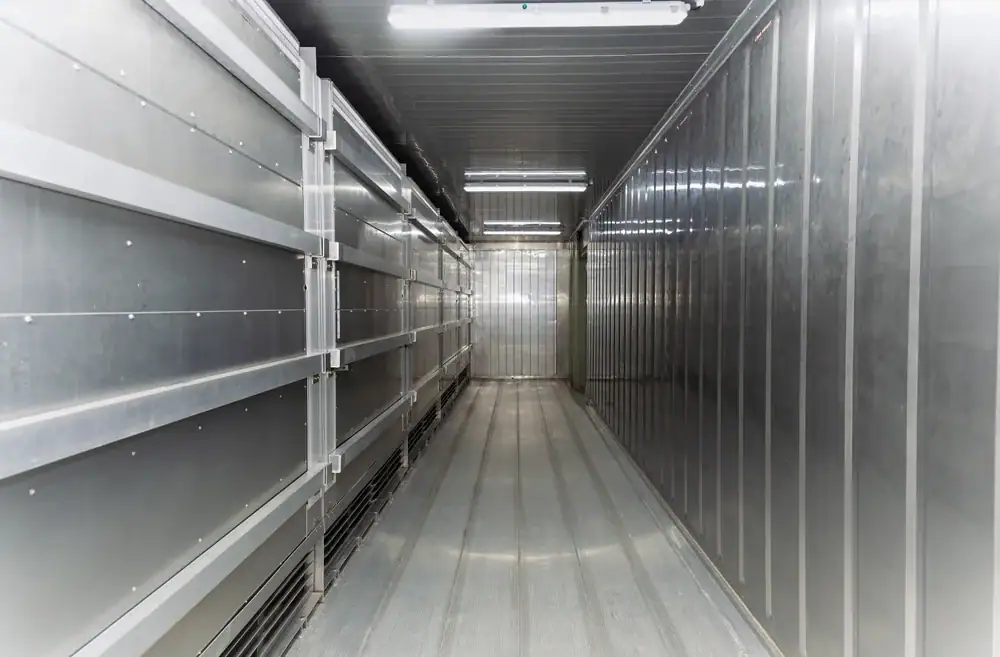
You’re not worrying about whether your walk-in will make it through the weekend rush. You’re not checking temperatures every two hours or wondering if that compressor noise means you’re about to lose a few thousand dollars in inventory.
Your food stays at temp. Your health inspector has nothing to flag. Your staff isn’t scrambling to move product to backup units that don’t exist.
When your refrigeration systems are installed right and maintained consistently, your operation runs the way it should. No surprises at 2 AM. No emergency calls during your busiest service. No choosing between paying for overnight parts or watching your weekend prep spoil. You get predictable performance from equipment that’s built to handle your volume, your space, and your specific cooling needs—whether that’s a walk-in cooler for a catering hall or a custom beer system for your restaurant.
We’ve been handling commercial refrigeration across Long Island since before most of your current equipment was built. That means we’ve seen every failure mode, every bad install, and every “quick fix” that made things worse.
Miller Place businesses deal with coastal humidity that accelerates wear on compressors and condensers. Summer tourism spikes that push systems past their limits. Winter slowdowns where deferred maintenance catches up. We know what fails here and why.
Our techs are EPA certified, fully licensed in New York State, and they carry parts inventory that covers most same-day repairs. When your walk-in goes down during a wedding weekend or your reach-in fails before Sunday brunch, response time isn’t just convenient—it’s the difference between manageable and catastrophic. That’s why we’re available 24/7, and why our reputation in the area comes from showing up when it counts.
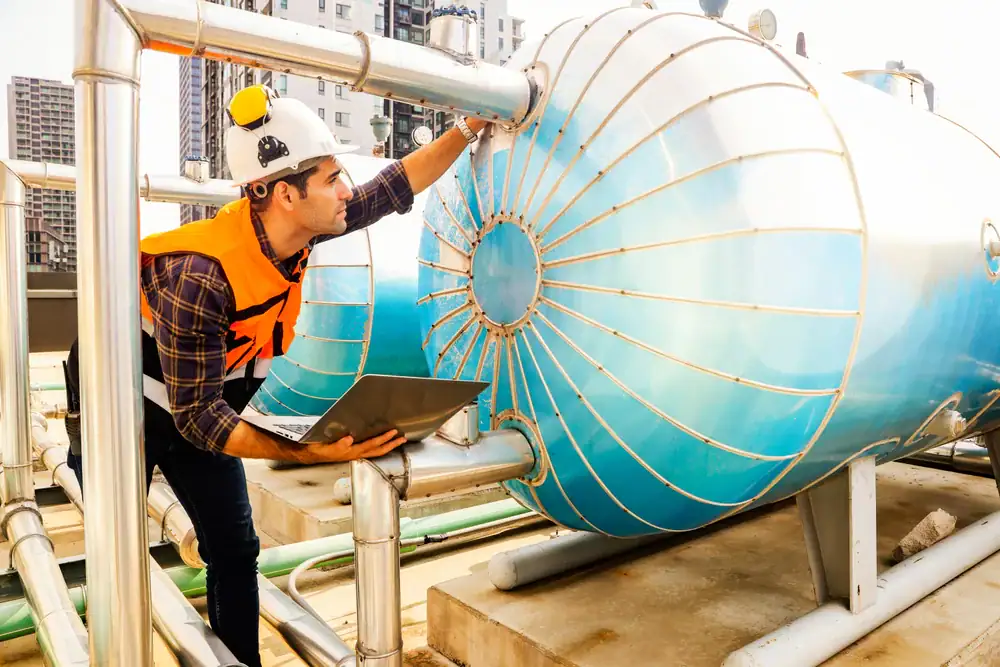
First, we assess your space and your volume. A deli moving 200 sandwiches a day has different cooling requirements than a catering hall prepping for 400-person events. We calculate your actual needs—not what a sales sheet says you need.
Then we design the system. That includes equipment selection, placement that maximizes efficiency, proper insulation specs, and electrical requirements. If you need permits or inspections for Miller Place or Suffolk County, we handle that process.
Installation covers the physical setup—mounting units, running refrigerant lines, connecting electrical, installing insulation, and configuring controls. Everything gets tested under load before we consider it done. You’ll know what temperatures to expect, what sounds are normal, and what to watch for.
After install, you’re looking at either on-call service or a maintenance contract. Maintenance means scheduled inspections, cleaning, refrigerant checks, and catching small problems before they become expensive ones. Most businesses see efficiency improvements around 15-20% with consistent upkeep, which shows up as lower utility bills and fewer emergency calls.
Ready to get started?
You’re getting refrigeration systems sized for your operation—not oversized because it’s easier to sell, and not undersized because someone wanted to save you money upfront. Proper sizing matters in Miller Place, where summer humidity makes undersized systems work twice as hard and fail twice as fast.
Installation includes insulation that actually meets code, electrical connections that won’t trip breakers during peak load, and refrigerant systems set up for your specific application. Walk-in coolers, walk-in freezers, reach-in units, prep tables, ice machines, beer systems—we handle the full range of commercial refrigeration.
Service and maintenance cover the things that prevent breakdowns: coil cleaning, refrigerant level checks, door seal inspection, thermostat calibration, compressor performance testing. For restaurants and delis in the area, this also means understanding how your equipment handles the load during peak seasons when tourism drives up volume. A system that’s fine in February might struggle in July without proper maintenance.
Emergency repairs mean we’re responding 24/7 when something fails. Most calls get same-day service because our techs stock common parts. If your compressor dies or your evaporator coil freezes, you’re not waiting three days for someone to show up and another two for parts to arrive.
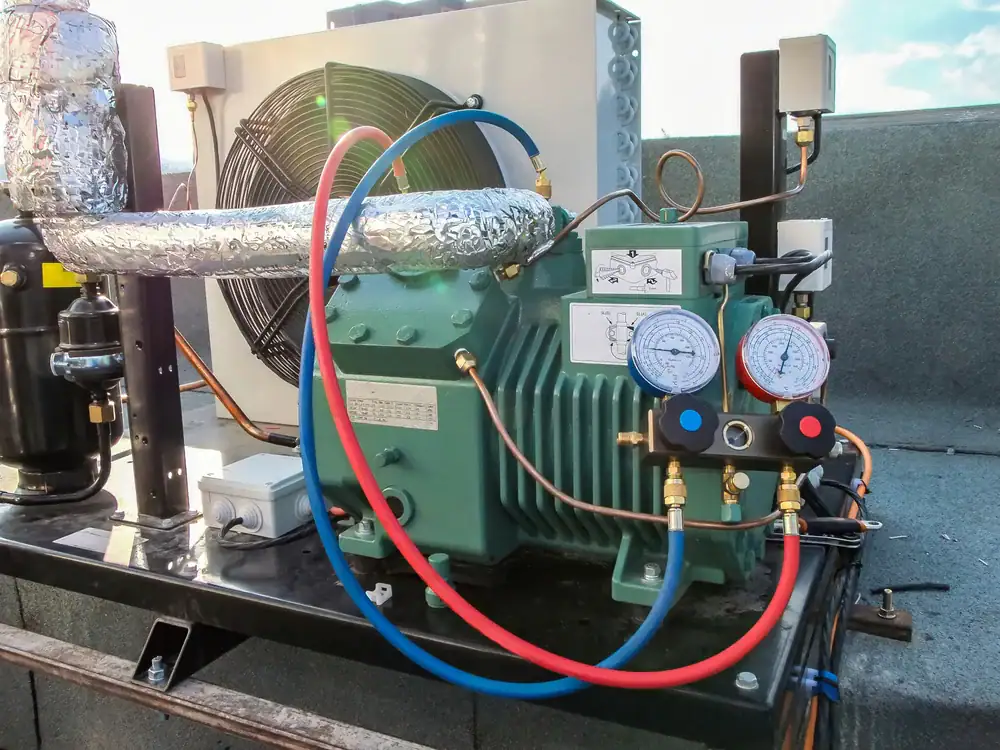
We run 24/7 emergency service across Suffolk County, and most Miller Place calls get response within a few hours—sometimes faster depending on where our techs are when you call. Time matters because every hour your walk-in is down is another hour your inventory is at risk.
Our trucks carry parts inventory for the most common failures: compressors, thermostats, door seals, refrigerant for recharging systems. That means many repairs happen same-day without waiting on parts orders. If it’s something unusual, we’ll tell you upfront what the timeline looks like and what your options are for keeping product cold in the meantime.
The goal isn’t just to show up fast—it’s to show up with what we need to actually fix the problem. You’re not paying emergency rates just to have someone diagnose the issue and leave.
Emergency repairs typically run three to five times more than the same repair would cost during a scheduled maintenance visit. You’re paying for after-hours labor, expedited parts if we don’t have them in stock, and the business disruption of dealing with a crisis instead of planned downtime.
A maintenance contract costs a few hundred dollars per visit depending on your equipment, and most operations need quarterly service. That’s maybe $1,500-$2,000 annually. One emergency compressor replacement can hit $3,000-$5,000 once you factor in labor, parts, and lost inventory. Two emergencies and you’ve spent more than five years of maintenance would have cost.
Maintenance also catches problems early. A refrigerant leak that gets fixed during a scheduled visit might cost $300. That same leak left alone drops your efficiency, spikes your electric bill, and eventually kills your compressor—which is a $4,000 problem. The math isn’t complicated. Planned maintenance is cheaper than crisis management.
If your system is less than ten years old and the repair cost is under half the replacement cost, repair usually makes sense. If it’s older than fifteen years, breaking down frequently, or the repair is expensive, replacement starts looking better.
Here’s what we look at: How often has it needed service in the last two years? Is it keeping temperature consistently or struggling during peak hours? What’s your energy bill doing—older systems lose efficiency and cost more to run even when they’re “working.” And what’s the specific failure? A bad thermostat is worth fixing. A failing compressor on a twelve-year-old unit might not be.
We’ll give you the actual numbers. Repair cost versus replacement cost, expected lifespan of the repair, and what your energy savings would look like with a newer, more efficient system. Sometimes the right call is fixing what you have. Sometimes it’s cutting your losses. We’re not here to sell you equipment you don’t need, but we’re also not going to let you dump money into a system that’s going to fail again in six months.
It depends on your volume, your menu, and your prep schedule. A restaurant doing 100 covers a night has different needs than a deli doing 300 sandwiches during lunch rush. We calculate based on how much product you’re storing, how often you’re opening doors, and what temperature ranges you need.
Walk-in coolers are typically sized by cubic feet, but the real question is how much product you’re turning over and how quickly you need to bring warm product down to temp. If you’re receiving deliveries twice a week and storing five days of inventory, that’s different from daily deliveries with minimal storage. Same with prep—if you’re doing all your prep in the morning and loading a cooler with warm product, you need more cooling capacity than someone spreading prep throughout the day.
For Miller Place specifically, you’re also dealing with humidity and summer heat that make systems work harder. An undersized unit that barely keeps up in April will fail by July when you’re running at full capacity. We measure your space, calculate your load, factor in local climate conditions, and spec a system that handles your peak demand—not your average demand.
Humidity accelerates corrosion on coils, condensers, and electrical components. It also makes your system work harder because humid air holds more heat, which means longer run times and more wear on compressors. Equipment that might last fifteen years inland can fail at ten or twelve near the coast without proper maintenance.
Condenser coils are the biggest issue. They’re outside, pulling in salt air and moisture, and when they corrode or get clogged with debris, your system loses efficiency fast. You’ll see it in your electric bill first—higher costs for the same cooling. Then you’ll notice temperature fluctuations. Eventually the compressor burns out from overwork.
Regular coil cleaning and inspection catches this early. We also recommend coatings on condenser coils for equipment near the water—it’s a small upfront cost that extends equipment life significantly. If you’re in Miller Place running refrigeration equipment and you’re not accounting for coastal conditions, you’re shortening your equipment’s lifespan and paying more in energy costs than you should be.
We check refrigerant levels and look for leaks. We clean condenser and evaporator coils because dirty coils kill efficiency. We test thermostat calibration to make sure your system is actually holding the temperatures you think it is. We inspect door seals, hinges, and gaskets because air leaks make your compressor run constantly.
We also check electrical connections, test compressor performance, and listen for anything that sounds wrong—unusual noises usually mean something’s wearing out. If we find small issues, we fix them on the spot. If something’s developing into a bigger problem, we’ll tell you what to watch for and what the repair timeline looks like.
You get a written report of what we found, what we fixed, and what you should keep an eye on. Most visits take an hour or two depending on how much equipment you’re running. The goal is catching problems before they become emergencies and keeping your systems running efficiently so you’re not paying more than you should on your electric bill.