Hear from Our Customers
You stop worrying about whether your family will wake up freezing or sweating. Your energy bills drop because the system runs efficiently instead of fighting itself. You’re not calling around every summer hoping someone can squeeze you in before the weekend.
When your heating and cooling equipment is sized right, installed correctly, and maintained by people who know what they’re doing, it just works. You get consistent temperatures in every room. The system lasts years longer than it would under poor care. And when something does go wrong, you have a number to call that actually gets answered.
That’s what proper residential HVAC service looks like. No drama. No surprises. Just reliable comfort and someone you can count on when things go sideways.
We’ve spent over 40 years handling complex commercial refrigeration and marine HVAC systems across Long Island. We’ve worked on airport cooling systems, restaurant walk-ins, and boat air conditioning in conditions that would send most contractors running.
Now we’re bringing that same level of expertise to homes in Miller Place and throughout Suffolk County. We’re licensed, insured, and EPA-certified. We answer our phones 24/7 because we’ve seen what happens when homeowners can’t reach anyone during an emergency.
You’re not getting a rookie crew learning on your equipment. You’re getting technicians who’ve solved problems most residential-only companies have never encountered.
You call or submit a request. We ask a few questions to understand what’s happening with your system. If it’s an emergency, we dispatch immediately and arrive in under two hours across Nassau and Suffolk County.
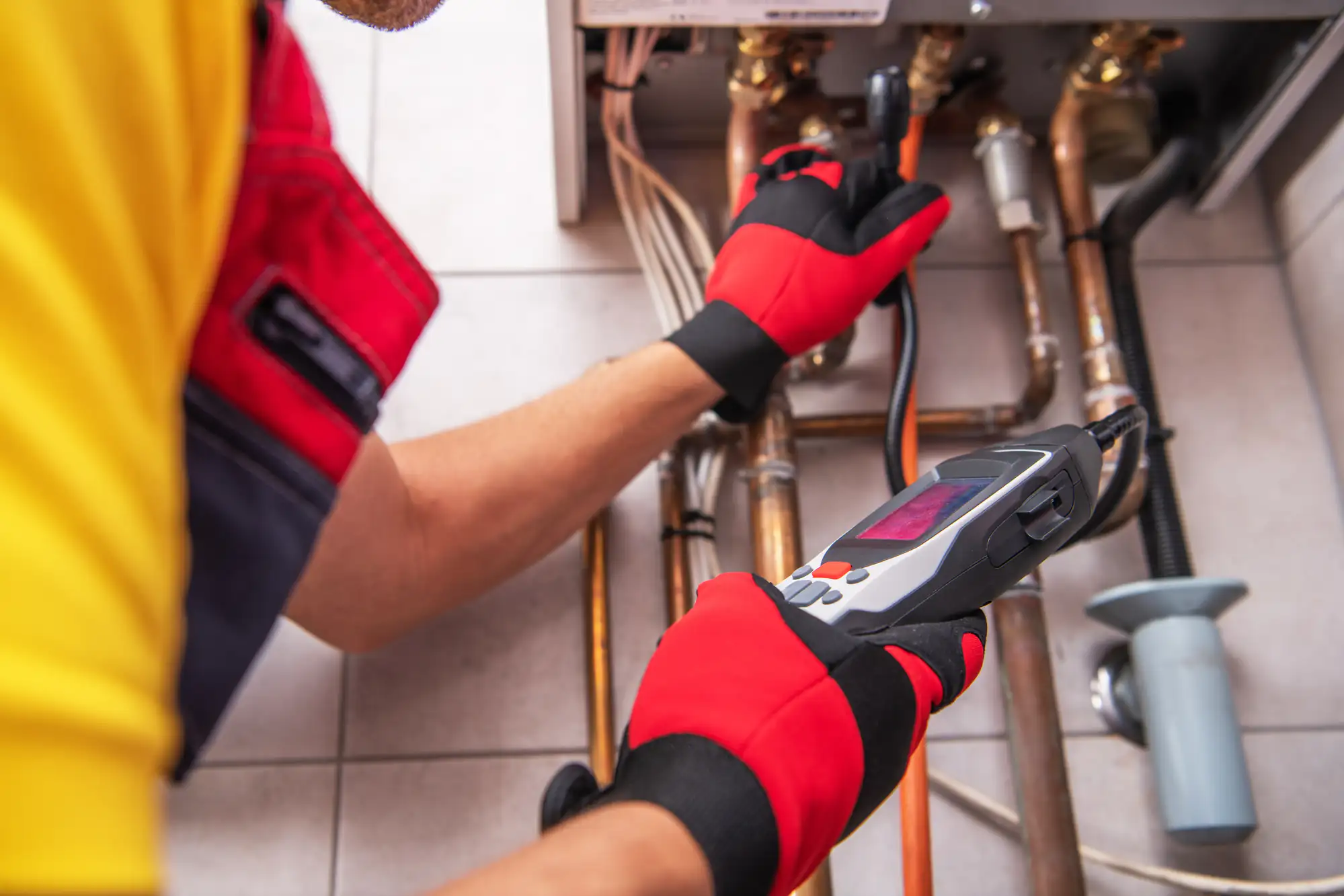
When we show up, we diagnose the actual problem—not just the symptom. We explain what’s wrong in plain language and give you options with honest pricing before we touch anything. No surprises. No upselling equipment you don’t need.
For about 70% of our emergency calls, we fix the issue the same day because we stock parts and know how to use them. If you need a full system replacement, we’ll walk through sizing, efficiency options, and available rebates so you can make an informed decision. Then we install it right, test everything, and make sure you know how to use it before we leave.
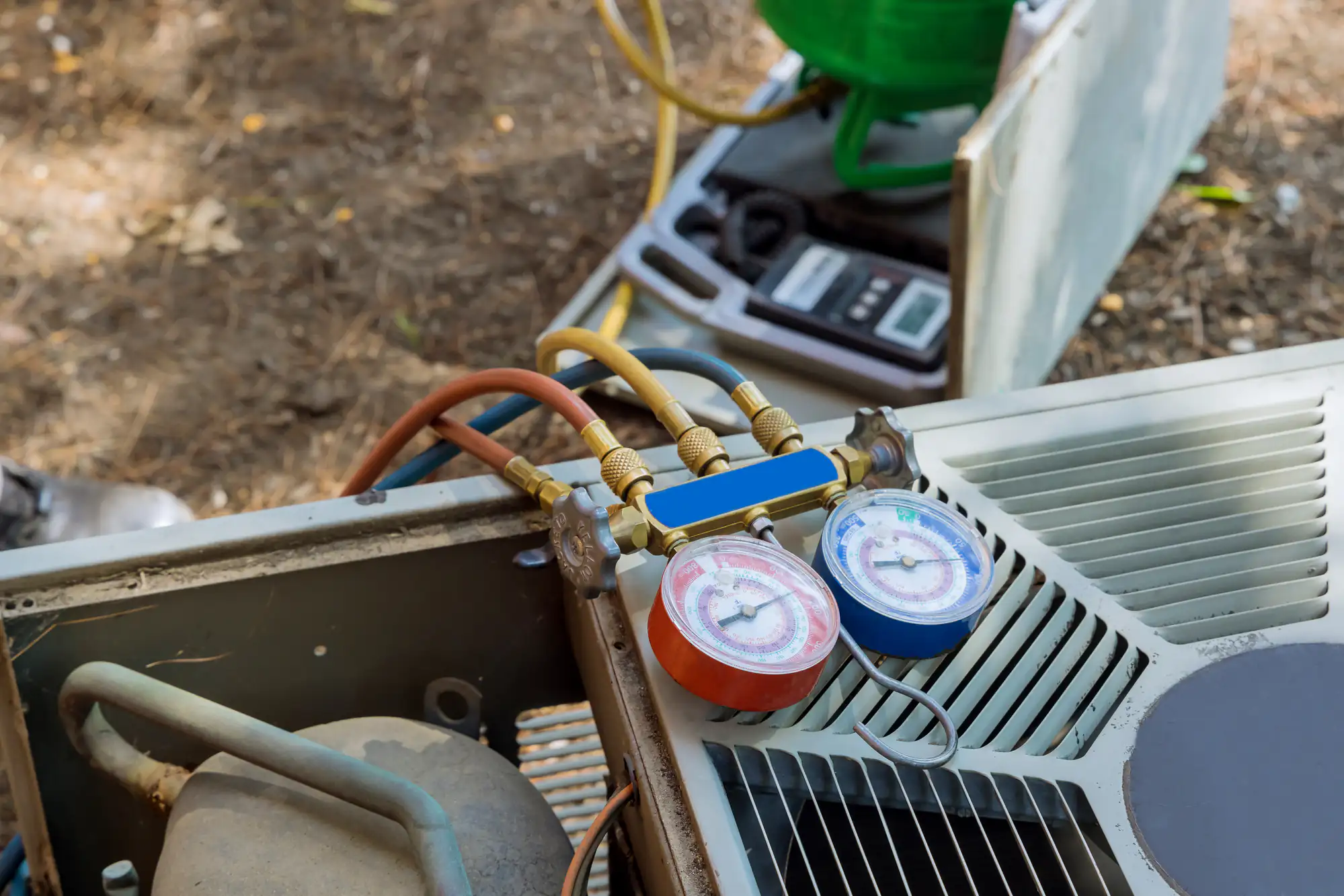
Ready to get started?
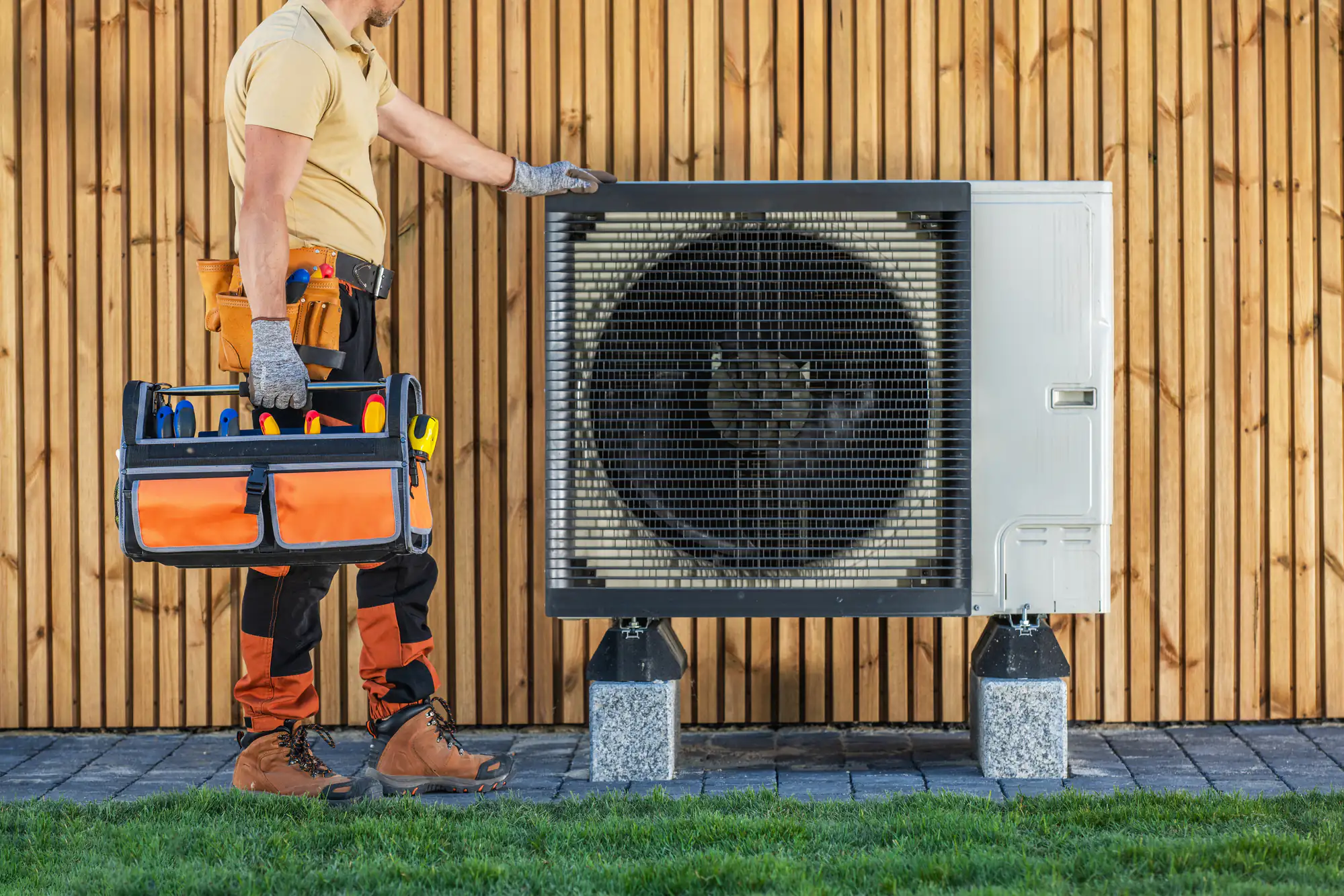
We handle air conditioning repair when your system stops cooling or starts making sounds it shouldn’t. We do furnace installation and heating system maintenance so you’re not scrambling when temperatures drop. HVAC replacement gets done with proper load calculations—not guesswork—so your new system actually fits your home’s needs.
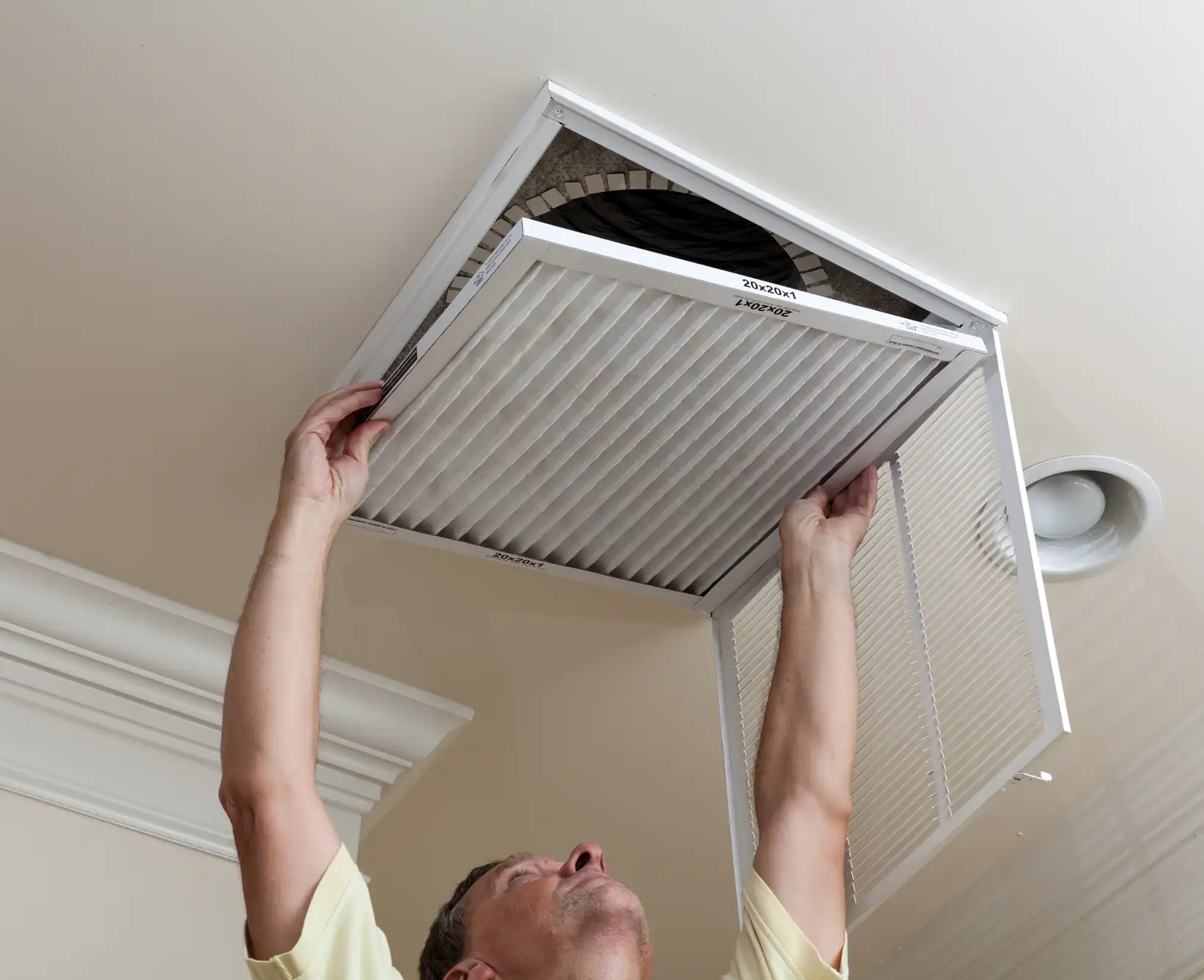
Indoor air quality matters more than most people realize, especially in tightly sealed Long Island homes where pollutants get trapped. We install filtration and purification systems that actually make a difference.
Miller Place homeowners are dealing with the same energy cost increases hitting the rest of Suffolk County. National Grid customers saw monthly heating costs jump from $105 to $165 this year. That’s why we focus on high-efficiency systems and help you take advantage of rebates like the $2,000 federal tax credit for heat pumps or PSEG’s $85 smart thermostat rebate.
We also offer maintenance contracts that include priority service and discounted repair rates. Regular maintenance catches small problems before they become expensive emergencies and keeps your equipment running longer.
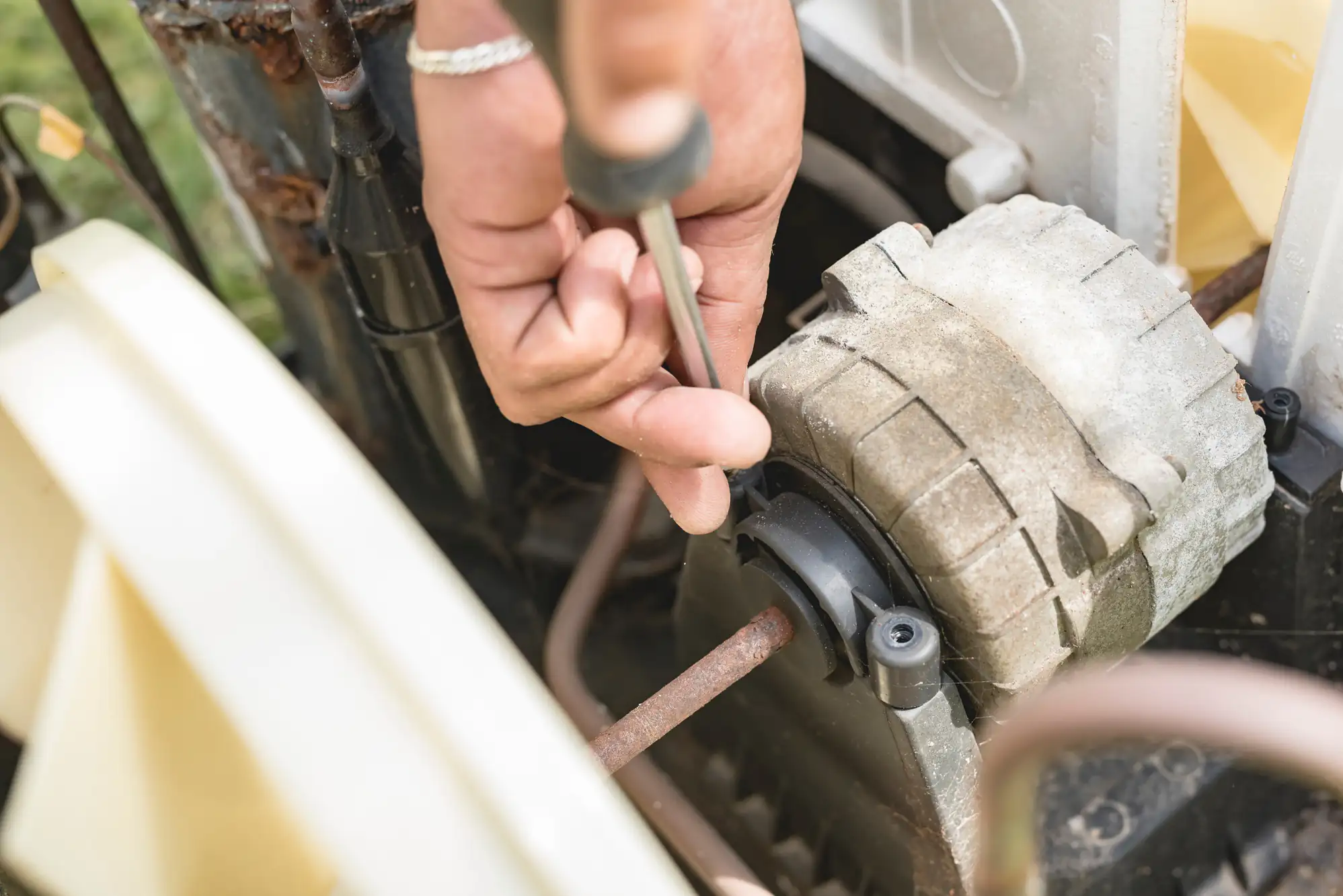
For a central air conditioning system, you’re typically looking at $3,000 to $7,000 including installation. Heat pumps that handle both heating and cooling usually run $4,000 to $10,000. The higher upfront cost pays off through lower energy bills over time.
The actual price depends on your home’s size, the system’s efficiency rating, and whether we need to modify ductwork. We provide free estimates that break down exactly what you’re paying for. And in 2024, you can claim up to a $2,000 federal tax credit for qualifying heat pump systems, which takes a significant chunk off the total cost.
Don’t trust any contractor who quotes a price over the phone without seeing your home. Proper sizing requires a load calculation based on your square footage, insulation, windows, and layout. Guessing leads to oversized or undersized systems that waste energy and break down faster.
Yes, for genuine emergencies throughout Nassau and Suffolk County. When your system completely fails during extreme weather, we dispatch immediately and arrive in under two hours with parts and experience.
A “genuine emergency” means no heat when it’s below freezing or no AC during a heat wave—situations that affect your family’s safety and comfort. If your system is limping along but still working, we’ll schedule you for the next available appointment, usually within 24 hours.
We maintain 24/7 availability because we’ve seen what happens when people can’t reach anyone. Frozen pipes. Heat exhaustion. Spoiled food. We answer our phones with real people, not voicemail systems, and we show up when we say we will.
Twice a year—once before cooling season and once before heating season. Spring maintenance for your air conditioning catches refrigerant leaks, dirty coils, and failing capacitors before you’re stuck in July heat. Fall maintenance for your furnace or heat pump prevents mid-winter breakdowns.
Regular service extends your equipment’s lifespan by years. A well-maintained system lasts 15-20 years. A neglected one might make it 10 years before major components fail. The cost of two annual tune-ups is far less than replacing a compressor or heat exchanger that died from lack of maintenance.
During maintenance visits, we clean components, check electrical connections, test safety controls, and measure system performance. If something’s wearing out, we’ll tell you before it breaks so you can plan for the repair instead of dealing with an emergency.
If the repair costs more than 50% of a replacement and your system is over 12-15 years old, replacement usually makes more sense. You’re throwing money at equipment that’s near the end of its life anyway.
Here’s a real example: Your 14-year-old AC needs a new compressor for $2,000. A full replacement costs $4,500. That compressor repair is 44% of replacement cost, but your system is already past its expected lifespan. Within two years, something else will likely fail. You’d be better off replacing now and getting a more efficient system with a full warranty.
For newer systems with smaller repairs, fixing makes sense. A $350 capacitor replacement on a 6-year-old unit is a no-brainer. We’ll give you honest advice either way because we’re not trying to sell you equipment you don’t need.
The federal government offers a 30% tax credit on qualifying heat pump installations, up to $2,000. That’s a direct reduction on your federal income taxes based on total installation costs. High-efficiency furnaces, boilers, and air conditioners qualify for up to $600.
PSEG Long Island customers can get an $85 rebate for installing a qualifying smart thermostat with their central air conditioning. You’ll need proof of purchase and to submit the rebate online, but it’s straightforward.
These incentives exist because heat pumps and high-efficiency systems significantly reduce energy consumption. We help you navigate which systems qualify and handle the technical documentation you need for rebate submissions. The savings are real—both upfront through rebates and long-term through lower utility bills.
Your system might be working, but that doesn’t mean it’s working efficiently. Dirty coils force the compressor to run longer. Leaking ductwork dumps conditioned air into your attic. An oversized system short-cycles and never reaches peak efficiency. Low refrigerant makes the unit run constantly without cooling properly.
Sometimes the issue isn’t the equipment—it’s the home. Poor insulation and air sealing mean your HVAC is fighting a losing battle against heat gain in summer and heat loss in winter. We can assess both your system’s performance and your home’s building envelope to identify where you’re wasting money.
Smart thermostats help too. Sixty-one percent of households buy them specifically to reduce high energy bills, and they work. Proper programming and remote control prevent heating or cooling an empty house. Combined with a well-maintained, properly sized system, you’ll see noticeable drops in monthly costs.