
Hear from Our Customers
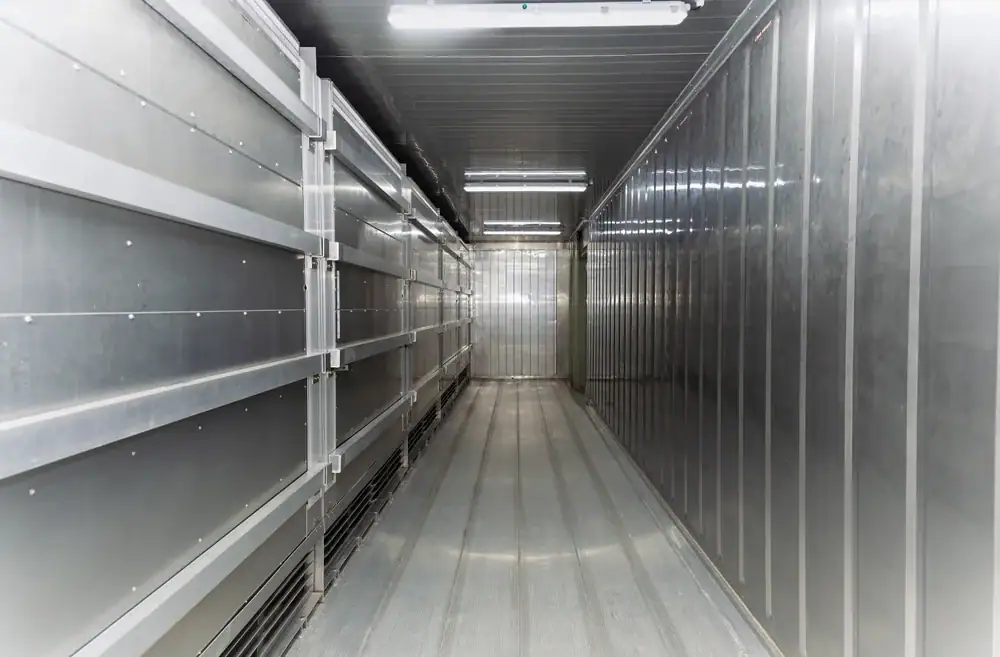
You stop worrying about walk-in coolers failing on a Saturday night in July. Your food stays cold, your health inspector stays happy, and you’re not scrambling to find someone who can actually fix commercial refrigeration equipment—not just residential HVAC with a different sticker on the truck.
That’s the difference between a system that’s maintained by people who understand food service refrigeration and one that’s barely limping along until the next breakdown. You get longer equipment life, lower energy bills, and the kind of reliability that lets you focus on running your business instead of babysitting your coolers.
Most commercial refrigeration systems should last 15+ years with proper maintenance. But in Montauk’s coastal environment—with salt air, temperature swings, and the brutal demands of summer tourist season—your equipment takes a beating that accelerates wear. Regular service isn’t optional. It’s the only thing standing between you and a $5,000 emergency call when your walk-in goes down during your busiest weekend.
Chill Xpert Solutions has spent over four decades working on commercial refrigeration systems from Montauk to Manhattan. That’s not a marketing line—it’s why we can handle the marine HVAC systems at yacht clubs, the complex beer cooling setups at restaurants, and the custom refrigeration solutions that make most HVAC companies shake their heads and walk away.
We’re not a general HVAC dealer trying to dabble in commercial refrigeration. This is what we do. Our trucks carry the parts you actually need, our technicians hold EPA 608 certifications, and we understand the specific challenges of keeping food cold in a place where your summer revenue can make or break your entire year.
Montauk businesses don’t have time for companies that show up unprepared or need to order parts and come back next week. You need someone who answers at 2 AM when your cooler alarm goes off, shows up with the right equipment, and fixes it before you lose a weekend’s worth of inventory.
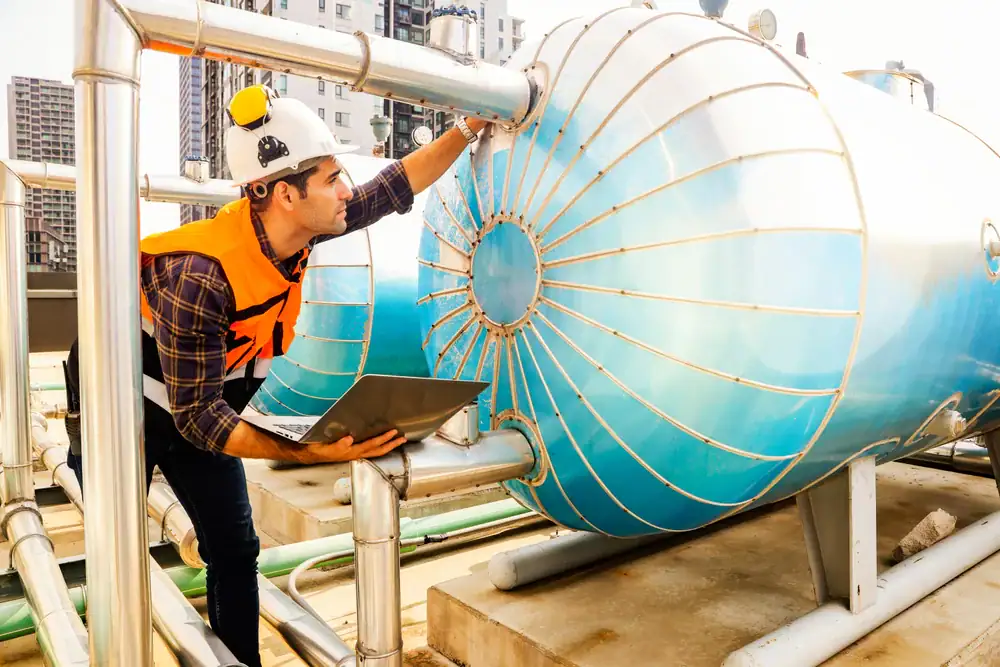
First, we figure out what’s wrong. That means one of our technicians—not a subcontractor, not an apprentice who’s never seen a commercial system—comes out and diagnoses the actual problem. You get a straight answer about what failed, why it failed, and what it costs to fix it before any work starts.
Then we fix it, usually the same day. Our service vehicles stock the parts that commercial refrigeration systems actually use—compressors, evaporator coils, thermostats, refrigerant, the components that fail most often in food service environments. About 70% of our emergency calls get resolved on the spot because we show up prepared.
For new installations or system replacements, we start by understanding what you’re trying to keep cold and how your operation runs. A restaurant’s refrigeration needs look different from a deli’s, which looks different from a catering hall’s. We design systems that match your actual usage patterns, not just whatever’s on sale. Then we install it correctly the first time, which matters more than most people realize—improper installation is one of the top reasons commercial refrigeration systems fail early.
Ready to get started?
You get 24/7 emergency response, which in Montauk means something specific: we understand that your busiest times are everyone else’s busiest times too. Summer weekends, holiday rushes, fishing season—that’s when equipment fails because that’s when it’s working hardest. We don’t tell you to wait until Monday.
You get technicians who work on commercial refrigeration every single day. Not residential AC units, not home furnaces—commercial coolers, freezers, ice machines, display cases, and the specialized systems that keep food service operations running. That experience means faster diagnosis, fewer return trips, and repairs that actually last.
You get transparent pricing before work begins. No surprises, no “well, we found another problem” upsells unless there actually is another problem and we can show you exactly what it is. Montauk’s business community is tight-knit. Our reputation depends on doing honest work, and we’ve been here long enough that everyone knows someone we’ve worked for.
For maintenance contracts, you get scheduled service that catches problems before they become emergencies. We check refrigerant levels, clean coils, test controls, inspect door seals, and handle the preventive work that keeps systems running. It’s cheaper than emergency repairs and a lot less stressful than dealing with a breakdown during service.
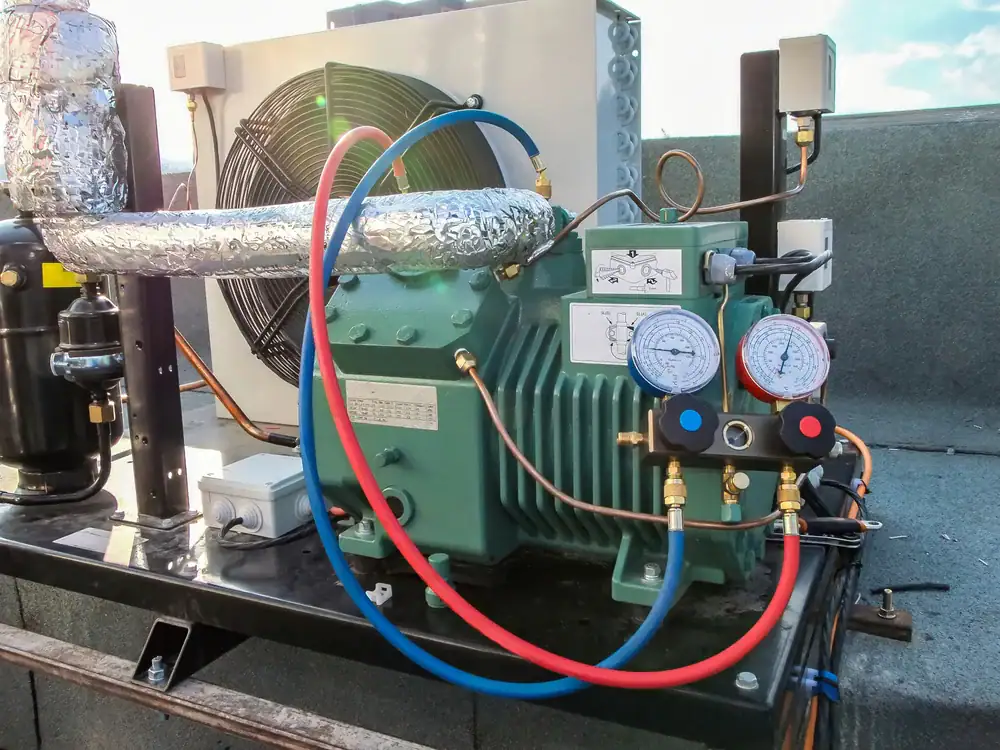
We typically respond within a few hours, even on weekends and holidays. That response time matters in Montauk because you’re often dealing with high-value inventory—fresh seafood, premium cuts, prepared foods—that starts losing quality the moment temperatures rise.
When you call with an emergency, you’re talking to someone who can actually help, not an answering service reading from a script. We assess the situation, give you a realistic timeframe, and dispatch a fully equipped service vehicle. Our trucks stock the components that fail most often in commercial refrigeration systems, which is why we can complete most emergency repairs the same day.
The goal isn’t just to show up fast—it’s to fix the problem fast. A technician who arrives in an hour but needs to order parts and come back in three days hasn’t solved anything. You need someone who shows up prepared with the knowledge and equipment to get your system running again before you’re filling trash bags with spoiled food.
Properly maintained commercial refrigeration systems should last 15 to 20 years, but Montauk’s coastal environment accelerates wear in ways that cut that lifespan short if you’re not proactive about maintenance. Salt air corrodes coils and electrical components. Temperature swings between winter and summer stress compressors. Sand and debris clog condensers faster than inland locations.
The systems that make it to 15+ years get regular professional maintenance—not just when something breaks, but scheduled service that catches small problems before they cascade into major failures. That means cleaning coils multiple times per year, checking refrigerant levels, testing controls, inspecting door seals, and replacing wear components before they fail completely.
The systems that fail early usually have one thing in common: deferred maintenance. Skipping service to save money in the short term almost always costs more when a compressor burns out or a refrigerant leak forces a complete system replacement. In a seasonal market like Montauk, you can’t afford to have equipment fail during your revenue-generating months because you skipped a $300 maintenance visit in April.
You need someone who works on commercial refrigeration systems specifically, not a residential HVAC technician trying to figure it out as they go. The equipment is different, the refrigerants are different, the regulations are different, and the stakes are much higher when you’re dealing with food safety and business continuity.
Commercial refrigeration operates at different temperatures and pressures than residential systems. A walk-in cooler uses different components than a home AC unit. The troubleshooting process requires understanding how food service operations work—what’s normal behavior versus what indicates a failing component. General HVAC companies often don’t stock commercial refrigeration parts, don’t have experience with the specific brands used in food service, and aren’t familiar with health department requirements.
When your system goes down, you need someone who’s seen the exact problem before, knows the fix, and has the parts in their truck. That’s not arrogance—it’s just the reality of specialization. We don’t install residential furnaces, and residential HVAC companies shouldn’t be your first call for commercial refrigeration emergencies. The cost of getting it wrong is too high.
Dirty condenser coils are the number one killer of commercial refrigeration systems, especially in Montauk where salt air, sand, and seasonal debris accumulate faster than inland locations. When coils get clogged, your system works harder to maintain temperature, compressors overheat, energy costs spike, and equipment fails prematurely. It’s completely preventable with regular cleaning, but it’s also the most commonly skipped maintenance task.
Refrigerant leaks are the second major cause, and they’re particularly problematic because they develop slowly. You might not notice the system struggling until temperatures start creeping up and food quality suffers. By that point, the compressor has been working overtime to compensate for low refrigerant levels, which often means you’re looking at compressor replacement on top of fixing the leak.
Door seal failures and control malfunctions round out the top causes. Door seals wear out from constant use and coastal humidity, letting warm air infiltrate your cooler and forcing the system to run continuously. Controls fail because of power surges, age, or moisture intrusion. Both problems are easy to catch during routine maintenance, but they turn into expensive emergencies when ignored. The pattern is always the same—small, fixable issues become major failures when businesses skip regular service.
Emergency repairs typically cost three to five times more than preventive maintenance, and that’s before you factor in lost inventory, lost revenue, and the stress of dealing with a crisis during business hours. A routine maintenance visit might cost $200 to $400 depending on your system size. An emergency compressor replacement can easily run $2,000 to $5,000 or more, plus whatever food you had to throw away.
The math gets worse when you consider timing. Emergency failures don’t happen on slow Tuesday afternoons—they happen during your busiest weekends when systems are running hardest and technicians are charging premium rates. In Montauk, that often means peak summer season when you’re fully stocked with inventory and can least afford downtime.
Regular maintenance doesn’t eliminate every possible failure, but it catches the majority of problems while they’re still minor. A refrigerant leak detected during a maintenance visit might cost $300 to fix. That same leak ignored for six months destroys a compressor and turns into a $4,000 repair. A worn door seal replaced proactively costs $150. Ignored until the system can’t maintain temperature, you’re looking at spoiled inventory plus the repair cost. The businesses that spend the least on refrigeration over time are the ones that invest in consistent preventive maintenance, not the ones trying to save money by skipping service.
Look for EPA 608 certification first—it’s legally required to work with refrigerants, and any company without certified technicians is cutting corners in ways that will cost you later. Then ask how long they’ve been servicing commercial refrigeration specifically, not just HVAC in general. Experience matters when you’re dealing with food safety and equipment that can cost tens of thousands to replace.
Ask about their parts inventory and response time for emergencies. A company that needs to order parts for common repairs isn’t equipped to handle commercial refrigeration service. You need someone whose trucks stock the components that actually fail—compressors, coils, controls, refrigerant. Ask if they use subcontractors or employ their own technicians, because you want consistency and accountability, not a different person showing up every time.
Check their reputation with other food service businesses in the area. Montauk’s restaurant and hospitality community talks. If a company does good work, you’ll hear about it. If they overpromise and underdeliver, you’ll hear about that too. Look for transparent pricing, clear communication, and a track record of actually showing up when they say they will. The cheapest quote usually isn’t the best value when you’re trusting someone with equipment that keeps your business running.