
Hear from Our Customers
You stop worrying about whether your AC will quit during July humidity or your furnace will fail when a Nor’easter rolls through. Your energy bills drop because the system isn’t fighting corrosion and working twice as hard to cool or heat the same space.
You get consistent temperatures in every room. No more hot spots in the bedroom or freezing mornings in the kitchen. The air quality improves because your system isn’t circulating salt residue, mold spores, or humidity through your vents.
When something does break, you’re not waiting three days for a callback or a week for parts. Most of our emergency calls in Montauk get resolved the same day. That’s not a promise, it’s what happens when you stock coastal-grade parts and know what actually fails in this climate.
Your system lasts longer because it’s built and maintained for salt air, not just summer heat. That means fewer replacements, lower lifetime costs, and one less thing to manage when you’re trying to enjoy living here.
We’ve been handling HVAC and refrigeration across Long Island for over 40 years. We’re not new to Montauk’s climate or what it does to equipment. We’ve seen what works and what fails when you’re this close to the ocean.
Most of our residential work comes from referrals or repeat customers. That happens when you show up in under two hours for emergencies, fix the problem the first time, and don’t upsell equipment people don’t need. We’re licensed, insured, and available around the clock because systems don’t break on schedule.
Montauk isn’t like Huntington or Nassau County. The salt air here corrodes outdoor units faster. Humidity loads are higher. Seasonal homes sit empty for months, which creates its own problems. We size systems for this environment, not just square footage.
You call or contact us online. If it’s an emergency, we dispatch immediately and you’ll have someone on-site within two hours across Nassau and Suffolk County. For non-emergencies, we schedule a free estimate at a time that works for you.
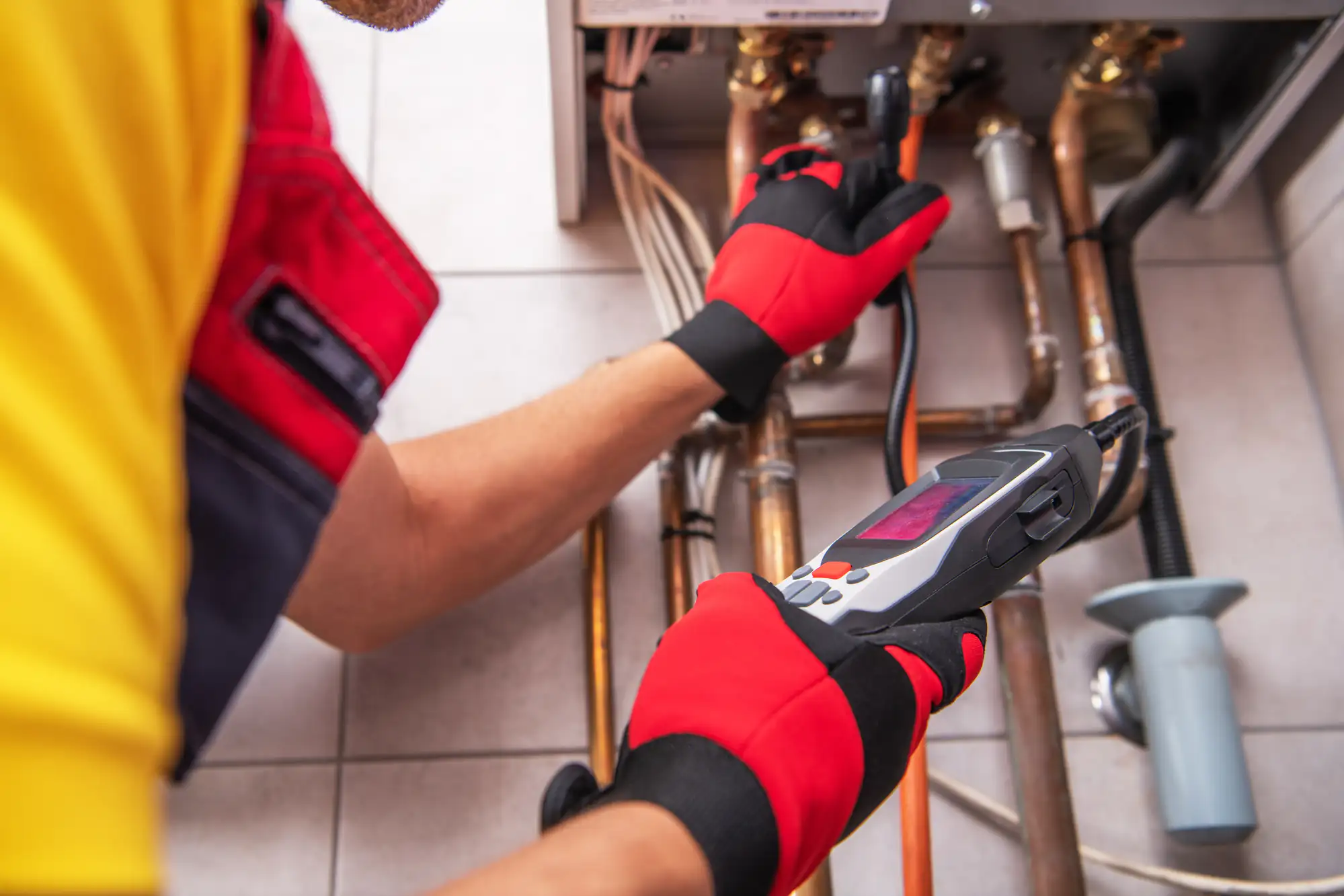
We assess the system in person. That means checking for salt air damage, corrosion on coils and connections, humidity control issues, and whether the system is properly sized for Montauk’s coastal climate. We don’t diagnose over the phone or guess at solutions.
You get a clear explanation of what’s wrong, what it costs to fix, and how long it takes. If it’s a repair, we carry most coastal-grade parts on the truck, which is why about 70% of our emergency calls get fixed the same day. If it’s a replacement, we walk through options that actually fit your home and budget.
We complete the work, test the system, and make sure you understand how to maintain it. For installations, that includes explaining warranty coverage, filter schedules, and what to watch for in a coastal environment. For repairs, we tell you what caused the failure so you know if it’s a one-time fix or a sign the system is aging out.
Ready to get started?
Air conditioning repair and replacement. We handle everything from refrigerant leaks and compressor failures to full system replacements with corrosion-resistant coastal models. Montauk summers hit 75°F averages from June through September, but humidity makes it feel hotter. Your AC needs to dehumidify before it cools, which most inland systems aren’t built to handle efficiently.
Furnace installation and heating system maintenance. We install and service furnaces, heat pumps, and hybrid systems that hold up through Long Island winters. When Nor’easters push temperatures below freezing, your heating system can’t afford to fail. We check for salt damage on outdoor components, test ignition systems, and make sure your heat exchanger isn’t cracked or corroded.
Indoor air quality solutions. Coastal homes deal with salt residue, high humidity, and mold growth that inland properties don’t see. We install dehumidifiers, air purifiers, and ventilation systems that actually reduce moisture and improve air quality. Better filtration also protects your HVAC equipment from salt buildup and extends its lifespan.
HVAC replacement for aging or undersized systems. If your system is over 15 years old, struggling to keep up, or wasn’t designed for coastal conditions, replacement often costs less than repeated repairs. We size new systems based on Montauk’s climate, your home’s layout, and energy efficiency goals. High-efficiency models can cut energy bills by 20-40% in humid climates like this one.
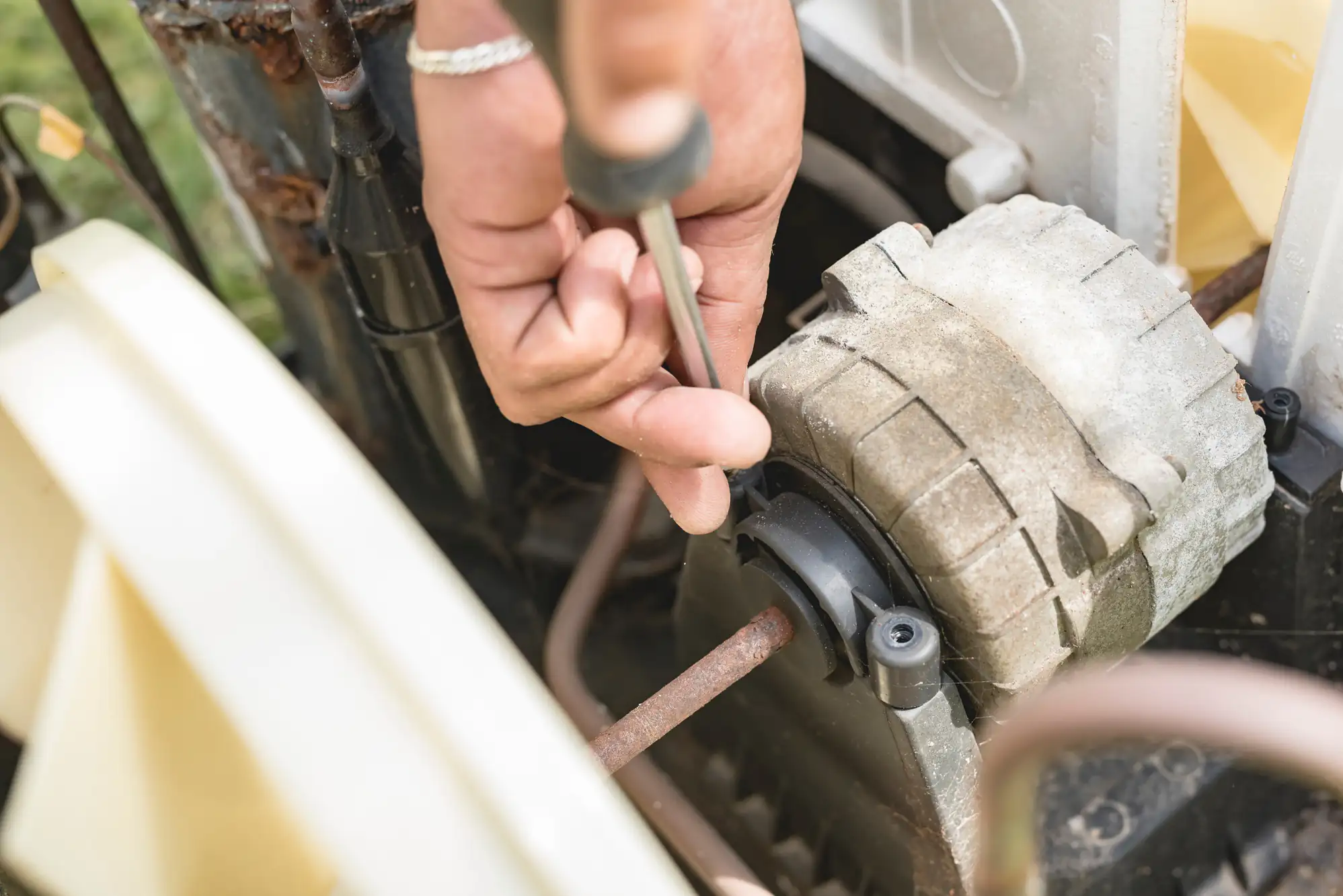
Salt moisture from the ocean accumulates on your outdoor unit’s metal components and accelerates corrosion. It attacks coils, fan blades, and electrical connections first because those parts are exposed and constantly cycling air.
Over time, corroded coils lose efficiency. Your system works harder to cool or heat the same space, which drives up energy costs and increases wear on the compressor. Electrical connections corrode and cause intermittent failures or complete breakdowns.
If you’re within 10 miles of the coastline, your unit faces this damage constantly. Most standard HVAC systems aren’t built with corrosion-resistant materials, so they fail faster here than they would inland. Coastal-grade models use protective coatings and materials designed to resist salt air, which extends lifespan and reduces repair frequency.
Coastal models use corrosion-resistant coils, often made with copper and aluminum alloys treated with protective coatings. The outdoor cabinet and fasteners are built with materials that resist rust and salt damage. Electrical components are sealed better to prevent moisture intrusion.
Standard systems use untreated metals that corrode quickly in salt air. They’re designed for inland climates where humidity and salt aren’t constant factors. That’s why a standard unit might last 15 years in Huntington but only 8-10 years in Montauk without significant repairs.
The upfront cost for a coastal system is higher, but the lifetime cost is lower. You’re replacing it less often, repairing it less frequently, and running it more efficiently because it’s not fighting corrosion to do its job. If you live in Montauk year-round or use your home seasonally, a coastal-grade system pays for itself.
We dispatch immediately for genuine emergencies and arrive in under two hours across Nassau and Suffolk County. That includes Montauk, even though it’s at the tip of Long Island. We stock parts on the truck specifically for coastal failures, so most repairs happen the same day.
Research shows that 78% of customers choose the first contractor who answers and confirms availability. We built our emergency response around that reality. You’re not waiting for a callback or sitting on a list. You get a person, a time, and a technician who knows what fails in this climate.
About 70% of our emergency calls get resolved the same day without waiting for parts orders. The other 30% usually involve specialized components or full system replacements that require ordering coastal-grade equipment. Even then, we’ll set you up with temporary solutions if it’s the middle of summer or winter.
If your system is over 15 years old and facing a major repair like a compressor or coil replacement, replacement usually makes more sense. Older systems are less efficient, use outdated refrigerants, and weren’t built for coastal conditions if they’re original to the home.
A major repair on an old system might cost 50-70% of a new installation, but you’re still running an inefficient unit that will need more repairs soon. New high-efficiency systems cut energy bills by 20-40% in humid climates and come with warranties that cover parts and labor for years.
If your system is under 10 years old and the repair is minor, fixing it makes sense. We’ll tell you honestly which route saves you money long-term. We’re not in the business of selling replacements people don’t need, but we also won’t patch a dying system that’s costing you more in energy and repairs than a new one would.
Coastal humidity forces your air conditioner to dehumidify the air before it can cool it effectively. That’s a heavier load than inland systems face, and most standard AC units aren’t sized or designed to handle it efficiently.
If your system is undersized for Montauk’s humidity levels, it runs constantly trying to remove moisture and never fully cools the space. If it’s oversized, it cools too quickly without running long enough to dehumidify, leaving you with cold, clammy air that feels uncomfortable.
Proper sizing and equipment selection solve this. We calculate cooling load based on your home’s square footage, insulation, window exposure, and Montauk’s specific humidity levels. We also recommend dehumidification systems for homes that struggle with moisture control, which protects your HVAC equipment and improves indoor air quality.
Yes. Preventive maintenance plans include scheduled inspections, filter changes, coil cleaning, and system testing before peak summer and winter seasons. Coastal systems need more frequent maintenance because salt buildup accelerates wear and reduces efficiency.
Regular maintenance catches small problems before they become expensive failures. We check for corrosion, test refrigerant levels, clean salt residue off coils and fans, and make sure electrical connections are tight and sealed. Most breakdowns happen because something small was ignored until it failed completely.
Maintenance plans also protect your warranty. Most manufacturers require proof of annual service to honor coverage, and they’ll void warranties if neglect caused the failure. Our plans keep you compliant, extend your system’s lifespan, and reduce the chance of emergency breakdowns when you need heating or cooling most.