
Hear from Our Customers
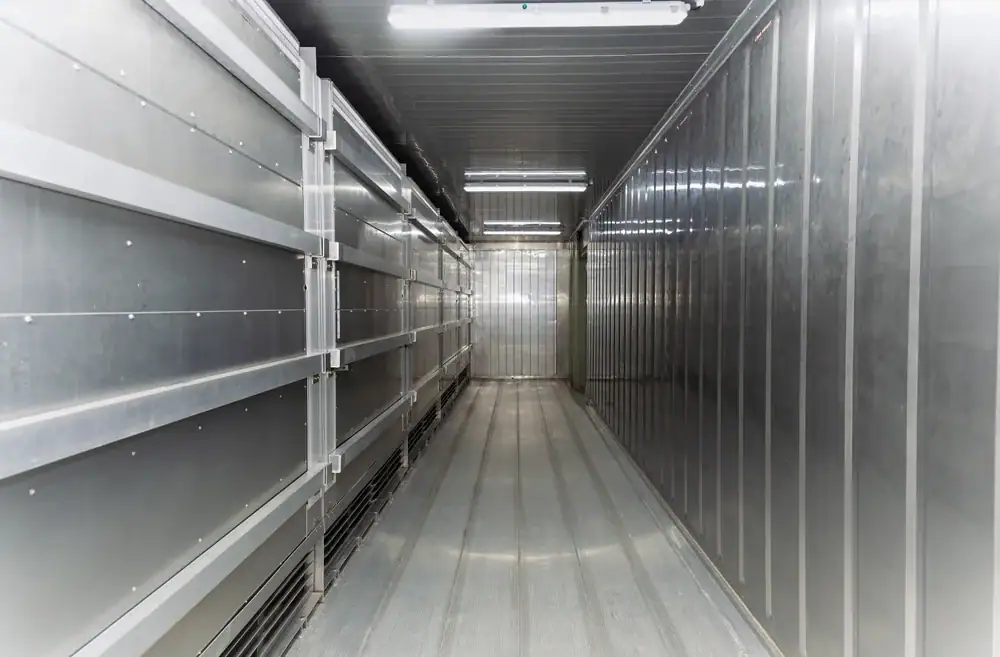
Your walk-in stays cold through Saturday dinner rush. Your product doesn’t spoil overnight because a compressor decided to quit at 2 AM. You’re not scrambling to find ice or move inventory to a backup location that doesn’t exist.
That’s what reliable commercial refrigeration looks like. No panic calls. No lost revenue from spoiled stock. No explaining to customers why half your menu isn’t available.
When your refrigeration system is properly maintained and serviced by people who know what they’re doing, you stop thinking about it. It just works. Your food stays at temp. Your health inspector stays happy. Your operating costs stay predictable instead of spiking every time something breaks.
The difference between a system that works and one that’s limping along comes down to whether someone’s actually looking at it before it fails. Most emergency calls we get could’ve been prevented with a maintenance visit that costs a fraction of what the emergency repair runs.
We’ve been fixing refrigeration systems across Nassau and Suffolk County since before most of your competitors opened their doors. That’s over forty years of service calls, installations, and emergency repairs in restaurants, delis, catering halls, and marine operations from Montauk to the North Shore.
Noyack’s coastal location means your equipment deals with salt air, humidity swings, and temperature extremes that accelerate wear on compressors, coils, and seals. We’ve seen what fails first in this environment and what actually lasts.
Every technician on our team holds EPA 608 certification. We stock genuine manufacturer parts in our service vehicles because showing up without the right part wastes your time and ours. When we say 24/7 availability, that means someone answers the phone at 3 AM on Sunday, not a voicemail promising a callback Monday morning.
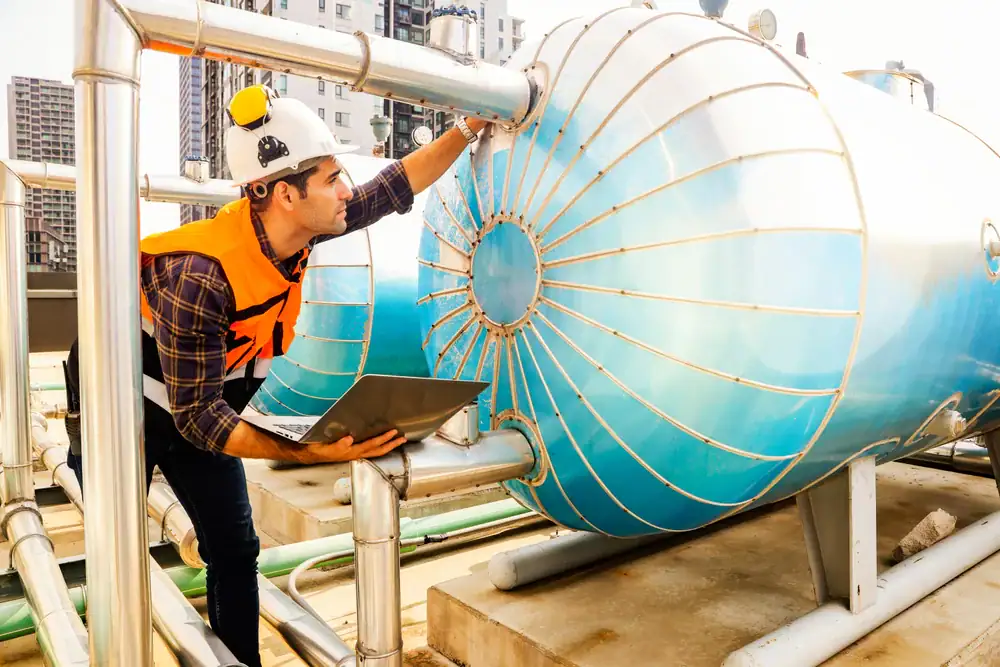
You call with a problem or a project. We ask the right questions to understand what’s happening, what you need, and how fast you need it. If it’s an emergency, we’re typically on-site within hours. If it’s planned work, we schedule around your business hours.
When we show up, we assess the actual issue, not just the symptom. A warm walk-in might be a failed compressor, but it could also be dirty coils, a refrigerant leak, or door seals that aren’t sealing. We diagnose the root cause and give you an upfront cost estimate before we start work.
For installations, we handle everything: equipment selection based on your actual volume and space, electrical connections, permits, health department compliance documentation, and staff training on proper use. You get one point of contact managing the entire project, not five different contractors you’re trying to coordinate.
Repairs get done with manufacturer parts, not universal replacements that might work for a while. We fix it right the first time because coming back to redo work costs us money and costs you downtime. After the repair, we test the system under load and document what was done.
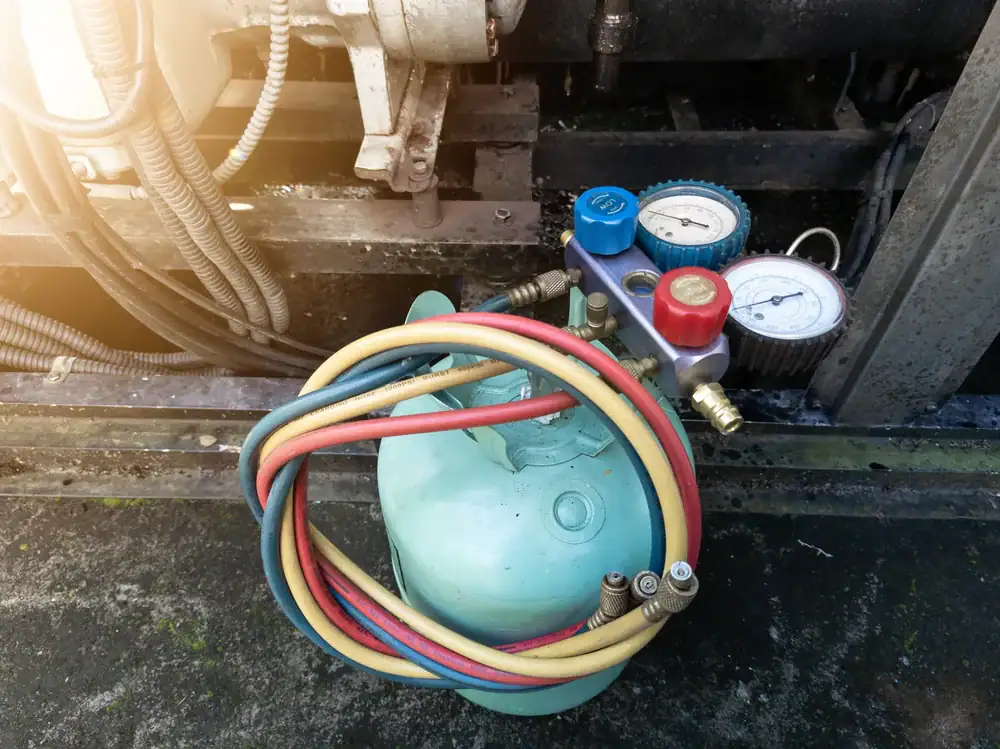
Ready to get started?
Preventive maintenance means we’re checking refrigerant levels, cleaning condenser coils, testing door seals, inspecting electrical connections, and monitoring compressor performance before any of it fails. Dirty coils alone can spike your energy costs by 25%, and most operators don’t even know they’re running inefficiently until we show them the readings.
For Noyack businesses, we’re also checking for salt air corrosion on coils and connections, humidity damage to electrical components, and wear patterns specific to coastal environments. Your equipment works harder here than it would twenty miles inland, and maintenance intervals should reflect that.
Emergency repairs mean we’re responding fast with parts already in the truck. About 70% of our emergency calls get fixed on the spot. The other 30% get a temporary solution to keep you running while we order specialized parts. You’re not sitting dead in the water waiting three days for a compressor to ship.
Installation projects include system design based on your actual needs, not oversized equipment that cycles inefficiently or undersized units that run constantly. We’re sizing systems for your peak volume, your available electrical capacity, and your space constraints. Then we’re managing permits, coordinating inspections, and making sure you’re compliant before we leave.
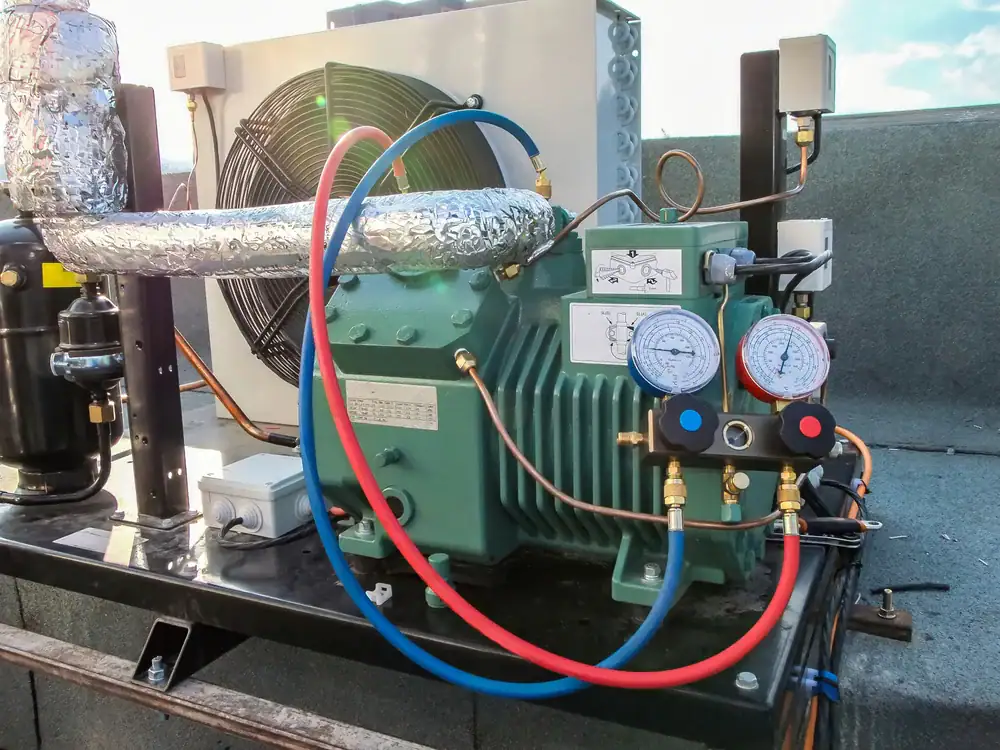
We typically arrive within hours for true emergencies, not the next day or next available appointment. When you call our 24/7 line, you’re talking to someone who can dispatch a technician immediately, not leaving a message for a callback during business hours.
Our service vehicles stock common parts for walk-in coolers, reach-in units, and display cases. That means if your issue is a failed relay, a refrigerant leak, or a bad compressor on a standard unit, there’s a good chance we’re fixing it on the first visit instead of diagnosing it and scheduling a return trip.
Response time matters because every hour your refrigeration is down costs you money in spoiled product, lost sales, and scrambling for temporary solutions that don’t exist. We understand that your Saturday night dinner service or Sunday brunch can’t wait until Monday morning, which is why we actually staff for emergency calls instead of just advertising 24/7 availability.
Real preventive maintenance means we’re physically inspecting and servicing your equipment on a schedule, not just showing up to look at it. We’re cleaning condenser coils that accumulate dust and reduce efficiency, checking refrigerant levels and looking for leaks, testing door seals and gaskets for air gaps, inspecting electrical connections for corrosion or looseness, and monitoring compressor performance against baseline readings.
For coastal Noyack locations, we’re also checking for salt air damage on coils and connections, which accelerates corrosion faster than inland environments. We’re looking at humidity-related issues with electrical components and control boards. We’re checking drain lines that clog faster in high-humidity environments.
The goal is catching problems before they cause failures. A worn door seal that’s letting warm air in makes your compressor work harder, spikes your electric bill, and shortens equipment life. Replacing that seal during a maintenance visit costs a fraction of what the emergency repair costs when the overworked compressor finally quits. Most of our maintenance customers save $3,000 to $6,000 annually by avoiding emergency repairs and running more efficiently.
You should get 10 to 15 years minimum from a properly maintained walk-in cooler or reach-in unit. Without maintenance, you’re looking at 5 to 8 years before major component failures start stacking up and replacement makes more sense than continued repairs.
The difference comes down to whether someone’s actually servicing the equipment or just fixing it when it breaks. Dirty coils make compressors work harder and fail sooner. Refrigerant leaks that go undetected reduce cooling capacity and damage compressors. Worn door seals let warm, humid air in constantly, forcing the system to run longer cycles.
In Noyack’s coastal environment, equipment ages faster than it would inland. Salt air corrodes coils and electrical connections. Humidity swings stress seals and gaskets. Temperature extremes between summer heat and winter cold create more expansion and contraction cycles. Regular maintenance addresses these environmental factors before they shorten your equipment’s lifespan. We’ve seen well-maintained systems hit 20 years in marine environments, and we’ve seen neglected systems fail in under five.
Emergency calls typically run 2 to 3 times more than the same repair would cost during business hours. You’re paying overtime premiums of 25% to 50%, minimum service charges, potential travel surcharges for after-hours calls, and sometimes expedited parts costs if we need to source something immediately instead of ordering it standard delivery.
Beyond the service call itself, you’re losing product. A failed walk-in cooler during Saturday dinner service can mean thousands in spoiled inventory, lost sales from menu items you can’t serve, and customers who leave because you’re out of half your offerings. When you add up the actual cost of an emergency failure, you’re often looking at $2,500 to $8,000 in total impact.
Preventive maintenance runs a fraction of that and catches most problems before they become emergencies. A maintenance agreement with quarterly service visits typically costs less than one emergency repair call, and it usually prevents three or four failures per year. The math is straightforward: scheduled maintenance costs less and causes zero downtime. Emergency repairs cost more and shut you down when you can least afford it.
Yes, marine HVAC and refrigeration is actually one of our specialties. We’ve been servicing yacht clubs, marinas, and private vessels from Montauk to the North Shore for decades. Marine systems have unique challenges that most commercial refrigeration techs don’t understand: limited electrical capacity, constant motion and vibration, extremely humid and corrosive salt air environment, and space constraints that require custom solutions.
Boat systems can’t be oversized because you don’t have unlimited power from the dock or generator. They need to be incredibly efficient and reliable because you can’t just call someone when you’re offshore. Components need to be marine-grade to handle the corrosive environment, and installation needs to account for movement and vibration that would destroy a standard residential or commercial setup.
We design, install, and service complete marine climate control systems. That includes air conditioning, refrigeration, and heating solutions sized appropriately for your vessel’s electrical system and space. We understand the difference between dockside power requirements and what your generator can handle underway. If you’re in Noyack’s marina community or keep a vessel on the North Fork, we’ve probably worked on boats similar to yours.
The EPA’s AIM Act and existing Section 608 regulations mean you’re responsible for refrigerant leaks, even if you didn’t cause them. If your system leaks more than 20% of its charge annually, you’re required to repair it and conduct quarterly leak inspections. Failure to comply can trigger fines up to $57,000 per day per violation.
You also can’t just vent refrigerant or have unlicensed people working on your system. Any service work that involves opening the refrigerant circuit requires an EPA 608 certified technician. That certification isn’t optional or a nice-to-have, it’s federal law. If someone’s working on your refrigeration without proper certification, you’re both liable.
Older systems using R-22 refrigerant are being phased out, and R-22 prices have skyrocketed because it’s no longer manufactured domestically. If you’re still running R-22 equipment, you need to plan for replacement or conversion because continuing to repair those systems gets more expensive every year. We can assess your current refrigerant type, check for leaks, and help you understand whether repair or replacement makes more financial sense based on your specific situation and remaining equipment life.