Hear from Our Customers
Your refrigeration system isn’t supposed to be something you think about. It should just work—during Saturday dinner rush, Sunday brunch prep, and every overnight shift in between.
When it doesn’t, the clock starts immediately. Meat and dairy rise in temperature fast. Your entire operation stops. Revenue disappears while you’re scrambling to find someone who’ll actually pick up the phone after 5 PM.
About 70% of the emergency calls we take get fixed the same day. The rest get a temporary solution to keep you running while we order specialized parts. Either way, you’re not sitting there watching thousands of dollars in inventory spoil because nobody showed up.
A well-maintained system uses about 25% less electricity than one that’s been ignored. Maintenance customers routinely get 15-plus years from their equipment because small problems get caught before they turn into expensive failures. That’s the difference between a $200 service call and a $12,000 replacement during your busiest week of the year.
We’ve been handling commercial refrigeration and marine HVAC across Long Island for over 40 years. That’s four decades of walk-in coolers, reach-in units, ice machines, prep tables, and the occasional beer system that nobody else wanted to touch.
Sagaponack and the surrounding East End present specific challenges. Salt air attacks outdoor components. Humid summers make condensers work overtime. Seasonal volume swings mean your equipment sits idle in February and runs nonstop from Memorial Day through Labor Day.
We’ve seen what fails and why. Dirty condenser coils make compressors work 40% harder and fail years earlier. Refrigerant leaks that get ignored turn into complete system replacements. Door seals that look fine but aren’t actually sealing waste energy all summer long.
No subcontractors. No surprises. Just certified technicians who know commercial refrigeration and show up when you call.
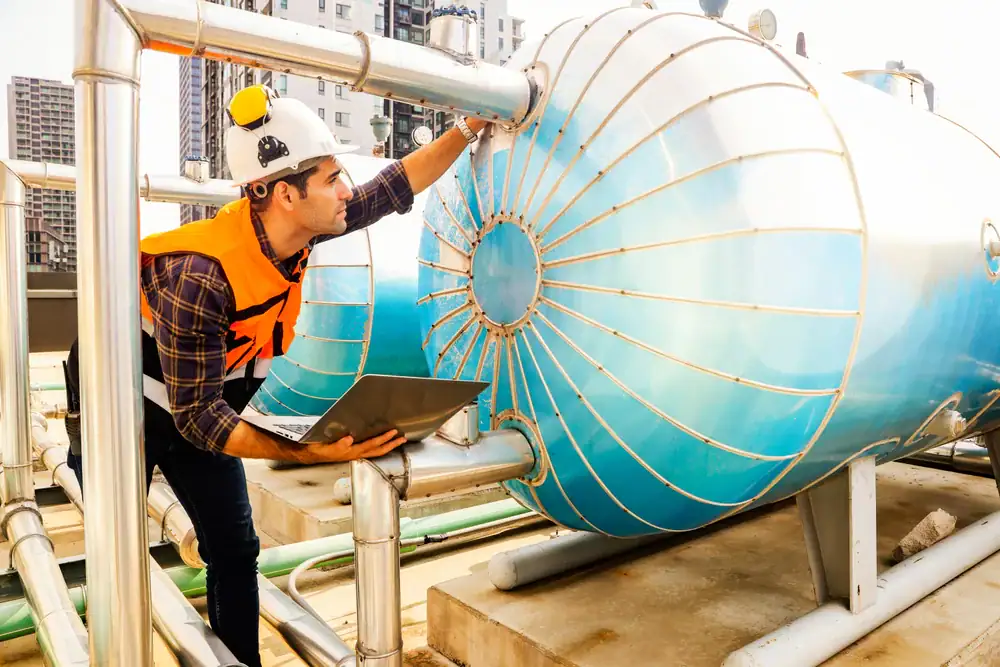
You call. We answer. If it’s an emergency—and we know the difference between a minor issue and a walk-in cooler dying during Saturday dinner service—someone responds immediately.
Most service calls start with diagnostics. We check refrigerant levels, test thermostats, inspect condenser coils, and look at compressor function. About 70% of the time, we fix it on the spot. The other 30% usually need a specialized part we don’t carry on the truck, but we’ll rig a temporary solution to keep you operational while it ships.
For new installations, we start by understanding how you actually use your space. A busy Hamptons restaurant during summer season needs different cooling capacity than a year-round retail store. We calculate load requirements, plan for peak volume, and install systems that handle your reality—not just what the manual says.
Maintenance programs include cleaning condenser coils, checking refrigerant levels, testing thermostats, inspecting door seals, and catching problems before they become emergencies. Customers on maintenance plans save money two ways: fewer emergency repairs and lower energy costs from efficient operation.
Ready to get started?
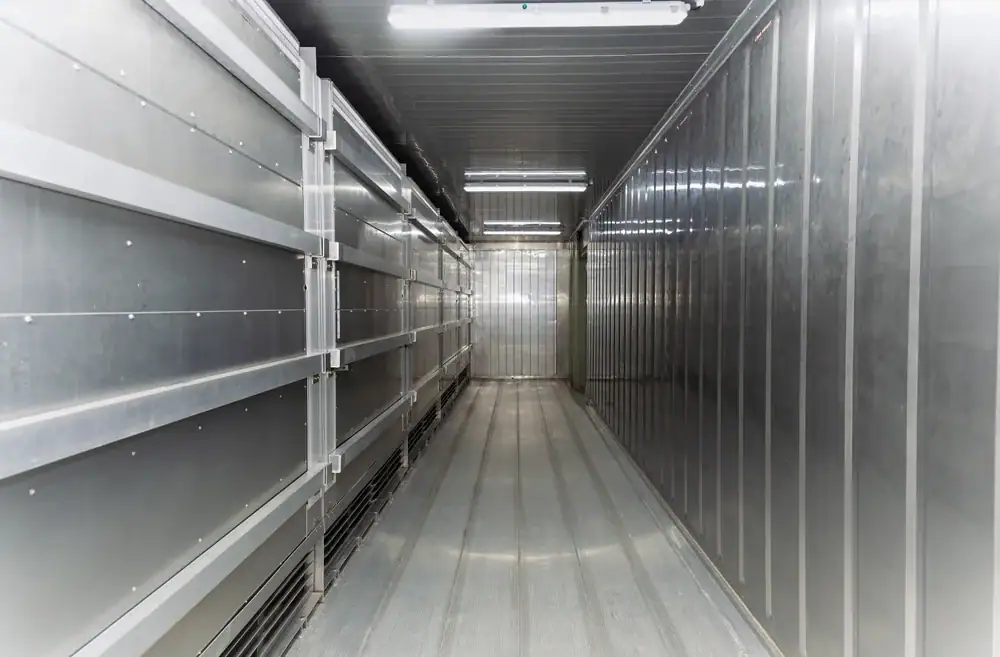
Walk-in coolers and freezers take the most abuse and cause the biggest problems when they fail. A single outage can cost up to $26,000 in spoiled product. We handle installation, repair, and maintenance for walk-ins of all sizes—from small prep coolers to large-format storage units that hold a week’s worth of inventory.
Reach-in refrigerators and freezers, display cases, prep tables, and under-counter units all need regular attention. These are the workhorses of any commercial kitchen. They run constantly, get opened hundreds of times per shift, and rarely get maintained until something breaks.
Ice machines fail more often than they should, usually because nobody cleans them. A dirty ice machine works harder, uses more energy, produces less ice, and eventually stops working entirely. Regular cleaning and descaling prevent most failures.
Sagaponack’s proximity to the ocean means salt air is constantly attacking outdoor components. Condensers corrode faster here than they would 20 miles inland. We account for that during installation and check for it during maintenance. Long Island’s humid summers make refrigeration systems work harder than they would in drier climates, and winter temperature swings stress door seals and gaskets.
Cooling energy accounts for 44% of food service costs—the largest share of any source. A well-maintained refrigeration system uses significantly less electricity than one that’s been ignored. That difference shows up every month on your utility bill.
We offer 24/7 emergency service because refrigeration problems don’t wait for business hours. When you call with an emergency, we assess the situation immediately—walk-in cooler failures during peak service hours get priority response because every hour costs you money.
Response time depends on where our technicians are when you call and what they’re working on, but we understand urgency. A walk-in cooler going down on Saturday night is different from a prep table running slightly warm on Tuesday afternoon. We triage based on severity and potential loss.
Most customers in the Sagaponack area see response within a few hours for true emergencies. We keep common parts on our trucks specifically so we can fix problems on the spot rather than scheduling a return visit. About 70% of emergency calls get resolved the same day.
Maintenance starts with cleaning condenser coils. Dirty coils make your compressor work 40% harder and fail years earlier. This is the single most important thing you can do to extend equipment life, and it’s the thing most people skip.
We check refrigerant levels and look for leaks. Low refrigerant makes your system run constantly without actually cooling properly. Small leaks caught early cost a few hundred dollars to fix. Ignored leaks turn into complete system failures that cost thousands.
Thermostats get tested for accuracy. Door seals and gaskets get inspected for wear. We look at compressor function, check electrical connections, and catch small problems before they become expensive emergencies. Maintenance customers routinely get 15-plus years from equipment that would normally fail at 10 years without regular service.
Most commercial refrigeration systems are designed to last 10 to 15 years. With proper maintenance, you’ll hit the high end of that range or exceed it. Without maintenance, you’ll be lucky to get 8 years before major components start failing.
The compressor is usually the first expensive component to go. Compressors fail early when they’re working too hard—usually because condenser coils are dirty, refrigerant is low, or the system is undersized for the actual load. A compressor replacement typically costs $2,000 to $5,000 depending on the unit size.
Walk-in coolers and freezers last longer than reach-in units because they’re built heavier and opened less frequently. Reach-ins in busy kitchens take constant abuse—doors opening hundreds of times per shift, temperature fluctuations, and heavy use. We see well-maintained reach-ins last 12 to 15 years. Neglected units fail at 6 to 8 years.
Dirty condenser coils cause more failures than anything else. The condenser is where heat gets expelled from the system. When coils are clogged with dust, grease, and debris, the compressor has to work significantly harder to achieve the same cooling. That extra work shortens compressor life and increases energy consumption.
Refrigerant leaks are the second most common cause. Small leaks develop over time from vibration, corrosion, or poor installation. Low refrigerant makes the system run constantly without reaching target temperature. Most operators don’t notice until the problem is severe.
Door seals and gaskets wear out from constant use. A door that doesn’t seal properly lets warm air in and cold air out. Your compressor runs more often trying to compensate, which increases wear and energy costs. This is especially common in high-volume kitchens where doors get opened constantly.
Electrical issues—failed contactors, worn relays, bad capacitors—cause unexpected shutdowns. These components wear out over time and typically fail without warning. Regular maintenance catches them before they leave you without refrigeration during dinner service.
Yes. Marine HVAC and refrigeration is actually one of our specializations. Boats present challenges that land-based systems don’t face—limited electrical capacity, constant motion, tight installation spaces, humid conditions, and salt air that corrodes everything.
Yacht clubs from Montauk to Manhattan trust us with their fleet systems. Individual boat owners call us when their marine air conditioning stops working or their onboard refrigeration can’t maintain temperature. Marine systems are more complex than standard commercial refrigeration because everything has to work within the constraints of a boat’s electrical system and physical space.
Sagaponack’s proximity to marinas and yacht clubs means we’re out here regularly. We understand the specific needs of marine refrigeration—systems that need to run efficiently on limited power, handle constant humidity, and survive saltwater exposure. If your boat’s refrigeration or air conditioning isn’t working, we’ve seen the problem before and know how to fix it.
Service calls start with diagnostics. Simple fixes—a bad thermostat, a tripped breaker, a dirty condenser coil—usually run a few hundred dollars including the service call. These are the problems we fix on the spot about 70% of the time.
Refrigerant leaks cost more because we have to find the leak, repair it, and recharge the system. Depending on leak location and refrigerant type, you’re looking at $500 to $1,500. Compressor replacements are the expensive repairs—typically $2,000 to $5,000 depending on unit size and refrigerant type.
Complete system failures that require replacement run $5,000 to $15,000 or more depending on size and complexity. A small reach-in unit costs less to replace than a large walk-in cooler. This is why maintenance matters—catching a $300 refrigerant leak early prevents a $4,000 compressor replacement later.
Emergency service costs more than scheduled maintenance, but when your walk-in goes down during service, you don’t have a choice. We provide free estimates for new installations and major repairs so you know exactly what you’re paying before work starts.