
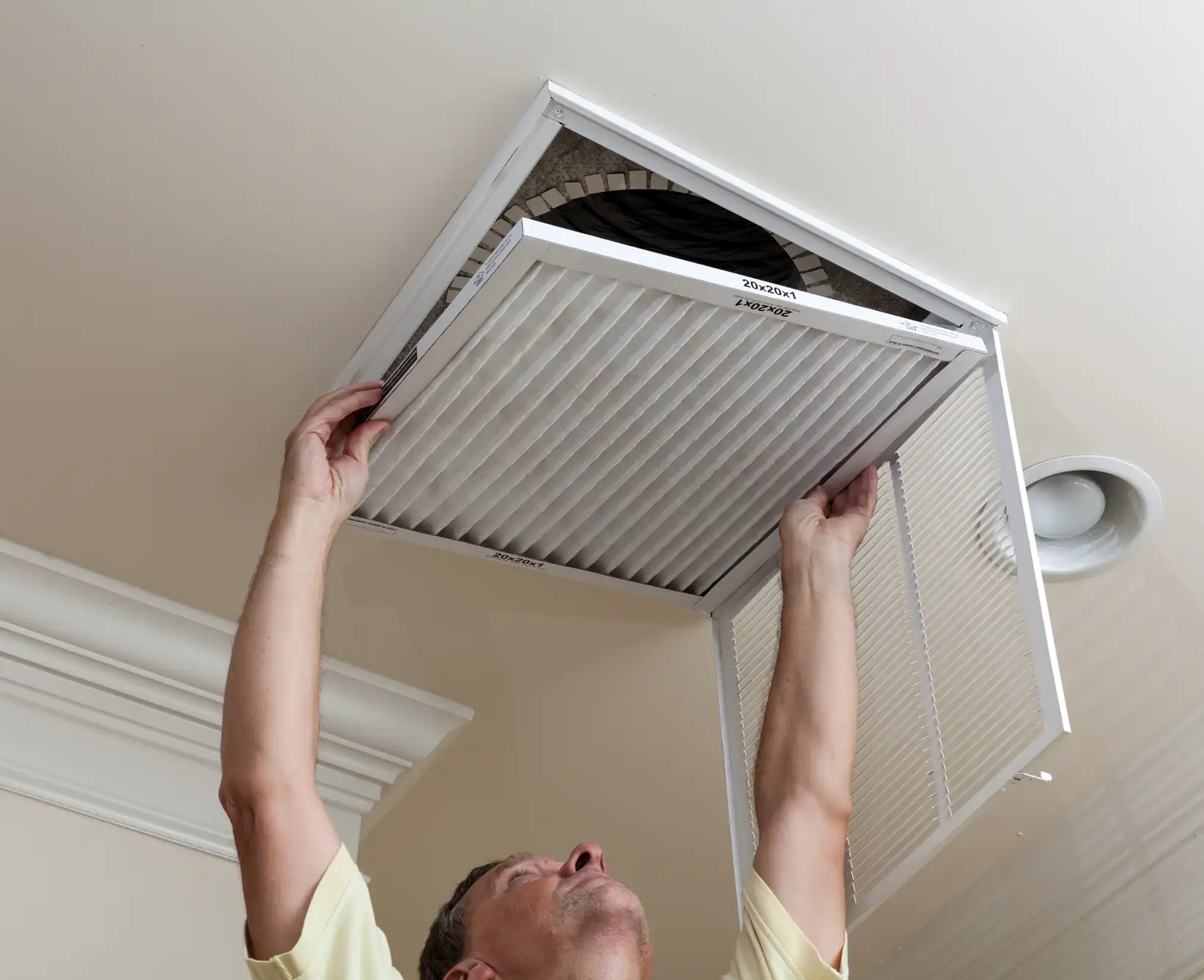
Hear from Our Customers
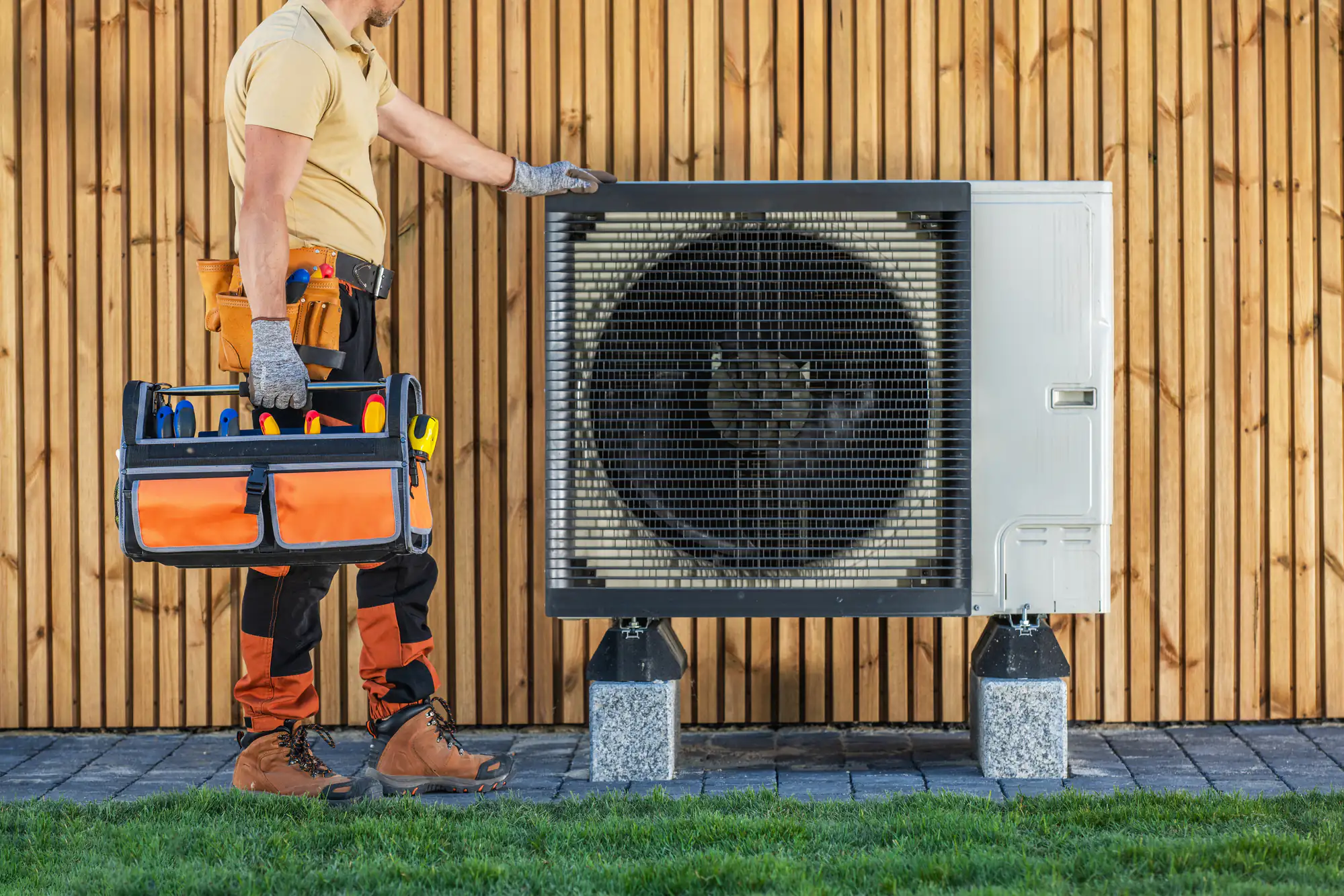
You stop thinking about your HVAC system. That’s the point.
Your energy bills drop because the system runs efficiently instead of fighting itself. You’re not adjusting the thermostat every hour trying to find comfort. The air feels right—not too humid in summer, not dry and cold in winter.
When you call for service, someone picks up. When we say we’ll be there, we show up. The estimate matches the final bill because we don’t play games with pricing.
Your seasonal property doesn’t become a liability. The system handles months of vacancy without failing the moment you return. You’re not scrambling for emergency repairs during the coldest week of January or the hottest weekend in August.
That’s what four decades of marine and commercial HVAC experience looks like when applied to residential work. Systems that perform. Service you can count on. No drama.
We’ve spent over 40 years handling commercial refrigeration and marine HVAC across the Greater New York area. We work on systems at airports, catering halls, and commercial kitchens where downtime costs thousands per hour.
That expertise transfers directly to your home. Coastal humidity that corrodes standard systems? We deal with it on boats every week. Complex zoning for multi-level properties? We’ve designed custom solutions for facilities ten times the size of your house.
Sagaponack’s unique climate—salt air, seasonal temperature swings, properties that sit vacant for months—requires someone who understands more than basic residential service. You need a team that troubleshoots complex problems and actually fixes them right the first time.
We offer 24/7 consulting, free estimates, and straightforward communication. No disappearing after the deposit. No half-finished jobs. Just reliable HVAC service backed by dozens of five-star reviews from commercial and residential clients who needed it done right.
You call or message us with your issue. We ask a few questions to understand what’s happening—no system works, strange noises, high bills, whatever it is.
We schedule a time that works for you and show up when we say we will. For emergencies, that means 24/7 availability, not “we’ll try to squeeze you in next week.”
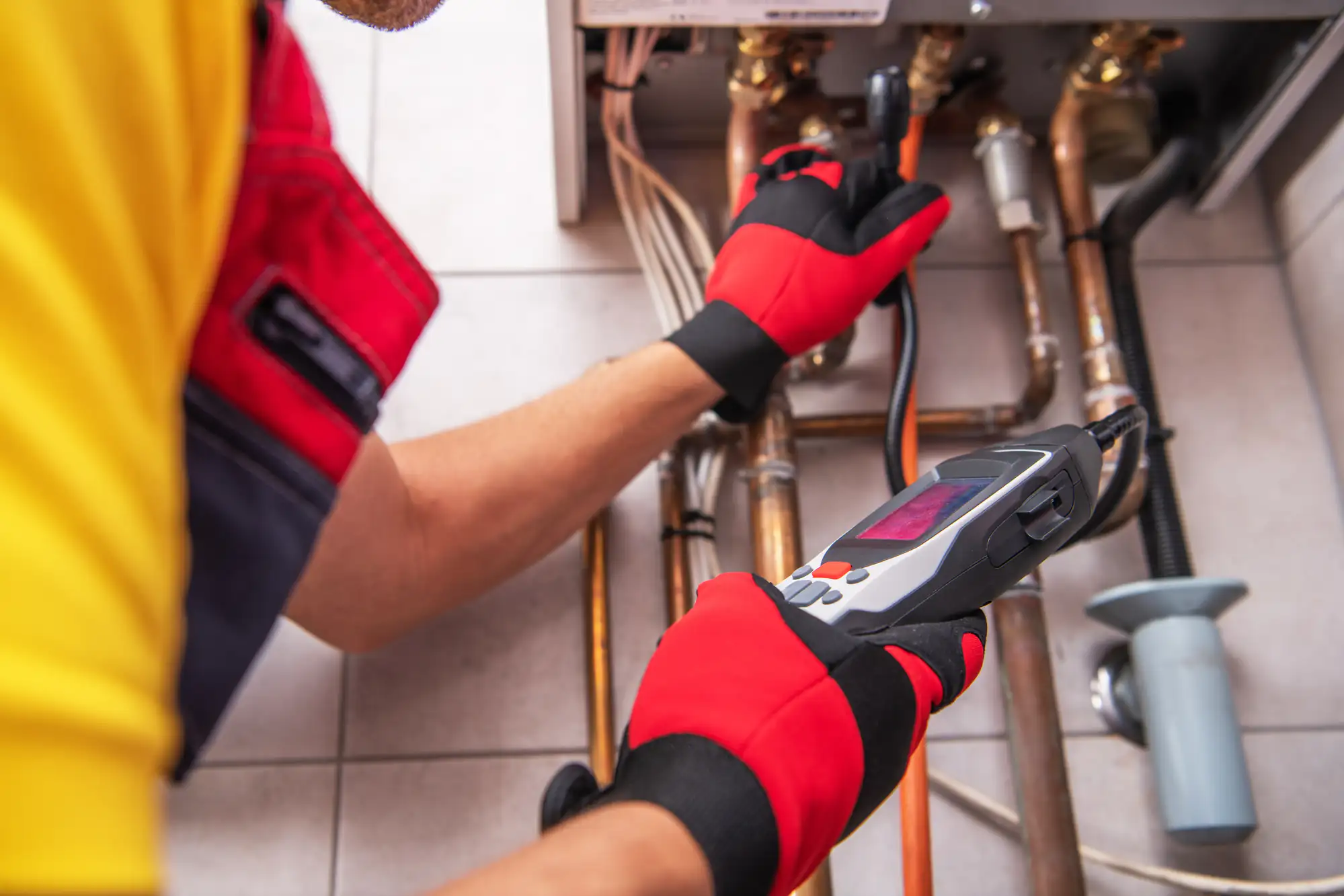
On-site, we diagnose the actual problem. Not what we want to sell you, but what your system actually needs. We explain it in plain terms and give you a free estimate before any work starts.
If it’s a repair, we fix it. If it’s a replacement, we walk through your options—including available rebates and tax credits that can save you thousands. For Sagaponack properties, we factor in coastal conditions and seasonal vacancy patterns.
After installation or repair, we test everything. You get a clear explanation of what we did and what to expect going forward. We also discuss maintenance schedules that prevent future breakdowns and keep your system running efficiently.
That’s it. No upselling. No mystery charges. Just competent HVAC work from people who’ve been doing this for four decades.
Ready to get started?
Air conditioning repair and installation designed for Long Island’s humid summers. We’re talking about systems that handle 90-degree days and coastal moisture without constantly cycling or driving up your electric bill.
Furnace installation and heating system maintenance for properties that need reliable warmth during winter months. With heating oil prices over $4 per gallon in this area, efficiency isn’t optional—it’s expensive if you ignore it.
HVAC replacement when your system hits that point where repairs don’t make financial sense anymore. If your system’s age times the repair cost exceeds $5,000, replacement usually saves you money long-term.
Indoor air quality solutions including filtration upgrades and humidity control. Sagaponack’s coastal location means managing moisture and salt air that standard systems weren’t built to handle.
We also help you access available rebates through PSEG Long Island and federal tax credits worth up to 30% of installation costs (capped at $2,000 for HVAC equipment). For heat pump installations, the NYS Clean Heat Program offers additional incentives. These programs change, but we stay current so you don’t leave money on the table.
Seasonal property services for homes that sit vacant. Your system needs to handle months without occupancy and then perform flawlessly when you return. We set up systems and maintenance schedules that account for that reality.
Twice a year minimum—once before cooling season, once before heating season.
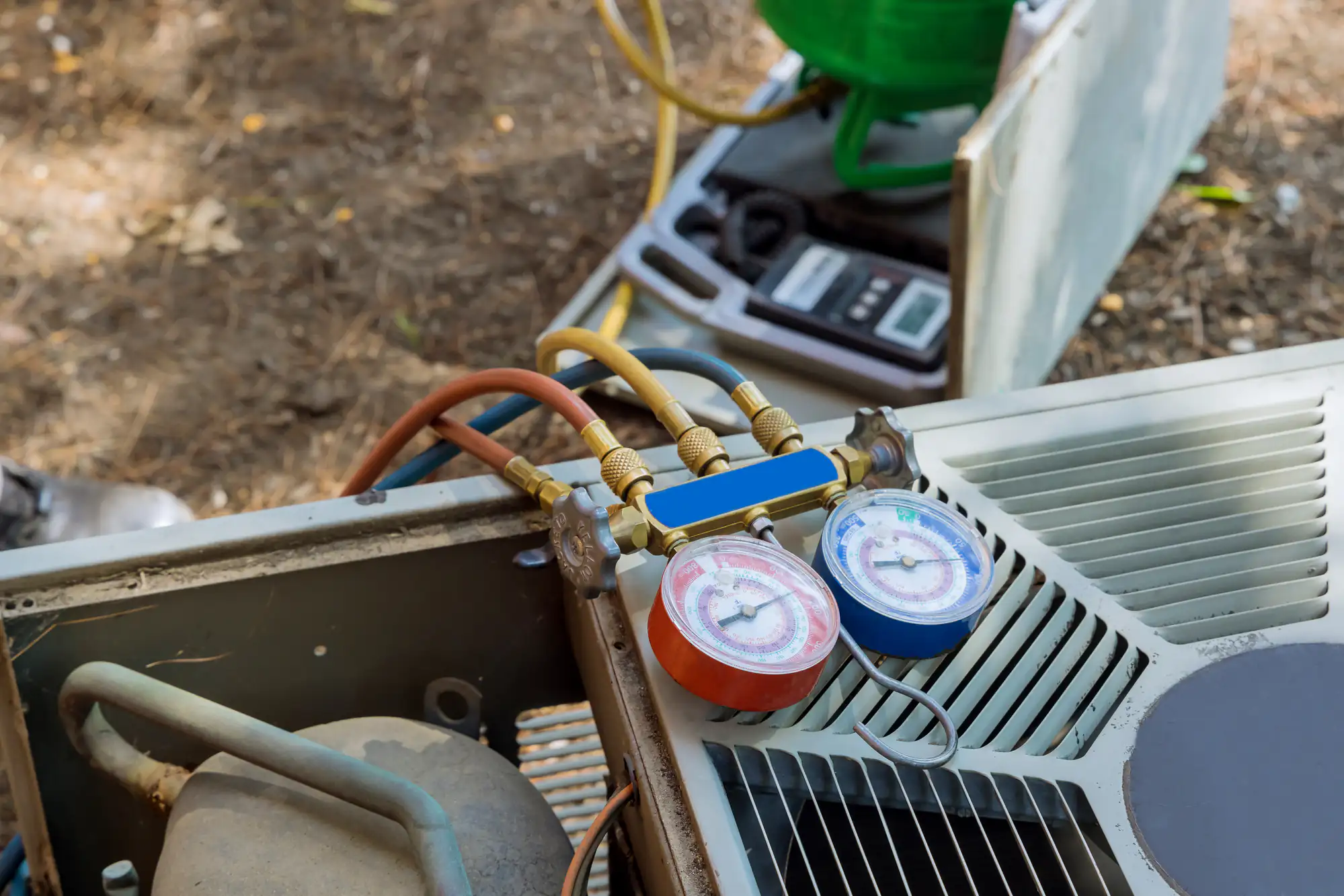
Spring maintenance catches issues before summer heat arrives. We’re checking refrigerant levels, cleaning coils, testing electrical connections, and making sure your AC won’t fail during the first heat wave. For coastal properties, we’re also inspecting for salt air corrosion that degrades components faster than inland systems face.
Fall maintenance prepares your heating system before cold weather hits. We inspect heat exchangers for cracks, test safety controls, verify proper combustion, and clean burners. Catching a worn component in October beats an emergency furnace replacement in January.
For seasonal properties that sit vacant, maintenance timing matters even more. We recommend service before you close the property and again before you return. Systems that sit idle develop problems—seals dry out, components corrode, and you don’t want to discover issues when you’re trying to open the house for the season.
Regular maintenance typically improves efficiency by 10-15%, which translates to lower energy bills. It also extends equipment life and prevents most emergency breakdowns. The cost of two maintenance visits per year is substantially less than one emergency repair call.
Federal tax credits cover 30% of equipment and installation costs, capped at $2,000 for qualifying HVAC systems through 2032. That’s significant money back on a new high-efficiency furnace, central AC, or heat pump.
PSEG Long Island offers rebates for energy-efficient equipment upgrades. Amounts vary by system type and efficiency rating, but you’re typically looking at several hundred dollars for qualifying installations. Heat pump rebates through the NYS Clean Heat Program add another layer of savings—sometimes $500 to $1,000+ depending on the system.
There’s also a separate federal tax credit for insulation and air sealing work (up to $1,200), which often makes sense to combine with HVAC replacement. Better insulation means your new system works less and costs less to operate.
The catch is that equipment must meet specific efficiency standards and installations must be documented properly. We handle the technical requirements and provide the documentation you need for tax filing. We also stay current on program changes because these incentives get updated regularly.
For Sagaponack homeowners, these combined incentives can reduce your out-of-pocket cost by $3,000-$5,000 on a full system replacement. That’s real money that makes upgrading to efficient equipment much more affordable than most people expect.
Use the Rule of 5,000: multiply your system’s age by the repair cost. If that number exceeds $5,000, replacement usually makes more financial sense.
Example: your 15-year-old furnace needs a $400 repair. That’s 6,000 (15 × 400), which suggests replacement. A 5-year-old system needing the same $400 repair? That’s only 2,000, so repair makes sense.
Beyond that formula, consider efficiency. Systems over 10-15 years old run significantly less efficiently than current models. Your old AC might have a SEER rating of 10; new systems hit 16-20 SEER. That efficiency gap costs you hundreds of dollars annually in higher energy bills.
Frequent repairs signal a dying system. If you’re calling for service multiple times per year, you’re throwing money at a losing proposition. One major replacement beats three years of escalating repair costs.
For Sagaponack properties, factor in coastal wear. Salt air accelerates corrosion and component failure. A 12-year-old system here might be in worse shape than a 15-year-old system inland. We assess actual condition, not just age.
Also consider available rebates and tax credits. If you’re facing a major repair anyway, the federal tax credit (30% back, up to $2,000) plus PSEG rebates might make replacement cost nearly the same as the repair—while giving you a new, efficient system with a warranty.
Yes. 24/7 availability for actual emergencies—total system failure, gas leaks, anything that makes your home unsafe or unlivable.
Emergency service means we answer the phone and dispatch someone, not “leave a message and we’ll call you back Monday.” For Sagaponack and the surrounding Hamptons area, we maintain that availability year-round because we know seasonal properties can’t wait three days when something fails.
What qualifies as an emergency? No heat during winter. Complete AC failure during a heat wave. Gas odors or suspected carbon monoxide issues. Water leaking from HVAC equipment causing property damage. Situations where waiting creates safety risks or serious property damage.
What’s not an emergency? Your system is running but not quite reaching temperature. Strange noise that started but the system still works. Routine maintenance or non-urgent repairs. We’ll still schedule those quickly, but they don’t require emergency rates or after-hours dispatch.
Emergency service costs more than scheduled work—that’s standard across the industry. You’re paying for immediate response and after-hours labor. But when your heat fails at 10 PM in January, the cost difference matters less than getting your system running.
We also offer 24/7 consulting for existing clients who aren’t sure if their issue constitutes an emergency. Sometimes a quick phone conversation can determine whether you need immediate service or if the problem can wait until regular business hours.
Salt air corrodes metal components faster than normal wear and tear. Coils, electrical connections, and cabinet panels all deteriorate more quickly near the ocean.
Standard HVAC systems aren’t built for coastal environments. Manufacturers design for average conditions, not the specific challenges of Hamptons properties. That means coastal installations require upgraded components, protective coatings, and more frequent inspections to catch corrosion before it causes failure.
Humidity management becomes critical. You’re already dealing with ocean moisture, and a poorly configured HVAC system makes it worse. Oversized AC units that short-cycle won’t dehumidify properly. You end up with a cold, clammy house instead of actual comfort.
Seasonal vacancy creates its own problems. Systems that sit unused for months develop issues—seals dry out, condensate drains clog, rodents nest in equipment, and components corrode faster without regular operation. Your HVAC needs to be configured and maintained differently than a year-round primary residence.
We handle marine HVAC systems professionally—boats face even harsher salt exposure than houses. That experience translates directly to Sagaponack properties. We know which components fail first in coastal conditions, which protective measures actually work, and how to configure systems for seasonal use.
The maintenance schedule also differs. Coastal properties benefit from more frequent inspections to catch salt damage early. We’re looking at things most residential HVAC techs never consider because they’re working inland where these issues don’t exist.
Full system replacement usually takes one to three days depending on complexity. Straightforward swap of existing equipment runs one day. Custom installations with ductwork modifications, zoning systems, or multiple units take longer.
Day one typically involves removing old equipment, making any necessary modifications to connections or ductwork, and beginning new equipment installation. For most homes, we complete installation and initial testing the same day.
More complex projects require additional time. If you’re upgrading from a single-zone system to multi-zone, adding ductless mini-splits, or integrating smart controls, expect two to three days. We’re not rushing work to hit arbitrary deadlines—we’re making sure everything functions correctly.
Weather can affect timeline for outdoor equipment installation. We’re not setting condensers in pouring rain or working on electrical connections during thunderstorms. Safety and proper installation matter more than shaving a few hours off the schedule.
For seasonal properties, we coordinate timing around your occupancy schedule. If you need work done while you’re not in residence, we handle it and provide detailed documentation of what was completed.
We also factor in permitting and inspection requirements. Some installations require permits and municipal inspections, which adds time to the overall project even though our actual work might be finished. We manage that process and make sure everything meets code.
The goal is getting your system running properly, not setting speed records. We give you realistic timelines upfront and communicate if anything changes during the project.