
Hear from Our Customers
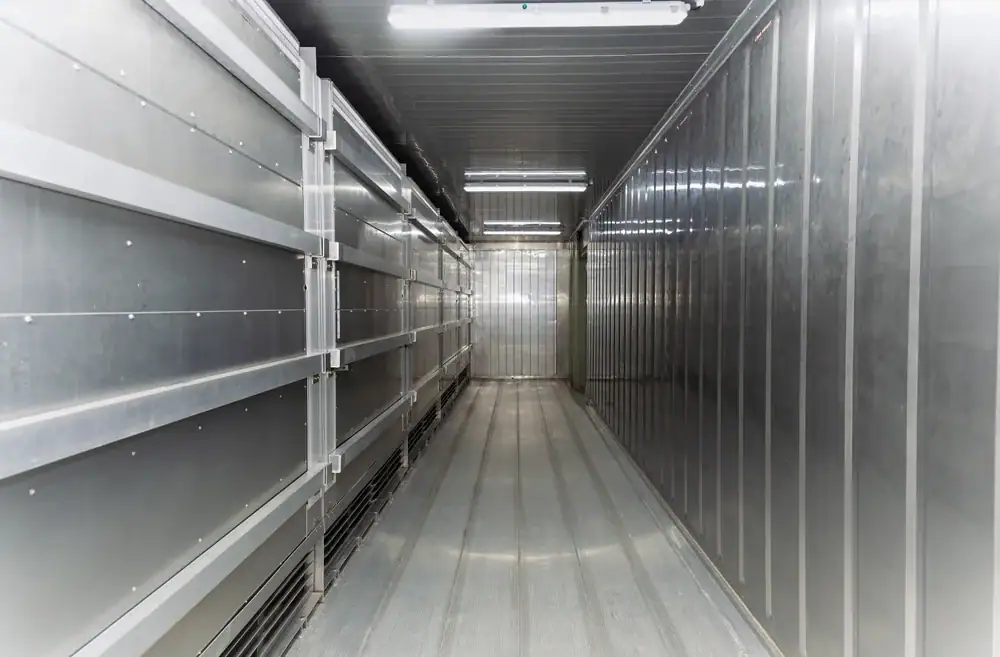
Your walk-in cooler holds temperature through the dinner rush. Your ice machine keeps up with weekend demand. Your compressor doesn’t quit during a heat wave.
That’s what reliable commercial refrigeration looks like. No spoiled inventory because a condenser coil gave out overnight. No scrambling to find emergency service on a Saturday. No wondering if your equipment will make it through another summer.
Sands Point’s waterfront location creates specific challenges for refrigeration equipment. Salt air corrodes condenser coils faster than inland areas. Humidity swings stress compressors. Your system works harder here than it would twenty miles west.
The businesses that don’t deal with constant breakdowns? They’re the ones who caught problems early. Fixed the root cause instead of patching symptoms. Worked with someone who actually understands how coastal conditions affect refrigeration performance.
We’ve handled commercial refrigeration and marine HVAC across Nassau County for over 40 years. We’re the company yacht clubs call for marine systems. The one restaurants trust when their walk-in freezer stops working at 9 PM on a Friday.
We’ve seen what happens when refrigeration companies treat every job the same. A system installed in Sands Point needs different considerations than one in central Long Island. Salt air matters. Humidity levels matter. Proximity to water matters.
Our technicians carry parts for every major brand because waiting three days for a compressor isn’t realistic when you’re running a food service operation. We’re licensed, insured, and actually available when you call after hours. Not an answering service—real people who can dispatch a truck.
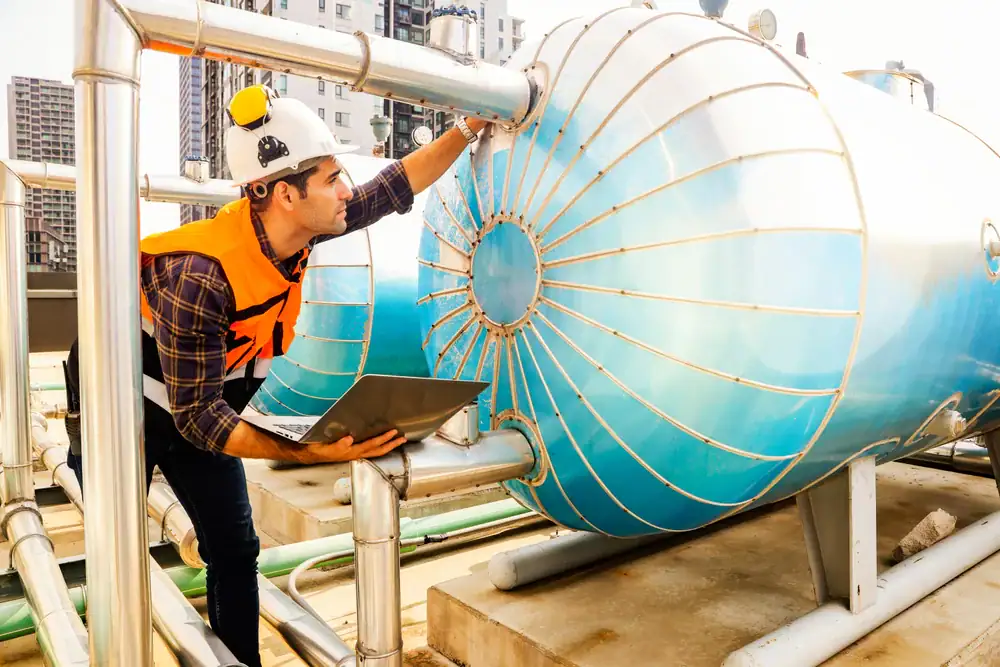
First, we figure out what’s actually wrong. Not what might be wrong or what usually causes that symptom. We diagnose the specific problem with your specific equipment in your specific location.
If it’s an emergency, we’re typically on-site within hours. Our trucks stock the parts that fail most often in coastal areas—condenser coils, compressor components, door seals that take a beating from humidity. For about 80% of service calls, we fix it the same day.
For installations, we handle permits, electrical connections, health department compliance, and staff training. You get one point of contact. One company responsible for the entire project. We don’t install your system and disappear—we set up your maintenance schedule before we leave.
After the install or repair, we walk you through what we did and why. If there’s a maintenance issue you should watch for, we tell you. If your system is working harder than it should because of how it’s positioned or vented, we tell you that too.
Ready to get started?
Commercial refrigeration maintenance in Sands Point means dealing with conditions most inland areas don’t face. Your condenser coils need cleaning more frequently because of salt air. Your door seals wear faster from constant humidity changes. Your compressor works harder during summer heat waves when it’s already stressed from coastal moisture.
We service walk-in coolers, walk-in freezers, reach-in units, ice machines, display cases, prep tables, and blast chillers. For marine applications—yacht clubs, marinas, boats—we handle the unique challenges of limited electrical capacity, constant motion, and salt water exposure.
Our maintenance programs catch the problems that lead to expensive failures. Dirty coils. Worn door seals. Refrigerant leaks. These account for about 80% of service calls, and they’re all preventable with regular attention.
Sands Point restaurants and food service operations face high electricity costs. Your refrigeration equipment accounts for up to 40% of your total energy consumption. When systems run efficiently, you’re not just avoiding breakdowns—you’re controlling operating costs. A well-maintained compressor uses significantly less power than one struggling with dirty coils or low refrigerant.
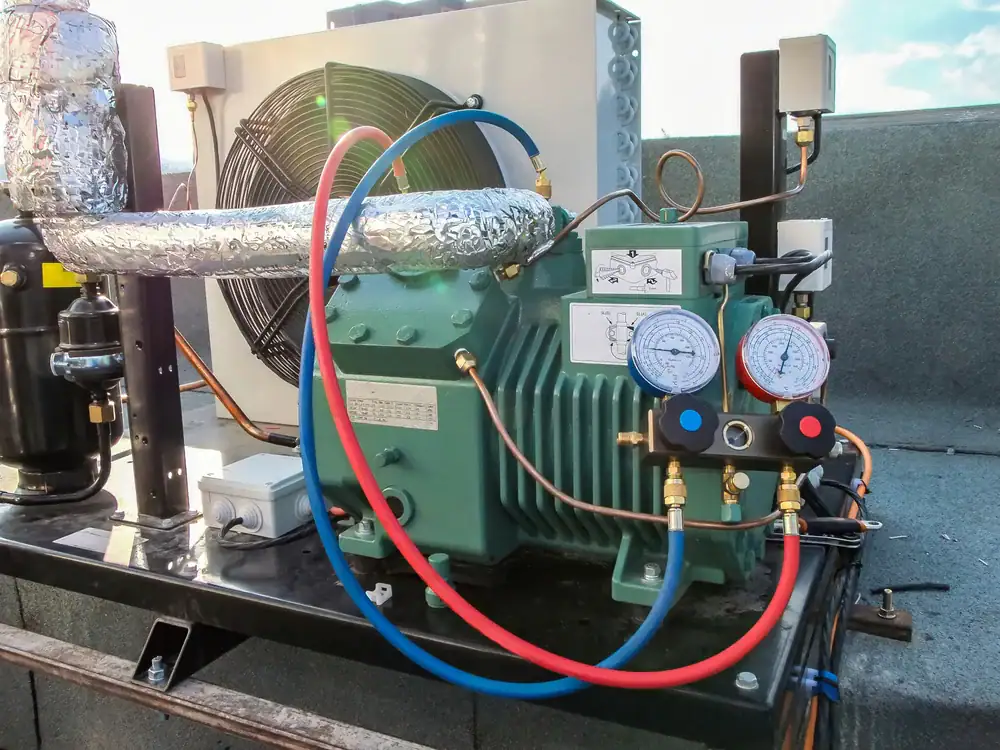
We typically arrive within hours, not days. Our trucks are stocked with the parts that fail most often in coastal areas, so for most common issues—failed compressor components, refrigerant leaks, condenser problems—we can complete repairs the same day.
When your walk-in cooler fails during service hours, every hour counts. We dispatch from multiple locations across Nassau County, and our technicians carry extensive inventory specifically because we know you can’t wait three days for a part to arrive.
If we can’t fix it immediately, we’ll tell you exactly what’s needed, how long it will take, and what your options are for temporary cooling if necessary. No runaround. No vague timelines.
Salt air is the biggest factor. It accelerates corrosion on condenser coils and other metal components. What might last ten years inland could need replacement in seven years near the water.
Humidity creates its own problems. Constant moisture in the air makes compressors work harder to maintain temperature. Door seals deteriorate faster. Electrical connections are more prone to corrosion.
The combination means your equipment needs more frequent maintenance than the standard recommendations suggest. Condenser coils should be cleaned more often. Seals should be inspected regularly. Refrigerant levels need monitoring because small leaks become big problems faster in humid, salt-air environments.
A typical maintenance contract runs a few hundred dollars per quarter, depending on your equipment. A single emergency compressor failure can cost five to fifteen thousand dollars when you factor in parts, labor, lost revenue, and spoiled inventory.
Most refrigeration failures are preventable. Dirty coils cause compressors to overheat. Worn door seals make systems run constantly. Low refrigerant levels stress the entire system. All of these show up during routine maintenance before they become emergencies.
The average restaurant spends over $2,200 annually on refrigeration repairs, and studies show 80% of those failures could have been caught early. You’re either paying for scheduled maintenance or you’re paying for emergency repairs—usually at the worst possible time.
Real 24/7 availability matters more than anything else. Not an answering service that takes a message—actual technicians who can respond after hours, on weekends, during holidays.
Experience with your specific equipment and location makes a difference. A company that primarily handles residential units won’t understand the demands of commercial food service. Someone without coastal experience won’t anticipate the maintenance issues you’ll face in Sands Point.
Parts inventory is critical. If they need to order every component, you’re waiting days for repairs. Our trucks stock parts for all major brands because we’ve been doing this long enough to know what fails and when.
Look for licensed and insured contractors who can handle permits and health department requirements. Your refrigeration system isn’t just about keeping food cold—it’s about compliance, food safety, and protecting your business.
Yes. Marine systems are actually one of our specializations. We work with yacht clubs throughout Nassau County and handle the unique challenges that come with boat refrigeration and climate control.
Marine HVAC deals with limited electrical capacity, constant motion, humid conditions, and direct salt air exposure. The equipment needs to be sized differently. Installation requires different considerations. Maintenance schedules are more aggressive because of the operating environment.
Most commercial refrigeration companies won’t touch marine work because it requires specific knowledge and experience. We’ve been handling these systems for over 40 years, so we understand what works on the water and what doesn’t.
Quality equipment with regular maintenance should give you 10 to 15 years minimum. In coastal areas like Sands Point, you might see slightly shorter lifespans because of environmental factors, but proper care makes a significant difference.
The problem is most businesses skip maintenance until something breaks. Then they’re surprised when a seven-year-old system needs major repairs. Compressors aren’t designed to run with dirty coils. Door seals aren’t meant to stay functional when they’re cracked and leaking air.
We’ve seen 20-year-old systems still running strong because someone actually maintained them. We’ve also seen three-year-old equipment fail catastrophically because it was neglected. The difference isn’t the brand or the price—it’s whether someone paid attention before problems became emergencies.