Hear from Our Customers
Your energy bills stop creeping up every month. You’re not adjusting the thermostat five times a day trying to find a temperature that sticks. Every room feels the same, whether it’s the master bedroom or the back office.
When your air conditioning repair is done right the first time, you’re not dealing with callbacks or Band-Aid fixes that fail by July. When your furnace installation is sized correctly for your square footage and insulation, you’re not burning money on a system that cycles on and off all winter.
Indoor air quality isn’t just about filters. It’s about humidity control, proper ventilation, and systems that don’t circulate dust or allergens every time they kick on. You notice fewer headaches, less stuffiness, and air that doesn’t feel heavy after a rainstorm rolls through from the Sound.
We spent over 40 years handling marine HVAC and commercial refrigeration across the Greater New York area. We’ve worked on airport systems, restaurant walk-ins, catering halls, and boat climate control where failure isn’t an option and conditions are harsh.
That background matters when you’re dealing with Sands Point’s coastal environment. Salt air corrodes components faster than inland systems. Humidity levels swing hard between seasons. Your HVAC replacement needs to account for those variables, not just match tonnage to square footage.
We’re not new to the North Shore. We know what breaks down here and why. We’ve seen what happens when systems are undersized, when ductwork isn’t balanced, and when contractors skip the load calculation because it takes an extra hour.
You call or submit a request. We schedule a time that works for you, not just our route. When we show up, we’re looking at your actual system, your ductwork, your insulation, and your usage patterns—not just handing you a price based on square footage alone.
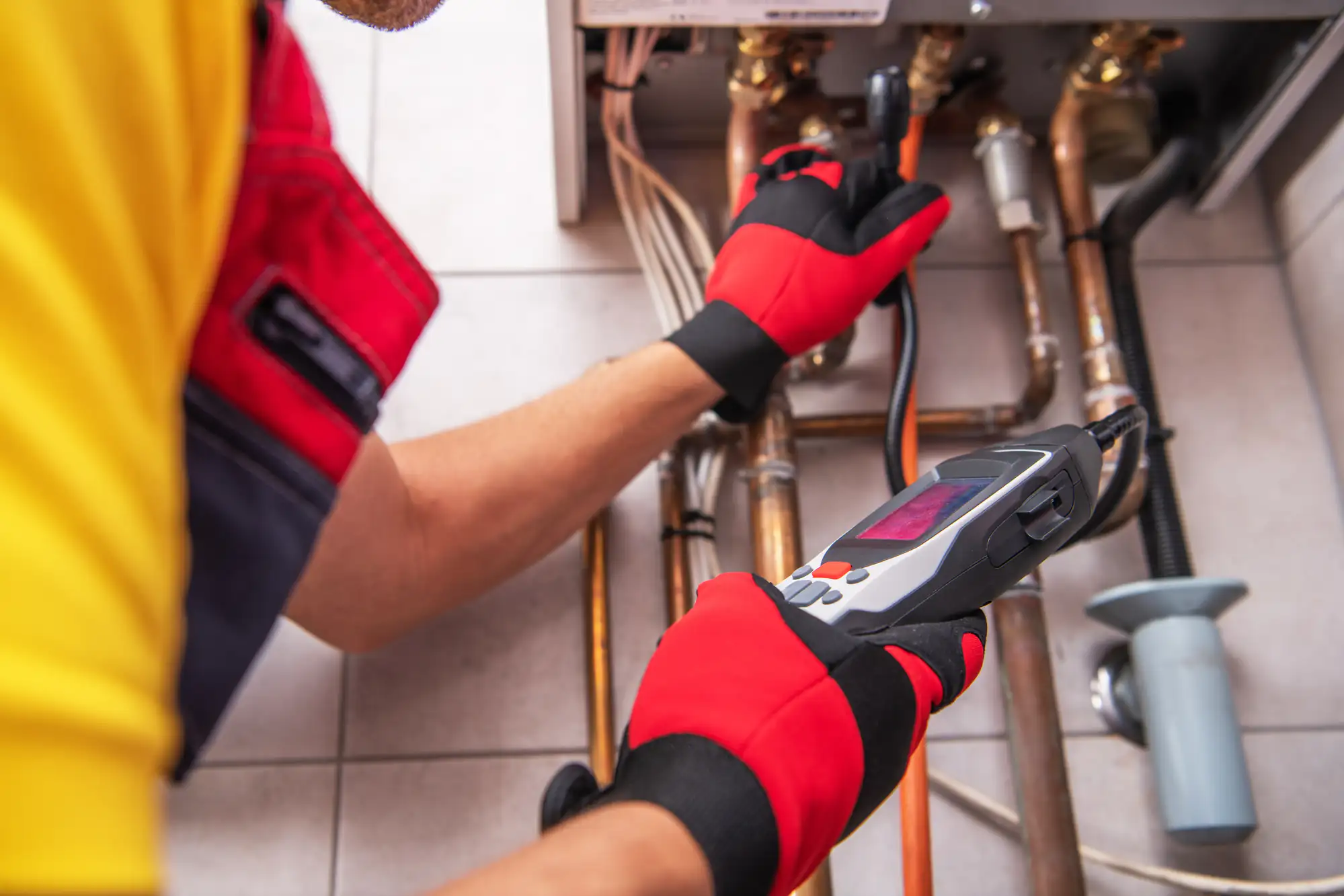
If it’s heating system maintenance, we’re checking burner efficiency, airflow, thermostat calibration, and whether your ducts are leaking conditioned air into your attic. If it’s an HVAC replacement, we’re running a load calculation to size the unit correctly, reviewing your existing ductwork for compatibility, and talking through options that fit your home and your budget.
We give you a transparent estimate with no pressure to decide on the spot. If you move forward, we schedule the work around your availability. During installation, we protect your floors, contain the mess, and don’t leave until the system is tested and you understand how to operate it.
After the job, you have our number. If something doesn’t feel right, you call. We don’t disappear after the check clears.
Ready to get started?
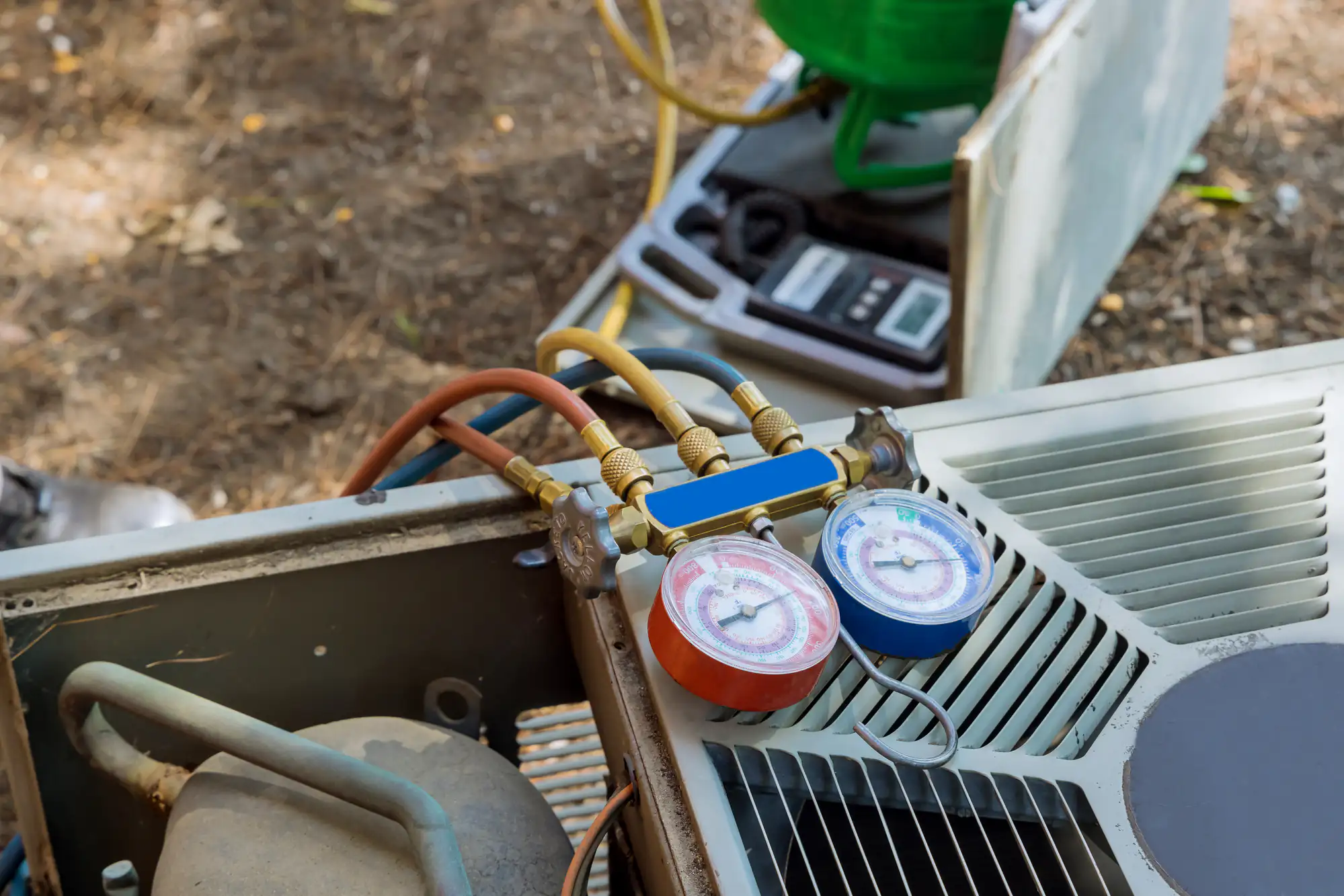
Air conditioning repair covers refrigerant leaks, compressor failures, frozen coils, and electrical issues that cause short cycling or total shutdowns. We’re also checking condensate drains, because a clogged line leads to water damage and mold growth in your walls.
Furnace installation includes proper venting, gas line connections, ductwork integration, and thermostat setup. We’re making sure your new system is sized for your home’s heat loss, not just swapping a 100k BTU unit because that’s what was there before.
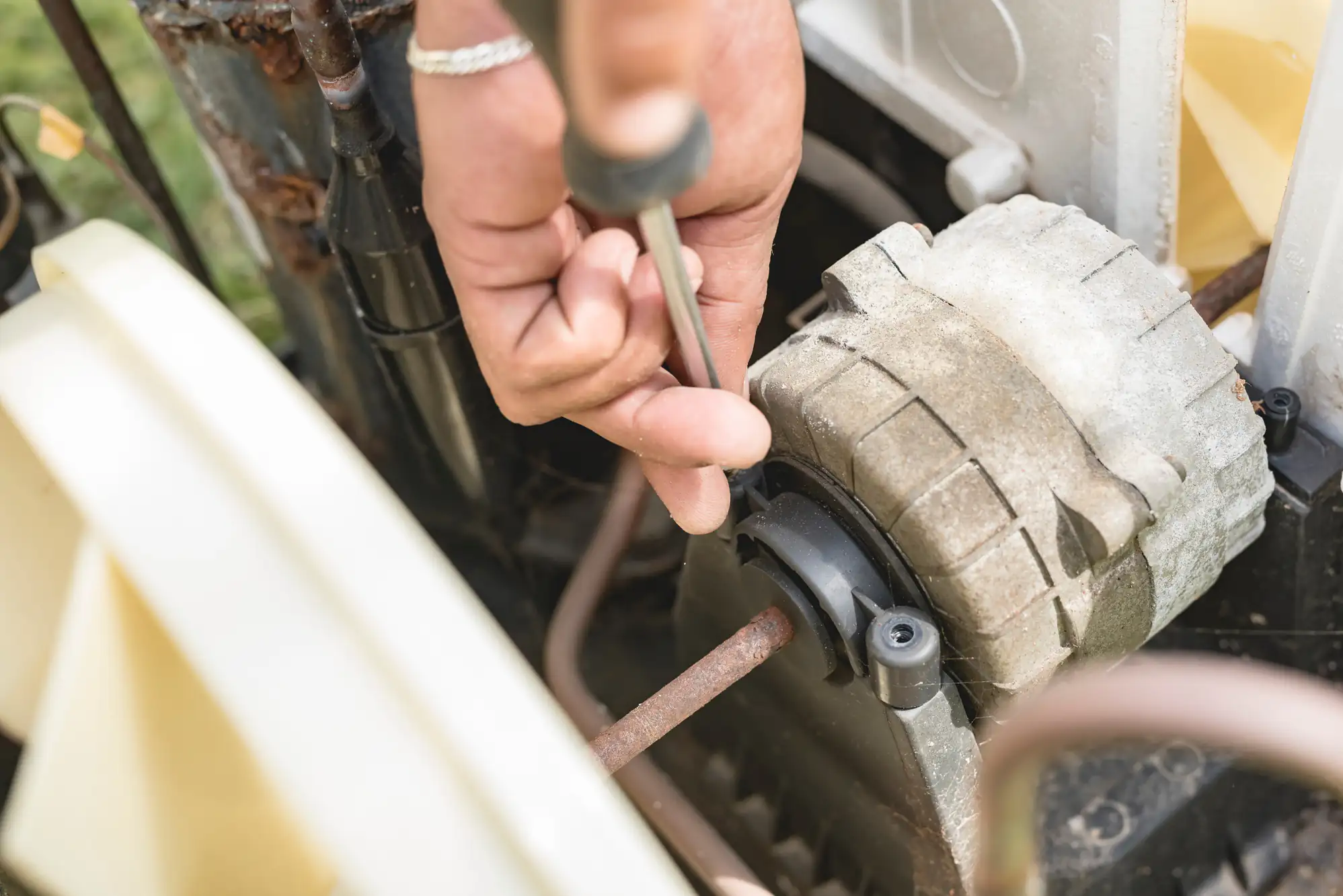
Heating system maintenance means cleaning burners, checking heat exchangers for cracks, testing safety controls, and verifying your system isn’t leaking carbon monoxide. It’s the work that prevents a breakdown at 2 a.m. when temperatures drop into the teens.
Indoor air quality services range from whole-home humidifiers and dehumidifiers to UV lights and advanced filtration. Sands Point homes deal with moisture from the coast and pollen from the trees. Your HVAC system should handle both without making your air feel swampy or dry.
Once a year, ideally in early fall before you need heat consistently. Long Island winters aren’t brutal every day, but when Arctic air moves through, your furnace runs hard. If it hasn’t been cleaned and checked, that’s when heat exchangers crack, igniters fail, or blowers seize up.
Annual maintenance catches small problems before they become expensive ones. A dirty burner reduces efficiency and increases your gas bill. A failing inducer motor might work for a few more weeks, but it’ll quit entirely on the coldest night of the year.
If your system is over 15 years old, consider maintenance twice a year. Older units have more wear, and parts are harder to find. Catching issues early means you’re not scrambling for an emergency furnace installation in January when lead times are long and prices are higher.
Usually it’s ductwork. If some rooms are hot while others are cold, your ducts aren’t balanced correctly, or they’re leaking conditioned air into unconditioned spaces like your attic or crawlspace. Sealing and balancing ducts solves most uneven heating and cooling problems.
Sometimes it’s insulation. If your walls or attic aren’t insulated properly, certain rooms lose heat faster in winter and gain heat faster in summer. Your HVAC system can’t overcome poor insulation, no matter how new or efficient it is.
Occasionally it’s system sizing. If your air conditioning repair involved replacing a component but the unit was already undersized for your square footage, you’ll still have hot spots. A proper load calculation during HVAC replacement ensures your new system has the capacity to condition your entire home evenly.
If your system is under 10 years old and the repair costs less than half the price of a new unit, repair usually makes sense. If it’s over 15 years old and you’re looking at a compressor or coil replacement, you’re better off replacing the whole system.
Refrigerant type matters too. Older systems use R-22, which is being phased out and expensive to refill. If you have a refrigerant leak in an R-22 system, replacement is often more cost-effective than repairing and recharging with refrigerant that costs $150+ per pound.
Efficiency is the other factor. A 10 SEER system from 2005 costs significantly more to run than a 16 SEER system installed today. If your energy bills have climbed and your unit runs constantly during summer, the savings from a new high-efficiency system can offset the replacement cost within a few years.
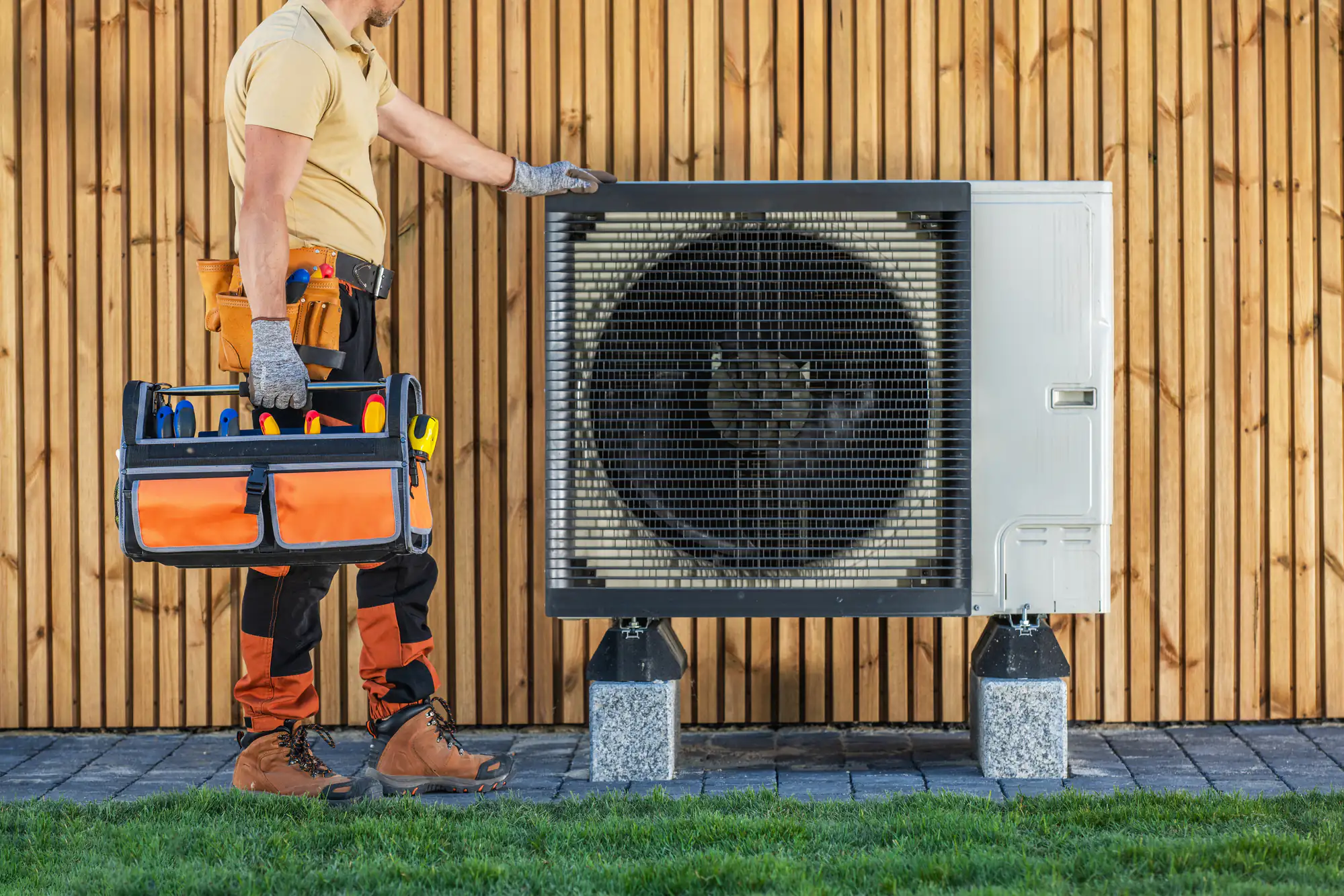
Salt air accelerates corrosion on outdoor units. Condenser coils, copper lines, and electrical connections deteriorate faster here than they do 10 miles inland. If you’re near the Sound, expect to replace outdoor components sooner than the manufacturer’s estimated lifespan.
Humidity is harder to control. Coastal homes deal with moisture year-round, and your air conditioner has to work harder to dehumidify, not just cool. If your system is undersized or your ductwork is leaking, you’ll have that clammy feeling even when the thermostat says 72 degrees.
Wind and wet snow stress older systems. Nor’easters dump heavy, wet snow that can damage fins on condenser coils and strain fan motors. If your outdoor unit is exposed without a windbreak, it takes more abuse than units in sheltered locations. Regular maintenance catches damage before it leads to total failure.
For a standard gas furnace in a typical Sands Point home, expect $4,000 to $8,000 depending on efficiency rating, brand, and whether your ductwork needs modification. High-efficiency models with variable-speed blowers cost more upfront but lower your heating bills and improve comfort.
If you’re switching fuel types—say, from oil to gas—add $2,000 to $4,000 for gas line installation and oil tank removal. If your ductwork is undersized or in poor condition, that’s another $3,000 to $6,000 to replace or rework it properly.
We give you a detailed estimate before any work starts. You’ll know exactly what you’re paying for, what’s included, and what your options are. No surprise charges, no upselling equipment you don’t need. Just transparent pricing based on the actual work your home requires.
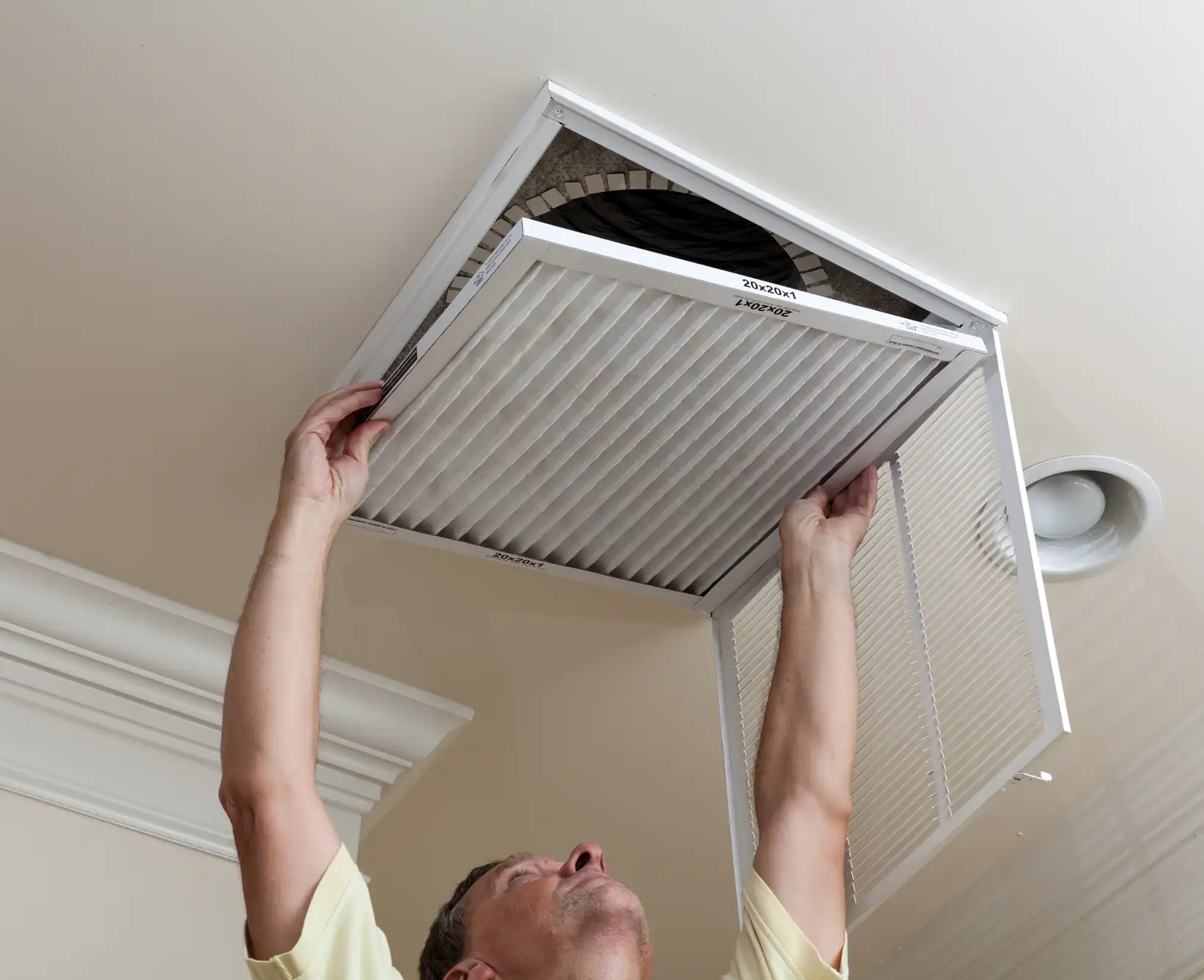
Start with a better filter. Standard fiberglass filters catch large particles but miss dust, pollen, and mold spores. A MERV 11 or MERV 13 pleated filter captures smaller particles without restricting airflow, as long as your system can handle the denser media.
Add a whole-home dehumidifier if your home feels muggy in summer. Portable units only handle one room, and they’re loud and inefficient. A whole-home model integrates with your HVAC system and controls humidity throughout the house, which also reduces mold growth and dust mites.
Consider UV lights for your ductwork. UV-C light kills mold, bacteria, and viruses as air passes through your system. It’s especially useful if anyone in your home has allergies or respiratory issues. Pair it with regular duct cleaning every few years, and you’ll notice cleaner air and fewer allergy symptoms.