Hear from Our Customers
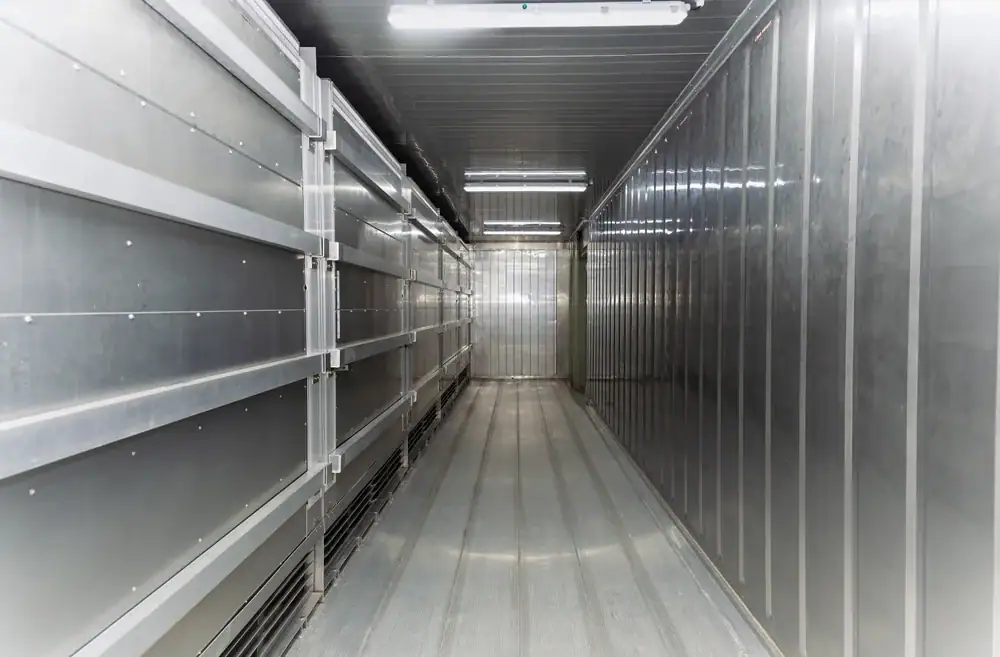
You stop worrying about whether your walk-in will make it through the weekend. Your food stays at the right temperature. Your health inspector has nothing to write up. Your energy bills stop climbing every month because the compressor isn’t fighting dirty coils and worn seals.
That’s what proper commercial refrigeration looks like. Not just equipment that turns on, but systems that maintain consistent temperatures, run efficiently, and don’t surprise you with breakdowns during your busiest hours.
Most refrigeration problems in University Gardens don’t start as emergencies. They start as small issues that get ignored until your cooler dies on a Friday night. A compressor that’s working too hard. Coils that haven’t been cleaned in months. Door seals that aren’t sealing. By the time you notice, you’re already looking at spoiled inventory and an emergency service call.
The difference between a minor repair and a major replacement often comes down to whether someone caught the problem early. Regular refrigeration maintenance means your systems get checked before they fail, not after.
We’ve been handling commercial refrigeration across Long Island since before most of your competitors opened their doors. We’ve seen every type of system, every brand, every failure mode. Walk-ins, reach-ins, display cases, ice machines, prep tables, blast chillers—if it keeps food cold, we’ve worked on it.
University Gardens businesses deal with specific challenges. Summer humidity puts extra stress on compressors. Salt air from the coast corrodes components faster. High-volume operations at nearby airports and catering halls need systems that can handle constant use without breaking down.
We’re EPA certified, factory authorized on major brands, and we actually answer the phone at 2 a.m. when your freezer stops working. That’s not marketing talk—it’s how we’ve stayed in business for four decades.
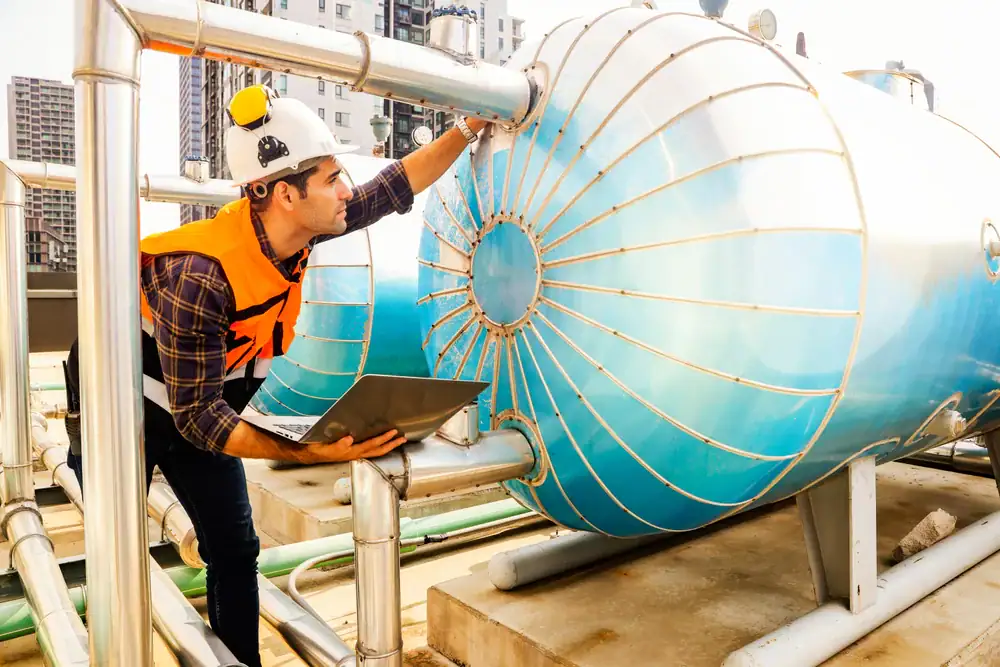
First, we figure out what’s wrong. Not what you think is wrong, but what’s actually causing the problem. A compressor that keeps shutting off might not need replacement—it might just be overheating because the coils are clogged. We diagnose the root cause, not just the symptom.
Then we tell you what it costs before we start work. No surprises, no “well, now that we’re in here” upsells. You know the price, you approve it, then we fix it. Most repairs get done the same day because our trucks carry parts for every major brand.
For installations, we start by looking at your actual needs. How much product do you store? What are your peak hours? What’s your kitchen layout? Then we design a system that fits your space and your volume—not whatever’s on sale. We handle the electrical connections, pull the permits, make sure you pass health department inspections, and train your staff on proper use.
After installation or repair, we set you up on a maintenance schedule. Quarterly checks catch small problems before they become expensive ones. You get priority scheduling, faster emergency response, and discounted repair rates. Most importantly, your equipment lasts years longer because someone’s actually taking care of it.
Ready to get started?
Every refrigeration system we install or service in University Gardens comes with the same approach: fix it right, make it last, and don’t waste your time. That means using manufacturer parts, not cheap alternatives that fail in six months. It means checking the whole system, not just the component that broke. It means explaining what we found in plain language, not technical jargon designed to confuse you into approving extra work.
Long Island’s climate is tough on refrigeration equipment. Summer heat makes compressors work harder. Winter cold affects door seals. Constant humidity changes stress the entire system. Equipment that might last fifteen years in Arizona might only give you ten here—unless someone’s maintaining it properly.
New EPA regulations that took effect in 2025 changed which refrigerants can be used in commercial equipment. If you’re installing new systems or replacing old ones, you need to know which refrigerants are still legal and which ones are being phased out. We stay current on these regulations so you don’t get stuck with equipment you can’t service in three years.
Energy efficiency matters more than most business owners realize. Refrigeration typically accounts for 40% of your total energy consumption. A system that’s properly maintained and correctly sized for your needs can cut that number significantly. PSEG Long Island offers rebates for ENERGY STAR certified equipment—we can help you navigate those programs and actually collect the money you’re entitled to.
We run true 24/7 emergency service, and our typical response time is within a couple hours—not “next business day” or “sometime tomorrow.” When we say emergency service, we mean someone answers the phone at 3 a.m., and a technician with a fully stocked truck shows up while your product is still salvageable.
Here’s what actually matters during an emergency: speed and parts inventory. We can get there fast, but if we don’t have the right parts, you’re still waiting. Our trucks carry components for every major brand specifically so we can complete most repairs on the first visit.
Not every problem can be fixed immediately. Sometimes we need to order a specialized part or a compressor needs to be rebuilt. In those cases, we set up temporary cooling solutions so you don’t lose inventory while we’re waiting on parts. The goal is keeping your business running, not just scheduling a repair.
A proper maintenance plan means someone checks your equipment before it breaks, not after. We inspect all components, clean condenser coils, check refrigerant levels, test door seals, calibrate thermostats, and look for early warning signs of failure. Dirty coils alone can reduce cooling efficiency by 30%, which makes your compressor work harder and fail sooner.
Most commercial refrigeration needs maintenance at least quarterly. High-volume operations might need it monthly. The schedule depends on how hard you’re running your equipment and what kind of environment it’s in. A deli that’s open twelve hours a day puts different stress on a walk-in than a catering hall that only uses theirs on weekends.
Maintenance plans also get you priority scheduling, discounted repair rates, and faster emergency response times. But the real value is in preventing expensive failures. The average commercial refrigeration repair costs over $2,000, and 80% of those failures could have been prevented with regular maintenance. You’re not paying for maintenance—you’re avoiding much bigger repair bills.
Age and repair history tell you most of what you need to know. Commercial refrigeration equipment typically lasts ten to fifteen years with proper maintenance. If your system is over ten years old and you’re calling for repairs more than twice a year, replacement probably makes more financial sense than continuing to fix it.
Compressor failure is usually the decision point. If the compressor dies and your equipment is more than seven years old, replacement often costs less than repair when you factor in energy efficiency. Newer systems use less electricity and meet current EPA refrigerant standards, which means lower operating costs and easier service down the road.
Sometimes the decision isn’t about the equipment—it’s about your business needs. If you’ve outgrown your current capacity, or you’re constantly running out of cold storage space, upgrading to a larger system makes more sense than limping along with undersized equipment. We’ll assess your actual usage and tell you honestly whether repair or replacement makes more sense for your situation.
It depends entirely on your menu, your volume, and your space. A quick-service restaurant needs different refrigeration than a full-service dining room. High-volume operations need commercial-grade equipment that can handle constant door openings and rapid temperature recovery. Smaller operations might get by with reach-in units instead of walk-ins.
Walk-in coolers and freezers make sense when you’re storing large quantities or need easy access for multiple staff members. Reach-in refrigerators work better for line prep and quick access during service. Under-counter units save space but have limited capacity. Display cases are necessary if you’re showcasing products for customers. Most restaurants need a combination of all these types.
The biggest mistake restaurants make is undersizing their refrigeration. You need enough capacity for your peak volume, not your average day. If you’re constantly playing Tetris with your cooler space or running out of room on Friday nights, your system is too small. Proper sizing from the start costs less than upgrading later because you can’t fit everything.
Temperature loss during peak hours usually means one of three things: your system is undersized for your actual usage, your door seals are failing, or your refrigeration unit can’t keep up with how often the door gets opened. Every time someone opens that door, warm humid air rushes in and your compressor has to work harder to bring the temperature back down.
Undersized systems are common because businesses grow and refrigeration doesn’t. You might have installed a cooler that was perfect for your opening-year volume, but three years later you’re doing double the business and opening that door twice as often. The system wasn’t designed for that kind of demand, so it struggles during your busiest times.
Failed door seals are easy to miss but expensive to ignore. If the gasket isn’t sealing properly, your cooler is constantly leaking cold air and pulling in warm air. Your compressor runs continuously trying to maintain temperature, your energy bills climb, and eventually the compressor burns out from overwork. Replacing door seals costs a fraction of replacing a compressor.
Yes, and that actually matters more than most people realize. A lot of repair companies only work on certain brands because they don’t have the training, parts access, or experience with other manufacturers. That leaves you stuck if you bought equipment they don’t service, or forces you to use multiple contractors for different systems.
We’re factory authorized on major brands and EPA certified to handle all refrigerant types. Our technicians have worked on everything from decades-old systems still running in established businesses to the latest energy-efficient models just hitting the market. That experience means we can diagnose problems faster and fix them right the first time.
Parts availability is the other piece. We maintain relationships with suppliers for every major manufacturer, which means we can get components quickly instead of making you wait a week for something to ship. For common repairs, we carry parts on our trucks. For specialized components, we can usually have them within a day or two. The goal is getting your equipment back in service as fast as possible, regardless of what brand name is on the front.
Other Services we provide in University Gardens