Hear from Our Customers
You’re not looking for an HVAC lecture. You need your air conditioning to work when it’s 90 degrees in July, and your heat to kick on when January hits. You want to stop wondering if that noise means you’re about to drop two grand on an emergency repair.
Here’s what changes when your system actually works right. Your energy bills drop because the unit isn’t running twice as long to do half the job. You’re not calling for emergency service at the worst possible time. Your home stays comfortable without you constantly adjusting the thermostat or closing off rooms that never get cool enough.
That’s what proper installation and regular maintenance actually deliver. Systems sized correctly for your home. Equipment that matches University Gardens’ humidity in summer and cold snaps in winter. Technicians who catch the small stuff before it turns into compressor failure or a frozen coil.
We’ve been handling HVAC and refrigeration work across Nassau County for over 40 years. That includes marine systems, commercial refrigeration for restaurants and airports, and residential heating and cooling for homeowners in University Gardens and surrounding areas.
You’re working with technicians who’ve seen every type of system, every failure mode, and every shortcut that comes back to bite you three years later. We handle the complex jobs other contractors turn down, and we do the standard work without cutting corners.
University Gardens sits in a climate that demands reliable heating and cooling. Summers here get hot and humid. Winters require dependable heat. Your system needs to handle both extremes without failing when you need it most.
You call or contact us. We schedule a time that works for you. No runaround, no waiting weeks for someone to show up.
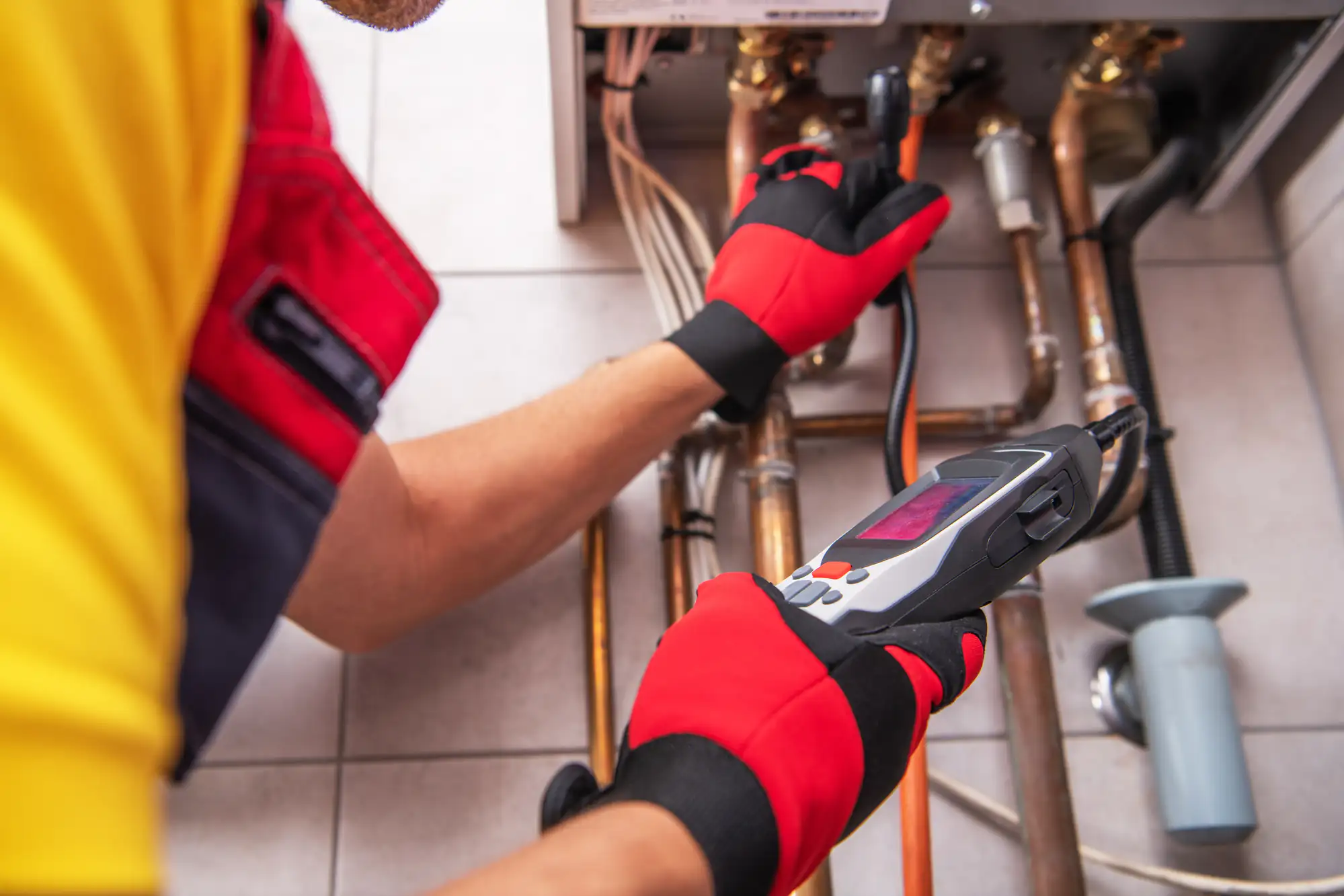
We come to your home and actually look at your system. If it’s a repair, we diagnose what’s wrong and explain what failed and why. If you’re looking at replacement or new installation, we assess your home’s size, layout, insulation, and ductwork. We’re not selling you the biggest unit we can. We’re recommending what actually fits your space and usage.
You get a free estimate with transparent pricing. We break down equipment costs, labor, and timeline. If it’s a repair, we tell you whether fixing it makes sense or if you’re better off replacing. If it’s installation, we explain what you’re getting and why we’re recommending it.
Once you approve, we schedule the work. Installation gets done right the first time. We test everything, walk you through operation, and make sure you understand your new system. For repairs, we fix the problem and check for other issues that might be developing.
Ready to get started?
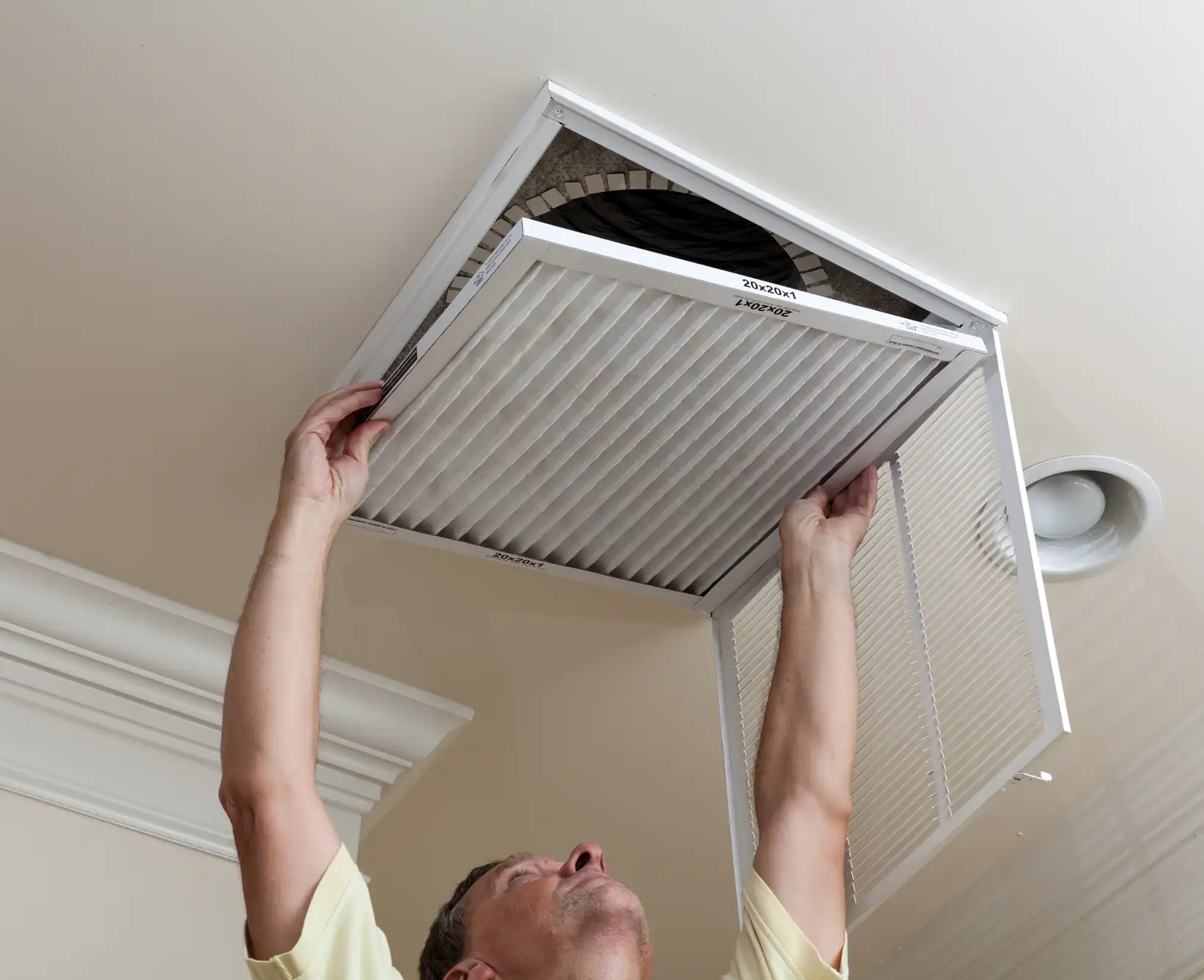
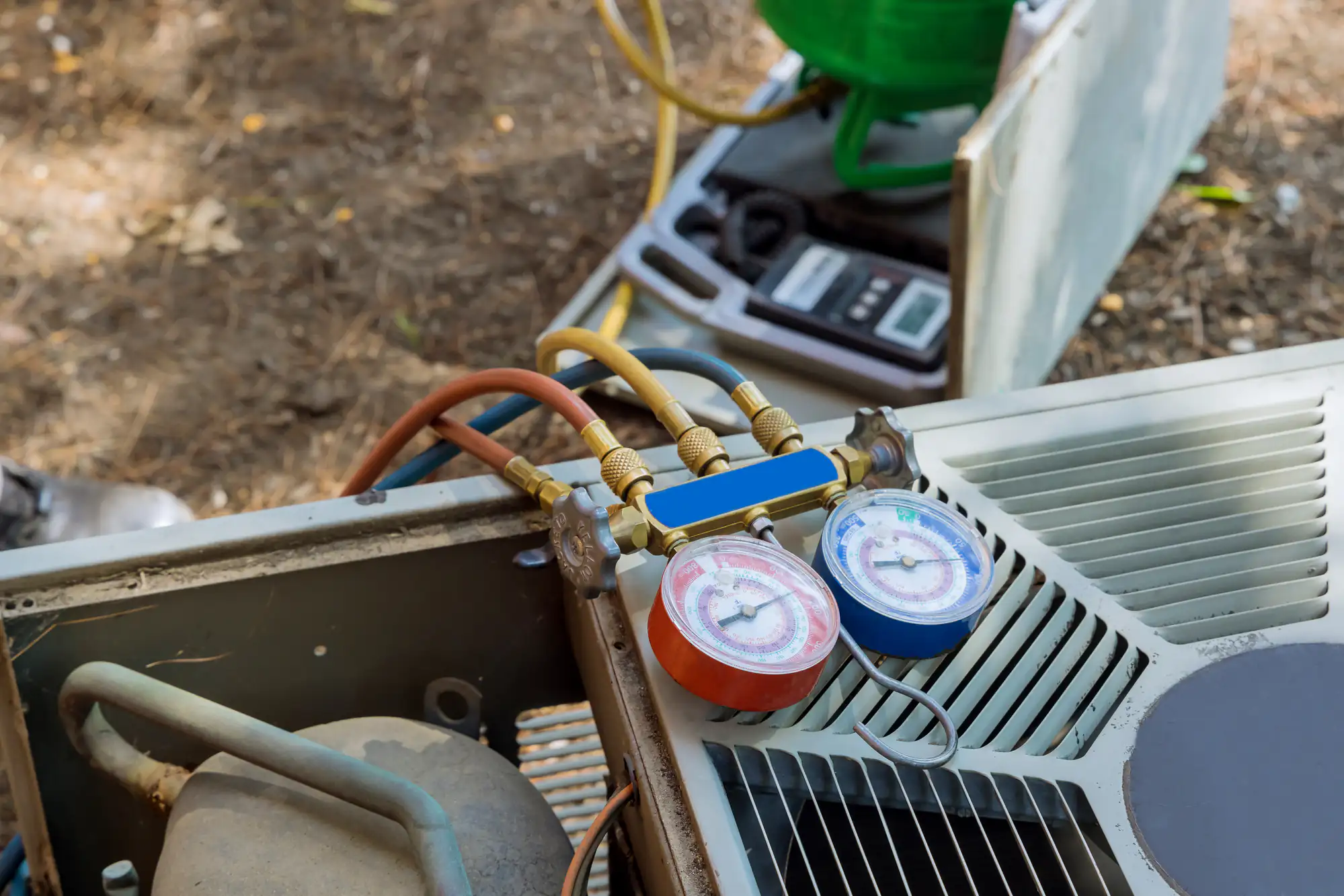
Air conditioning repair and installation. Furnace installation and heating system maintenance. Heat pump systems that handle both heating and cooling. HVAC replacement when your current system is past saving money on repairs. Indoor air quality improvements including filtration and humidity control.
University Gardens homeowners are dealing with specific challenges right now. Summer 2026 forecasts show hotter than normal temperatures with peak heat in early June and mid-July. If your AC has been struggling or you’ve been putting off replacement, you don’t want to wait until the first heatwave to find out it won’t keep up.
New York’s push toward energy efficiency and updated refrigerant regulations means equipment standards have changed. Systems installed even five years ago used different refrigerants than what’s available now. If you’re facing major repairs on an older unit, replacement might cost less long-term than keeping an inefficient system limping along.
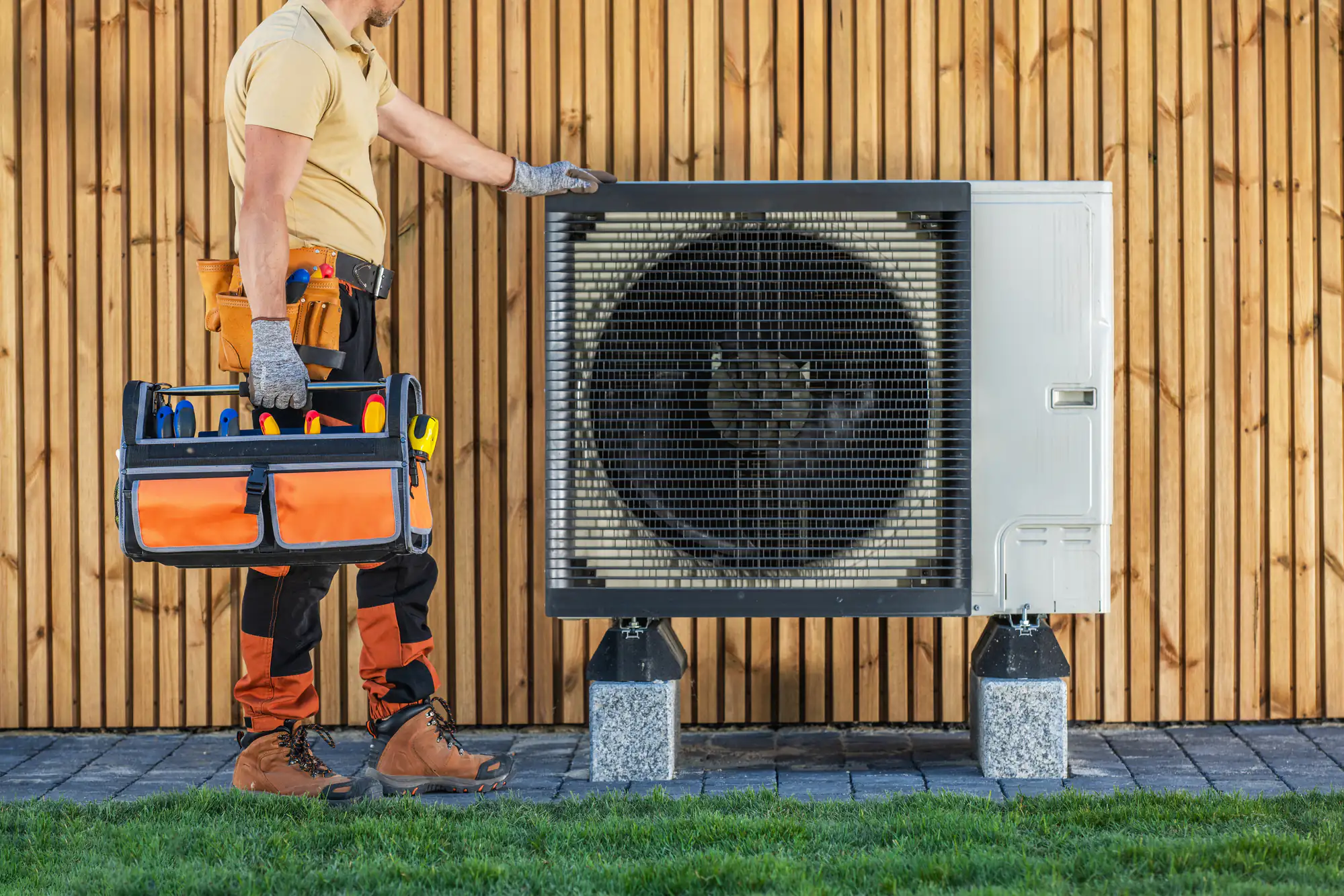
We handle everything from standard split systems to heat pumps that qualify for New York State rebates and incentives. We work with the equipment that makes sense for your home and budget, and we’re available 24/7 when something breaks at the worst possible time.
Twice a year. Once before cooling season, once before heating season.
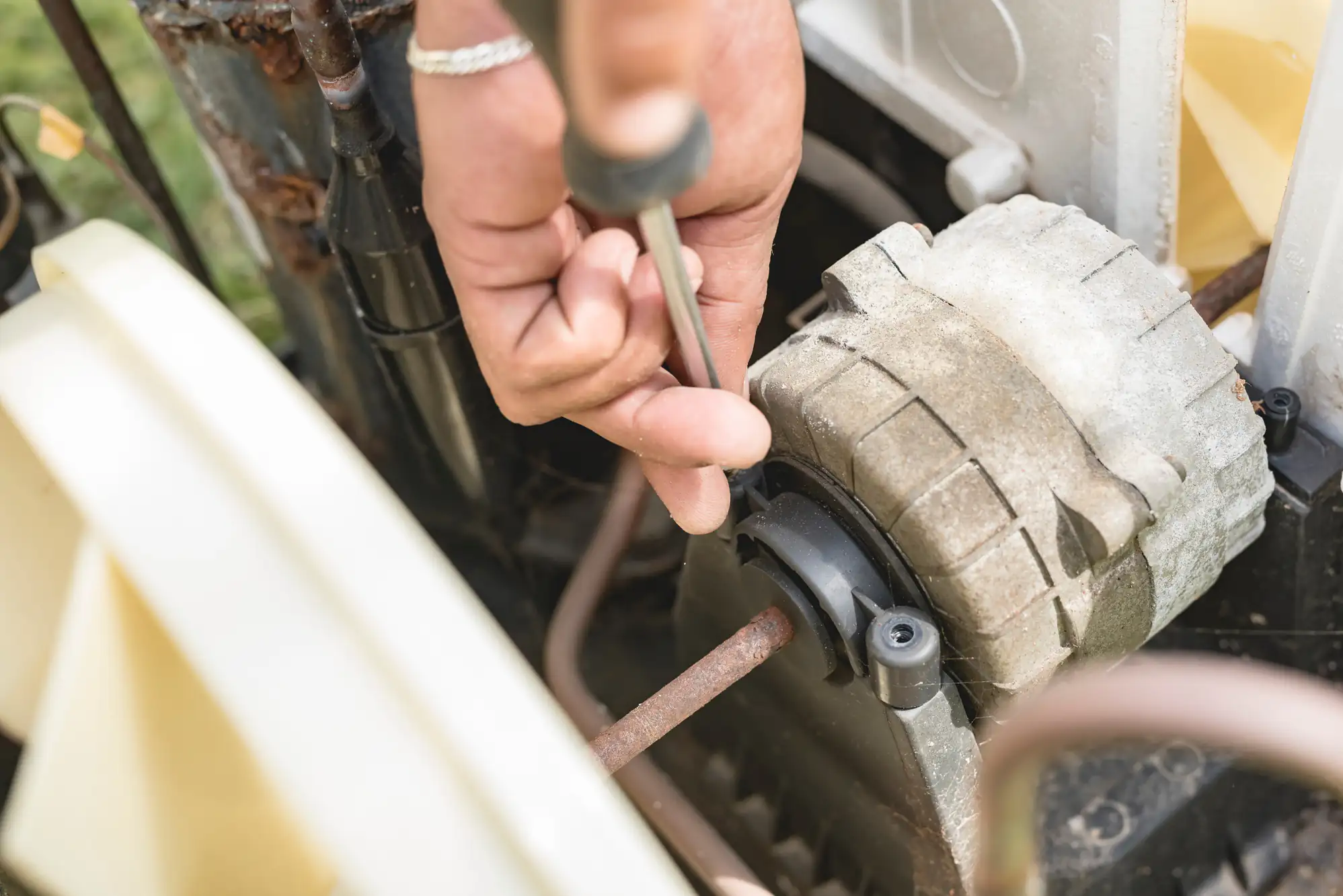
Spring maintenance catches problems before you’re running your AC all summer. We check refrigerant levels, clean coils, test electrical connections, and make sure airflow is where it should be. A system low on refrigerant runs longer, costs more, and doesn’t cool properly. Dirty coils do the same thing. Catching that in April beats discovering it in July.
Fall maintenance makes sure your furnace or heat pump is ready for winter. We inspect heat exchangers for cracks, test ignition systems, check gas connections if applicable, and verify your system can actually deliver the heat you need. A furnace that fails in January means emergency service rates and a cold house while you wait for repairs. Preventive maintenance costs less than emergency calls, and it extends your equipment’s lifespan by years.
If your system is under 10 years old and the repair costs less than half of replacement, fix it. If it’s over 15 years old and needs a major repair, replace it.
The middle ground is where it gets tricky. A 12-year-old system needing a $1,200 compressor replacement might only have a few years left anyway. You’re spending money on old technology that’s less efficient than current equipment. New systems use far less energy, qualify for rebates, and come with warranties. Your energy savings alone might cover a significant chunk of the replacement cost over a few years.
Average HVAC repairs in 2026 run $415 to $1,200. Replacement costs more upfront but eliminates the cycle of repeated repairs on aging equipment. We’ll tell you honestly which makes sense for your situation. We’re not pushing replacement if repair is the smarter call, and we’re not patching a system that’s going to fail again in six months.
Your system is probably running longer to deliver the same heating or cooling. That’s almost always airflow, refrigerant, or sizing issues.
Dirty filters or leaky ductwork mean your system works harder to move air. If you’re heating or cooling your attic or crawl space through duct leaks, you’re paying for conditioned air that never reaches your living space. Low refrigerant means your AC runs constantly without actually cooling properly. An oversized or undersized system cycles incorrectly and wastes energy.
Heating is the largest energy expense in most homes. If your system is inefficient, you’re literally watching money disappear every month. New high-efficiency equipment can cut your heating and cooling costs significantly. Heat pumps offer particularly good efficiency for both heating and cooling in Nassau County’s climate. We can assess your current system, identify what’s causing the waste, and tell you whether repair or replacement makes financial sense.
If you have no heat in winter or no AC during a heatwave, that’s an emergency. If something sounds wrong but still works, schedule regular service.
No heat when it’s below freezing is a safety issue, especially if you have young children or elderly family members. No cooling during extreme heat is the same situation. We’re available 24/7 for actual emergencies because HVAC failures don’t wait for business hours.
But if your system is making a new noise or not performing quite right, you don’t need emergency service. You need a scheduled appointment where we can properly diagnose the issue without emergency rates. That said, don’t ignore warning signs. Strange noises, weak airflow, short cycling, or inconsistent temperatures usually mean something is developing into a bigger problem. Catching it early costs less than waiting for complete failure. Call us, describe what’s happening, and we’ll tell you honestly whether it’s urgent or can wait for a regular appointment.
It depends on your home’s square footage, insulation, windows, layout, and ductwork. There’s no one-size-fits-all answer, and bigger isn’t better.
An oversized system costs more upfront, cycles on and off too frequently, and doesn’t dehumidify properly. You get temperature swings and higher energy bills. An undersized system runs constantly, never quite reaches the temperature you want, and wears out faster from overwork.
Proper sizing requires a load calculation that accounts for your specific home. We measure square footage, assess insulation levels, count windows and their orientation, evaluate ductwork, and factor in ceiling height and layout. University Gardens homes vary in age and construction, which means the system that works for your neighbor might not be right for your house. We size equipment based on what your home actually needs, not what’s easiest to install or most profitable to sell. You get a system that performs efficiently without wasting money on oversized equipment or struggling with undersized capacity.
Yes, especially with current technology and New York State rebates. Modern heat pumps handle cold weather far better than older models.
Heat pumps provide both heating and cooling in one system. They’re more efficient than traditional AC for cooling, and they heat more efficiently than most furnaces. New York offers rebates and incentives for heat pump installation, which brings the upfront cost down significantly.
Older heat pumps struggled when temperatures dropped below freezing. Current models work efficiently even in cold weather, and many include backup heating for extreme cold snaps. In Nassau County’s climate, a properly sized heat pump handles both summer humidity and winter cold without the need for separate heating and cooling systems. You’re looking at lower energy bills year-round, reduced maintenance since you’re servicing one system instead of two, and equipment that qualifies for state incentives. We install heat pumps regularly in University Gardens and can show you exactly what the efficiency gains and rebates mean for your specific situation.
Other Services we provide in University Gardens