Hear from Our Customers
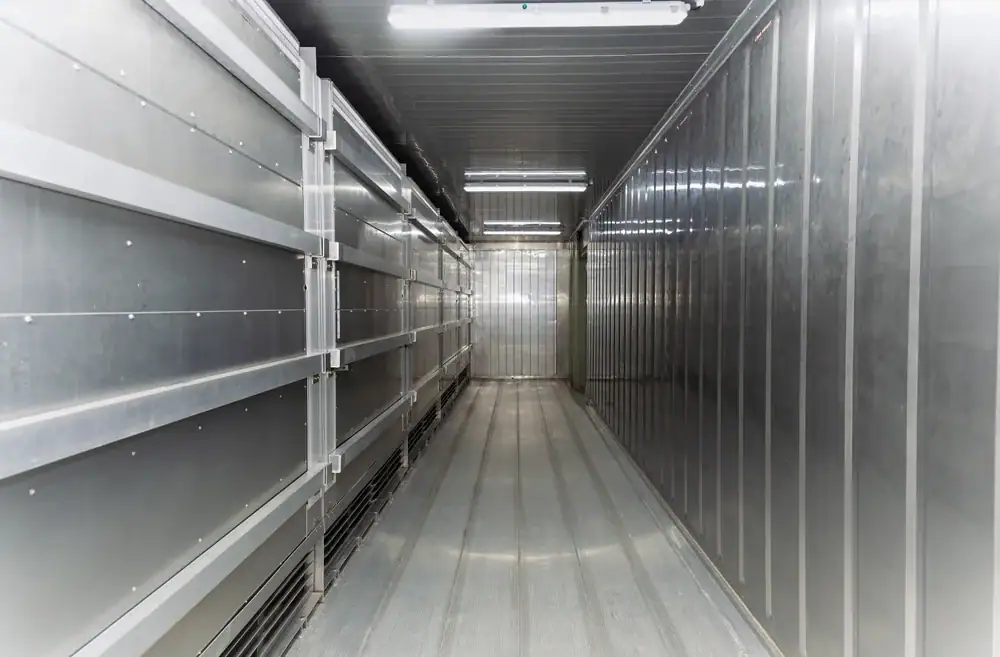
Your walk-in cooler holds temperature through the dinner rush. Your reach-in units don’t leak water across the kitchen floor at 9 PM on a Saturday. Your ice machine produces ice—consistently, quietly, without that grinding sound that makes you nervous every time you walk past it.
That’s what properly maintained commercial refrigeration looks like. No surprises during your busiest hours. No scrambling to move product before it spoils. No health inspector concerns because your temps spiked overnight and nobody noticed until morning.
In West Hampton Dunes, where summer heat pushes equipment harder and salt air from the ocean accelerates wear on components, your refrigeration systems need more than basic service. You need someone who understands how coastal conditions affect compressors, condensers, and seals. Someone who shows up when you call—not three days later when you’ve already lost thousands in spoiled inventory.
Most of our clients don’t think about their refrigeration until something goes wrong. The smart ones call before that happens.
We’ve been handling commercial refrigeration and marine HVAC across Long Island for over 40 years. That means we’ve seen every type of failure, every brand of equipment, and every creative way that coastal conditions can break down a system that worked fine inland.
West Hampton Dunes businesses face specific challenges. Your equipment works harder during peak summer season when tourists flood the area. Salt air corrodes components faster than it would ten miles inland. When something fails, you can’t wait until Monday—you need someone who answers the phone at 2 AM and actually shows up.
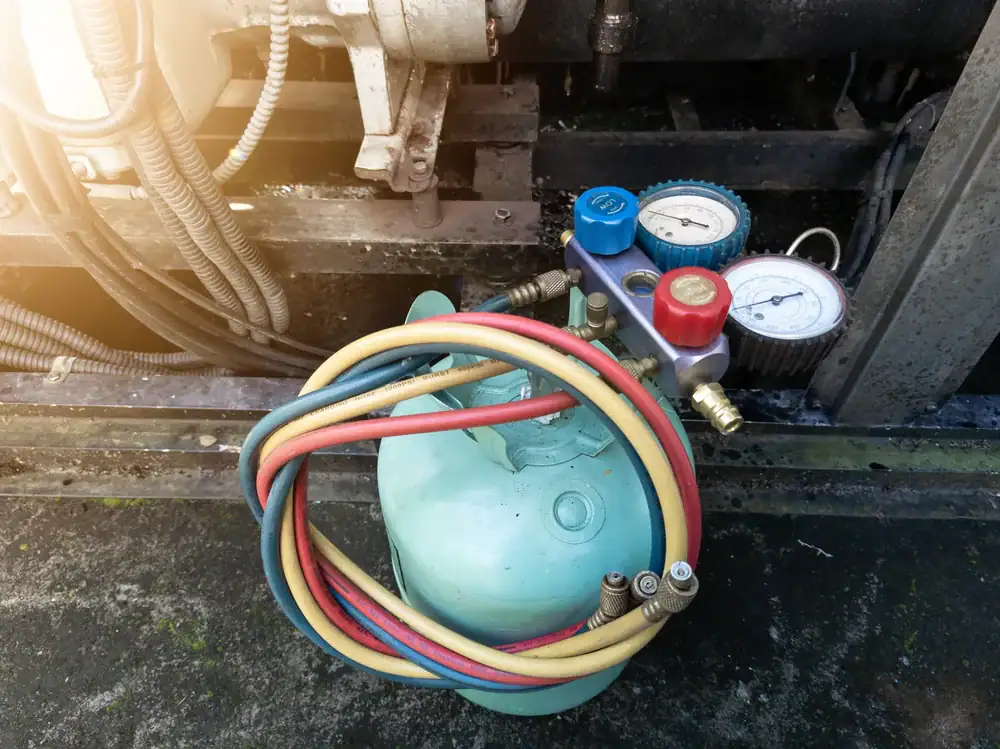
We carry parts in our trucks because we know most repairs can’t wait for an order to arrive. Our techs hold EPA 608 certification and handle everything from standard walk-in coolers to complex beer systems and custom marine refrigeration that most companies won’t touch.
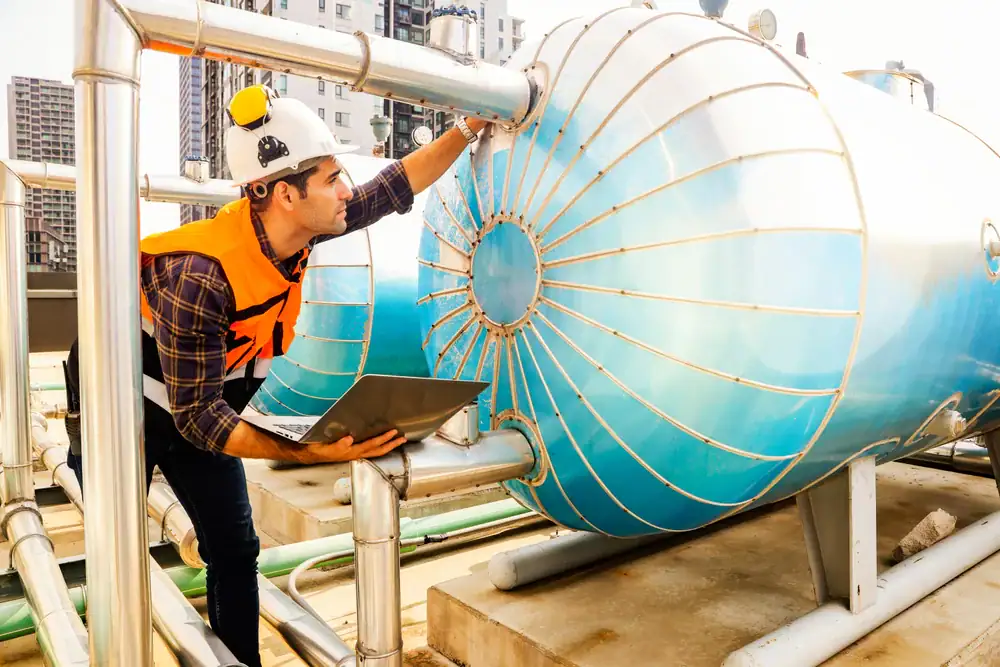
You call. We answer—24/7, not just during business hours. If it’s an emergency, we’re typically on-site within hours, not tomorrow or next week.
When we arrive, we diagnose the actual problem. Not what we think it might be, not what we hope it is so we can sell you something expensive. We tell you what’s wrong, what it costs to fix, and how long it takes. No surprises, no upselling, no pressure.
Most repairs happen the same day because our trucks stock the parts that actually fail most often. Walk-in cooler compressors, evaporator fans, thermostats, door gaskets, refrigerant—we carry it. About 70% of our emergency calls get resolved on the first visit.
For new installations, we assess your space and volume requirements first. A busy restaurant in West Hampton Dunes during summer season has different needs than a small deli. We design systems that handle your actual load, not just what the spec sheet recommends. Then we install it right—which means it works when you need it and lasts years longer than it would with a rushed job.
Maintenance clients get checked twice a year, minimum. We clean coils, check refrigerant levels, test components, and catch small problems before they become expensive failures. It’s the difference between 10 years of service and 15-plus.
Ready to get started?
Walk-in coolers and freezers. Reach-in refrigerators and freezers. Display cases. Ice machines. Beer systems. Beverage coolers. Prep tables. Blast chillers. If it keeps food cold in a commercial kitchen, we service it.
We also handle marine refrigeration—yacht systems, boat air conditioning, specialized marine HVAC that operates in conditions most techs have never seen. West Hampton Dunes has plenty of marine traffic, and marine systems are more complex than land-based equipment. Different refrigerants, different space constraints, different failure points.
Emergency repairs get priority because we know what’s at stake. When your cooler fails on Friday night and you’ve got a full weekend of reservations, waiting until Monday isn’t an option. We respond fast, diagnose accurately, and fix it right the first time.
Preventive maintenance keeps you off the emergency call list. Regular service means we catch failing components before they take down your whole system. It means your equipment runs more efficiently, uses less energy, and lasts years longer. The cost of maintenance is nothing compared to replacing a walk-in cooler five years early or losing $15,000 in inventory because a compressor died overnight.
New installations and system design for restaurants, delis, supermarkets, catering operations—anywhere in West Hampton Dunes that needs reliable refrigeration. We size systems correctly, install them properly, and make sure they’re ready for the demands of coastal operation and peak season volume.
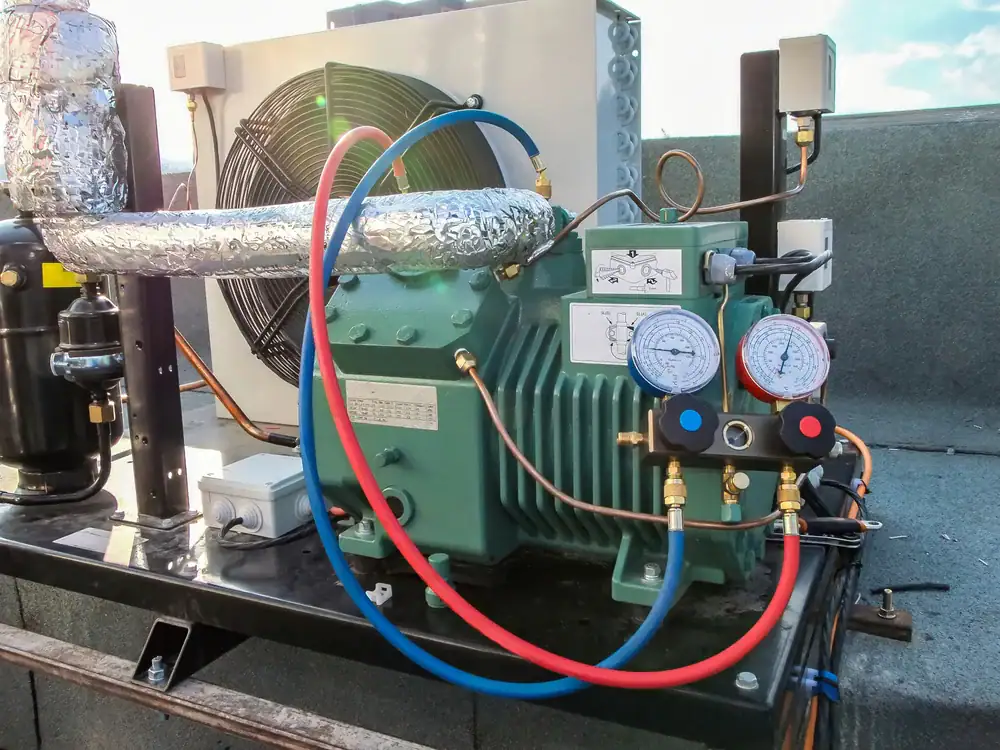
We offer true 24/7 emergency service, and our typical response time is within hours—not the next business day. When you call at 2 AM because your walk-in cooler just failed and you’ve got $10,000 worth of product inside, we answer the phone and dispatch a technician.
Our trucks carry extensive parts inventory specifically because we know most repairs can’t wait for an order to ship. About 70% of our emergency calls get resolved on the first visit. That means your system is back up and running before you lose your inventory.
West Hampton Dunes is part of our core service area across Nassau and Suffolk County. We’re not coming from two hours away. We know the roads, we know the businesses, and we know that during peak summer season, every hour of downtime costs you more than just the repair bill.
Salt air accelerates corrosion on refrigeration components—coils, condensers, electrical connections, cabinet exteriors. Equipment that might last 15 years inland can fail in 10 years near the ocean if it’s not maintained properly.
Humidity levels fluctuate more dramatically in coastal areas, which puts additional stress on compressors and affects how efficiently systems operate. Door seals and gaskets deteriorate faster. Outdoor condensing units take more abuse from salt spray and coastal weather.
We account for these factors when we service equipment in West Hampton Dunes. That means more frequent coil cleaning, closer attention to corrosion points, and proactive replacement of components that show early wear. It also means we recommend specific equipment brands and models that hold up better in coastal conditions. Not every system is built for ocean air, and installing the wrong equipment is expensive to fix later.
Preventive maintenance typically runs a few hundred dollars per visit, and most businesses need service twice a year. Emergency repairs start around the same price for minor issues—but they go up fast when major components fail.
A compressor replacement can run several thousand dollars. A full walk-in cooler system replacement can hit five figures. And that doesn’t count the inventory you lose when the system fails, the revenue you lose from being unable to operate, or the customers you lose because you had to close unexpectedly.
Our maintenance clients routinely get 15-plus years from their equipment. Non-maintained systems often fail around the 10-year mark. That’s five extra years of service life, which means you’re delaying a major capital expense by thousands of dollars. The math isn’t complicated—regular maintenance costs less than early replacement, and it costs way less than emergency failures during your busiest season.
First, keep the door closed as much as possible. Every time you open it, you’re losing cold air and raising the internal temperature. If you need to access product, do it quickly and limit how often you’re going in.
Second, call us immediately. Don’t wait to see if it fixes itself, don’t wait until morning if it fails at night, and don’t assume it’s just a minor issue. The faster we diagnose and repair the problem, the better your chances of saving your inventory.
Third, if temperatures are rising and we can’t get there instantly, start moving your most expensive or most perishable items to backup refrigeration if you have it. Prioritize proteins, dairy, and anything that spoils quickly. If you don’t have backup space, focus on saving what you can’t afford to lose.
We’ve seen businesses lose tens of thousands of dollars in product because they waited too long to call for help. The repair bill is almost always cheaper than the inventory loss. Call early, and we’ll get you back up and running before the damage adds up.
Yes. We service every major brand of commercial refrigeration equipment—True, Turbo Air, Beverage-Air, Hoshizaki, Manitowoc, Scotsman, Traulsen, and dozens of others. We also handle custom installations, beer systems, marine refrigeration, and specialized cooling applications that most companies won’t touch.
Our technicians carry parts for the most common brands and models because we know what fails most often. For less common equipment or specialized systems, we have access to manufacturer parts and can usually get what we need within a day.
Over 40 years in business means we’ve worked on just about everything. Old equipment that’s been running since the ’90s, brand-new installations, imported systems, custom builds—if it’s refrigeration, we’ve seen it and we can fix it. We don’t turn down jobs because the equipment is unfamiliar or complicated. That’s actually the work we’re best at.
If your system is less than 10 years old and it’s a single component failure—compressor, fan motor, thermostat, door gasket—repair almost always makes sense. The cost is reasonable and you get years more service life.
If your system is 10-15 years old and you’re facing a major repair like a compressor replacement, the decision gets harder. We’ll tell you honestly whether repair makes financial sense or whether you’re better off replacing the unit. Sometimes a $3,000 repair on a 12-year-old system just delays the inevitable failure by a year or two.
If your system is over 15 years old, uses outdated refrigerant (like R-22), or has needed multiple repairs in the past year, replacement usually makes more sense. Older systems are less efficient, cost more to operate, and parts become harder to find.
We don’t upsell replacements when repairs make sense, and we don’t patch together dying equipment just to get you through another month. We give you the actual numbers—repair cost, expected remaining lifespan, operating efficiency, replacement cost—and let you make the call. You know your business and your budget better than we do.