Hear from Our Customers
Your air conditioning repair shouldn’t take three days and a prayer. When your furnace quits in January or your AC dies in July, you’re not looking for explanations—you need it fixed.
Here’s what changes when your HVAC system is running right: your energy bills drop because the system isn’t fighting itself. Your home stays comfortable without constant thermostat adjustments. You’re not dealing with strange smells, random noises, or that one room that’s always ten degrees off.
And you’re not replacing the same part every summer because someone didn’t account for what salt air does to condenser coils. Coastal homes in West Hampton Dunes, NY face conditions most HVAC techs never train for. Humidity sits heavy. Salt accelerates corrosion. Systems work harder here, and if they’re not maintained correctly, they fail faster.
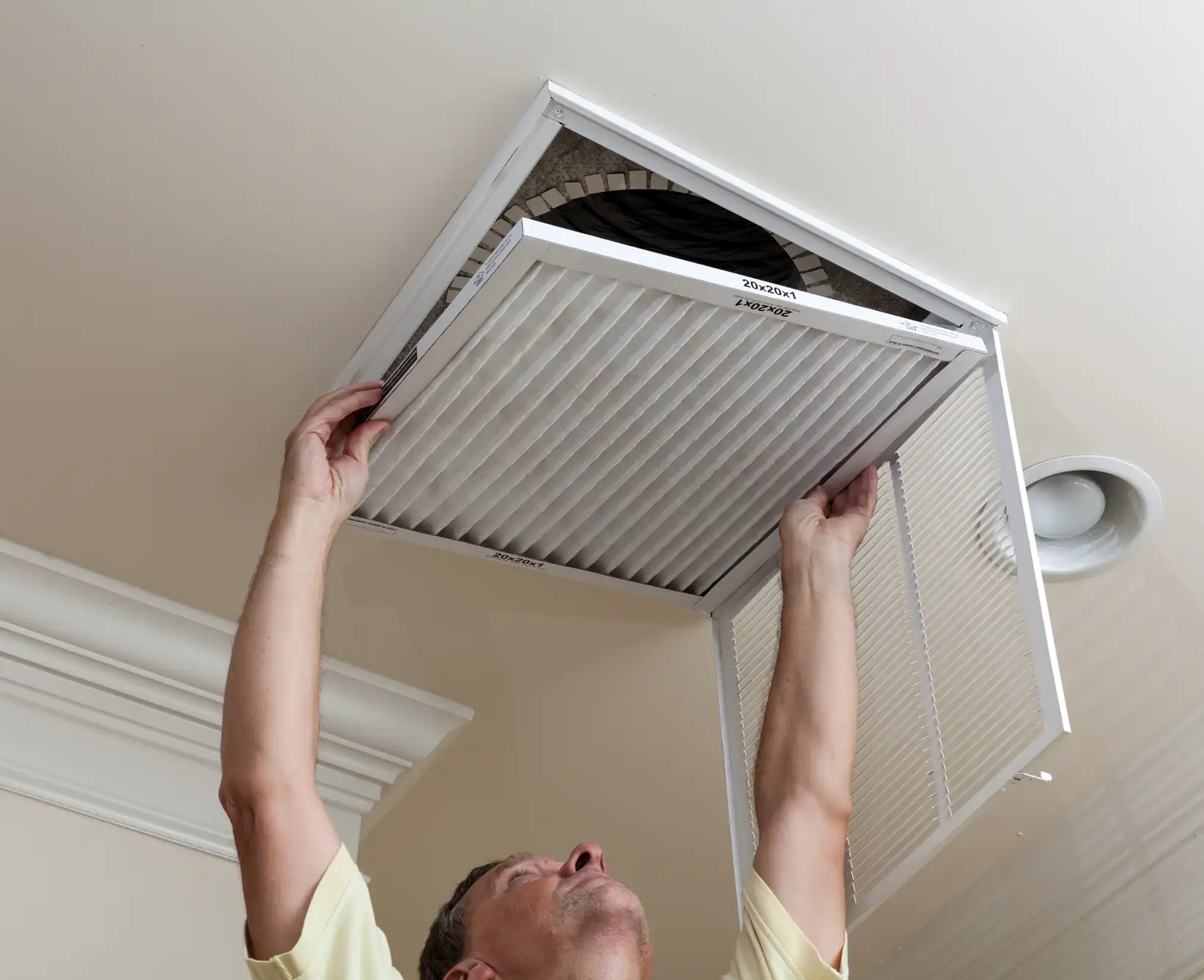
We handle furnace installation, heating system maintenance, HVAC replacement, and indoor air quality upgrades—the full scope. Not because we’re trying to upsell you, but because these systems don’t work in isolation. If your ducts leak or your air filter hasn’t been changed in two years, a new condenser won’t fix the real problem.
We started in commercial refrigeration and marine HVAC—systems that can’t afford to fail. Airports, restaurants, boats in salt water. If it broke, someone lost money or safety, so we learned to get it right the first time.
Now we bring that same approach to residential HVAC services in West Hampton Dunes, NY. We’re not the cheapest option, and we won’t pretend to be. You’re paying for techs who show up when they say they will, who carry parts on the truck, and who’ve seen what happens when shortcuts get taken in coastal climates.
We’ve worked in this area long enough to know what fails and why. We know which brands hold up to salt air and which ones start pitting within two seasons. And we know that when your system goes down in August, you don’t want a callback scheduled for next Thursday—you want it handled now.
You call or submit a request. A real person answers—not a voicemail, not an answering service. We ask a few questions to understand what’s happening, and if it’s an emergency, we dispatch immediately. Most of the time, we’re there within two hours.
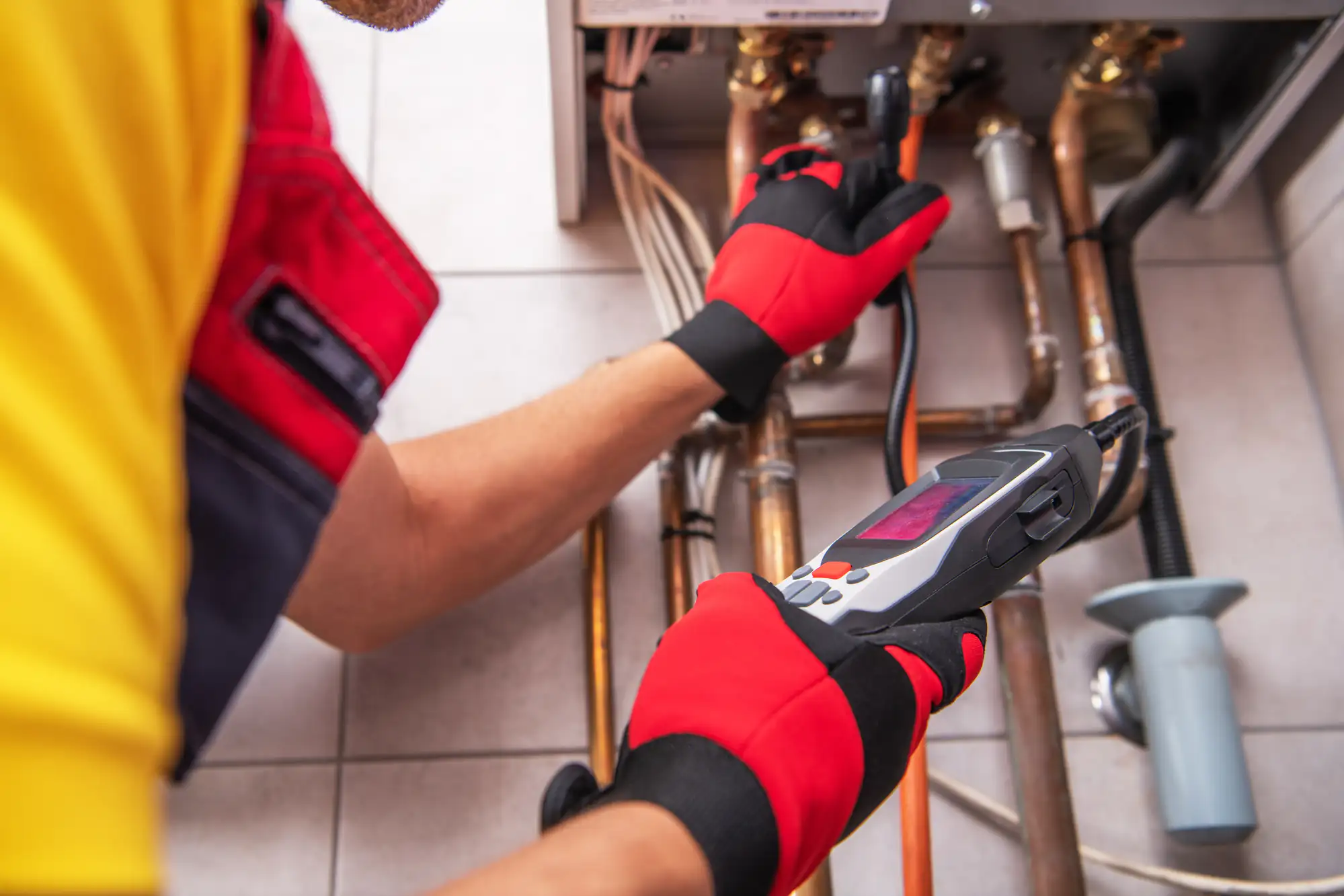
When we arrive, we diagnose the issue and explain what’s wrong in plain terms. No jargon. No upselling. If it’s a simple fix, we handle it on the spot—about 70% of our emergency calls get resolved same-day because our trucks stock parts for the major brands.
If you need a full HVAC replacement or a new furnace installation, we walk you through your options. We’ll tell you what makes sense for your home, your budget, and the specific challenges of living near the coast. We provide a clear estimate before any work starts, and we don’t add surprise fees at the end.
Once the work’s done, we test everything, show you how it operates, and make sure you’re comfortable with the system. Then we’re available 24/7 if something comes up. You’re not getting shuffled to a call center—you’re getting the same team that did the install.
Ready to get started?
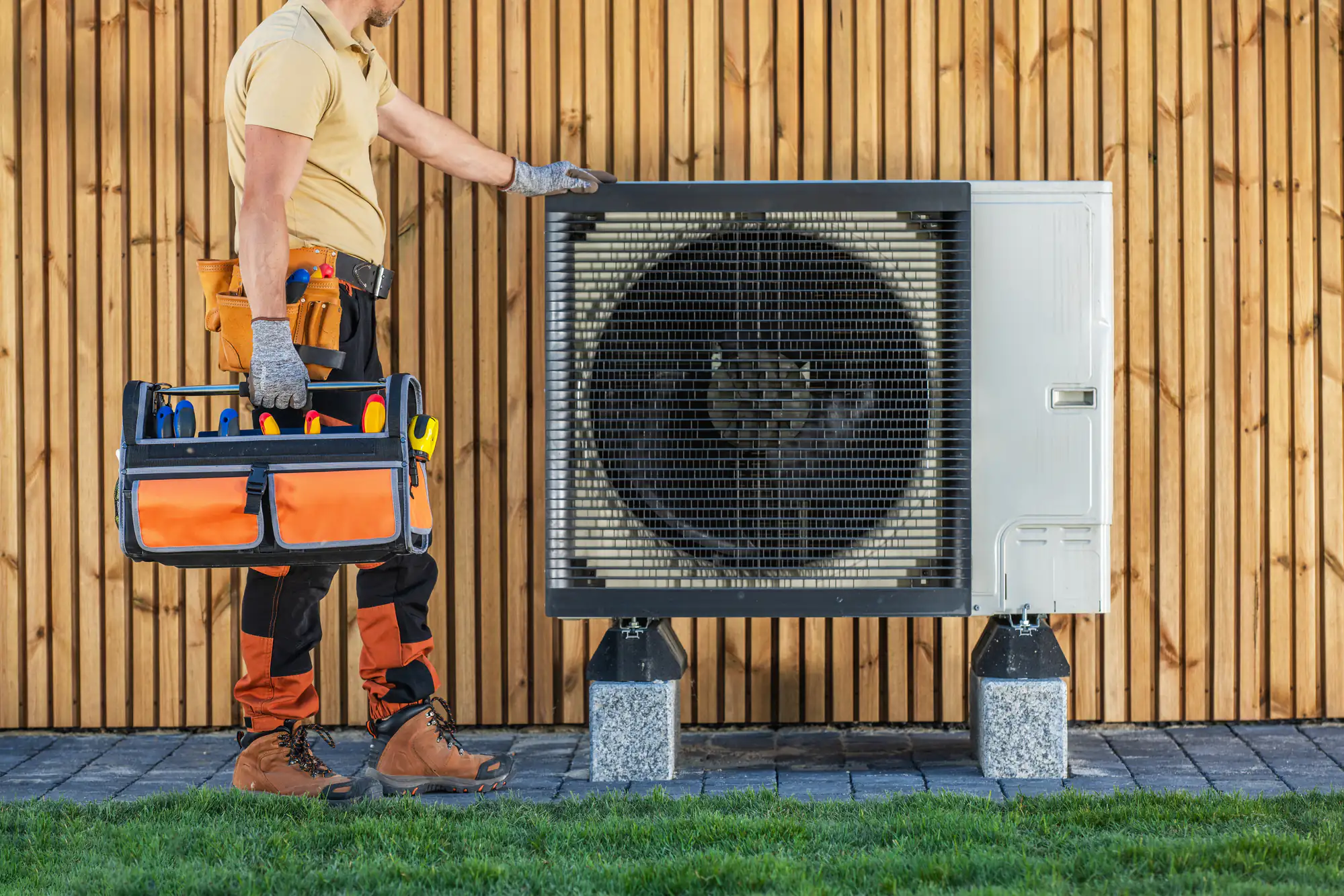
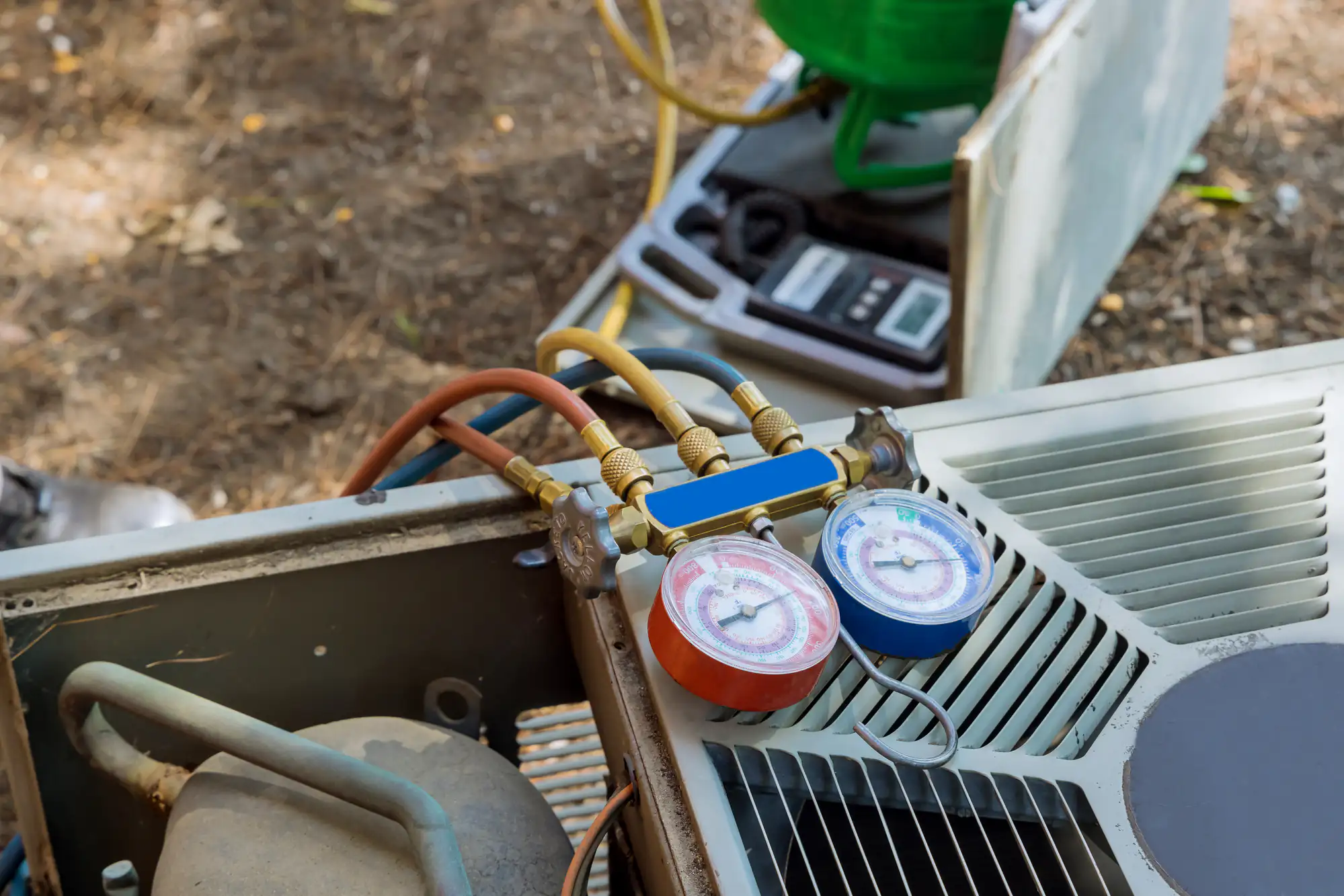
We handle air conditioning repair when your system stops cooling or starts making sounds it shouldn’t. That includes diagnosing refrigerant leaks, replacing failed compressors, cleaning coils that have been compromised by salt air, and fixing electrical issues that cause short cycling.
For heating, we install and service furnaces, heat pumps, and boilers. Heating system maintenance includes inspecting burners, testing safety controls, checking for carbon monoxide leaks, and making sure your system can handle a cold stretch without failing halfway through.
HVAC replacement is where we spend the most time talking through options. If your system is over 15 years old, repairs might not make financial sense anymore—especially if you’re looking at a second or third major component failure. We’ll walk you through energy-efficient models, tax credits you might qualify for (up to $2,000 for certain heat pumps), and what actually makes sense for a coastal home in West Hampton Dunes, NY.
Indoor air quality is something most people don’t think about until someone in the house starts having respiratory issues. We install air purifiers, upgrade filtration systems, add dehumidifiers (crucial here), and integrate UV lights that kill mold and bacteria before they circulate. If your home feels stuffy or smells musty even when the AC is running, this is where we start.
There’s no one-size answer because it depends on your home’s size, the system type, and whether your ductwork needs work. A straightforward replacement for a 1,500-square-foot home typically starts around $8,000 to $12,000 for a mid-efficiency system. If you’re upgrading to a high-efficiency heat pump or adding zone controls, that number moves closer to $15,000 to $20,000.
Coastal homes sometimes need specialized components—coils with better corrosion resistance, for example—which add to the cost but save you money long-term by lasting longer. We provide free estimates and break down exactly what you’re paying for, so there’s no confusion when the final bill comes.
Tax credits can offset some of that cost. If you install a qualifying heat pump, you might be eligible for up to $2,000 back. We’ll let you know what qualifies and help you with the paperwork if needed.
If you’re replacing the same parts year after year, something else is wrong. Most repeat failures come down to three things: improper installation, lack of maintenance, or a system that’s undersized for your home.
Salt air is brutal on condenser coils. If those coils aren’t rinsed monthly during the summer, salt deposits build up and cause pitting, which leads to refrigerant leaks. A lot of techs don’t think to do this—or don’t mention it to homeowners—so the system fails prematurely.
Undersized systems run constantly trying to keep up, which burns out components faster. If your AC is struggling to cool your home even when it’s working “correctly,” it might not have enough capacity for your square footage. We’ll do a load calculation to figure out what you actually need, not just replace what was there before.
Once a year, ideally in the fall before you need it. Heating system maintenance catches small issues before they become expensive failures in the middle of winter.
During a maintenance visit, we inspect the heat exchanger for cracks (a carbon monoxide risk), test the ignition system, check the blower motor, clean the burners, and verify that all safety controls work. We also measure airflow and make sure your system is hitting the right temperature rise across the heat exchanger.
If you have a heat pump, it works year-round, so it needs attention twice a year—once before cooling season and once before heating season. Skipping maintenance doesn’t just risk breakdowns; it voids most manufacturer warranties. And it costs you more in energy bills because dirty systems work harder to produce the same heat.
You want components designed to handle humidity and salt exposure. That means coils made from all-aluminum alloys instead of copper, which corrodes faster in coastal environments. Brands like Lennox offer Quantum coils specifically built for durability in salty, humid air—and they back them with 12-year warranties.
Heat pumps are becoming more popular here because they handle both heating and cooling efficiently, and they qualify for federal tax credits. Variable-speed compressors are worth the upgrade because they adjust output based on demand, which saves energy and reduces wear on the system.
Indoor air quality matters more in coastal homes because humidity encourages mold growth. A good dehumidifier integrated with your HVAC system keeps moisture levels in check and makes your home more comfortable without cranking the AC. We’ll assess your specific situation and recommend what makes sense for your home and budget.
Yes. We answer calls 24/7, and if it’s a genuine emergency—no heat in winter, no cooling in a heatwave, or something that’s creating a safety risk—we dispatch immediately. Most of the time, we’re on-site within two hours.
Our trucks carry an extensive inventory of parts for major brands, so about 70% of emergency calls get resolved the same day. You’re not waiting three days for a part to ship while your house turns into a sauna or freezer.
We don’t charge extra just because it’s after hours, but emergency calls do get priority in our schedule. If you’re on one of our maintenance plans, you move to the front of the line and get discounted rates on repairs. It’s worth it if you want peace of mind that someone will actually show up when your system fails at the worst possible time.
Start with maintenance. A dirty filter alone can increase energy use by 15% because your system has to work harder to pull air through. Cleaning your condenser coils, sealing duct leaks, and making sure your thermostat is calibrated all make a measurable difference.
Upgrading to a programmable or smart thermostat helps if you’re not home during the day. You can set it to reduce heating or cooling when no one’s there, then bring the temperature back to comfortable before you return. That cuts runtime without sacrificing comfort.
If your system is older but still functional, adding a variable-speed blower motor can improve efficiency. It uses less energy than a single-speed motor and does a better job controlling humidity. Sealing and insulating ductwork is another high-return fix—leaky ducts waste up to 30% of your conditioned air before it even reaches the rooms you’re trying to heat or cool.