Hear from Our Customers
You’re not looking for someone to just show up. You need your AC to stop cycling every ten minutes in July. You need your furnace to fire up the first cold morning in November without that burning smell or the panic.
When your energy bill jumps $80 in a month and nothing’s changed in how you live, that’s your system telling you it’s working too hard. Maybe it’s a clogged filter from coastal pollen and salt. Maybe your compressor’s fighting 80% humidity just to cool the air. Either way, you’re paying for inefficiency.
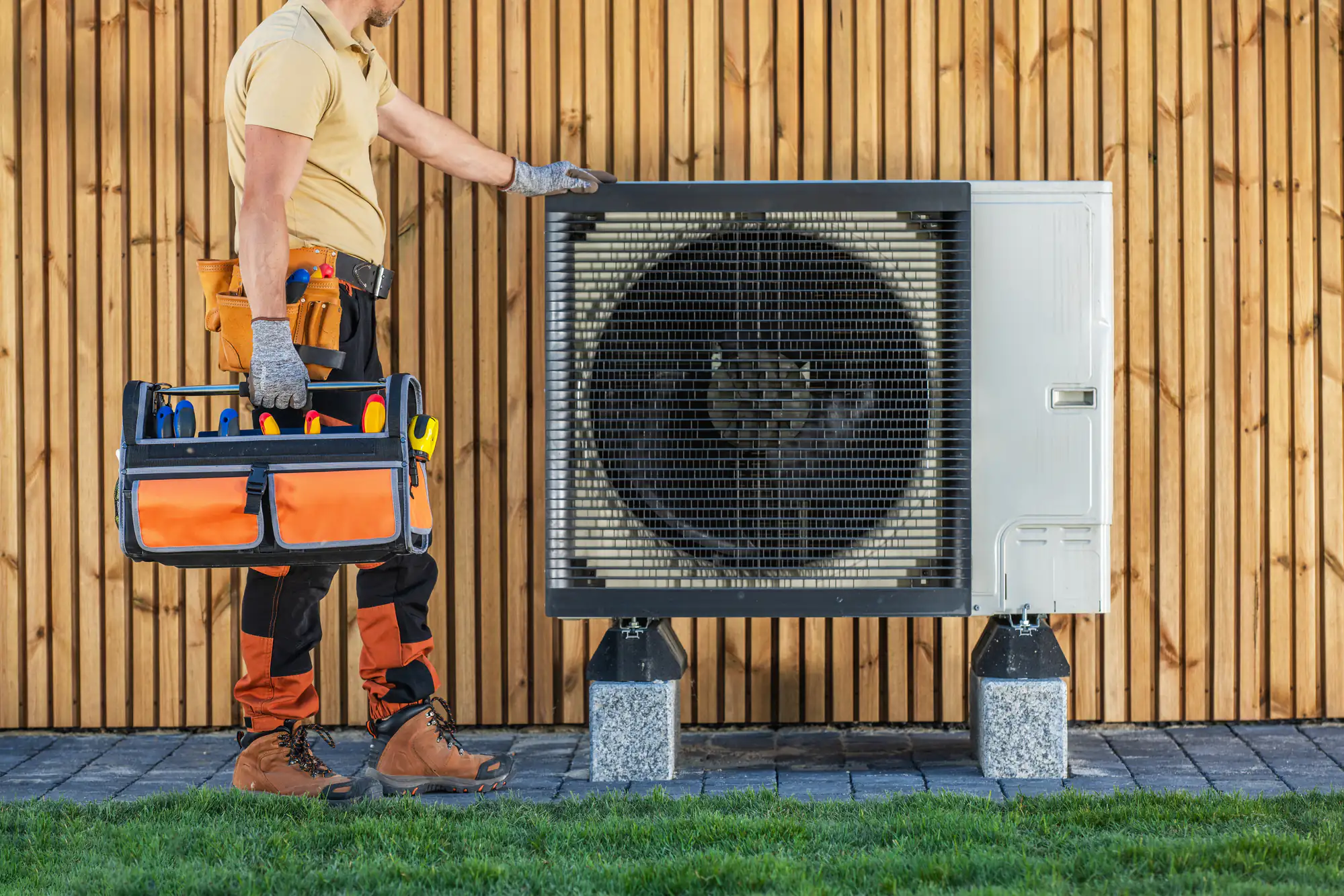
We handle air conditioning repair, furnace installation, heating system maintenance, HVAC replacement, and indoor air quality improvements across Cold Spring Harbor. The work we do cuts your energy costs by 5% to 15% per season when your system’s running right. That’s real money back. And regular maintenance can add years to your equipment, which means you’re not replacing a $6,000 unit every decade when it should last fifteen.
We’ve spent over four decades installing and servicing marine HVAC and commercial refrigeration. That means walk-in coolers at restaurants, climate control on boats, beer systems that can’t go down during service, and airport equipment that runs 24/7.
Residential work is simpler by comparison, but the expertise transfers. When you’ve diagnosed compressor failures in saltwater environments or balanced airflow in tight marine quarters, a split system in a Cold Spring Harbor home isn’t intimidating.
We’re local to the Greater New York area. We know what coastal air does to outdoor units. We know how humidity loads affect your AC’s runtime. And we know that when your system goes down at 9 p.m. on a Saturday, you don’t want to wait until Monday. That’s why we offer 24/7 consulting and free estimates.
You call or reach out online. We ask a few questions to understand what’s happening—no heat, weird noises, high bills, uneven temps. If it’s an emergency, we move fast. If it’s maintenance or a quote for replacement, we schedule what works for you.
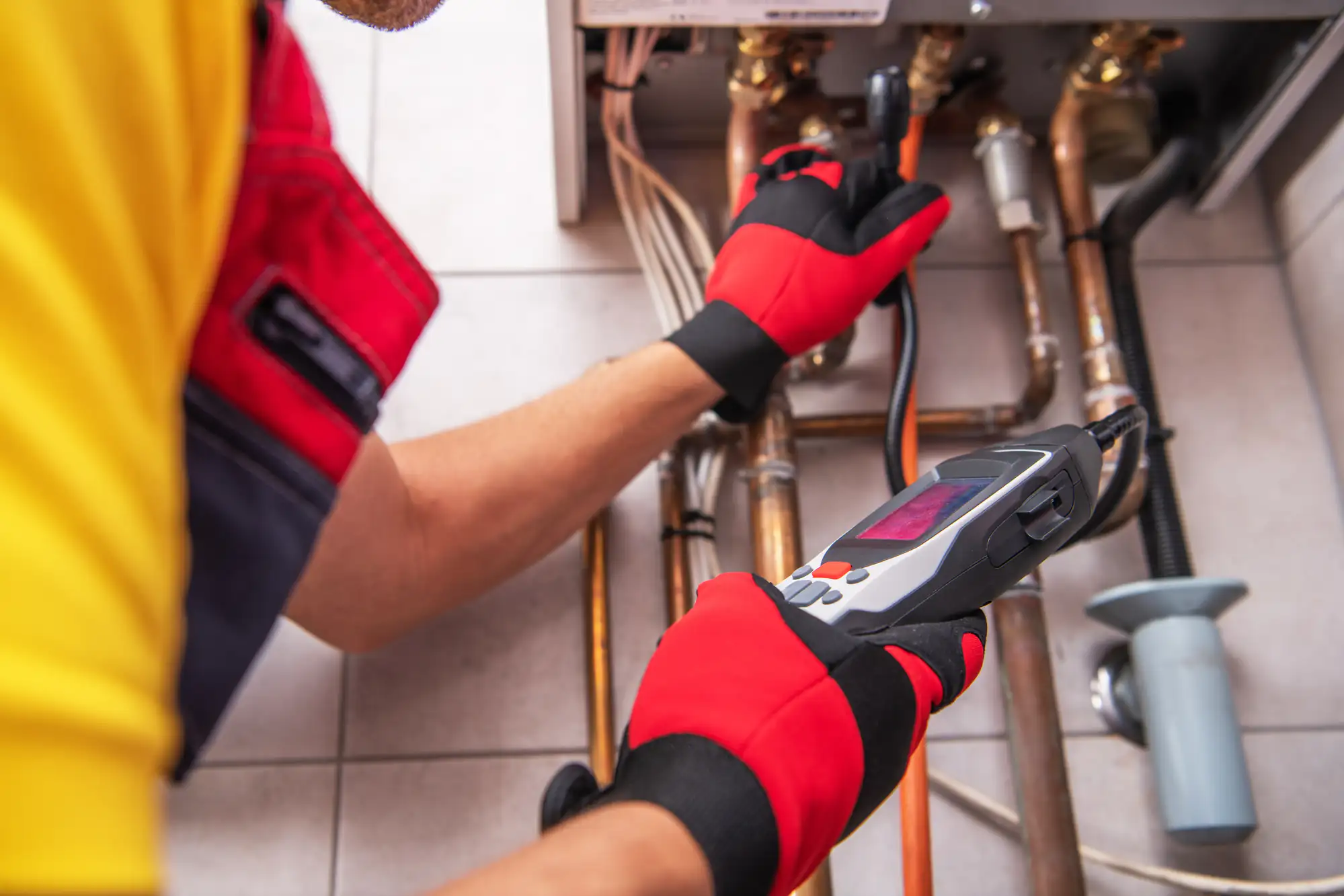
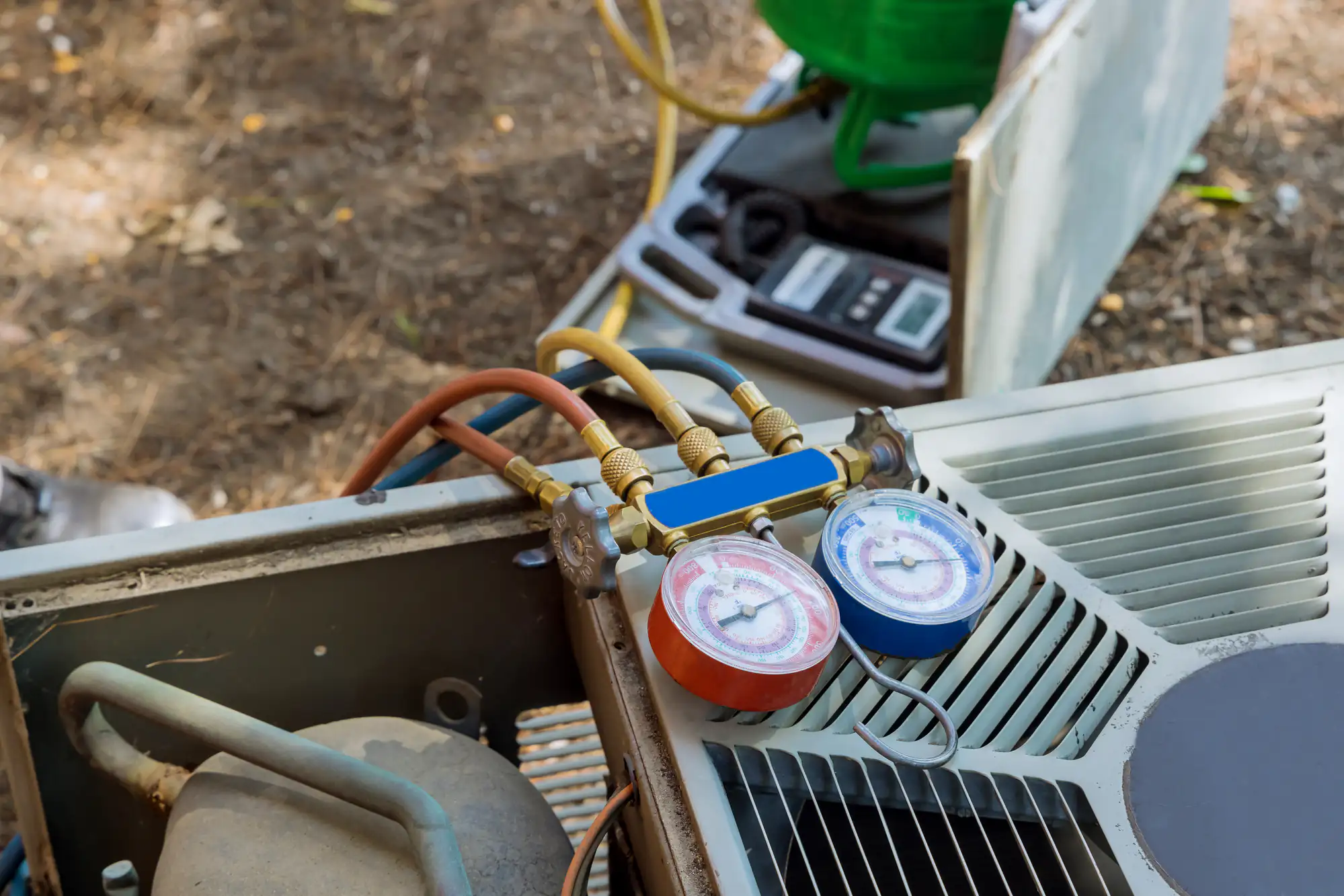
When we arrive, we don’t guess. We run diagnostics, check airflow, measure refrigerant levels, inspect your ductwork, and look at your thermostat settings. If you’re dealing with humidity issues or poor air quality, we test for that too. Then we explain what we found in plain terms. No jargon. No upselling.
If it’s a repair, we fix it on the spot when possible or source the part and come back. If it’s an install, we walk you through sizing, efficiency ratings, and what makes sense for your home and budget. After the work’s done, we test everything, clean up, and make sure you understand how to keep things running smooth. You get a straight answer, a fair price, and a system that works.
Ready to get started?
Cold Spring Harbor sits right on the water, which means your HVAC system is dealing with salt, moisture, and pollen that most inland homes don’t face. Those contaminants clog filters faster, corrode coils, and make your system work harder than it should.
Our residential HVAC services cover the full spectrum. Air conditioning repair when your unit won’t cool or cycles constantly. Furnace installation when your heating system is past its useful life. Heating system maintenance to catch small issues before they become expensive failures. HVAC replacement when efficiency matters more than patching an old system. Indoor air quality solutions when allergies flare up indoors or humidity won’t drop below 70%.
We also handle the custom work most companies avoid—ductless mini-splits for additions, zoning systems for multi-level homes, and humidity control that actually works in coastal climates. If your bedroom hits 80% humidity at night even with the AC running, that’s a sign your system isn’t sized right or your dehumidification isn’t keeping up. We fix that.
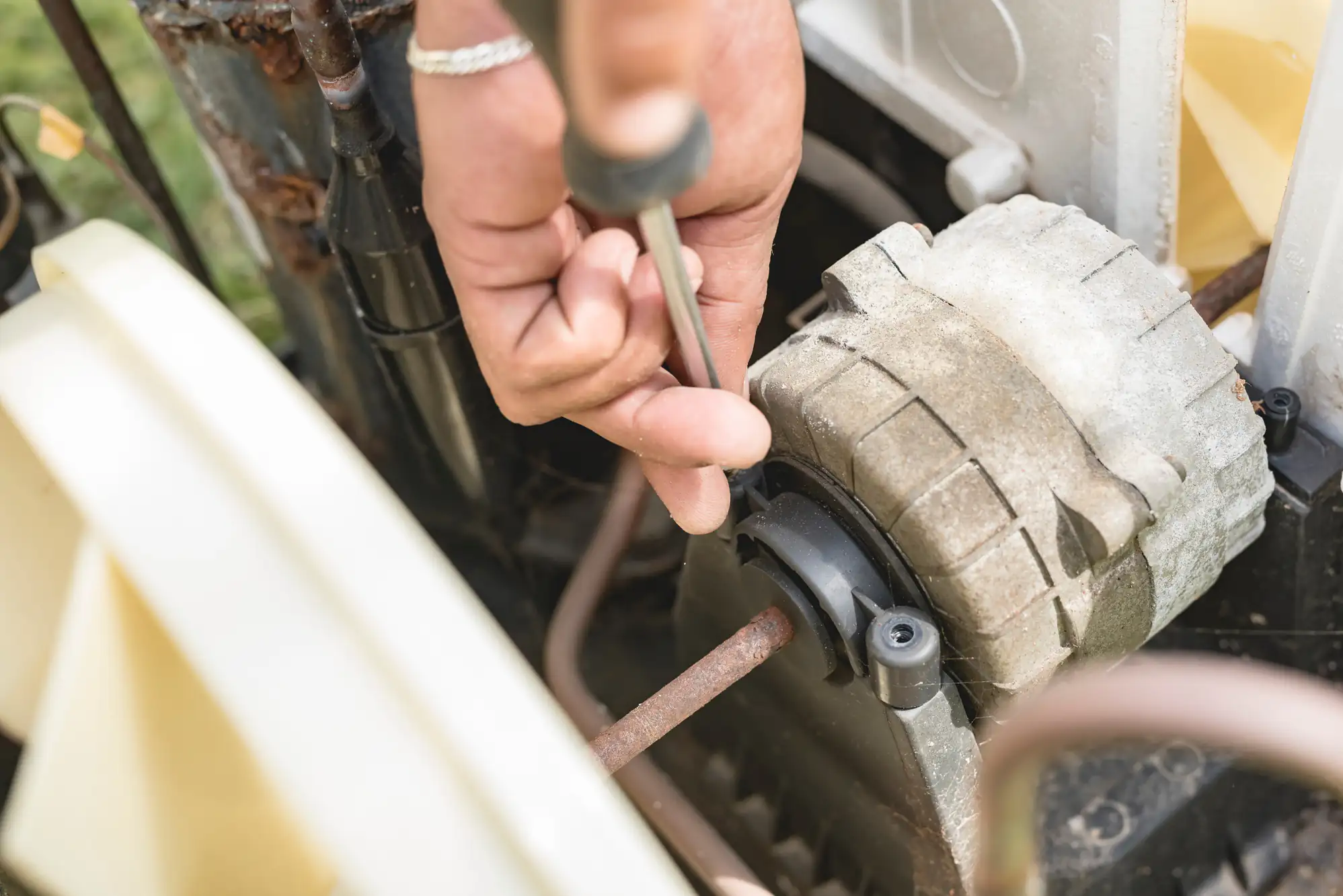
Twice a year is the standard—once before cooling season, once before heating season. But if you’re near the water, you’re dealing with salt air that accelerates wear on your outdoor unit. That means filters get dirtier faster and coils corrode quicker than they would ten miles inland.
Spring maintenance catches refrigerant leaks, cleans coils, and makes sure your AC won’t fail in July. Fall maintenance checks your heat exchanger, tests your ignition system, and clears any blockages before you need heat. Skipping it doesn’t just risk breakdowns. It costs you 5% to 15% more on your energy bills because dirty systems run inefficient.
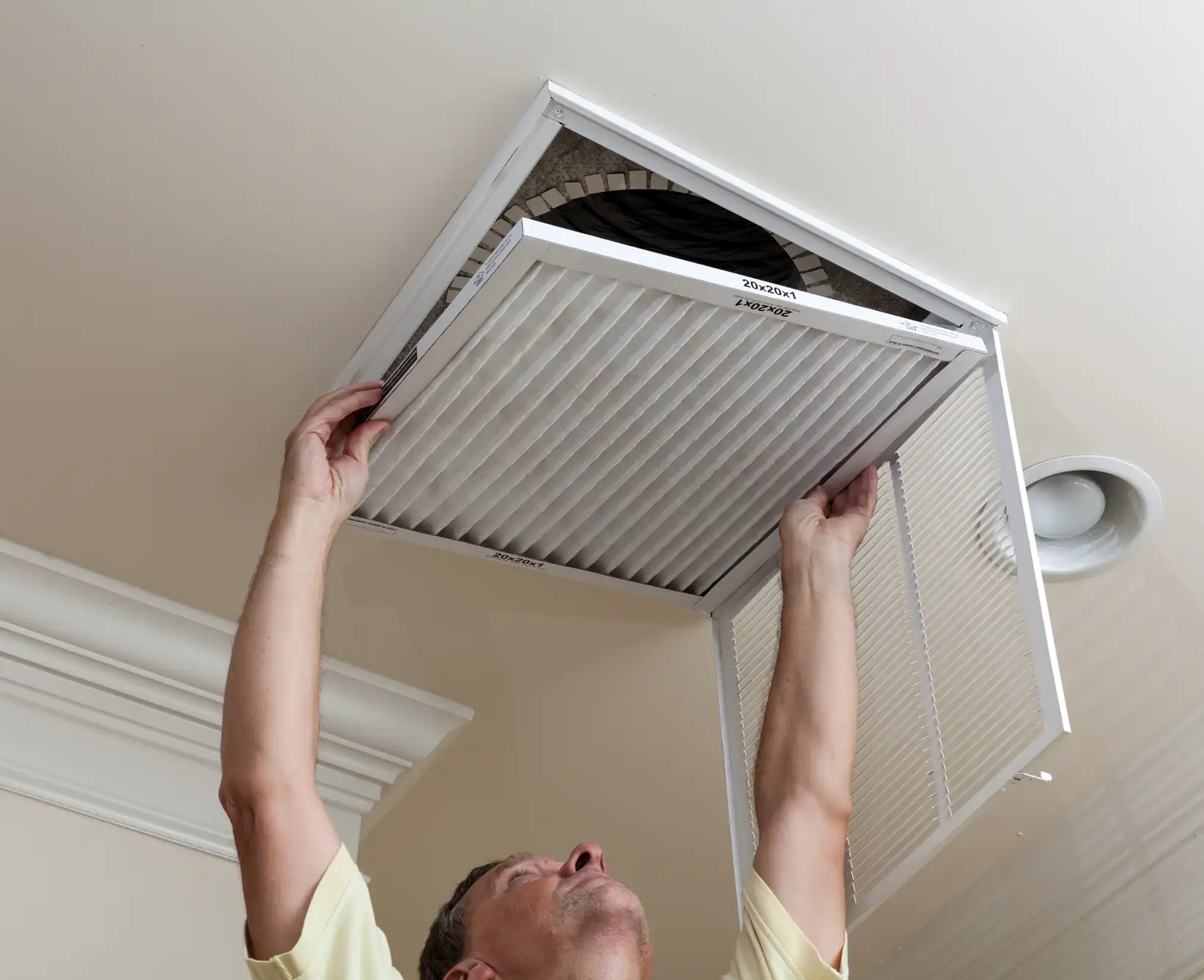
If you’ve got allergies or someone with respiratory issues in the house, you might want to check filters monthly during high pollen seasons. Coastal areas get hit harder with allergens, and a clogged filter makes your system work harder while pushing dust back into your air.
Your system’s working harder than it should, and there are a few common reasons why. A clogged filter is the easiest fix—when airflow is restricted, your blower motor runs longer to move the same amount of air. That’s wasted energy.
Refrigerant leaks are another big one. If your AC is low on refrigerant, it can’t absorb heat efficiently, so it cycles constantly without ever hitting your target temp. You’ll notice the compressor running nonstop and the house staying warm.
Duct leaks lose 20% to 30% of your conditioned air before it even reaches your rooms. If your ducts run through an attic or crawlspace, you’re heating or cooling spaces you don’t live in. We test for that. And if your system is over fifteen years old, it’s just not as efficient as newer models. A new unit with a higher SEER rating can cut cooling costs significantly, and the upfront investment pays back over time.
If your system is under ten years old and the repair costs less than half the price of a new unit, repair usually makes sense. If it’s over fifteen years old and you’re looking at a major component failure—compressor, heat exchanger, evaporator coil—replacement is often the smarter move.
Here’s why: older systems run less efficiently even when they’re working. A 10 SEER unit from 2005 uses way more energy than a 16 SEER unit installed today. You’re paying the difference every month in higher bills. And once one major part fails, others tend to follow. You don’t want to spend $2,000 on a compressor only to replace the whole system a year later.
We’ll walk you through the math. If you’re spending $300 to $500 a year on repairs and your energy bills are climbing, a new system pays for itself faster than you think. We don’t push replacements if a repair makes sense, but we also won’t let you throw money at a system that’s done.
Your AC removes humidity as part of the cooling process, but if it’s not sized right or it’s short-cycling, it never runs long enough to dehumidify properly. Oversized units are a common problem—they cool the air fast, hit the thermostat setting, and shut off before pulling moisture out.
Coastal homes in Cold Spring Harbor deal with higher baseline humidity because of proximity to the water. If your system was sized for an inland climate, it’s not accounting for that load. You need a unit that runs long enough to condition the air, not just drop the temperature.
Ductwork issues can also cause this. If your return air isn’t balanced or your ducts are leaking, your system pulls in humid outdoor air faster than it can process it. We test airflow and check for leaks. Sometimes adding a whole-home dehumidifier is the right call, especially if you’re seeing condensation on windows or mold in corners. That’s not something a standard AC handles on its own in a high-humidity environment.
Check your thermostat first. Make sure it’s set to heat, the temperature is above the current room temp, and the batteries aren’t dead if it’s battery-powered. It sounds basic, but it’s the most common fix.
Next, check your circuit breaker. If it tripped, reset it. If it trips again immediately, don’t keep resetting it—that’s a sign of an electrical issue that needs a professional. Also check your furnace’s power switch, which usually looks like a light switch near the unit. It’s easy to accidentally flip off.
If those are fine, check your air filter. A completely clogged filter can cause your furnace to overheat and shut down as a safety measure. Replace it and see if the system fires up. If you’ve done all that and still no heat, it could be the ignitor, the flame sensor, the gas valve, or the blower motor. Those aren’t DIY fixes. Call us, and we’ll get it diagnosed and running again.
Absolutely. Indoor air quality upgrades don’t require a full system replacement. We can add HEPA filters, UV-C lights, whole-home dehumidifiers, or air purifiers that integrate with your existing setup.
HEPA filters catch pollen, dust, pet dander, and mold spores that standard filters miss. UV-C lights kill bacteria and mold inside your ductwork before it circulates through your home. If someone in your house has allergies or asthma, these upgrades make a noticeable difference.
Humidity control is another big one. If your indoor humidity stays above 60%, you’re creating an environment where mold and dust mites thrive. A whole-home dehumidifier pulls moisture out of the air before it becomes a problem. We also check your ductwork for leaks, because if you’re pulling in attic air or crawlspace air, no amount of filtration will fix that. Sealing ducts and upgrading filtration together gives you cleaner air without starting from scratch.