Hear from Our Customers
Your furnace quits on the coldest night in January. Your AC stops cooling during a July heat wave. Your energy bills keep climbing even though nothing’s changed.
These aren’t minor inconveniences. They’re disruptions that affect your family’s comfort, your budget, and your ability to just live normally in your own home.
What you need is a system that works reliably, runs efficiently, and doesn’t surprise you with breakdowns or sky-high utility costs. You need air that’s actually clean when your kids have allergies. You need humidity control that makes your home feel comfortable, not sticky, even when Long Island’s coastal climate is doing its thing.
That’s what proper residential HVAC service gets you. Not just a quick fix, but a system that performs the way it should, year-round, without the constant worry of what might go wrong next.
We bring over 40 years of hands-on experience to every residential job in Head Of The Harbor. We’ve built our reputation on marine HVAC and commercial refrigeration work, which means we understand complex systems, tight tolerances, and the kind of precision that doesn’t leave room for guesswork.
We’re not new to this. We’ve worked on everything from airport cooling systems to restaurant walk-ins, and we apply that same level of expertise to your home’s heating and cooling needs.
Head Of The Harbor homeowners deal with specific challenges: coastal humidity, older homes with unique layouts, high expectations for comfort and efficiency. We get it because we’ve been serving this area long enough to know what works and what doesn’t. Our dozens of five-star reviews reflect one thing: we show up, we communicate clearly, and we fix it right the first time.
First, we listen. Whether it’s an emergency repair or you’re planning an HVAC replacement, we start by understanding what’s actually happening with your system and what you need it to do.
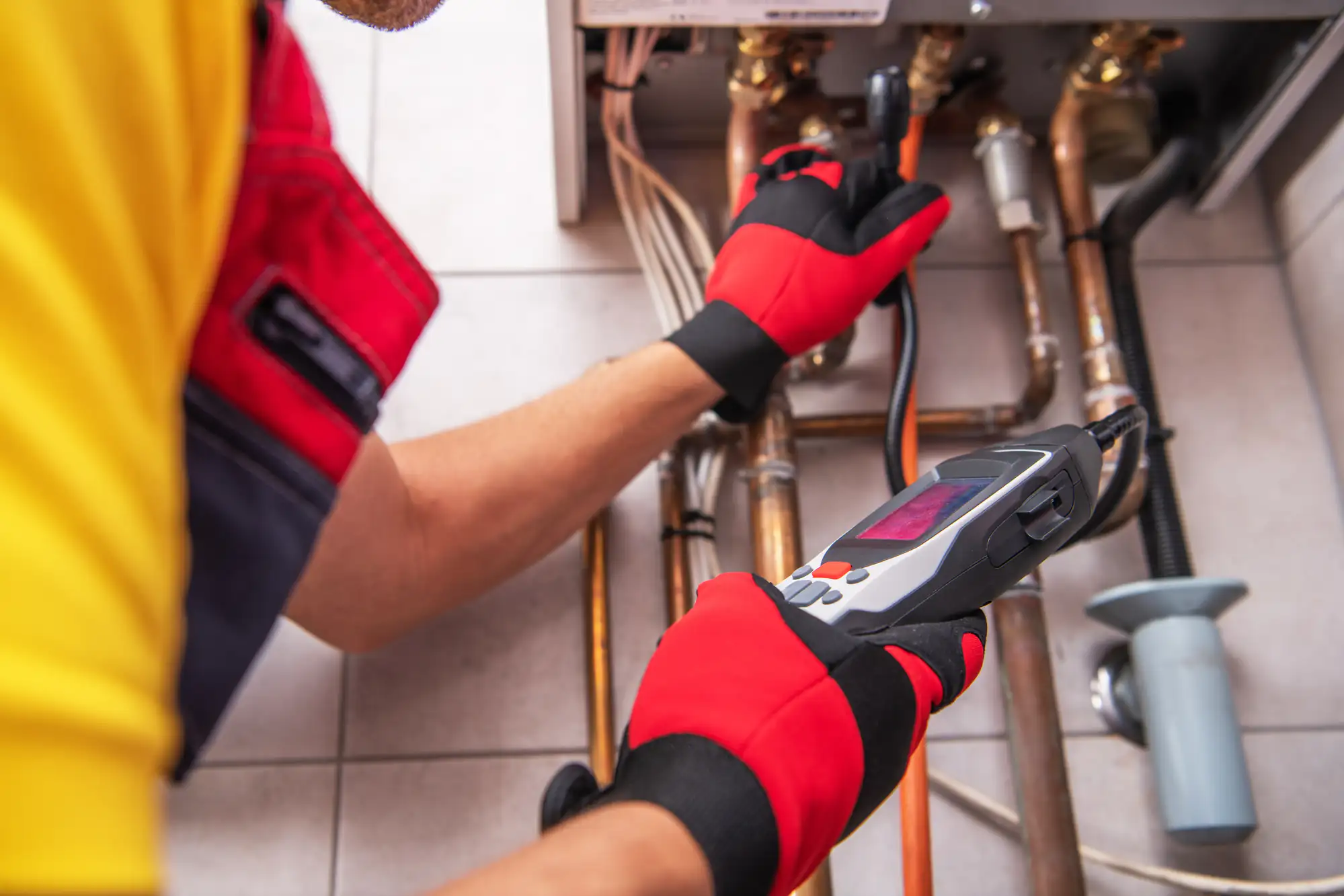
Then we assess. We don’t guess. We inspect your equipment, test performance, check airflow, measure humidity levels, and look for the root cause of whatever issue brought us there. If it’s a new installation you’re considering, we evaluate your home’s layout, insulation, and specific heating and cooling requirements.
Next, we explain. You’ll get a clear breakdown of what’s wrong, what needs to happen, and what it costs. No jargon, no upselling, no surprises. If there are options, we walk through them so you can make an informed decision.
Finally, we fix it or install it. Our work is thorough, clean, and done right. We test everything before we leave, make sure you understand how to operate your system, and answer any questions you have. If it’s a maintenance visit, we’ll catch small problems before they become expensive ones.
Ready to get started?
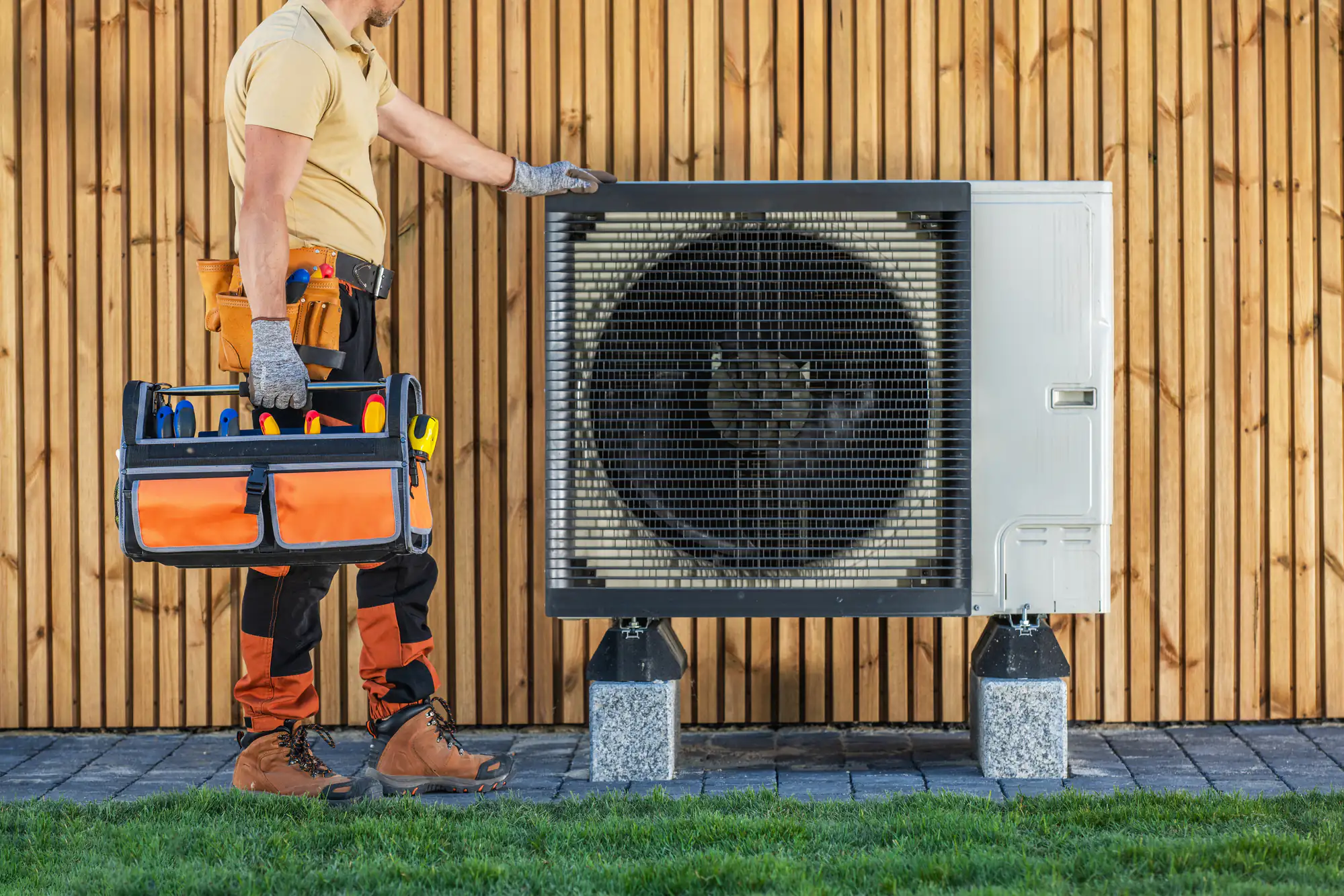
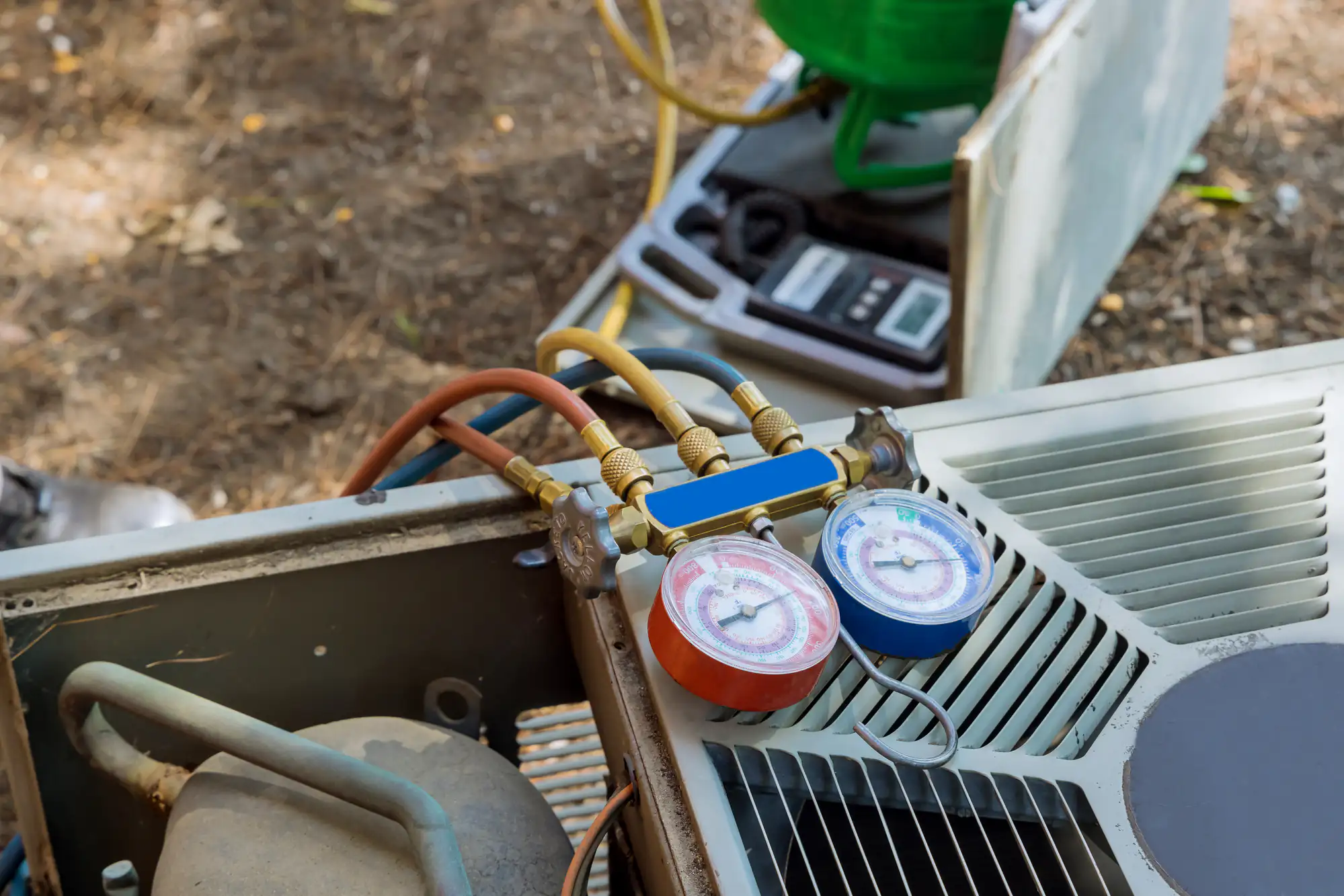
We handle air conditioning repair when your system stops cooling or runs constantly without dropping the temperature. That includes diagnosing refrigerant leaks, replacing failed compressors, fixing electrical issues, and cleaning coils that restrict airflow.
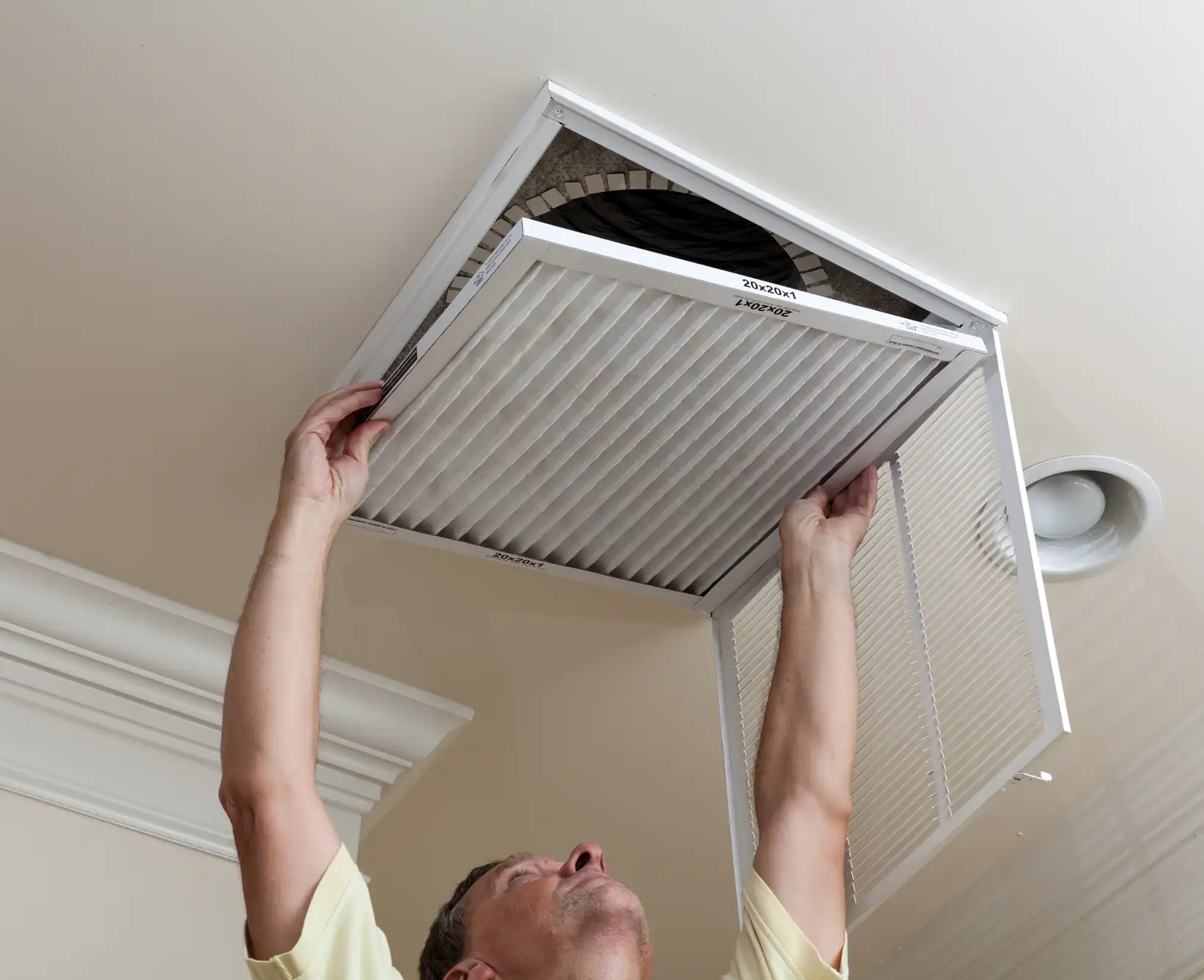
Furnace installation and heating system maintenance cover gas, oil, and electric systems, plus heat pumps. We size equipment correctly for your home, install it to manufacturer specs, and make sure it’s running efficiently from day one. Maintenance includes filter changes, burner cleaning, safety inspections, and catching worn parts before they fail in the middle of winter.
Indoor air quality solutions go beyond basic filtration. We install whole-house air purification systems, UV lights, dehumidifiers, and advanced filtration that integrates with your existing HVAC. This matters in Head Of The Harbor, where homes stay closed up during temperature extremes and indoor air can become five times more polluted than outdoor air.
We also offer 24/7 emergency response for heating failures and urgent cooling issues. When your system goes down at the worst possible time, we’re available to get it running again. Free estimates mean you know what you’re paying before we start any work, and our transparent pricing means no hidden fees or surprise charges.
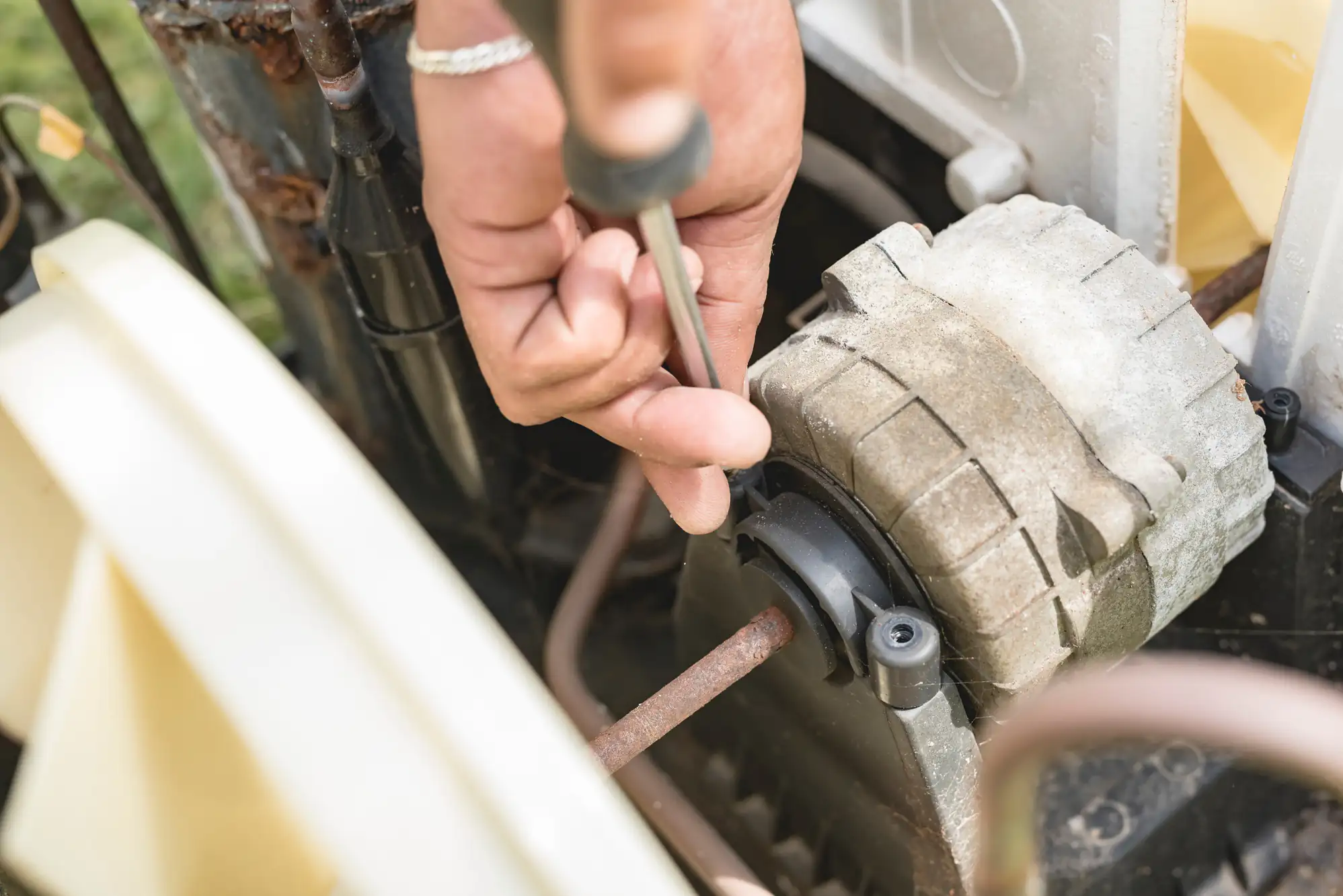
Twice a year is the standard recommendation: once before cooling season and once before heating season. Spring maintenance prepares your air conditioning for summer demand, while fall maintenance ensures your furnace or heat pump is ready for winter.
Regular maintenance isn’t just about preventing breakdowns. It keeps your system running efficiently, which directly affects your energy bills. A dirty filter or a failing blower motor can increase energy consumption by 15-20% without you even noticing until the bill arrives.
Maintenance also keeps your warranty valid. Most manufacturers require proof of annual professional service to honor warranty claims. Skipping maintenance can void coverage on expensive components like compressors or heat exchangers, leaving you on the hook for repairs that should have been covered.
Air conditioners typically last 12-15 years with proper maintenance. Furnaces can go 15-20 years depending on fuel type and usage. Heat pumps usually fall in the 10-15 year range because they work year-round for both heating and cooling.
Long Island’s coastal climate can affect lifespan. Salt air, high humidity, and temperature swings put extra stress on outdoor units. Systems that aren’t maintained regularly or that were undersized from the start tend to fail sooner because they’re working harder than they should.
Age isn’t the only factor. If your system needs frequent repairs, runs constantly without maintaining temperature, or your energy bills have increased significantly, replacement might make more financial sense than continuing to repair aging equipment. We can run the numbers with you to show whether repair or replacement is the smarter investment.
Your AC removes some humidity as it cools, but it’s designed primarily for temperature control, not humidity control. Long Island’s coastal location means outdoor humidity levels regularly hit 70-80% or higher during summer months. Standard air conditioning can’t always keep up with that moisture load.
The problem is latent heat from water vapor. Your thermostat only measures temperature, not humidity. So your home might be 72 degrees but feel uncomfortable and sticky because the humidity is still 60-65%. That’s why some people keep lowering the thermostat, which wastes energy and doesn’t actually solve the comfort problem.
A whole-house dehumidifier works with your HVAC system to control moisture levels independently from temperature. It pulls excess humidity out of the air throughout your entire home, not just one room. This makes your home feel more comfortable at higher thermostat settings, which actually reduces your cooling costs while improving comfort.
First, check your thermostat. Make sure it’s set to heat mode and the temperature setting is higher than the current room temperature. Replace the batteries if it’s battery-powered. This sounds basic, but it’s the most common cause of “no heat” calls.
Next, check your circuit breaker and the furnace power switch. Furnaces have a switch that looks like a light switch, usually located on or near the unit. Someone might have accidentally turned it off. If the breaker tripped, reset it once. If it trips again immediately, don’t keep resetting it—that indicates an electrical problem that needs professional diagnosis.
If those basics don’t solve it, call for emergency service. Don’t try to troubleshoot further on your own, especially with gas furnaces. A cracked heat exchanger or failed safety control isn’t something to DIY. We offer 24/7 emergency response for heating failures because we know that going without heat in January isn’t just uncomfortable—it’s potentially dangerous for your family and your home’s plumbing.
Complete system replacement typically ranges from $8,000 to $20,000+ depending on equipment type, system size, and installation complexity. A basic furnace and AC replacement in a straightforward installation runs lower in that range. High-efficiency heat pumps, multi-zone ductless systems, or installations requiring ductwork modifications run higher.
Size matters, but bigger isn’t better. Your system needs to be properly sized for your home’s square footage, insulation levels, window quality, and layout. An oversized system costs more upfront, cycles on and off too frequently, and doesn’t dehumidify properly. An undersized system runs constantly and never quite keeps up with demand.
Equipment quality affects both upfront cost and long-term value. Higher-efficiency systems cost more initially but reduce energy bills every month for the next 15 years. We provide free estimates that break down equipment options, efficiency ratings, projected energy savings, and total installed cost so you can make an informed decision based on your budget and priorities.
Absolutely. Whole-house air quality systems integrate with your existing HVAC setup. You don’t need to replace your furnace or AC to dramatically improve the air your family breathes every day.
Options include HEPA filtration systems that capture particles as small as 0.3 microns, UV lights that kill mold and bacteria in your ductwork, and electronic air cleaners that remove allergens, dust, and pet dander. These systems work with your current equipment and treat air throughout your entire home, not just one room like a portable unit would.
Indoor air quality matters more than most people realize. Americans spend 90% of their time indoors, and indoor air can be five times more polluted than outdoor air. If anyone in your home has allergies, asthma, or respiratory issues, improving air quality often provides noticeable relief. We can assess your current system and recommend solutions that fit your specific concerns and budget.