Hear from Our Customers
You shouldn’t have to choose between paying your electric bill and staying cool in August. Or worry whether your furnace will quit the night temperatures drop below freezing.
When your system runs efficiently, your utility costs drop. When it’s maintained correctly for Long Island’s salt air and humidity, it lasts longer. And when it’s sized and installed right the first time, you stop dealing with uneven temperatures, short cycling, and constant repairs.
That’s what happens when someone who actually understands coastal climate challenges handles your residential HVAC services. Your home stays at the temperature you set. Your energy bills reflect a system that’s working with you, not against you. And you’re not calling for emergency air conditioning repair every summer or furnace troubleshooting every winter.
We’ve been handling complex HVAC and refrigeration work across Suffolk County for over 40 years. We’ve built our reputation on the jobs other contractors walk away from—marine systems, commercial refrigeration, custom installations that require actual problem-solving.
Now we’re bringing that same level of expertise to residential HVAC services in New Suffolk. We understand what salt air does to your outdoor unit. We know why your AC works harder here than it would 20 miles inland. And we’ve seen what happens when systems aren’t maintained for Long Island’s specific conditions.
You’re not getting a crew that just started last year. You’re getting licensed, insured technicians who’ve been doing this long enough to know what actually works in this climate.
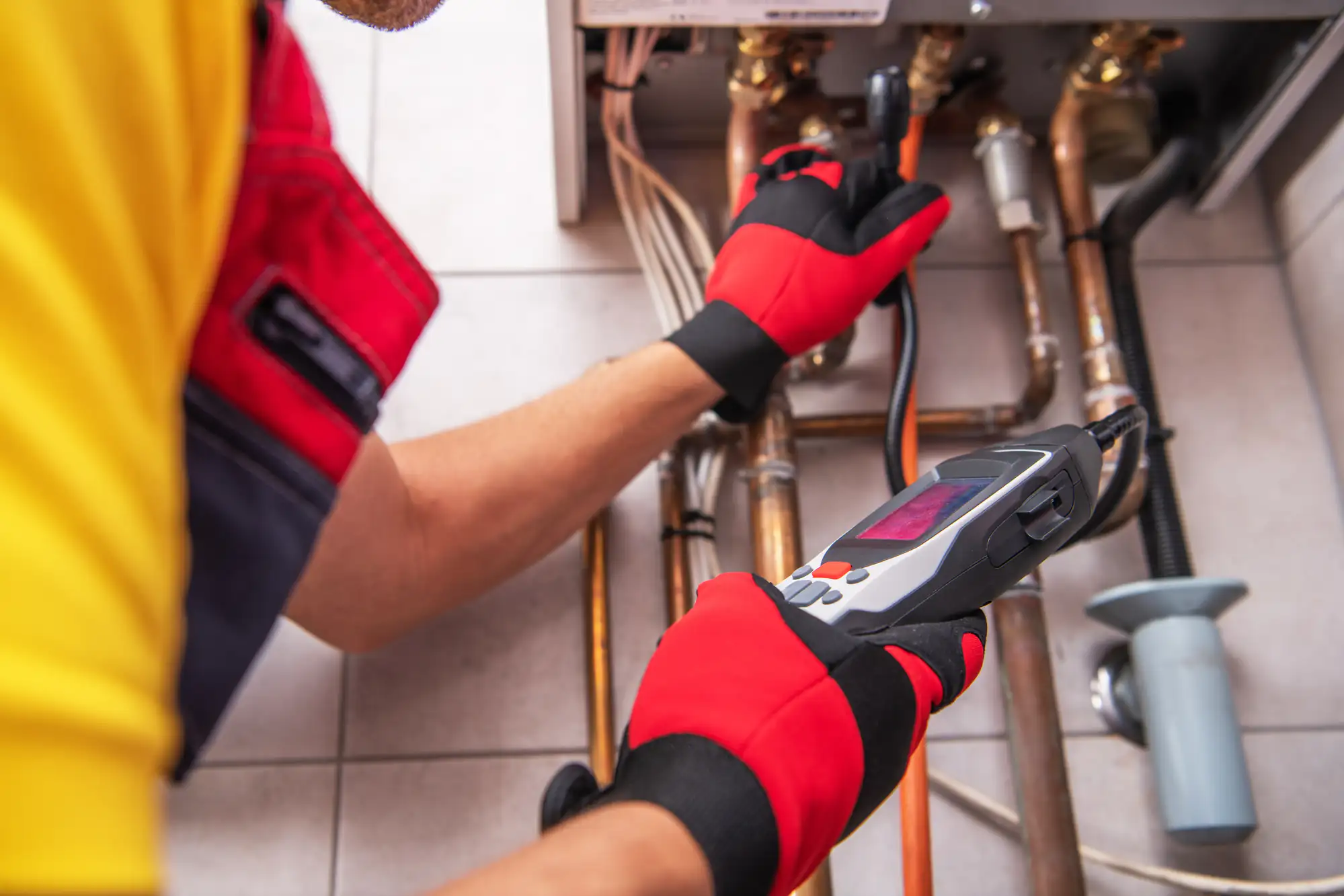
First, you talk to someone who can actually help you—not a call center. If it’s an emergency, you speak directly to a technician who can troubleshoot while they’re heading to your location. Most emergency calls in New Suffolk get a response within 45 minutes to two hours.
For installations and replacements, we start with a free estimate. We look at your current system, your home’s size and insulation, and what you actually need—not what makes us the most money. If your ductwork is inadequate or your unit is oversized, we tell you. If a repair makes more sense than replacement, we tell you that too.
During installation, we handle permits, proper sizing calculations, and any modifications needed for coastal conditions. Our trucks stock common parts for major brands, so about 70% of repairs get finished the same day. When we need to order something, we set up a temporary solution so you’re not without heat or AC while waiting.
After the work is done, we walk you through maintenance schedules specific to Long Island. Salt, pollen, and humidity mean your filters and coils need attention more often than standard recommendations suggest.
Ready to get started?
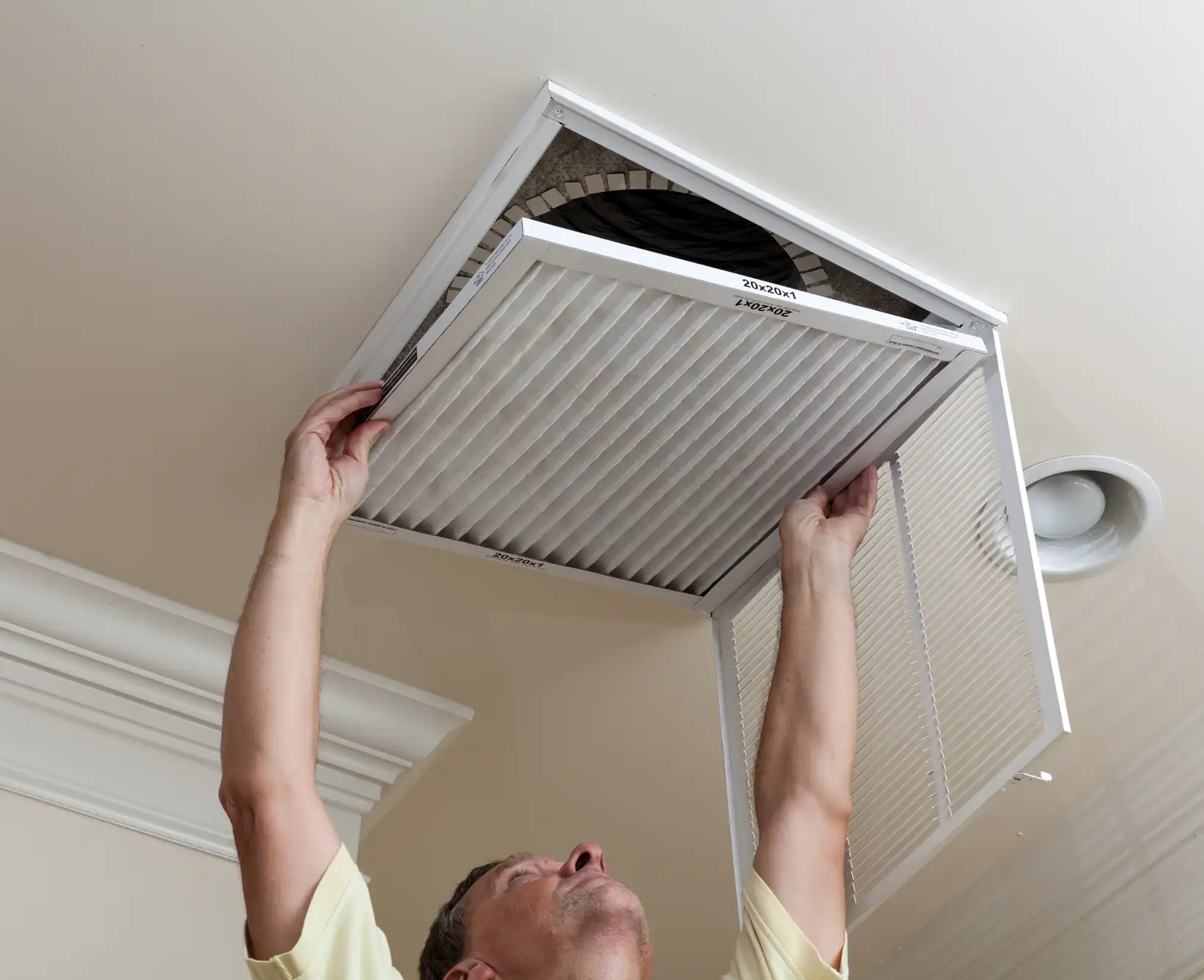
Air conditioning repair and furnace installation are just the start. You also get heating system maintenance timed to Long Island’s seasons, HVAC replacement when repair stops making financial sense, and indoor air quality solutions that address the humidity and allergens coastal homes deal with.
New Suffolk homes face specific challenges. Older properties often lack modern insulation, making temperature control harder. Coastal moisture accelerates corrosion on components. Pollen and salt clog filters faster than you’d expect. Your system has to dehumidify before it can cool, which means it’s working harder than systems inland.
We account for all of that. Maintenance plans include filter changes and coil cleaning on a schedule that matches local conditions, not generic manufacturer recommendations. Installations factor in humidity loads and salt air exposure. Energy-efficient systems get sized correctly so they actually deliver the savings you’re paying for.
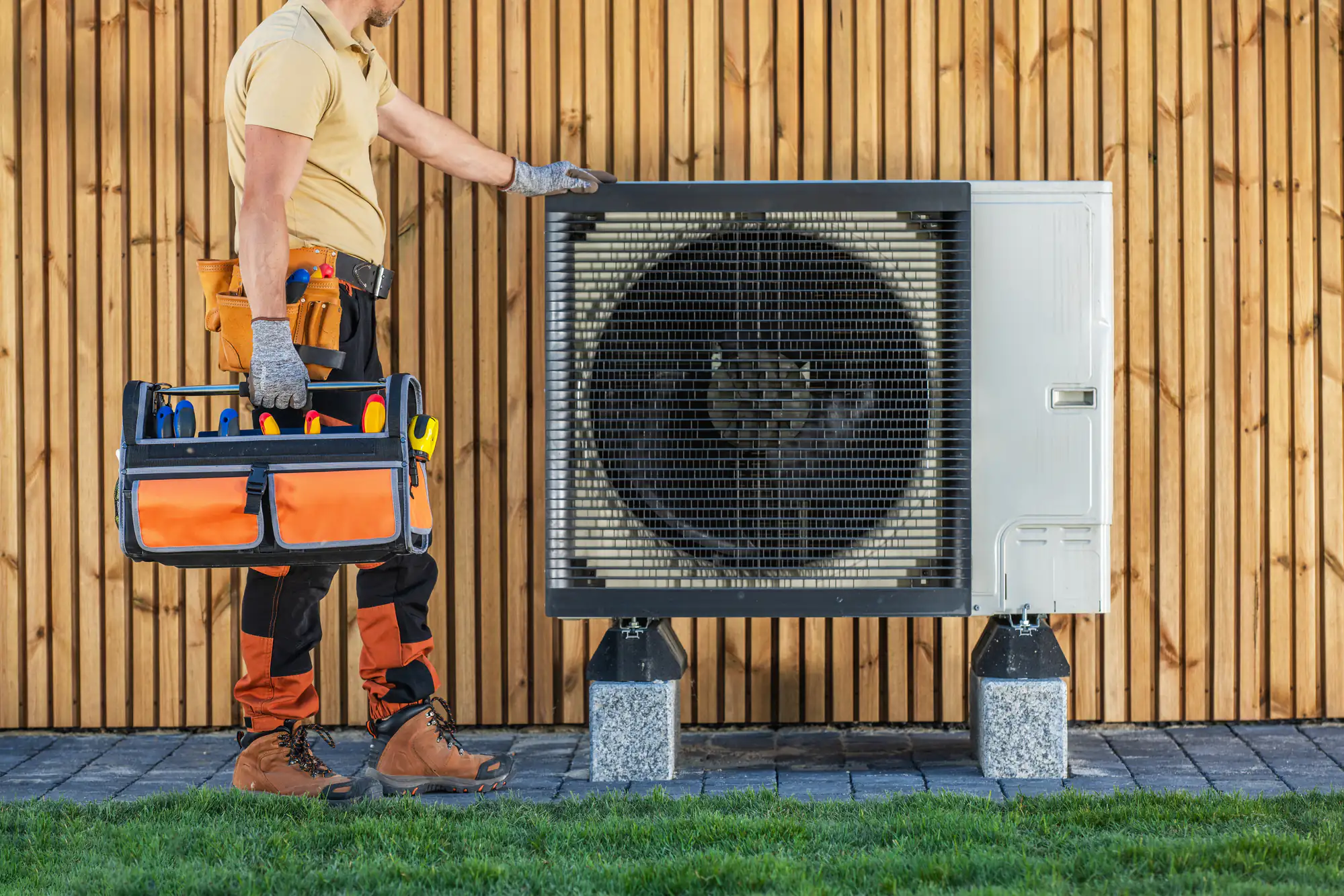
Modern heat pumps can cut your heating costs by up to 75% compared to older furnaces. Proper maintenance extends system life to 10-15 years minimum. And when something breaks at 2 a.m. in January, you have a number to call that someone actually answers.
Twice a year minimum—spring for your AC, fall for your heating. But Long Island’s coastal environment means you should also check filters monthly, not quarterly.
Salt air corrodes components faster than inland systems experience. Humidity makes your AC work harder to dehumidify before cooling. Pollen from local vegetation clogs filters and coils more aggressively than standard maintenance schedules account for.
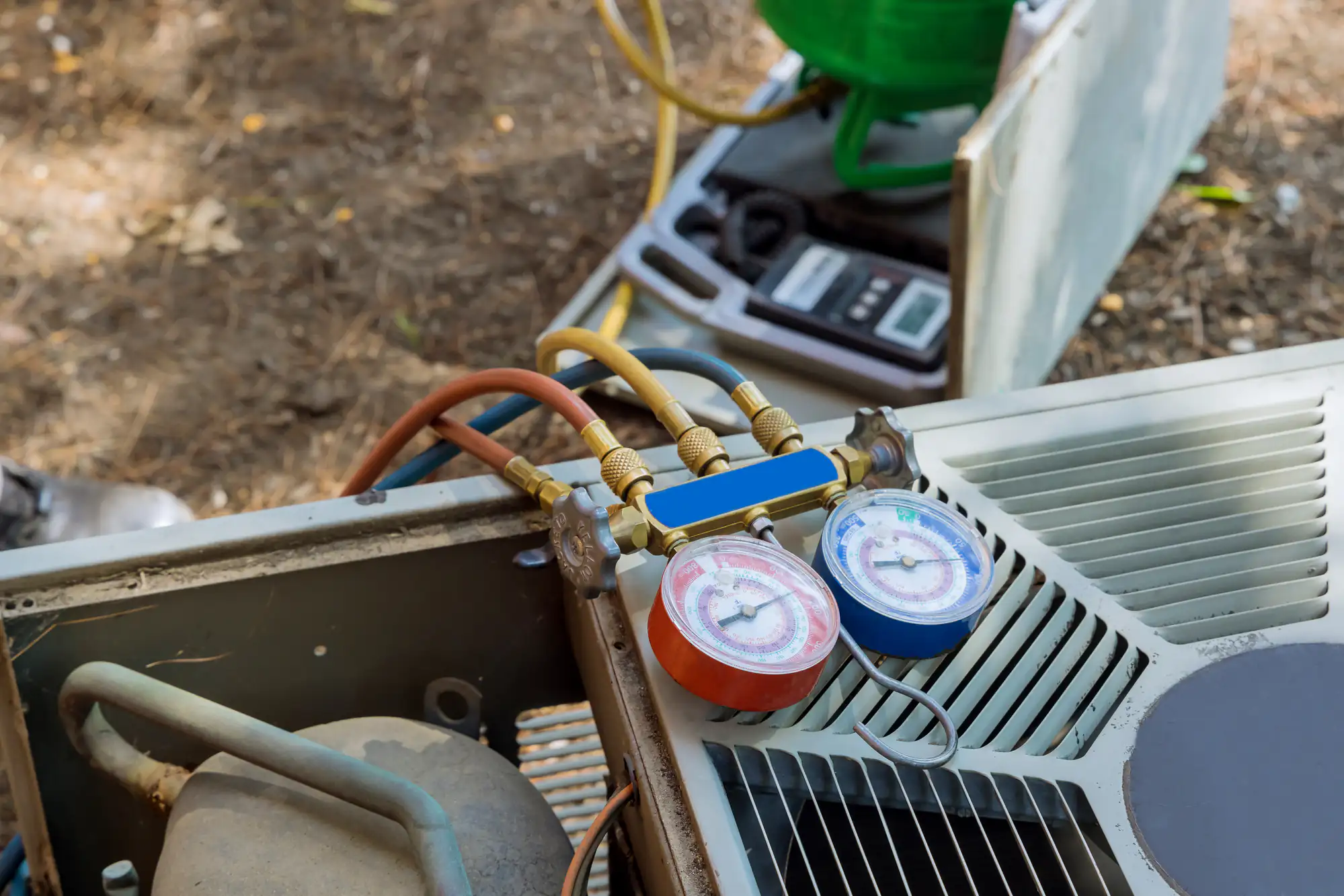
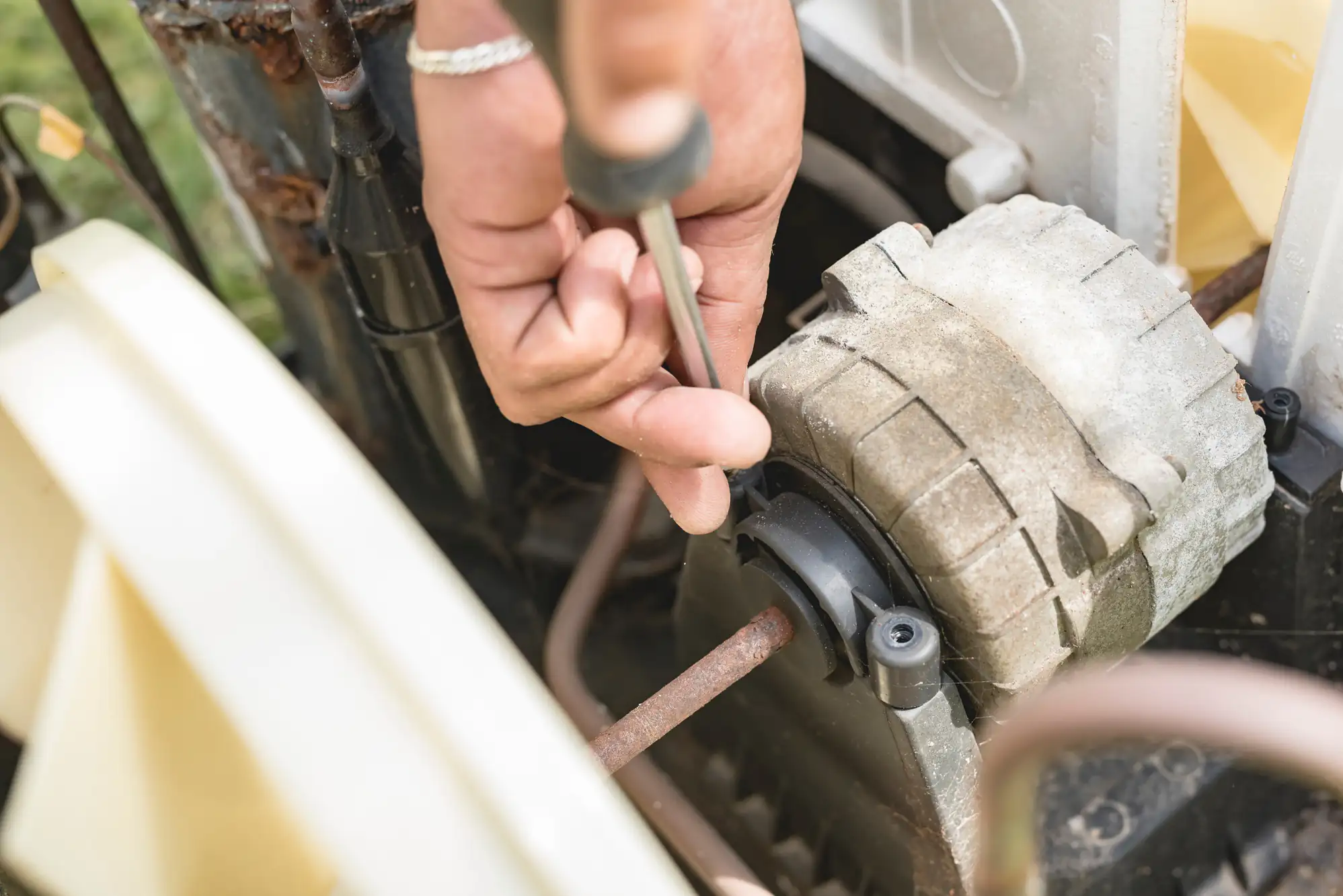
During spring maintenance, we clean coils, check refrigerant levels, test electrical connections, and verify your condensate drain isn’t clogged. Fall maintenance focuses on your heating system—checking burners, testing safety controls, inspecting heat exchangers for cracks, and making sure your pilot light or ignition system fires reliably. If you skip these checkups, you’re shortening your system’s lifespan and increasing the chance of a breakdown during the worst possible weather.
For most homes, you’re looking at $5,000 to $12,000 depending on system size, efficiency rating, and whether your ductwork needs work. That’s a wide range because every home is different.
A 1,200 square foot ranch with good insulation needs less capacity than a 2,500 square foot two-story with original windows from 1975. If your ducts are undersized, leaking, or poorly insulated, fixing that adds cost but also prevents you from wasting money on a new system that can’t perform properly. Higher efficiency units cost more upfront but qualify for rebates and cut your monthly electric bills—sometimes by 30-40% compared to older systems.
We give you options during the estimate. You see what a standard efficiency system costs versus a high-efficiency model, and we show you the payback period based on your actual energy usage. No pressure, just numbers so you can make an informed decision.
Most calls in New Suffolk get a response within 45 minutes to two hours, depending on where our nearest truck is and current call volume. We don’t dispatch from one central location—our technicians cover different areas of Suffolk County.
When you call our emergency line, you talk to a technician, not an answering service. They can often diagnose the problem over the phone and know what parts to bring. Our trucks stay stocked with common replacement parts for major brands, which is why we complete about 70% of emergency repairs on the first visit.
If we need a specialized part, we implement a temporary fix to keep you comfortable while we order what’s needed. Most parts arrive within 24-48 hours. Emergency service is available 24/7, 365 days a year—including holidays, weekends, and the middle of the night when systems always seem to fail.
Coastal humidity is the main culprit. Your air conditioner has to remove moisture from the air before it can lower the temperature, and Long Island summer air is loaded with humidity from the ocean.
If your system is oversized—a common problem from contractors who don’t calculate loads correctly—it cools too fast and shuts off before removing enough moisture. You end up with a cold, clammy house instead of actual comfort. Undersized systems run constantly and never quite catch up on the hottest days.
Dirty coils make the problem worse. Salt air and pollen coat your outdoor unit’s coils, reducing efficiency and forcing the system to work harder. Clogged filters restrict airflow, which reduces dehumidification and cooling capacity. And if your ductwork leaks, you’re losing 20-30% of your cooled air before it reaches your rooms. Proper sizing, regular maintenance, and addressing ductwork issues solve most of these problems.
If your system is under 10 years old and the repair costs less than half of replacement, repair usually makes sense. Once you’re past 12-15 years and facing a major repair—like a compressor or heat exchanger—replacement often pays off faster.
Here’s the math: older systems run at 60-70% efficiency at best. New systems hit 95%+ efficiency for furnaces and 16+ SEER for air conditioners. If you’re spending $200/month cooling your home in summer with an old AC, a new high-efficiency system might drop that to $120-140. Over five years, that’s $3,600-4,800 in savings, which covers a significant chunk of the replacement cost.
Also consider frequency. If you’re calling for repairs twice a year, you’re spending money and dealing with constant breakdowns. At some point, replacement stops being an expense and starts being an investment in reliability. We’ll give you honest numbers for both options so you can decide what makes sense for your situation and budget.
Yes, but only if they’re sized and installed correctly. A high-efficiency system that’s oversized or installed with leaky ductwork won’t deliver the savings you paid for.
Modern heat pumps can reduce heating costs by up to 75% compared to older furnaces and baseboard heaters. High-efficiency air conditioners use 30-50% less electricity than systems from the early 2000s. For a typical New Suffolk home, that translates to $600-1,200 in annual savings depending on your current system and usage patterns.
You also qualify for federal tax credits and sometimes state or utility rebates on high-efficiency equipment. Those incentives can cover 10-30% of your installation cost. The payback period for upgrading from a standard efficiency system to a high-efficiency model is usually 5-8 years. After that, you’re just pocketing the difference every month. We calculate actual payback during your estimate using your home’s specifics, not generic assumptions.