Hear from Our Customers
Your energy bills drop because your system isn’t working overtime to keep up. That’s what happens when your air conditioning repair or furnace installation is done right the first time.
You stop worrying about breakdowns during the worst possible moments. No more sweating through July because your AC gave out, or shivering in January waiting for someone to finally call you back.
Your indoor air gets cleaner. Fewer allergens floating around during Long Island’s unpredictable spring weather means fewer sniffles and better sleep. When your heating system maintenance includes proper filtration, you notice the difference.
The constant service calls stop. You’re not stuck in that cycle where a technician visits every few weeks because the real problem never got fixed. You get solutions that last, not Band-Aids that peel off by next season.
We’ve been handling complex HVAC and refrigeration work since before most companies in this area existed. Over 40 years of keeping systems running in airports, restaurants, marine vessels, and commercial facilities across the Greater New York area.
Now that same expertise applies to your home in South Hempstead. The mid-century homes in this neighborhood weren’t built with today’s efficiency standards in mind, and the coastal humidity makes your air conditioner work harder than it would inland.
You’re dealing with a team that understands Nassau County’s specific challenges. We know what Long Island winters do to heating systems and how summer humidity affects cooling performance. That local knowledge matters when you’re choosing between repair and replacement, or deciding which system makes sense for your home.
You call or contact us, and we schedule a time that actually works for your schedule. No four-hour windows where you’re stuck waiting around.
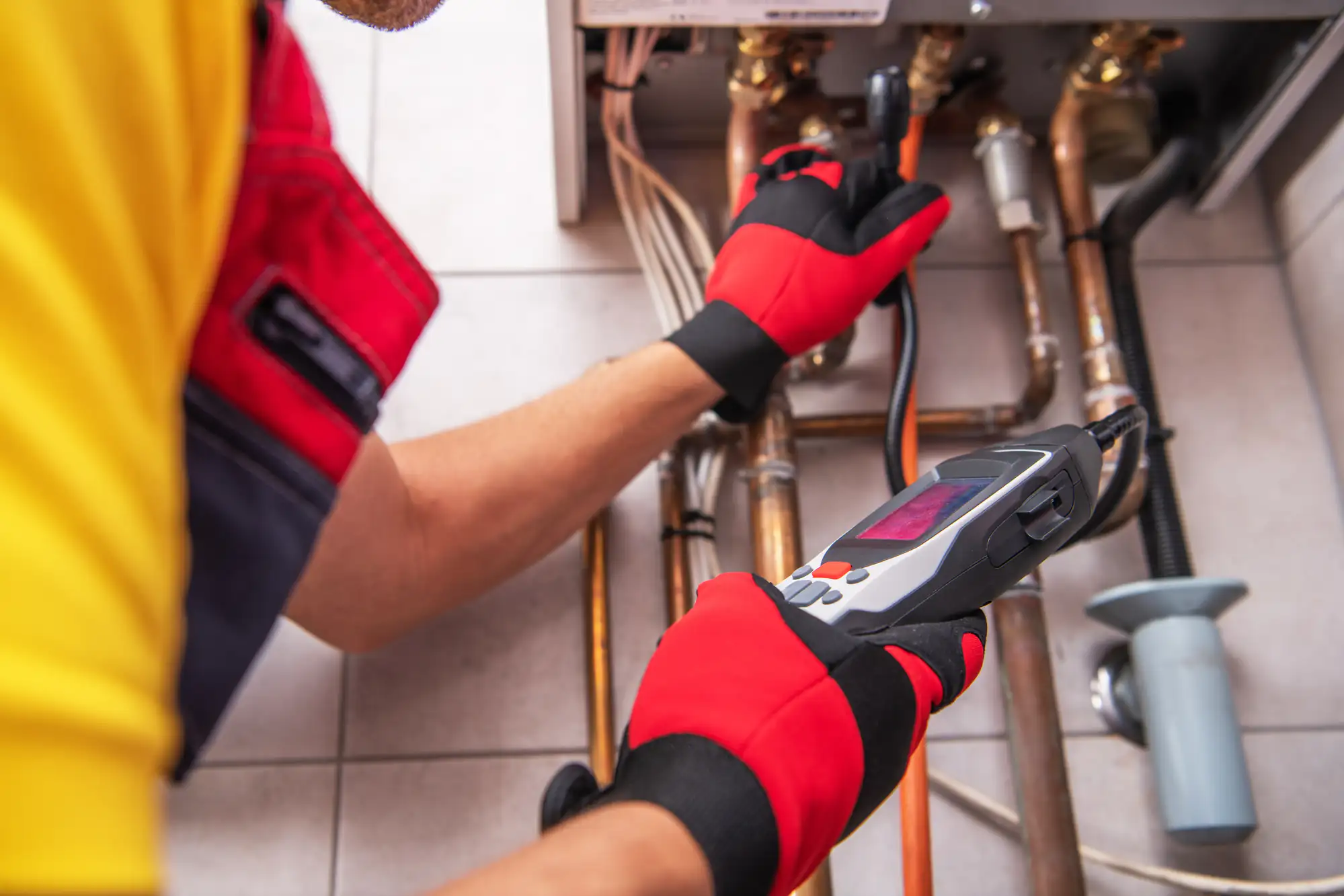
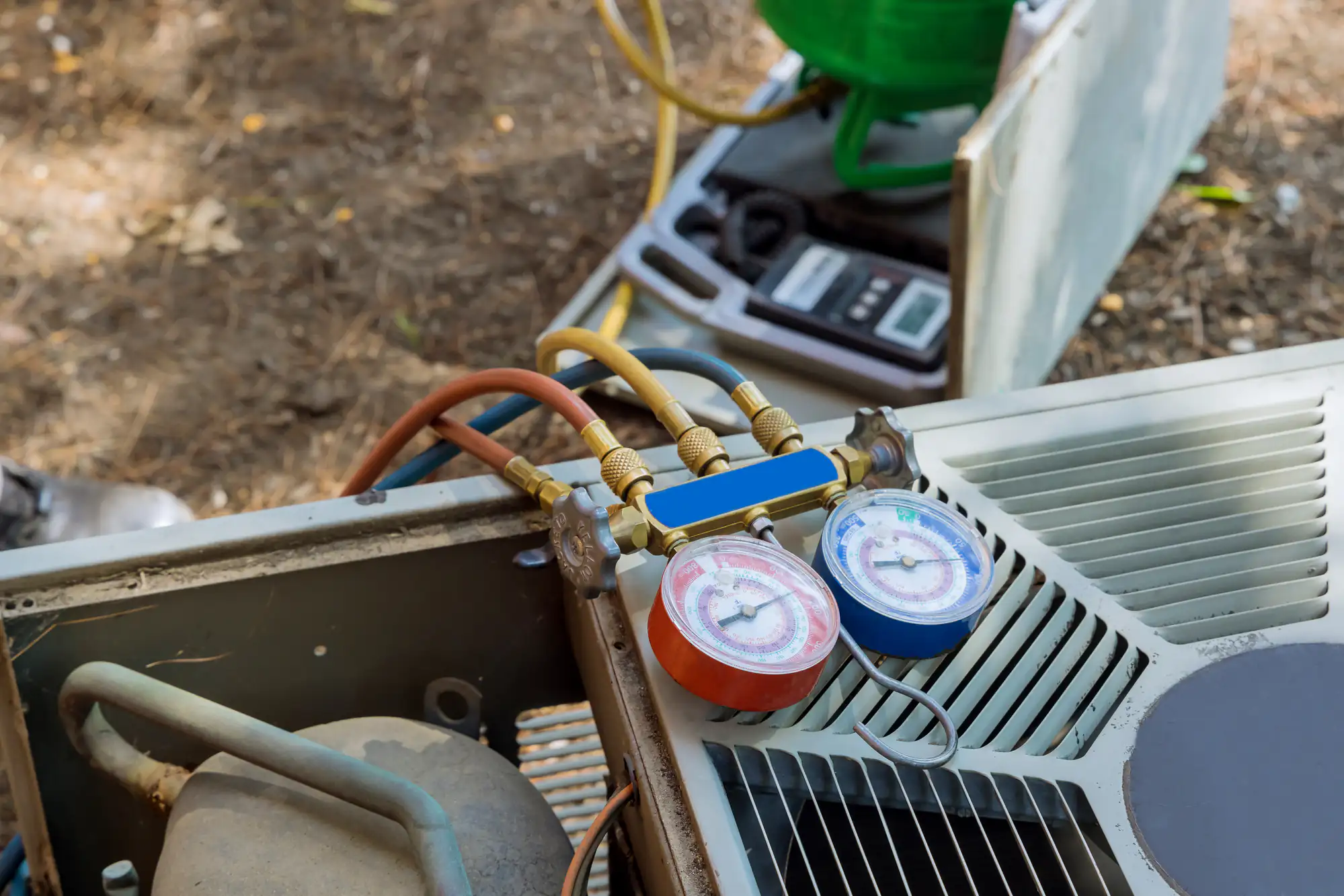
A technician shows up and assesses what’s going on with your system. If it’s an air conditioning repair, we’ll check refrigerant levels, inspect the compressor, test airflow, and look for the actual source of the problem. For heating system maintenance or furnace installation, we’re checking heat exchangers, testing safety controls, and making sure combustion is clean and efficient.
You get a straight answer about what needs to happen. If your system is 15 years old and needs a repair that costs half what a new unit would, we’ll tell you that. The “Rule of 5,000” matters here—if your system’s age multiplied by the repair cost exceeds 5,000, replacement usually makes more sense.
The work gets done right. Whether it’s an HVAC replacement, a heat pump installation to take advantage of those federal tax credits, or indoor air quality improvements, the job gets completed properly. Not rushed, not half-done.
You get a system that works the way it’s supposed to. And if something goes wrong, we’re available 24/7 for emergency service.
Ready to get started?
Air conditioning repair and installation for those brutal Long Island summers when humidity makes 85 degrees feel like 95. Your system needs to handle both cooling and dehumidification, and if it’s not doing both efficiently, you’re wasting money.
Furnace installation and heating system maintenance for winters that swing from mild to freezing overnight. South Hempstead sees enough temperature variation that your heating system can’t be an afterthought.
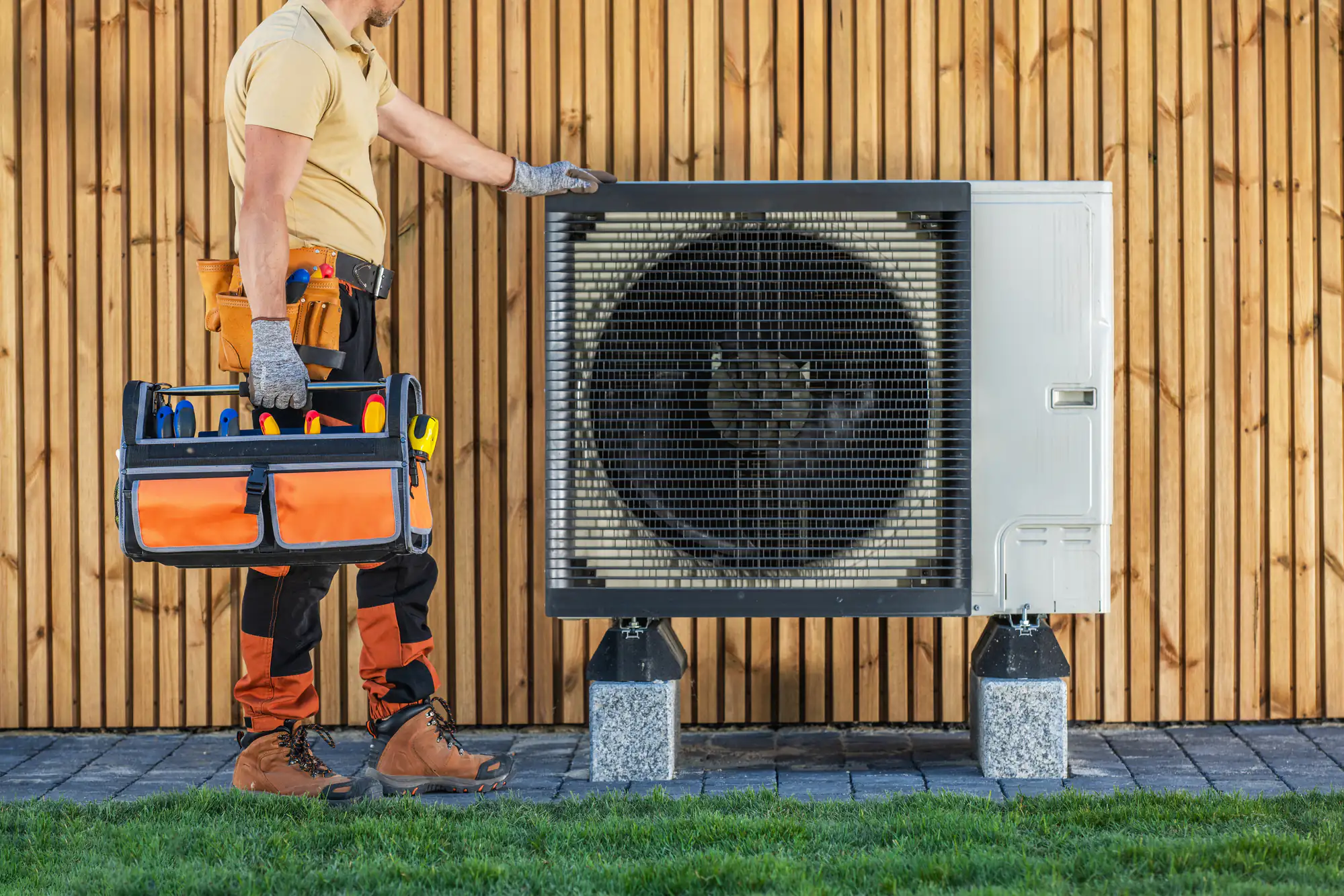
Heat pump systems are outselling gas furnaces now for good reason. They heat and cool, they qualify for federal tax credits up to $2,000, and they’re more efficient than running separate systems. If your current setup is aging out, this is worth considering.
Indoor air quality solutions matter more than most people realize. Your HVAC system circulates air throughout your entire home, and if that air is full of dust, allergens, and pollutants, you’re breathing it constantly. Proper filtration and purification make a noticeable difference.
HVAC replacement when repair stops making financial sense. If you’re calling for service multiple times per season, or if your energy bills keep climbing despite nothing else changing, your system might be telling you something.
Emergency service when your system fails at the worst time. Because breakdowns don’t wait for convenient moments, and neither do we.
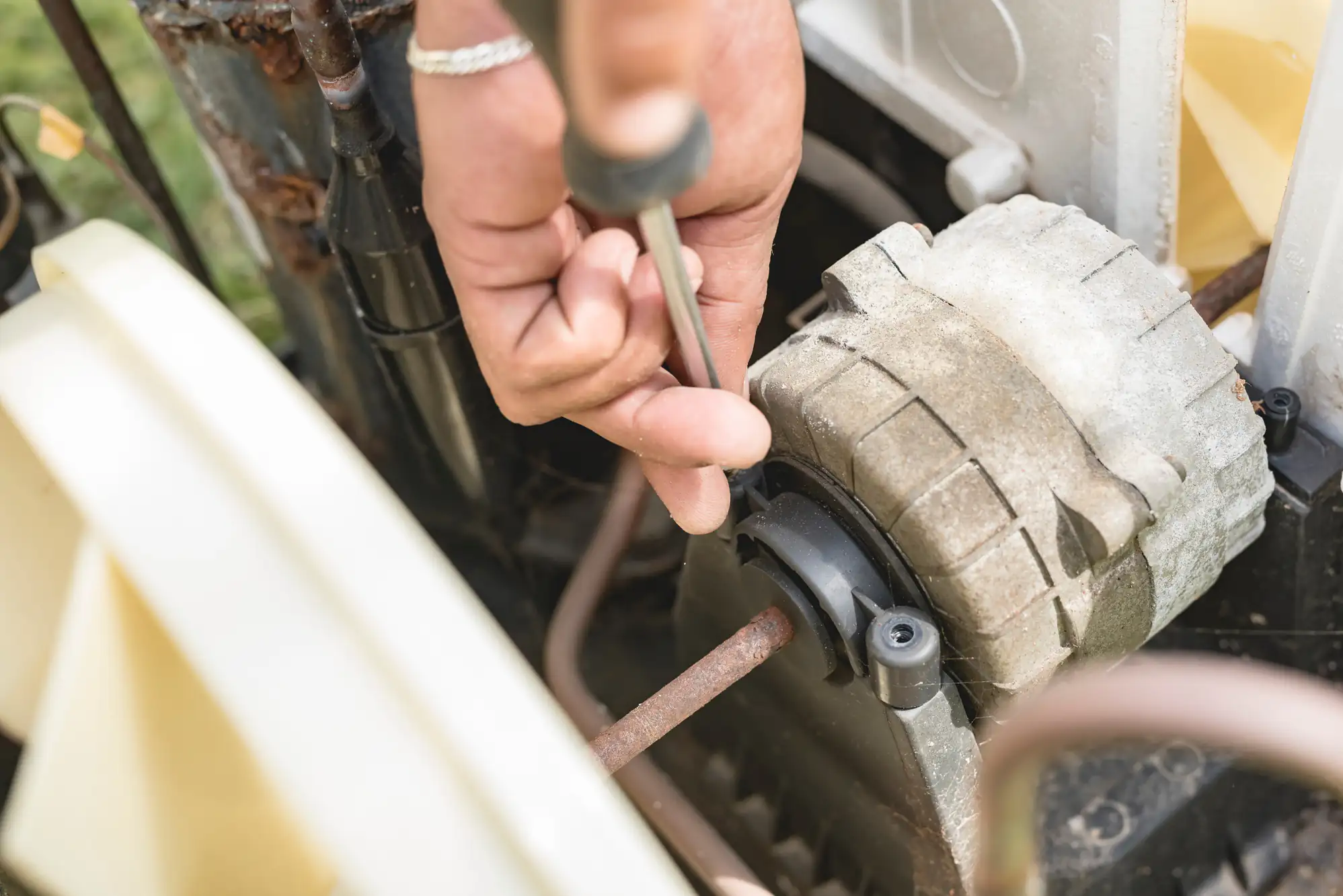
Multiply your system’s age by the repair cost. If that number exceeds 5,000, replacement usually makes more sense than repair.
Here’s why that matters: a 12-year-old system needing a $600 repair gives you 7,200. That’s above the threshold, which means you’re likely looking at more repairs soon. A 6-year-old system with the same repair cost gives you 3,600—repair makes sense.
Also consider frequency. If you’re calling for service multiple times per season, you’re in what the industry calls a “death spiral.” Each repair buys you a little time, but the next breakdown is already coming. At that point, the money you’re spending on repeated service calls would be better invested in a new system that actually works.
Energy bills tell you something too. If your costs keep climbing even though your usage hasn’t changed, your system is losing efficiency. Older systems can cost 50% more to run than modern ENERGY STAR certified equipment, which means you’re paying for that old system twice—once in repairs, and again every month in higher utility bills.
Size depends on your home’s square footage, insulation quality, window placement, and how many stories you have. There’s no one-size-fits-all answer, and going bigger isn’t always better.
An oversized system cycles on and off too frequently, which wears out components faster and doesn’t dehumidify properly. That’s a real problem in South Hempstead’s humid climate. You end up with a house that feels clammy even when the temperature is technically correct.
An undersized system runs constantly trying to keep up, which drives your energy bills through the roof and burns out the equipment prematurely. It’ll never quite reach the temperature you set, especially during extreme weather.
Proper sizing requires a load calculation that accounts for your specific home. Mid-century homes in this area often have different insulation standards than newer construction, and coastal humidity affects cooling requirements. We measure your space, check insulation, note window exposure, and calculate the actual heating and cooling load before recommending equipment. Anyone who quotes you a system size without doing that calculation is guessing, and guesses get expensive.
Modern heat pumps work fine in Long Island’s winter temperatures. The technology has improved significantly, and today’s units maintain efficiency even when it’s well below freezing.
Older heat pumps struggled once temperatures dropped into the 20s, which gave the technology a bad reputation. But current models use advanced refrigerants and variable-speed compressors that extract heat from outdoor air even at 5 degrees Fahrenheit. South Hempstead rarely sees temperatures that low for extended periods.
Heat pumps also qualify for federal tax credits up to $2,000 under current incentives, which helps offset the installation cost. They heat and cool with one system, eliminating the need for separate furnace and air conditioner units. That simplifies maintenance and reduces the number of things that can break.
The efficiency advantage matters more as energy costs rise. National Grid rates went up again in January 2026, making inefficient heating more expensive than ever. Heat pumps can cut your heating costs significantly compared to oil or propane, and they’re comparable to natural gas while providing cooling in summer. For homes replacing both heating and cooling systems, heat pumps often make the most financial sense.
Once a year, ideally in fall before you need to rely on your furnace. Waiting until it’s already cold means you’re competing with everyone else who put it off, and you’re risking a breakdown when you can least afford one.
Annual maintenance catches small problems before they become expensive emergencies. We check your heat exchanger for cracks that could leak carbon monoxide, test safety controls, clean burners, check combustion efficiency, and make sure everything is running the way it should.
Your system also runs more efficiently after maintenance, which lowers your energy bills. A dirty or poorly adjusted furnace can waste 15-20% more fuel than necessary. With heating costs making up over half your annual energy consumption, that waste adds up quickly.
Maintenance extends your equipment’s lifespan too. Furnaces typically last 15-20 years with proper care, but neglect can cut that short by years. The cost of annual service is a fraction of what you’d spend on premature replacement.
If you have a heat pump handling both heating and cooling, you should schedule maintenance twice a year—once before cooling season and once before heating season. The system works year-round, so it needs attention on both ends.
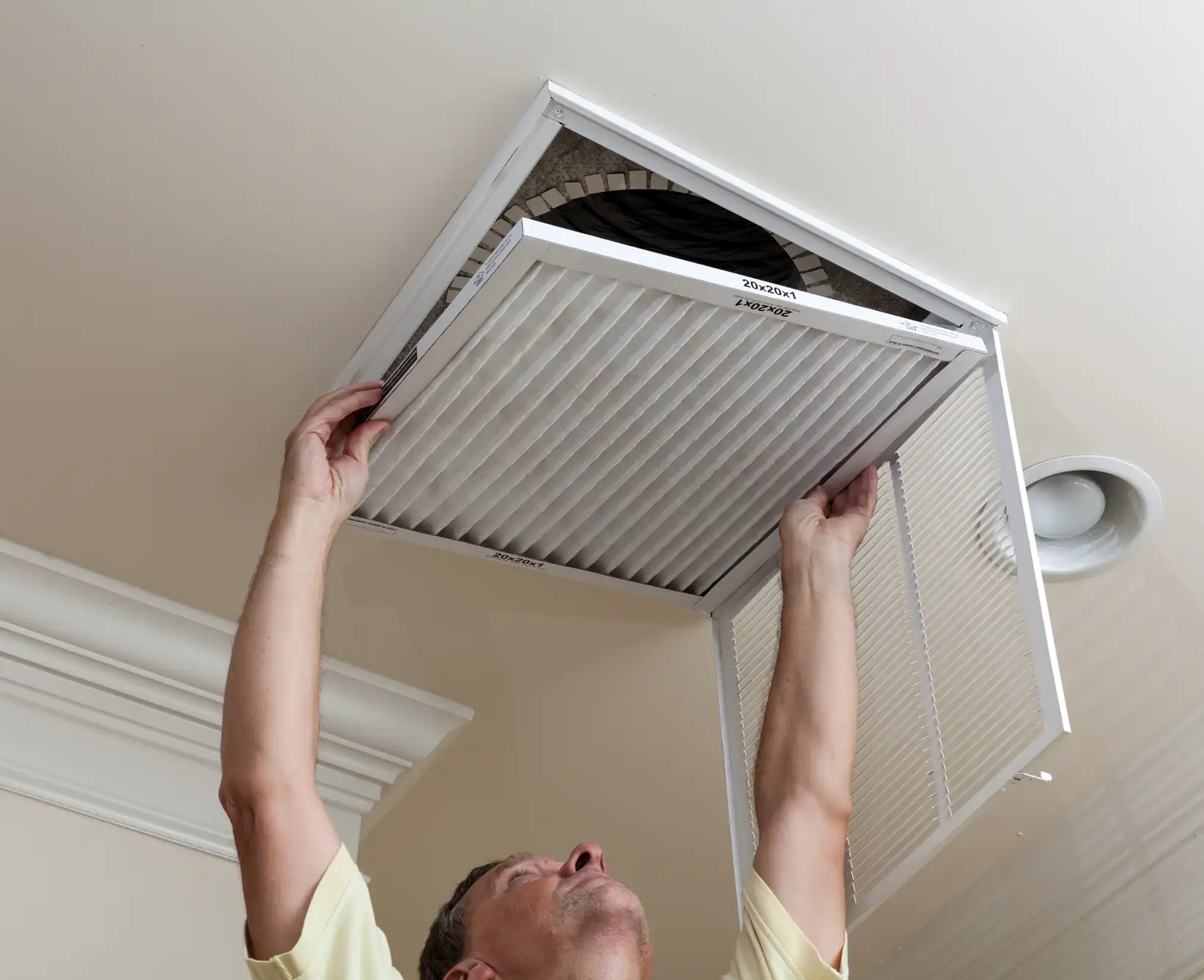
Start with your HVAC filter. Most homes use cheap fiberglass filters that barely catch anything. Upgrading to a higher MERV-rated filter traps smaller particles like pollen, mold spores, and dust mites that trigger allergies.
Check your filter monthly and change it when it’s dirty. A clogged filter restricts airflow, makes your system work harder, and sends your energy bills up. During high-pollen seasons on Long Island, you might need to change filters more frequently than the standard 90-day recommendation.
Consider adding air purification to your HVAC system. Whole-home purifiers treat all the air circulating through your house, not just one room. UV lights kill mold and bacteria in your ductwork, and electronic air cleaners capture particles that regular filters miss.
Humidity control matters too. Long Island’s coastal climate means humidity can get oppressive in summer, creating conditions where mold thrives. Your air conditioner removes some moisture, but a whole-home dehumidifier does a better job. In winter, you might need the opposite—a humidifier to keep indoor air from getting too dry.
Have your ductwork inspected if you’re noticing dust buildup or musty smells. Leaky ducts pull in attic dust, insulation particles, and whatever else is hiding in your walls. Sealing those leaks improves air quality and efficiency at the same time.
Yes, we’re available 24/7 for when your system fails outside normal business hours. Breakdowns don’t wait for Monday morning, and neither do we.
Emergency service matters most during extreme weather. When it’s 15 degrees outside and your furnace quits, or when it’s 95 with high humidity and your air conditioning dies, waiting until tomorrow isn’t realistic. Those aren’t just comfort issues—they’re safety concerns, especially for young children, elderly family members, or anyone with respiratory conditions.
You get the same technicians and the same quality work whether it’s 2 PM on a Tuesday or 2 AM on a Sunday. The goal is getting your system running again as quickly as possible, not selling you things you don’t need in a moment of panic.
Keep our number handy before you need it. When your system fails, you don’t want to be searching for a contractor while your house gets colder or hotter by the hour. Having a reliable HVAC company you can call immediately makes those emergencies a lot less stressful.