Hear from Our Customers
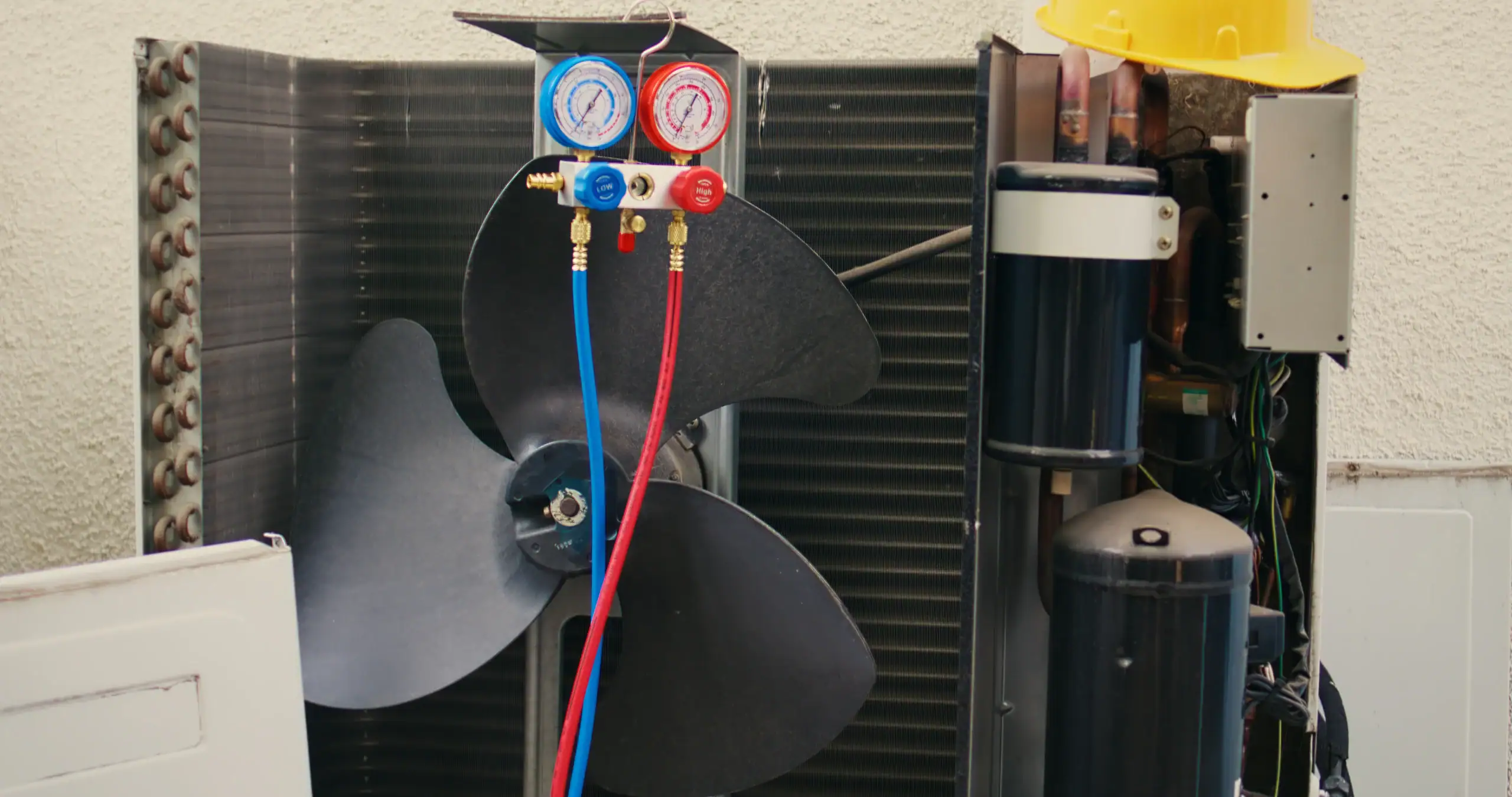
Your refrigerator holds temperature even when you’re anchored overnight in Three Mile Harbor. Your compressor isn’t draining your batteries dry. Your food stays fresh through a long weekend, and you’re not dealing with frost buildup every time you open the door.
That’s what a properly installed and maintained marine refrigeration system does. It runs quietly in the background while you focus on why you’re out on the water in the first place.
When systems fail—and in the marine environment, they eventually do—you want someone who can diagnose the actual problem fast. Not someone who throws parts at it hoping something works. Refrigerant leaks, compressor issues, power draw problems, faulty door seals—these all present similarly but require completely different fixes. The difference between a three-hour repair and a three-day ordeal usually comes down to whether your technician has seen it before.
We’ve spent over four decades working on marine refrigeration and HVAC systems throughout the Greater New York area, including East Hampton’s marina community. We handle everything from straightforward repairs to custom cooling installations that other providers won’t touch.
East Hampton’s boating community—from Three Mile Harbor to Gardiner’s Bay—operates in a demanding environment. Saltwater, constant motion, humidity, and limited power sources all stress marine refrigeration systems in ways that land-based units never experience. We understand these challenges because we’ve been solving them since before many of today’s marine refrigeration technologies even existed.
We offer 24/7 consulting, free estimates, and a communication style that boat owners consistently mention in their reviews. When you call, you get someone who actually picks up and knows what they’re talking about.
First, you reach out—whether it’s a system that’s not cooling properly, excessive power consumption, or you’re planning a new installation. We offer free estimates, so there’s no guessing about cost before work begins.
Our technician evaluates your specific setup. Boat refrigeration isn’t one-size-fits-all. Your vessel size, power system, insulation, usage patterns, and cooling needs all factor into the right solution. If it’s a repair, we diagnose the root cause—not just the symptom. If it’s an installation, we design a system that matches your vessel’s requirements and your actual usage.
Once the scope is clear and you approve the estimate, the work begins. Repairs might involve addressing refrigerant leaks, replacing compressor components, fixing electrical issues, or upgrading worn seals and gaskets. Installations require careful planning around your existing systems, proper sizing to avoid power waste, and integration that doesn’t compromise your vessel’s layout.
After the work is complete, the system is tested under real conditions. You’re walked through what was done, what to watch for, and how to maintain optimal performance. If questions come up later—even at 2 a.m. when you’re noticing something off—we offer 24/7 consulting so you’re never stuck guessing.
Ready to get started?
Marine refrigeration service covers the full spectrum—from emergency repairs when your system stops cooling to preventive maintenance that keeps problems from starting in the first place. We handle refrigeration systems, marine air conditioning, boat HVAC, and custom cooling solutions for vessels of all sizes.
Repairs address common marine refrigeration issues: refrigerant leaks that cause warm storage temps, compressor failures that prevent the system from running, excessive power consumption that drains batteries, frost buildup from humidity and faulty seals, and thermostat or control board malfunctions. Each of these requires different expertise, and misdiagnosis wastes both time and money.
Installation work includes new marine refrigeration systems, boat air conditioning units, chiller systems for larger vessels, and custom solutions like specialized cold storage or integrated cooling for galleys. East Hampton’s boating community includes everything from weekend cruisers to serious offshore vessels, and the cooling requirements vary dramatically. A system that works for a 30-foot day boat won’t cut it on a 60-foot yacht that’s out for weeks at a time.
Maintenance service includes checking strainers and filters (which should happen every few weeks during active season), inspecting door seals and gaskets, cleaning condenser coils, verifying refrigerant levels, testing electrical connections, and ensuring the system isn’t working harder than it needs to. Regular maintenance extends equipment life and catches small issues before they become expensive failures.
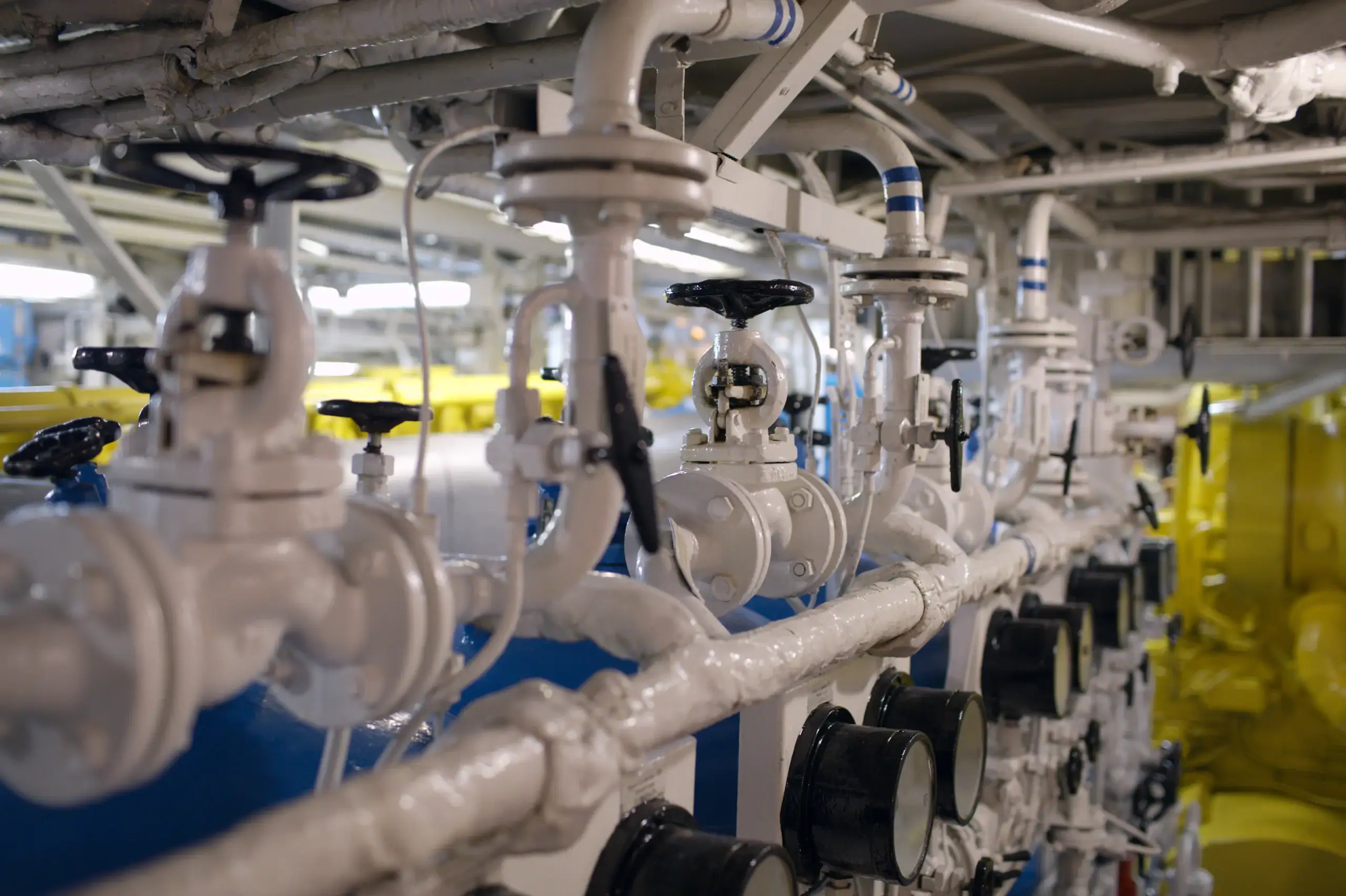
If you’re actively using your boat during the season, plan on checking strainers every few weeks and inspecting air filters monthly. A full professional service should happen at least once per year—ideally before the season starts.
Marine refrigeration systems in East Hampton face specific challenges. Saltwater exposure, summer heat, high humidity, and continuous operation during peak boating months all stress these systems. Strainers can clog with marine growth, especially during summer when biological activity peaks. Dirty condenser coils force the compressor to work harder, increasing power draw and reducing cooling efficiency.
Catching problems early—before they cause a complete system failure—saves you from losing a weekend on the water and from much more expensive emergency repairs. A well-maintained system also consumes less power, which matters when you’re relying on battery capacity.
Excessive power consumption usually comes down to a few common causes: poor insulation in the refrigeration box, dirty condenser coils, refrigerant levels that are off (either too high or too low), a compressor that’s working too hard due to inadequate ventilation, or door seals that aren’t closing properly and letting warm air in.
Marine refrigeration systems operate in a fundamentally different environment than home refrigerators. They run on limited battery power, deal with constant motion, and face temperature swings depending on weather and whether you’re docked or underway. If your fridge is running constantly and still struggling to maintain temperature, that’s a red flag.
Sometimes the issue is the system itself—it might be undersized for your actual cooling needs, or it was installed without proper consideration for airflow around the condenser. Other times, it’s a maintenance issue that’s forcing the system to work harder than it should. Either way, diagnosing the actual cause prevents you from replacing components that aren’t the real problem.
Marine refrigeration systems are built to handle challenges that home refrigerators never face: saltwater corrosion, constant motion and vibration, high humidity, limited power supply from batteries, and the need to operate efficiently in tight spaces with variable ventilation.
A typical home refrigerator has unlimited power available and sits on a level surface in a climate-controlled room. Your boat’s refrigeration system has to maintain temperature while the vessel is rocking, using only the power your batteries can provide, in an environment where saltwater spray and humidity are constantly present. The components are designed differently—often using DC power instead of AC, with specialized condensers that can be water-cooled or air-cooled depending on installation, and compressors engineered for low power draw.
This is why marine refrigeration requires specialized knowledge. A technician who’s great with residential or even commercial refrigeration might not understand the unique constraints and failure modes of marine systems. The troubleshooting process is different, the parts are different, and the installation considerations are completely different.
Marine air conditioning can be installed on most vessels, but the system needs to match your boat’s size, power capacity, layout, and how you actually use it. A system that’s too small won’t cool adequately. A system that’s too large will short-cycle and fail prematurely.
Smaller boats (under 30 feet) might use portable or compact self-contained units. Mid-size vessels often use split systems with the condenser in one location and evaporator units throughout the boat. Larger yachts might require chilled water systems that circulate cold water through multiple zones for efficient, quiet cooling.
Your boat’s electrical system also matters. Marine AC systems draw significant power, especially during startup. If your batteries and charging system can’t support the load, you’ll have problems. A proper installation evaluates your entire electrical setup, not just whether there’s space to mount the unit. We handle these assessments during the estimate process, so you know what’s actually feasible for your specific vessel before any work begins.
The most frequent issues are refrigerant leaks, compressor failures, clogged strainers from marine growth, excessive power consumption, frost buildup from humidity, and door seal failures. East Hampton’s location means boats here deal with saltwater, warm summer temperatures, and high humidity—all of which stress marine refrigeration systems.
Refrigerant leaks often result from vibration loosening connections or corrosion from the marine environment. When refrigerant levels drop, the system can’t transfer heat effectively, and your storage area stays warm. Compressor issues can stem from electrical problems, overheating due to poor ventilation, or simply wear from continuous operation. Strainers clog with algae and marine growth, especially during summer months, which reduces water flow through water-cooled condensers and causes the system to overheat.
Power consumption problems usually trace back to maintenance issues—dirty coils, low refrigerant, or failing door seals that let warm air infiltrate constantly. Frost buildup happens when humid air gets inside the refrigeration box, often through worn gaskets. Each of these problems presents differently but can cause similar symptoms, which is why accurate diagnosis matters. Replacing a compressor when the real issue is a clogged strainer wastes money and doesn’t fix anything.
Yes. We offer 24/7 consulting, which means you can reach someone even outside normal business hours when you’re dealing with a refrigeration emergency. When your system fails and you have a boat full of food that’s warming up, or you’re preparing for a trip and discover your refrigerator isn’t working, waiting until Monday morning isn’t an option.
Marine refrigeration emergencies happen at inconvenient times—often right before a planned trip or during a long weekend when you’re away from the dock. Having access to technicians who can diagnose the problem over the phone, walk you through temporary solutions, or schedule rapid service makes the difference between salvaging your plans and canceling them.
The 24/7 consulting also helps when you’re not sure if what you’re experiencing is actually an emergency. Maybe your compressor is cycling more frequently than usual, or you’re hearing an unfamiliar noise, or your temperature seems slightly off. A quick conversation with someone who knows marine refrigeration can tell you whether you need immediate service or if it can wait until regular hours. That kind of access eliminates the guesswork and stress that come with marine system issues.