
Hear from Our Customers
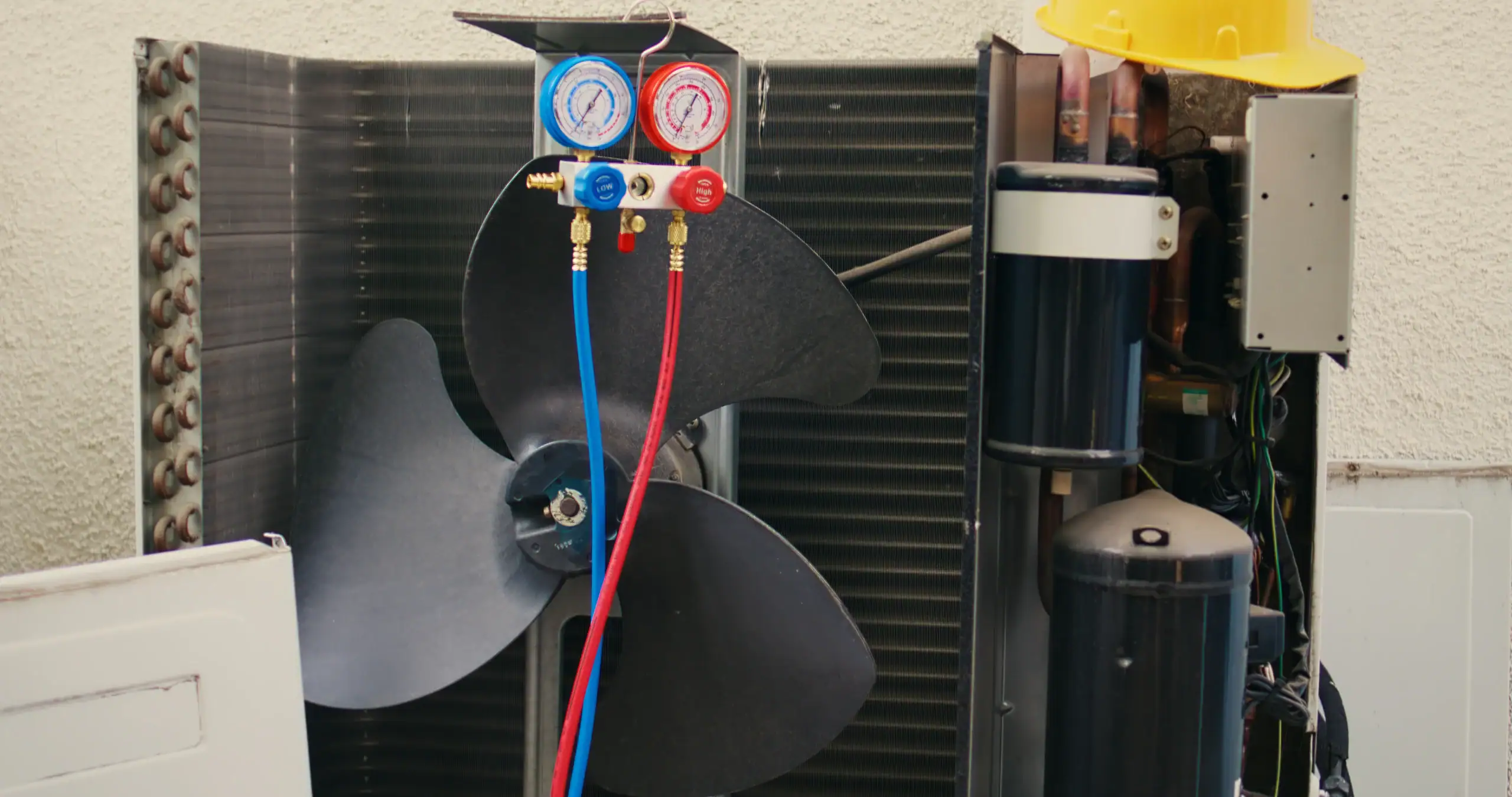
You’re not dealing with a refrigerator that sits still in a climate-controlled kitchen. Your boat’s cooling system fights saltwater, humidity, constant motion, and limited power—all while you’re expecting it to perform flawlessly when guests are aboard.
When your marine refrigeration or boat air conditioning actually works right, you stop worrying about whether provisions will stay fresh during that weekend trip. You stop checking temperatures every few hours. You stop hearing that compressor running constantly while watching your batteries drain.
Instead, you get systems that maintain proper temperatures without running your batteries dead. You get reliable cooling that doesn’t quit when you’re three hours from the marina. You get honest assessments about what’s wrong and what it’ll actually take to fix it—not guesswork from someone who usually works on houses.
We bring over 40 years of specialized experience to marine HVAC and refrigeration service in Sagaponack and throughout the Hamptons. We serve yacht owners who understand that marine systems require different expertise than residential work—techs who know the difference between 12V DC marine compressors and standard household units matter when your boat won’t cool.
We handle everything from emergency repairs during peak boating season to complex custom installations that other companies turn down. With dozens of five-star reviews and a client roster that includes airports, restaurants, and commercial facilities alongside marine work, we’ve proven our ability to deliver under pressure.
Sagaponack’s boating community demands reliability and expertise. When your yacht’s refrigeration fails on a Saturday in July, you need someone who answers the phone and actually knows how to fix marine systems. That’s exactly what we provide—24/7 availability, honest communication, and the technical knowledge to get it right the first time.
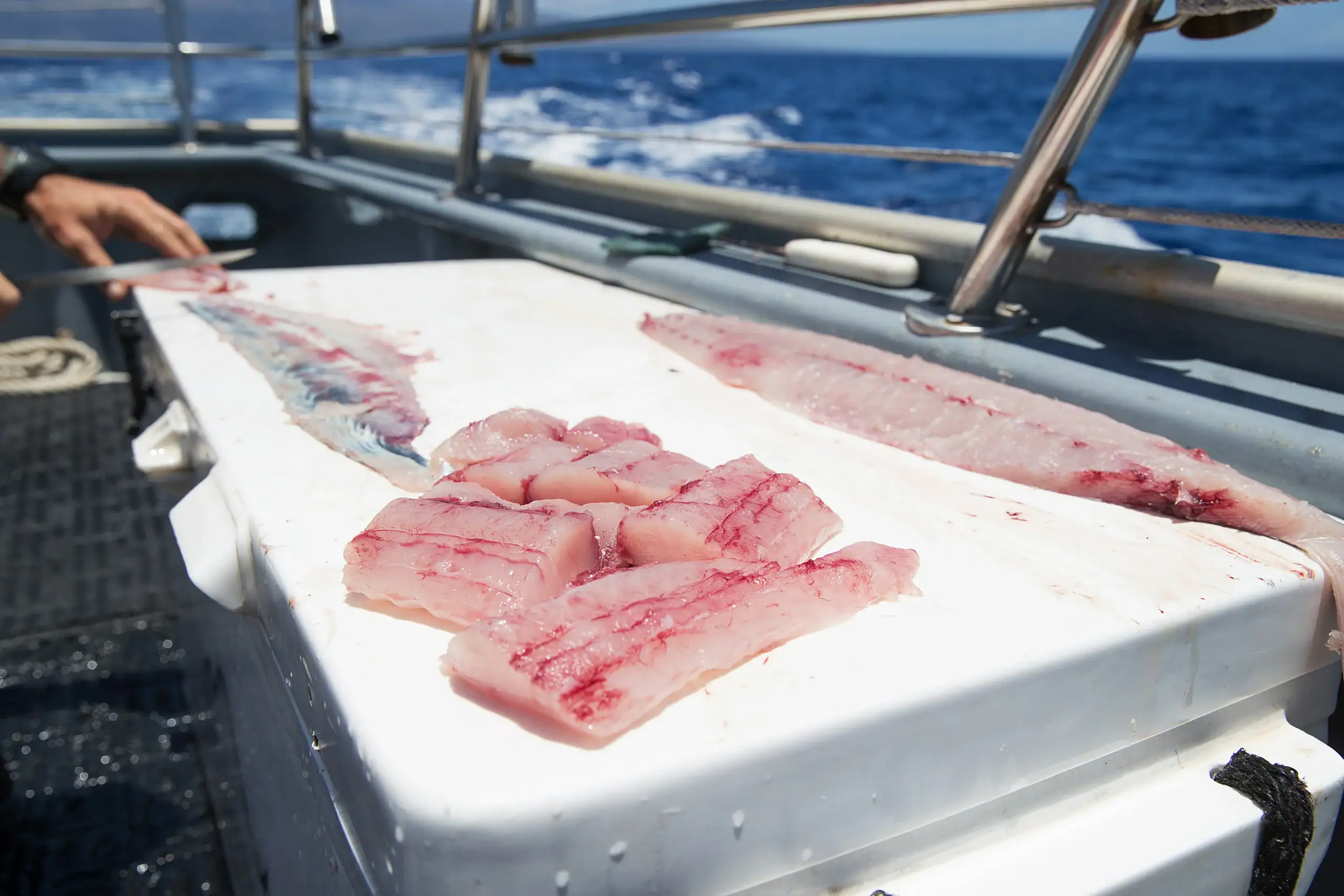
First, you’ll talk to someone who understands marine refrigeration—not a call center reading from a script. We ask specific questions about your symptoms, your boat, and your timeline to determine urgency and start forming a diagnosis before we even arrive.
When our technician shows up, we’re looking at your entire system: electrical supply and voltage levels, condenser coil condition, refrigerant pressures, door seals, insulation, and how the system was originally installed. Marine refrigeration problems often stem from installation issues or undersized components, not just failed parts. A proper diagnosis considers whether your batteries can actually support the system, whether your condenser has adequate ventilation, and whether the unit is appropriately sized for your space and usage.
You’ll get a clear explanation of what’s wrong, what it costs to fix, and whether repair makes sense versus replacement. No pressure, no runaround. If your system is running constantly because it’s undersized, you’ll hear that. If you’ve got a simple fix, you’ll hear that too. Once you approve the work, repairs happen efficiently with marine-grade components that can handle the environment. We test everything before leaving and make sure you understand how to avoid the same problem later.
Ready to get started?
Our marine refrigeration service includes complete system diagnostics using equipment designed for boat electrical systems—checking voltage under load, testing compressor performance, measuring refrigerant pressures, and evaluating whether your batteries and charging system can support your cooling needs. This matters in Sagaponack where boats often sit at anchor or mooring, relying entirely on battery power.
We cover all marine refrigeration types: holding plate systems common on sailboats, self-contained units, water-cooled condensers that use raw water from through-hulls, and air-cooled systems. Our boat air conditioning work includes both above-deck and below-deck units, addressing the unique challenges of cooling cabins in fiberglass boats where heat transfer differs completely from houses.
Installation work considers Sagaponack’s marine environment specifically. Saltwater accelerates corrosion, so proper component selection and installation techniques matter. We account for your boat’s electrical capacity, available space, ventilation requirements, and how you actually use your vessel. A boat that stays dockside with shore power needs different solutions than one that cruises extensively on battery power.
You also get access to 24/7 consulting when questions come up, preventive maintenance services to catch problems before they strand you, and emergency response when systems fail at the worst possible time. Free estimates mean you know costs upfront before committing to work.
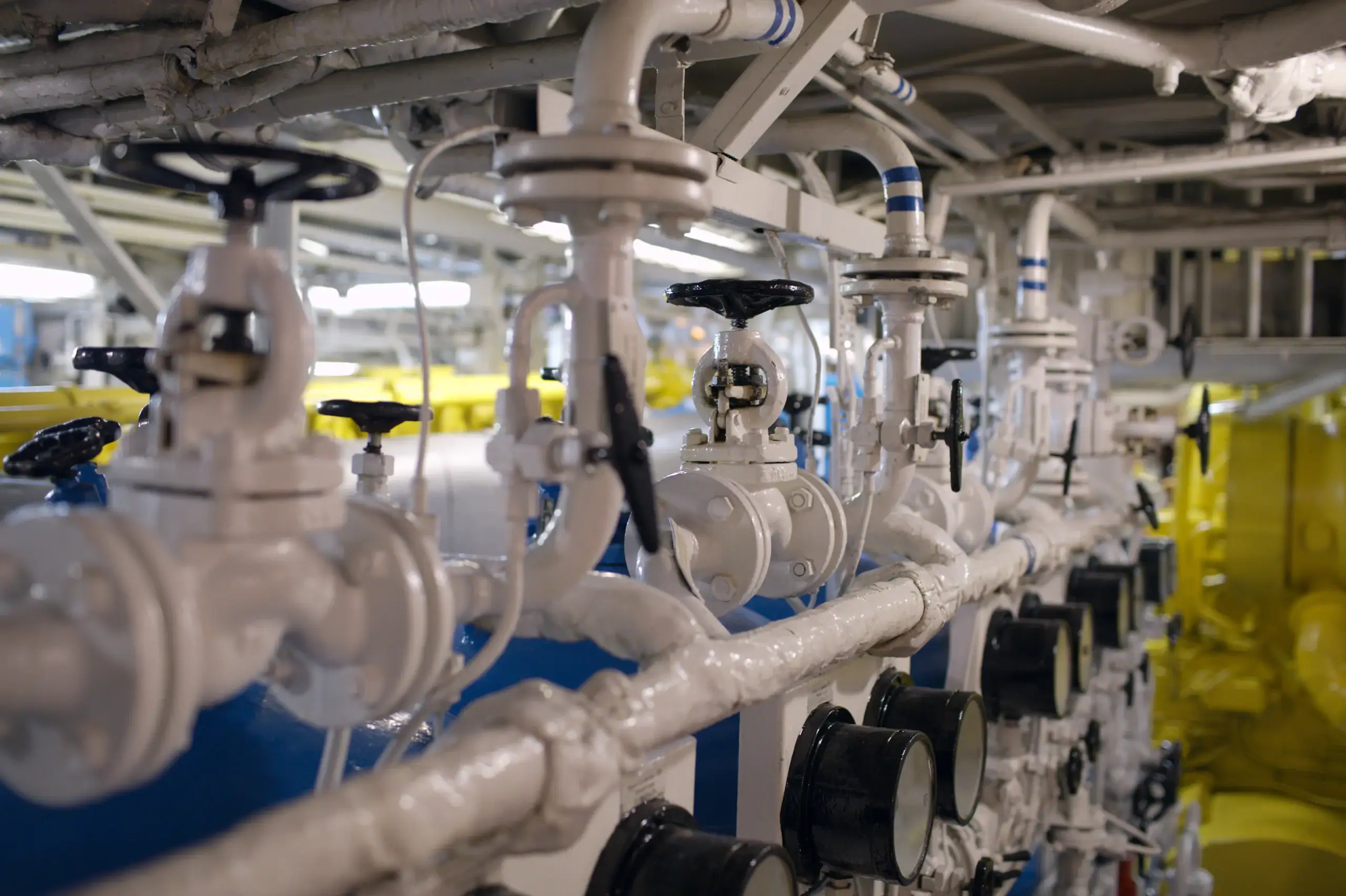
Constant running with inadequate cooling usually points to one of three issues. First, your system might be undersized for your actual needs—if you’re loading warm provisions or opening the door frequently, an underpowered compressor simply can’t keep up. Marine refrigeration systems are designed for efficiency, not the unlimited power available to your home refrigerator.
Second, you’ve likely got heat infiltration from poor insulation, failing door seals, or inadequate ventilation around the condenser. In Sagaponack’s summer heat and humidity, even small gaps in door seals let warm, moist air flood in constantly. Your compressor runs continuously trying to overcome this, draining batteries without ever catching up. Third, electrical issues like voltage drop from weak batteries or poor wiring connections starve the compressor of power. It runs, but can’t develop enough pressure to actually cool properly.
A proper diagnosis checks all these factors. Sometimes it’s a simple fix like adjusting door catches or cleaning condenser coils. Other times, you’re fighting an installation problem that needs correction. Either way, constant running isn’t normal and it’s destroying your battery capacity.
Marine systems operate in one of the harshest environments possible for refrigeration equipment. Your boat’s cooling system deals with constant motion and vibration that loosen connections and stress components. It faces saltwater spray and humidity that corrode electrical connections and metal parts. It runs on limited 12V or 24V DC battery power instead of unlimited 120V AC shore power, making efficiency critical.
The components themselves are different. Marine compressors are designed for low-voltage DC operation and variable speeds to conserve battery power. Water-cooled condensers use raw water pumped from through-hulls, requiring strainers, impellers, and seacocks that don’t exist in home systems. Installation must account for boat movement—refrigerant lines need proper support, electrical connections need marine-grade terminals, and components need mounting that won’t fail when you’re pounding through waves.
Troubleshooting requires understanding boat electrical systems, battery capacity calculations, and how charging systems work. A residential HVAC tech doesn’t know how to check whether your house batteries can support your refrigeration load, or whether your alternator provides adequate charging. These factors determine whether your system can actually work long-term, not just whether the compressor turns on. That’s why marine refrigeration requires specialized knowledge, not just general HVAC experience.
Repair costs vary significantly based on what’s actually wrong and how your system is configured. Simple fixes like replacing a thermostat, cleaning condenser coils, or adjusting door seals might run a few hundred dollars. Mid-range repairs like replacing a condenser fan motor, fixing refrigerant leaks, or addressing electrical issues typically fall in the $400 to $800 range depending on parts and labor involved.
Major component replacements like compressors or complete condenser units can reach $1,500 to $3,000 or more, especially on larger systems or when installation challenges exist. At that price point, you’re often better off evaluating whether upgrading to a more efficient system makes sense. Marine components cost more than residential equivalents because they’re built to withstand the harsh marine environment.
Emergency service outside normal hours typically costs more, which is why preventive maintenance makes financial sense. Catching a failing door seal or dirty condenser coil during scheduled service costs far less than emergency repairs when your system quits during a July heat wave with guests aboard. Free estimates let you know exactly what you’re facing before committing to work. The key is getting accurate diagnosis from someone who understands marine systems—misdiagnosis leads to paying for repairs that don’t solve your actual problem.
This decision depends on your system’s age, the repair cost, and whether your current setup actually meets your needs. If your system is less than seven years old and the repair costs less than half of replacement, repair usually makes sense. If you’re looking at major component failure on a system that’s ten-plus years old, replacement often provides better long-term value.
Consider what’s changed since your original installation. Newer marine refrigeration systems offer significantly better efficiency, meaning less battery drain and longer run times between charging. If you’ve added solar panels or upgraded your electrical system since the original install, a more efficient modern system might perform far better. Conversely, if your current system is undersized for how you actually use your boat, repair just extends an inadequate solution.
Also evaluate whether you’re fighting installation problems versus component failure. Sometimes systems fail repeatedly because they were installed incorrectly, sized wrong, or paired with inadequate electrical systems. Throwing parts at a poorly designed installation wastes money. A proper assessment looks at your entire setup—electrical capacity, ventilation, insulation, usage patterns—and recommends solutions that actually work for your situation.
The honest answer requires looking at your specific boat, system, and needs. That’s exactly what a thorough evaluation provides—real information to make an informed decision, not a sales pitch.
Regular maintenance dramatically reduces emergency breakdowns and extends system life. At minimum, condenser coils need cleaning several times per season, especially in Sagaponack’s marine environment where salt spray and humidity accelerate buildup. Dirty coils force your compressor to work harder, run longer, and eventually fail prematurely.
Door seals require inspection and cleaning to maintain proper closure. A simple test: close your refrigerator door on a dollar bill—if you can pull it out easily without resistance, your seal isn’t sealing properly. This lets warm, humid air infiltrate constantly, forcing your system to run continuously while never maintaining proper temperature. Electrical connections need checking for corrosion, especially on boats exposed to salt air. Corroded terminals create resistance, causing voltage drop that starves your compressor of power.
Water-cooled systems need additional attention: raw water strainers require cleaning, impellers need inspection and eventual replacement, and through-hull seacocks need operation to prevent seizing. These components fail gradually, reducing cooling efficiency long before they quit completely. Refrigerant levels should be checked periodically—slow leaks from vibration and corrosion are common on boats.
Professional maintenance also catches developing problems before they cause complete failure. We can hear bearing noise in a compressor before it seizes, spot refrigerant leaks before you lose all cooling, and identify electrical issues before they leave you stranded. Scheduled maintenance costs far less than emergency service during peak season when your system quits at the worst possible time.
Yes. With 40 years of experience across marine and commercial refrigeration, we’ve worked on virtually every brand and configuration you’ll find on boats in the Hamptons. This includes popular marine brands like Dometic, Frigoboat, Isotherm, Vitrifrigo, and Sea Frost, plus custom installations and commercial-grade units adapted for marine use.
We cover all system types: holding plate systems that store cold and work well on sailboats, self-contained units similar to household refrigerators, engine-driven systems that use your main engine’s compressor, and both water-cooled and air-cooled condenser configurations. Each type has unique service requirements and common failure points that come from experience, not guessing.
This also extends to marine air conditioning systems—both direct-expansion units and chilled water systems, covering brands like Cruisair, Marine Air, and others. The ability to handle both refrigeration and AC systems matters because many boats have both, and problems sometimes overlap. Electrical issues affect both systems. Seawater problems impact both if you’re running water-cooled condensers.
The real advantage isn’t just familiarity with brands—it’s understanding how these systems actually work in real-world marine conditions. That knowledge lets us diagnose problems accurately, source appropriate parts quickly, and repair systems correctly the first time. Whether you’ve got a standard production boat setup or a custom installation, our experience base covers it.