
Hear from Our Customers
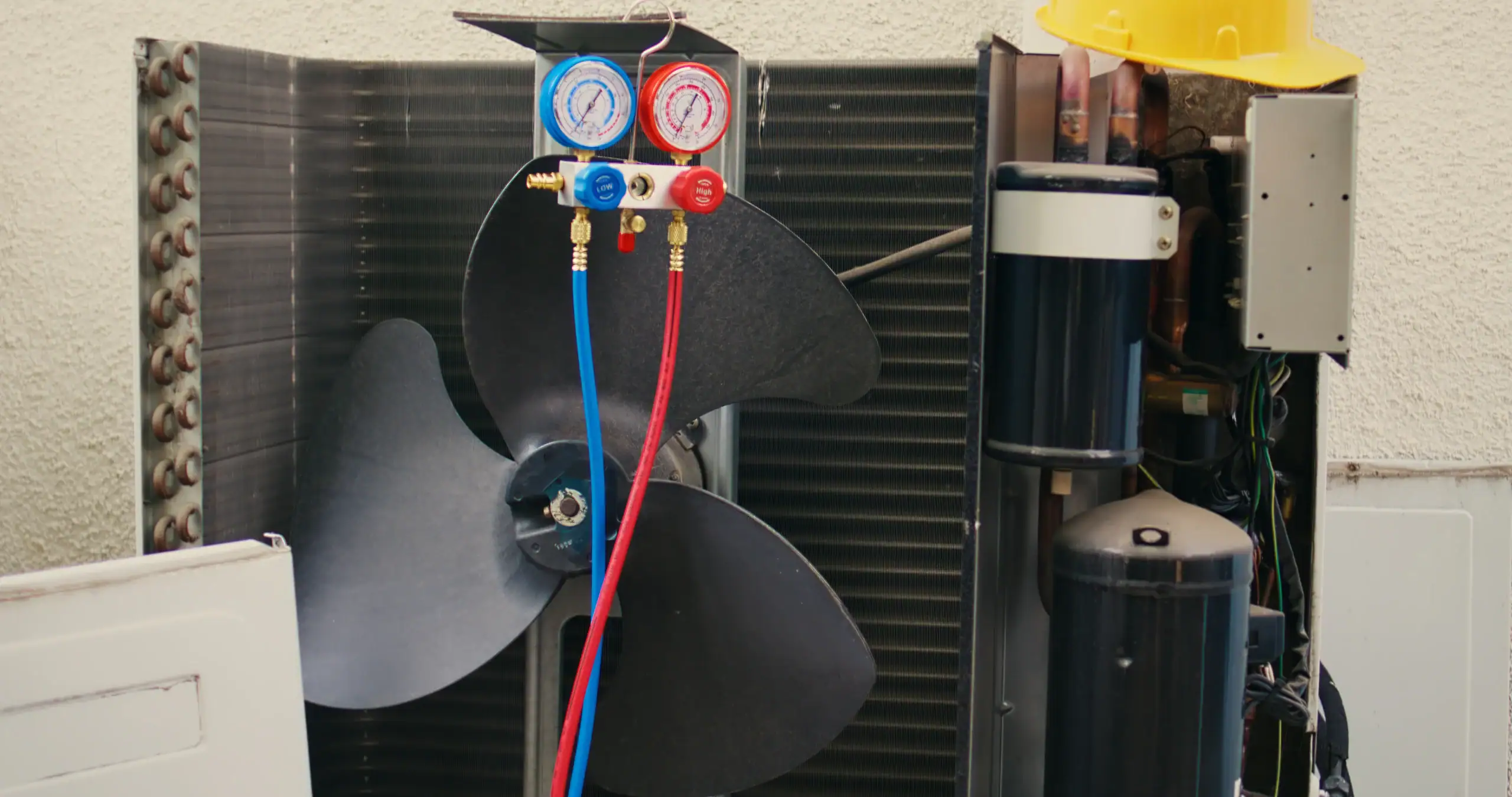
Your refrigeration system starts every time. Your food stays fresh during week-long trips. Your air conditioning keeps the cabin comfortable even when it’s 90 degrees on the water.
You don’t worry about system failures during peak season. You don’t lose hundreds of dollars in spoiled provisions. You don’t cut trips short because your cooling system quit.
That’s what happens when marine refrigeration is installed and maintained by people who actually understand saltwater environments, constant vibration, and the unique demands of boat systems.
We’ve been solving marine refrigeration problems in Sands Point and throughout Long Island for over 40 years. We’ve seen every type of system failure, every installation challenge, and every emergency that can happen on the water.
Sands Point boat owners know us because we show up when we say we will, fix what’s broken the first time, and explain exactly what went wrong. We’re the company marinas call when other contractors can’t figure it out.
We understand that your boat isn’t just transportation—it’s your escape, your investment, and sometimes your livelihood. That’s why we treat every repair like it matters.
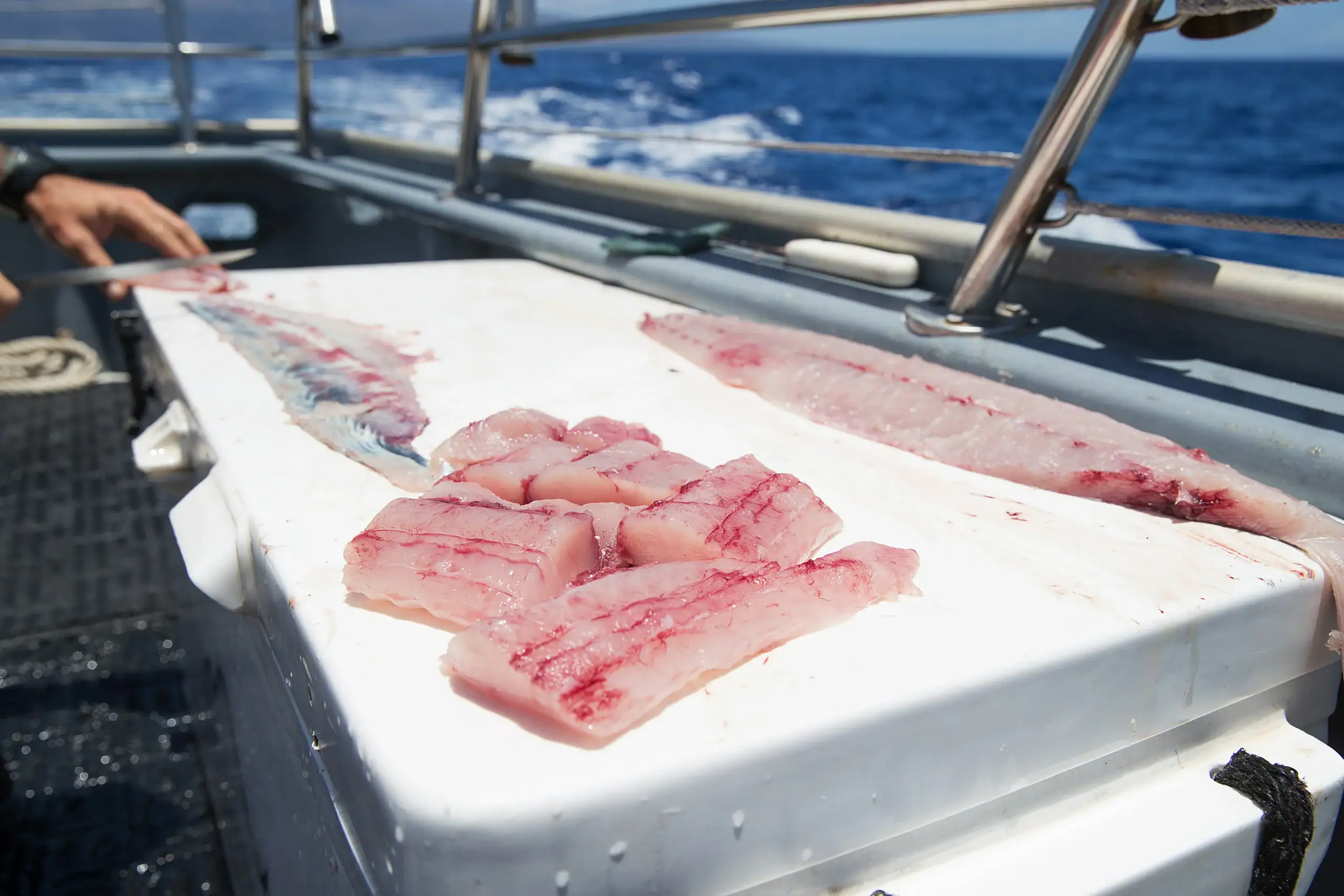
First, we diagnose the actual problem. Not just the symptoms, but what’s causing your system to fail. We test electrical connections, check refrigerant levels, and inspect components for saltwater damage or wear.
Next, we explain what’s wrong in plain English. You’ll know exactly what needs to be fixed, why it failed, and what it’ll cost before we start any work. No surprises, no hidden fees.
Then we fix it right the first time using marine-grade components designed for your environment. We test everything thoroughly before we leave your boat. You get a system that works reliably, not just temporarily.
Ready to get started?
We handle everything from simple refrigeration maintenance to complex custom cooling installations. AC repairs, refrigeration system overhauls, new installations, and emergency service calls.
Sands Point’s marine environment is tough on cooling systems. Salt air corrodes connections. Constant motion loosens fittings. Temperature swings stress components. We use marine-grade parts and installation techniques that account for these challenges.
Whether you’re running a 30-foot sportfish or managing a commercial vessel, we have the experience and equipment to keep your systems running. Custom solutions for unique spaces, standard repairs for common problems, and emergency service when you’re stuck.
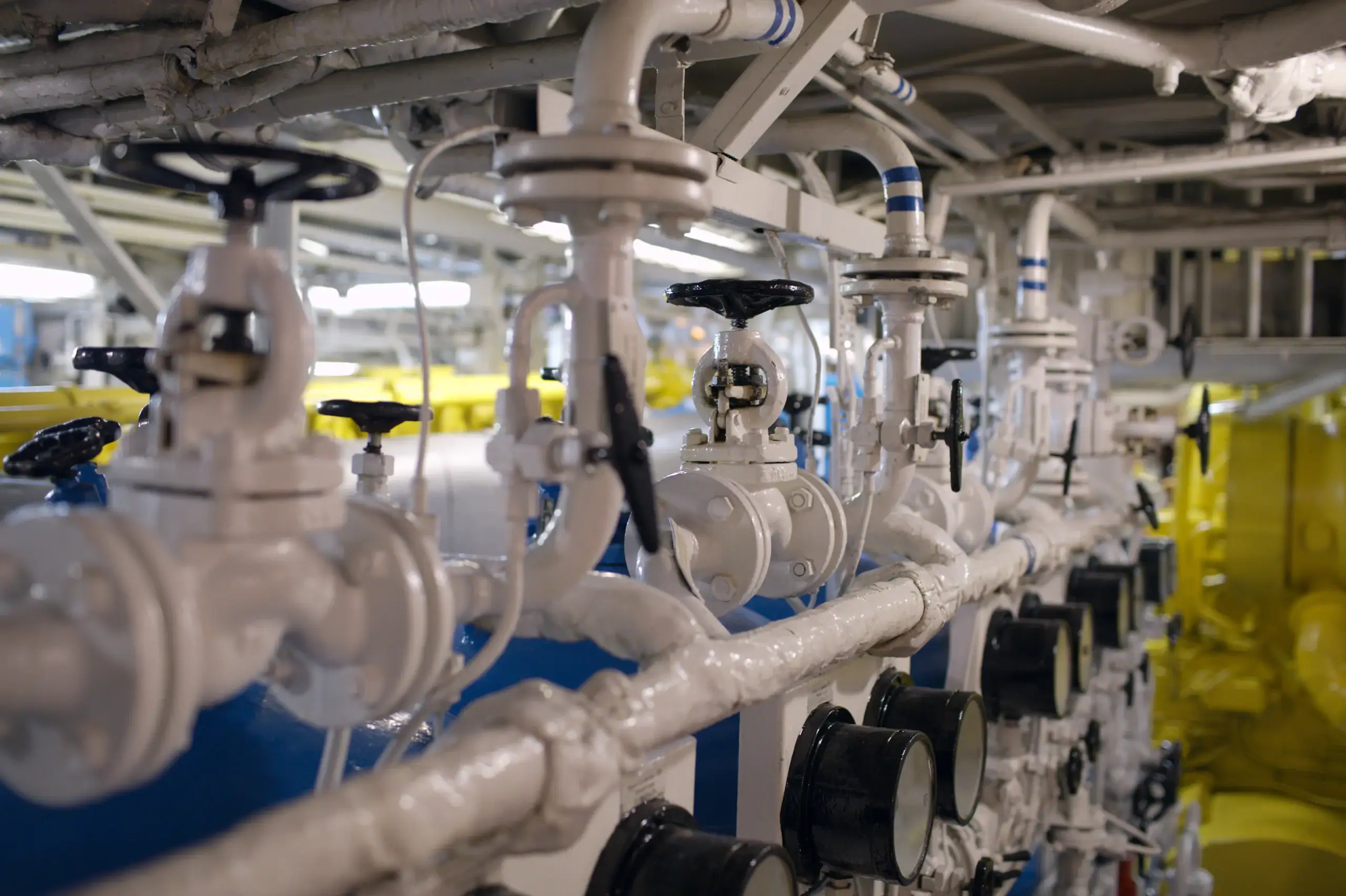
Most marine refrigeration systems need professional service twice a year—once before the season starts and once mid-season. This isn’t just routine maintenance; it’s prevention.
We check refrigerant levels, clean condenser coils, inspect electrical connections, and test safety systems. These checks catch small problems before they become expensive failures. A loose connection or dirty coil can kill your compressor, which costs thousands to replace.
If you use your boat heavily or run in particularly harsh conditions, quarterly service makes more sense. The investment in regular maintenance typically saves you 3-4 times what you’d spend on emergency repairs.
Intermittent AC operation usually points to electrical issues, low refrigerant, or a failing compressor. In marine environments, corrosion on electrical connections is the most common culprit.
Saltwater and salt air create resistance in connections, causing voltage drops that make compressors cycle on and off. Sometimes the system works fine at the dock but fails under load when you’re running at speed.
We start by testing all electrical connections and measuring actual voltage at the compressor. If connections are clean and voltage is good, we check refrigerant levels and compressor operation. Most intermittent problems have straightforward fixes once you find the real cause.
Almost any boat can accommodate marine refrigeration, but the installation approach varies significantly based on available space, power systems, and intended use.
Smaller boats might need 12V DC systems that run off your house battery bank. Larger vessels can support 120V AC systems or engine-driven compressors. The key is matching the system capacity to your actual cooling needs and available power.
We measure your space, calculate heat load, and assess your electrical system before recommending equipment. Custom installations often work better than trying to force standard units into unique spaces. Every boat is different, and cookie-cutter solutions usually create problems.
Marine systems face constant motion, salt air, temperature extremes, and limited power—conditions that destroy regular refrigeration equipment quickly.
Marine compressors have different mounting systems to handle vibration. Condensers use materials that resist saltwater corrosion. Electrical components are sealed against moisture. Even the refrigerant lines are secured differently to prevent fatigue from constant movement.
Power management is also critical. Marine systems need to be efficient because you’re running on limited battery power or generator time. We size systems to cool effectively without draining your batteries or requiring constant generator operation.
Simple repairs like replacing a thermostat or cleaning connections typically run $200-400. Compressor replacement or major system overhauls can cost $1,500-3,500 depending on the system size and complexity.
Emergency service calls cost more than scheduled maintenance, but we don’t inflate prices just because you’re stuck. Our diagnostic fee applies toward repair costs, and we always provide written estimates before starting major work.
The most expensive repairs are usually preventable with regular maintenance. A $300 annual service typically prevents thousands in emergency repairs. We’d rather keep your system running than sell you expensive fixes.
Yes, we provide 24/7 emergency consultation and same-day service when possible. Marine refrigeration failures don’t wait for business hours, especially during peak boating season.
Emergency service includes phone diagnosis to determine if the problem requires immediate attention or can wait for regular service hours. Many issues can be temporarily resolved with guidance over the phone until we can reach your location.
For true emergencies—like total system failure with expensive provisions on board—we prioritize getting a technician to your boat or marina quickly. Emergency rates apply, but we don’t take advantage of desperate situations with unreasonable pricing.