Hear from Our Customers
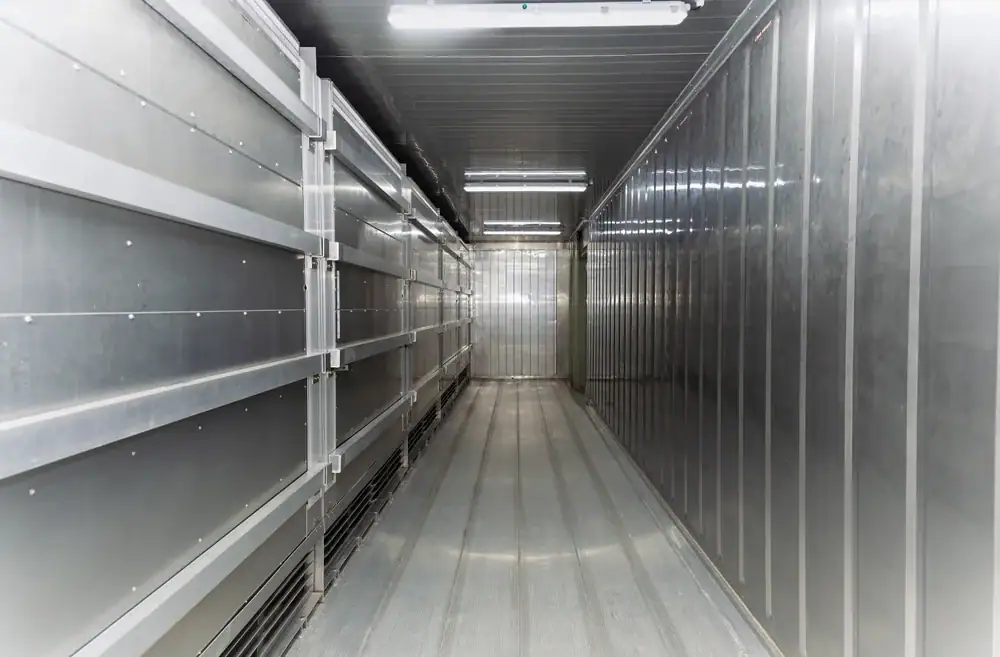
Long Island summers push compressors harder than most climates. Winter cold cracks door seals. Humidity from being surrounded by water stresses every component in your walk-in cooler or freezer.
You need refrigeration systems designed for this. Not just installed, but sized correctly for your actual usage, your door traffic, your busiest days. Most failures happen because the system was never right to begin with—undersized for the load, or installed by someone who didn’t account for how a restaurant on Route 25A operates versus a catering hall in Massapequa.
When your system is built right from day one, you’re not calling for emergency repairs every summer. You’re not replacing compressors every few years. You’re running a business without wondering if your walk-in will make it through the weekend.
We’ve been handling commercial refrigeration across Nassau and Suffolk County since before most of your competitors opened their doors. That’s not just time—it’s thousands of service calls, hundreds of installations, and every type of failure you can imagine.
We’re the team that airports, catering halls, and yacht clubs call when the job is complex or the stakes are high. We handle marine HVAC systems that most contractors won’t touch because they don’t understand seawater cooling or marine-grade components. We design beer systems that require precise temperature control and custom configurations.
Plainedge businesses don’t need another contractor who shows up, patches the problem, and leaves. You need someone who knows why your system failed and how to prevent it from happening again. That’s what four decades of experience gets you.
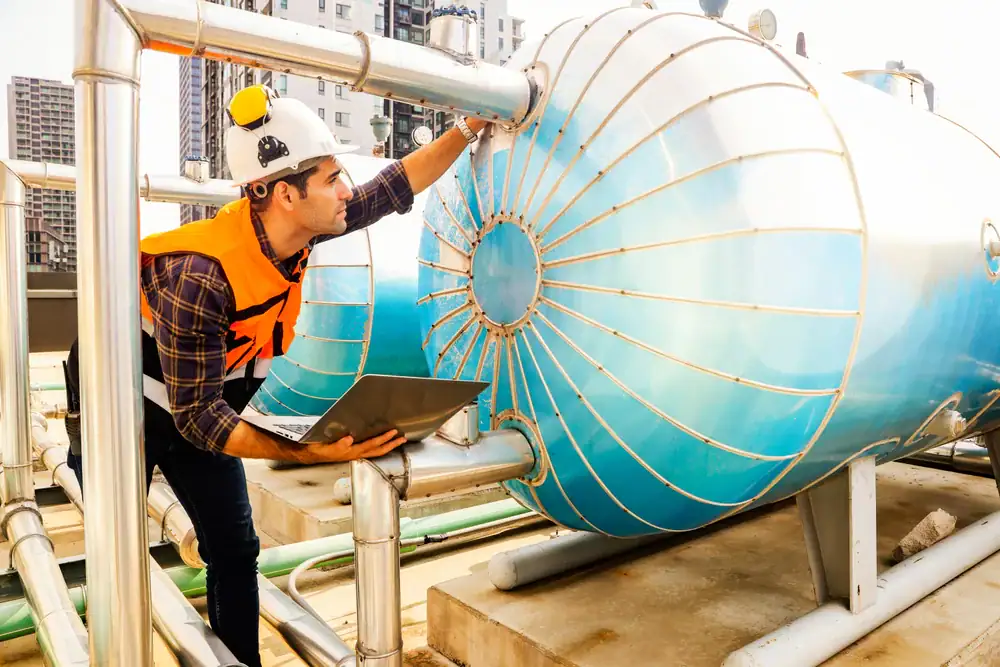
Every installation starts with understanding how you actually use your space. We measure your square footage, but we also ask about door openings, peak hours, product load, and what happens during your busiest season. A deli in Plainedge has different needs than a seafood market in Bay Shore.
From there, we design a system with enough capacity for your worst-case scenario—not your average day. Undersized systems run constantly, break faster, and cost more to operate. We size compressors, evaporators, and condensers to handle your real-world conditions, including Long Island’s humidity and summer heat.
Installation means setting equipment that’s accessible for future service, using quality components that won’t corrode in our coastal climate, and testing everything under load before we leave. You get a system that’s built to run for 15+ years, not just pass inspection. And when you need service down the road, our trucks carry parts for every major brand—most repairs happen the same day.
Ready to get started?
When your walk-in cooler stops working at 9 PM on a Friday, you don’t have time to wait until Monday. Our 24/7 emergency refrigeration service means someone answers the phone, diagnoses the problem, and gets to your location in Plainedge or anywhere in Nassau County within hours—not the next day.
Most refrigeration failures come down to dirty coils, worn door seals, or refrigerant leaks. Our technicians carry parts for these common issues, plus components for every major brand. Same-day repairs happen on about 80% of service calls. When a permanent fix requires ordering parts, we provide temporary solutions so you’re not losing inventory overnight.
Restaurants and food service operations in Plainedge can’t afford downtime. Every hour your freezer is down, you’re throwing away product and potentially facing health department issues. Our maintenance customers get priority response and routinely run their equipment for 15+ years because we catch small problems—a failing fan motor, a refrigerant leak, a worn compressor—before they become expensive emergencies. That’s the difference between paying for prevention and paying for panic.
Most walk-in cooler installations in Plainedge take one to three days depending on size and complexity. A standard 8×10 walk-in for a restaurant might be operational in a day if the electrical and space prep are ready. Larger systems, custom configurations, or jobs requiring significant electrical work take longer.
The timeline depends on whether you’re replacing an existing unit or installing in new space. Replacements are faster because the infrastructure is already there. New installations require running electrical lines, possibly upgrading your panel, ensuring proper drainage, and sometimes modifying the space to fit the unit.
We don’t rush installations to hit a timeline. A walk-in cooler installed correctly the first time will run for 15+ years. One that’s rushed or improperly sized will cost you thousands in repairs and lost inventory. We’d rather take an extra day and do it right than leave you with a system that fails in two years.
Dirty condenser coils are the number one killer of refrigeration systems in Nassau and Suffolk County. When coils get clogged with dust, grease, or debris, your compressor works harder, runs hotter, and fails faster. In a coastal climate like Long Island, salt air accelerates corrosion and buildup.
Worn door seals are the second most common issue. When seals crack or lose their grip—especially during winter when cold makes rubber brittle—warm, humid air gets inside your walk-in. Your system runs constantly trying to compensate, which burns out compressors and evaporator fans.
Refrigerant leaks are the third major problem. Small leaks reduce cooling capacity gradually, so you might not notice until your system can’t keep up during summer heat. By then, your compressor has been working overtime for months and might be damaged. Regular maintenance catches these issues early, before they become expensive failures.
Businesses without maintenance contracts typically pay three to five times more annually for repairs and experience four times more downtime. An emergency compressor replacement might cost $3,000 to $5,000 plus the value of lost inventory. A maintenance plan that catches the failing component early might cost $500 to replace the part before it damages the compressor.
Emergency calls also come with premium pricing because you’re pulling a technician away from scheduled work, often after hours or on weekends. Parts cost more when you need them immediately versus ordering them in advance. And when you’re in crisis mode, you don’t have time to get multiple quotes—you pay what it costs to get running again.
Our maintenance customers in Plainedge pay a predictable monthly or annual fee and get priority service, discounted repairs, and systems that last years longer. You’re essentially choosing between paying a little consistently or paying a lot unpredictably. Most businesses that experience one major failure quickly realize maintenance is cheaper than gambling on emergency repairs.
Yes. We service and repair all major commercial refrigeration brands regardless of who installed them. Our technicians are trained on equipment from manufacturers like Heatcraft, Bohn, Copeland, and dozens of others. We carry parts for the most common systems and can source components for specialty equipment.
Many businesses in Plainedge call us after their original installer went out of business, stopped servicing Long Island, or couldn’t diagnose a recurring problem. We’ve repaired systems that were improperly installed, undersized for the application, or simply neglected for years. Sometimes the fix is straightforward—replacing a component or correcting a refrigerant charge. Other times we discover the system was never right and recommend replacement.
We’ll always tell you honestly whether repair makes sense or if you’re throwing money at a system that’s going to keep failing. If your 20-year-old walk-in cooler needs a $4,000 compressor and will likely need other major components soon, replacement might be smarter. We give you the information to make the right call for your business, not just the call that makes us the most money today.
Marine HVAC systems are significantly more complex than land-based commercial refrigeration. Boats deal with space constraints, power limitations, constant motion, saltwater corrosion, and the need for marine-grade components that meet Coast Guard and ABYC standards. A system that works fine in a restaurant will fail quickly on a yacht.
Marine systems often use seawater for cooling instead of air-cooled condensers. This requires specialized pumps, heat exchangers, and materials that resist corrosion. Electrical systems run on different voltages—often 12V, 24V, or 32V DC instead of standard 120V or 240V AC. Space is tight, so components must fit in engine rooms or small compartments while still being accessible for service.
Most HVAC contractors won’t touch marine work because they don’t have the training or experience. We specialize in both commercial refrigeration and marine systems. We work with yacht clubs, marinas, and boat owners throughout Nassau County who need contractors that understand the unique challenges of keeping systems running on the water. It’s a different skill set, and it requires different parts, tools, and knowledge than standard commercial work.
Age is the first indicator. Most commercial refrigeration systems last 10 to 15 years with proper maintenance. If yours is approaching or past that range and needs a major repair—compressor, evaporator, condenser—replacement often makes more financial sense than sinking thousands into an old system.
Frequent repairs are the second sign. If you’re calling for service every few months, you’re likely dealing with a system that’s worn out or was never sized correctly for your needs. At some point, you’re spending more on repairs annually than a new system would cost, plus you’re dealing with constant downtime and stress.
Rising energy bills indicate your system is working harder than it should. Older equipment is less efficient, and failing components force the system to run constantly. A new, properly sized system can cut your energy costs by 20% to 40% while providing better temperature control. We can evaluate your current system, calculate your repair and operating costs, and show you exactly what replacement would cost versus continuing to repair. Then you decide what makes sense for your business.