Hear from Our Customers
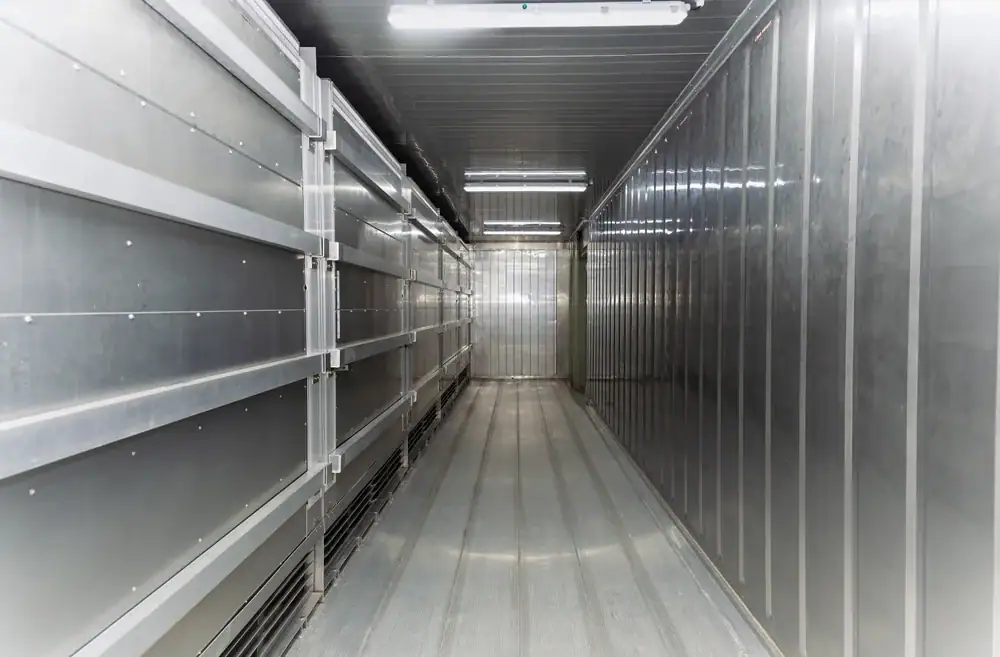
Your walk-in cooler hums along at 38 degrees. Your reach-in freezer holds steady at zero. Your ice machine cranks out cubes without you thinking about it.
That’s what working refrigeration systems feel like. No 2 AM panic calls. No scrambling to move inventory. No explaining to the health inspector why your temps spiked overnight.
You’re not wondering if your compressor will make it through summer. You’re not watching your electric bill climb because dirty coils are forcing your system to work twice as hard. You’re running your restaurant, deli, or grocery store the way it should run.
When refrigeration works right, it’s invisible. When it doesn’t, it’s the only thing that matters. The difference comes down to who’s maintaining your equipment and how fast they show up when something breaks.
In Centereach and across Long Island, restaurants and food service businesses deal with the same reality: refrigeration problems don’t wait for convenient times. A failed compressor on a Friday night. A walk-in that stops cooling before your weekend rush. A freezer that quits with a week’s worth of inventory inside.
We’ve been handling commercial refrigeration and marine HVAC across Long Island for over 40 years. That means we’ve seen every brand, every failure mode, and every creative way a compressor can quit on a Saturday night.
Our trucks stay stocked with parts for the systems most Centereach businesses actually use. We’re not showing up empty-handed and making multiple trips. About 70% of our emergency calls get fixed on the spot.
The other 30% get temporary solutions to keep you running while we order what you need. Because a restaurant can’t just close for three days while parts ship. We know that. We plan for it.
Centereach businesses call us because we answer. 24/7 means you talk to a technician who can help, not a voicemail. We’ve earned dozens of five-star reviews by showing up fast and fixing the actual problem, not just the symptom.
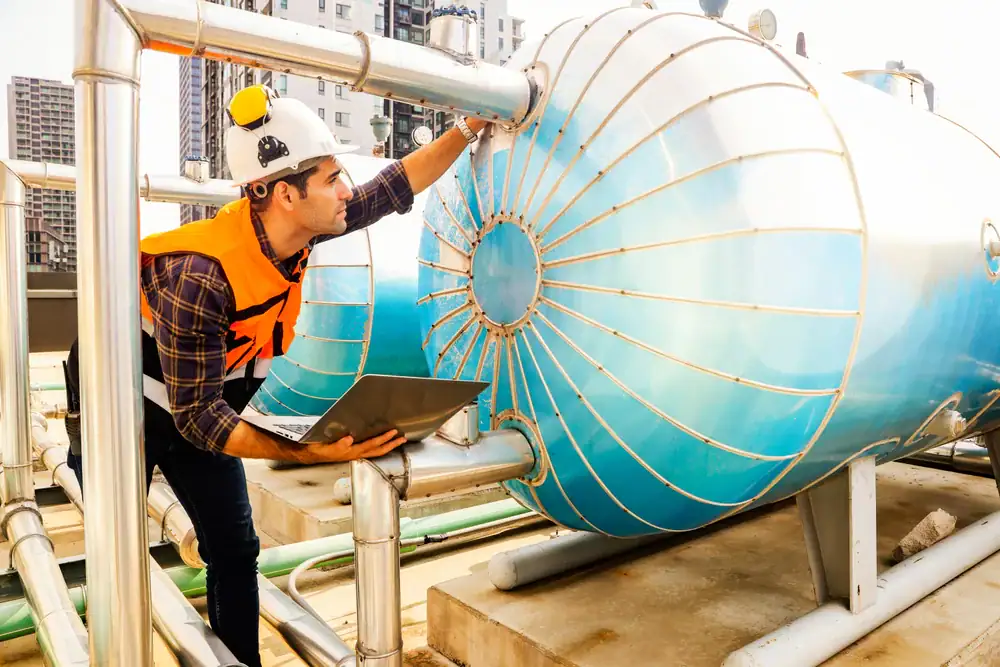
You call. We answer. If it’s an emergency, we’re talking to you about immediate steps while our truck is already moving toward your location.
We show up and diagnose the real problem. Not just what broke, but why it broke. A failed fan motor might be the obvious issue, but if your condenser coils are caked with grease and dust, that motor will fail again in six months. We fix both.
Most repairs happen same-visit. Our emergency trucks carry compressors, thermostats, door seals, fan motors, and the other parts that actually fail. If we need something specialized, we get your system stable first, then order what’s needed.
For maintenance customers, we’re there before problems start. We clean condenser coils, check refrigerant levels, test electrical connections, and catch the small stuff before it becomes expensive. A $129 spring tune-up beats a $4,000 August replacement.
After the work, we test everything. We don’t leave until your temps are where they should be and your system is running clean. Then we explain what we did and what to watch for, so there’s no confusion about what just happened or what comes next.
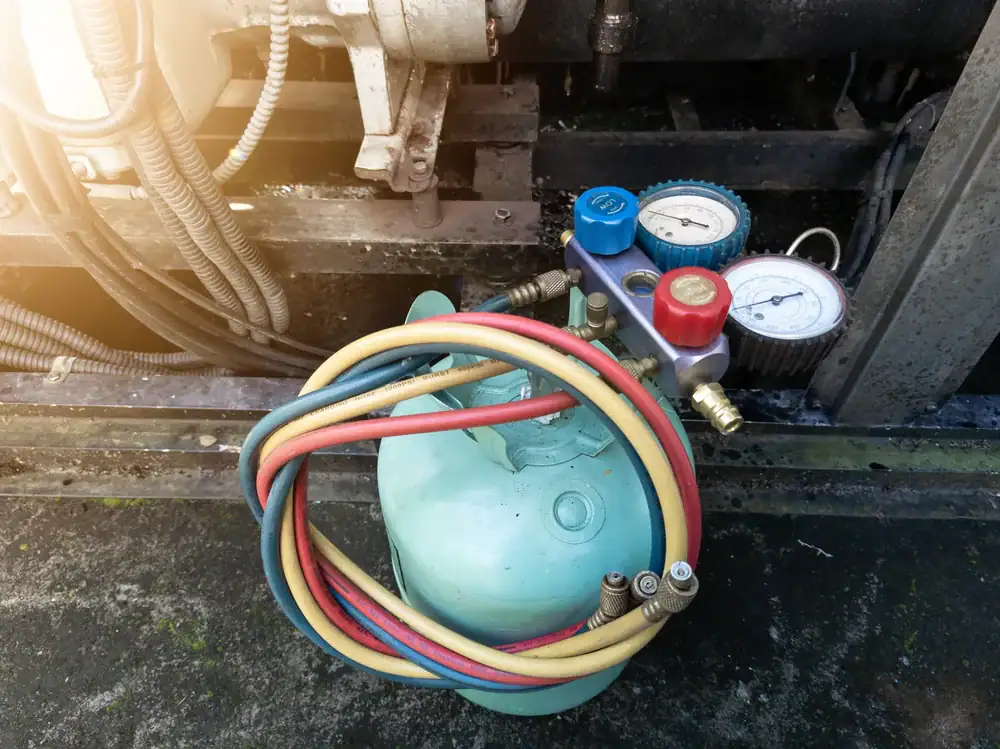
Ready to get started?
Emergency refrigeration repairs run 24/7 because your cooler doesn’t care that it’s Sunday. We handle walk-in coolers, reach-in freezers, ice machines, display cases, and prep table refrigeration. If it’s supposed to stay cold, we fix it.
Refrigeration maintenance keeps systems running longer and cheaper. Clean coils drop your electric bill by 25%. Regular checks catch failing parts before they take down your whole system during your busiest week. Our maintenance customers call us less for emergencies because their equipment doesn’t fail as often.
New refrigeration installation means sizing your system correctly the first time. Undersized units run constantly and die early. Oversized units cycle too much and waste energy. We match your actual needs, not what’s easiest to install.
In Centereach, the coastal humidity affects how hard your refrigeration systems work. Salt air accelerates wear on condenser coils and electrical components. We account for that. Systems near the water need more frequent coil cleaning and closer monitoring of corrosion-prone parts.
Food service refrigeration has zero margin for error. Your health department inspector doesn’t care why your temps were off. We keep your systems compliant, your logs clean, and your inventory safe. Restaurants, delis, catering halls, grocery stores—we’ve handled them all.
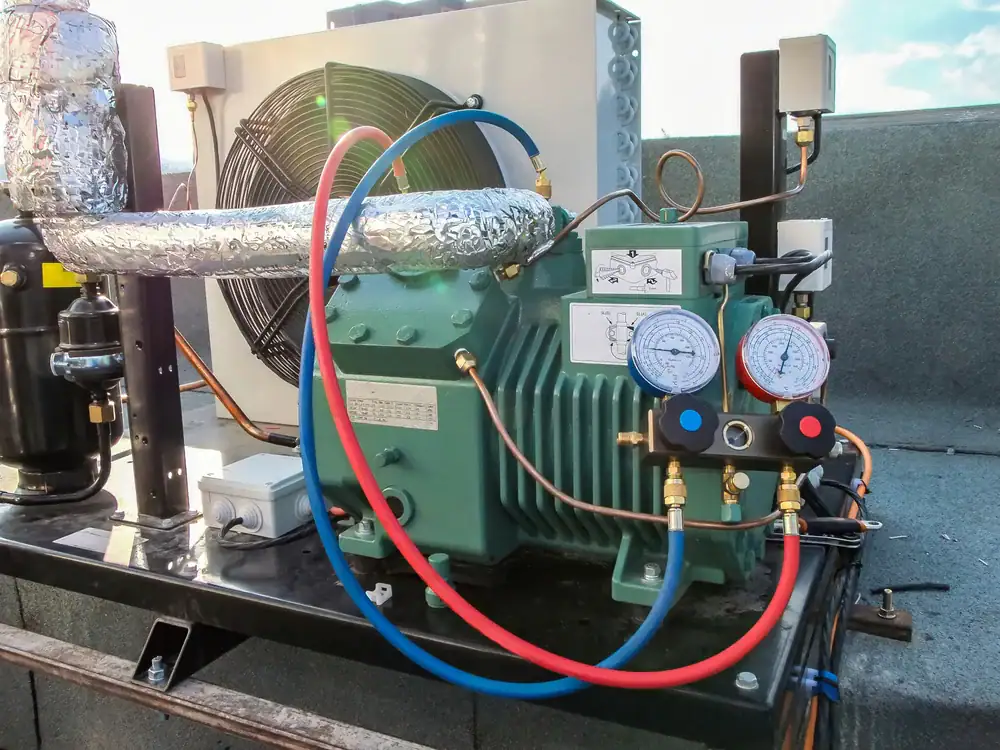
When you call our emergency line, you’re talking to a technician within minutes. Not a call center. Not a voicemail. Someone who can walk you through immediate steps while we’re driving to your location.
Most Centereach calls get a truck on-site within 45 minutes to an hour, depending on where we’re coming from and what else is happening that night. We’re not making promises we can’t keep, but we’re moving fast because we know what’s at stake.
If your walk-in is failing and you’ve got thousands of dollars of inventory inside, every minute counts. We get that. Our emergency response is built around speed and stocked trucks, so we can actually fix your problem when we arrive, not just diagnose it and leave.
A standard maintenance visit runs around $129 and catches problems before they explode. An emergency repair at 2 AM on a Saturday starts higher and climbs from there, especially if we’re replacing major components like compressors.
Emergency rates reflect reality. Technicians working overnight and weekends cost more. Parts ordered rush cost more. The repair itself often costs more because something that could have been a simple fix three weeks ago is now a complete failure.
Maintenance customers save two ways. Fewer emergency calls because we’re catching issues early. Lower energy bills because clean, well-maintained systems use 25% less electricity than neglected ones. A compressor that’s not fighting dirty coils lasts years longer. The math isn’t complicated.
We handle the major commercial brands that Centereach businesses actually use. True, Turbo Air, Beverage-Air, Hoshizaki, Manitowoc, Scotsman—if it’s in a restaurant or grocery store on Long Island, we’ve worked on it.
Forty years in this business means we’ve seen everything. Old equipment that’s been running since the ’90s. Brand new installs with digital controls and smart monitoring. Walk-in coolers custom-built for specific spaces. Reach-in units stacked three high in tight prep kitchens.
Our trucks carry parts for common repairs across multiple brands. We’re not brand-loyal in a way that hurts you. If your current system is worth fixing, we fix it. If it’s time to replace, we’ll tell you straight and explain why.
Dirty condenser coils kill more refrigeration systems than anything else. When coils get caked with grease, dust, and debris, your compressor works 40% harder to do the same job. That extra strain shortens its life by years and spikes your electric bill.
Door seals are the second biggest issue. A worn seal lets warm air in constantly, forcing your system to run nonstop trying to maintain temp. Most operators don’t notice until their energy bill jumps or their cooler can’t keep up on hot days.
Refrigerant leaks happen, especially in older systems or units exposed to salt air near the coast. Low refrigerant means poor cooling and potential compressor damage. We find the leak, fix it properly, and recharge the system to spec.
Electrical problems show up as intermittent failures that are hard to diagnose. A loose connection or failing relay might work fine most of the time, then quit randomly. We test everything and fix the root cause, not just reset the breaker and hope.
Age matters. A 15-year-old compressor that just failed probably isn’t worth a $3,000 repair when a new, more efficient system costs $6,000. A three-year-old unit with a bad fan motor? That’s a repair.
Frequency of breakdowns tells the story. If we’re out every few months fixing something new, you’re throwing money at a dying system. One major repair might make sense. Four repairs in a year means it’s time to replace.
Energy efficiency has improved dramatically in the last decade. If your system is old enough, the energy savings from a new unit can offset the purchase cost over a few years. We’ll run those numbers with you honestly.
We give you options and real costs for both paths. Repair gets you running now but might be temporary. Replacement costs more upfront but solves the problem permanently. We’re not pushing you either way—we’re giving you the information to decide what makes sense for your business.
We start by checking your temps and making sure everything is actually running at spec. Then we clean your condenser coils thoroughly—this is the single biggest thing that extends equipment life and cuts energy costs.
We inspect door seals for wear, test your thermostats for accuracy, and check refrigerant levels. We look at electrical connections for signs of corrosion or looseness. We test your defrost cycles and make sure drainage is clear.
Fan motors get checked for unusual noise or vibration. Compressors get inspected for oil levels and signs of strain. We’re looking for anything that’s starting to fail, so we can fix it during a scheduled visit instead of at 3 AM when your system quits.
You get a clear report of what we found and what needs attention. If something needs replacement soon, we tell you and explain why. If everything looks good, we tell you that too. The goal is keeping your equipment running reliably, not selling you services you don’t need.