Hear from Our Customers
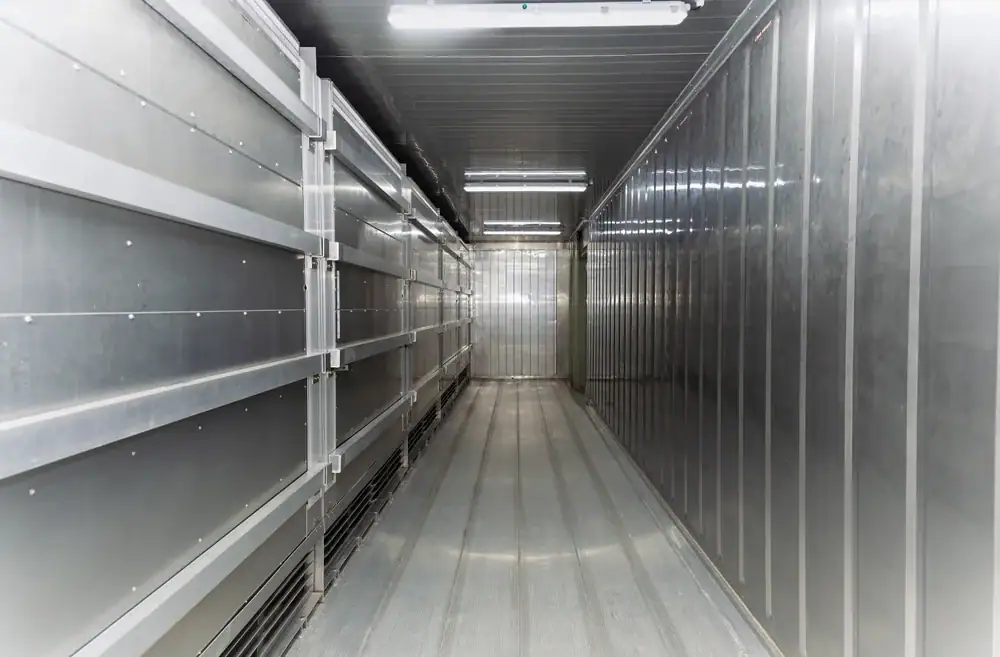
Your walk-in stays at temperature through summer heat waves and winter freezes. No surprise failures during your busiest service hours. No scrambling to save inventory at 2 AM because your system gave out.
That’s what happens when your refrigeration systems are designed for coastal environments and maintained by people who understand the difference between a quick fix and a real solution. Salt air eats through standard equipment in months. Humidity creates issues most techs never see inland. Your location demands equipment and service that account for these realities.
When your refrigeration works right, you’re not thinking about it. You’re running your business, serving customers, and sleeping through the night. That’s the baseline you should expect.
We’ve handled commercial refrigeration across Long Island since the early 1980s. We’ve seen what works in Massapequa Park’s coastal climate and what fails in six months.
Our team specializes in both commercial refrigeration and marine HVAC. That dual focus matters because waterfront businesses face challenges most refrigeration companies never encounter. We’ve installed systems in airport facilities, catering halls handling 500-person events, busy delis, and marine operations where salt spray is a daily reality.
You’ll find dozens of five-star reviews from businesses that needed their systems fixed right the first time. We’re available 24/7 because refrigeration emergencies don’t wait for business hours.
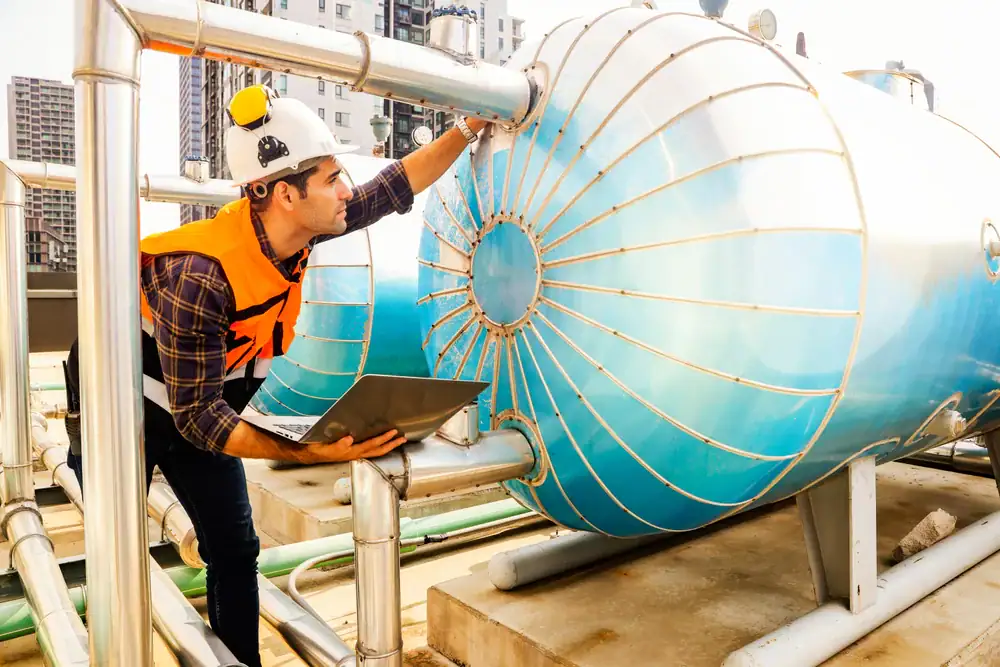
When your system fails, you call and we respond within two hours. Our techs carry extensive parts inventory to handle most commercial refrigeration repairs on the spot. If it’s a compressor failure, condenser issue, or refrigerant leak, we diagnose it fast and explain exactly what’s wrong before we touch anything.
For new installations or system replacements, we start with a free on-site assessment. We measure your space, calculate your actual cooling load based on your operation, and account for Massapequa Park’s coastal conditions. You get a detailed written estimate with no surprises.
Installation happens on your schedule. We work nights and weekends if that’s what keeps your business running. Once your system is operational, we test every component, verify temperatures, and walk you through basic maintenance you can handle yourself.
Ongoing maintenance keeps small problems from becoming expensive failures. We check refrigerant levels, clean condenser coils that accumulate salt residue, inspect electrical connections, and catch wear before it causes downtime. Most businesses on our maintenance plans see 30% lower repair costs and far fewer emergency calls.
Ready to get started?
You get emergency refrigeration repairs any time, day or night. Walk-in coolers, reach-in units, display cases, ice machines, beer cooling systems, glycol chillers. If it keeps things cold in a commercial setting, we handle it.
Massapequa Park sits close enough to the water that salt air is a constant factor. Standard condenser coils corrode fast here. We install salt-spray rated components that meet coastal standards and actually last. Your equipment needs protection that accounts for humidity levels and temperature swings that come with being this close to the Atlantic.
Food service refrigeration has zero margin for error. Health department regulations require specific temperatures. Your customers expect fresh ingredients. One system failure during a weekend rush can cost you thousands in spoiled food and lost revenue. Our refrigeration maintenance plans catch problems during scheduled service, not during your dinner rush.
New installations include load calculations specific to your operation, equipment selection based on your actual needs rather than what’s easiest to source, and installation that meets all local codes. We handle permitting, inspections, and coordination with your other contractors if you’re doing broader renovations.
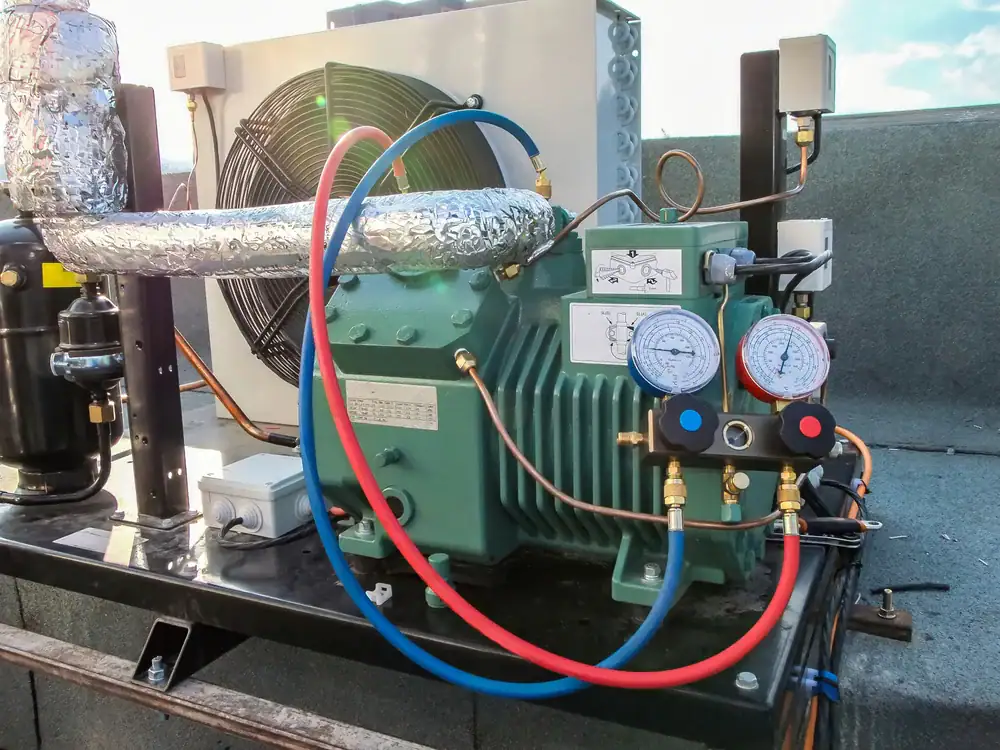
We respond to emergency refrigeration calls within two hours, 24/7. That includes nights, weekends, and holidays.
When your walk-in goes down, every hour costs you money in spoiled inventory and lost business. Our emergency techs carry parts for the most common commercial refrigeration failures—compressors, fan motors, contactors, refrigerant for immediate recharge. Most emergency repairs get completed the same day we arrive.
If your system needs a major component we don’t stock on the truck, we source it immediately and return to complete the repair as fast as possible. You’ll know the timeline and cost before we start work. No surprises, no waiting days for a callback.
Salt air corrodes metal components, particularly condenser coils and electrical connections. Massapequa Park’s proximity to the water means your equipment faces conditions that destroy standard systems in a fraction of their expected lifespan.
Condenser coils pull in air to cool refrigerant. When that air carries salt particles, those particles accumulate on the coils and accelerate corrosion. Corroded coils lose efficiency first, then start leaking refrigerant, then fail completely. Standard coils might last 10-12 years inland. Near the coast, you’re lucky to get five years without proper protection.
We install condenser coils rated for salt-spray environments that meet ASTM B117 standards. These coils cost more upfront but last significantly longer in coastal conditions. Regular maintenance includes cleaning accumulated salt residue before it causes damage. That combination—proper equipment plus preventive care—is what makes refrigeration systems last in this environment.
Businesses that skip routine maintenance face repair costs averaging 30% higher when something eventually breaks. More importantly, they face those costs at the worst possible times—middle of service, fully stocked coolers, no warning.
A maintenance contract typically runs $150-$400 per visit depending on your equipment. Most commercial operations need quarterly service. That’s $600-$1,600 annually for preventive care that catches small issues before they become expensive failures.
Emergency repairs start around $500 for simple fixes and go up from there. Compressor replacement runs $2,000-$5,000 depending on the unit. Complete system replacement can hit $10,000-$30,000 for walk-in coolers. Those costs don’t include lost inventory or business disruption. Regular refrigeration maintenance dramatically reduces the likelihood of major failures and extends equipment life by years. The math isn’t complicated—prevention costs less than crisis management.
Restaurant refrigeration needs depend entirely on your menu, volume, and space. A deli doing 200 sandwiches daily has different requirements than a full-service restaurant turning 100 covers per night.
Walk-in coolers make sense for operations with high volume and diverse inventory. You need space to store produce, proteins, dairy, and prep work. Size depends on your menu complexity and delivery schedule. Reach-in units work for line service—quick access to ingredients during service without leaving the kitchen. Display cases matter if you’re showing product to customers.
For Massapequa Park specifically, your equipment needs coastal-rated components. The salt air here isn’t optional to plan for—it’s a certainty. We also recommend backup systems or redundancy for critical storage. If your entire inventory sits in one walk-in and that compressor fails on a Saturday night, you’re in serious trouble. Smart restaurant operators either have backup cooling capacity or maintain their primary systems religiously. Usually both.
Yes. Glycol systems and beer cooling require specialized knowledge that most general HVAC companies don’t have. We’ve installed and serviced these systems for bars, restaurants, and beverage operations across Long Island for decades.
Beer cooling systems maintain specific temperatures through long line runs from keg coolers to taps. Glycol circulates through those lines to keep beer at proper serving temperature. When these systems fail, you’re pouring warm beer or foam. When they’re not calibrated correctly, you’re wasting product.
We handle the full scope—glycol chiller installation, line runs, tap system integration, temperature calibration, and ongoing maintenance. These systems need regular service because glycol concentration affects performance, pumps wear out, and temperature sensors drift. Most beer cooling problems come from deferred maintenance or improper initial installation. We’ve fixed plenty of systems other companies installed wrong the first time. Getting it right from the start saves you money and headaches.
Experience with your specific type of operation matters more than general refrigeration knowledge. A company that primarily handles residential units or basic commercial work won’t understand the demands of food service refrigeration or coastal environmental challenges.
Ask how long they’ve been servicing commercial clients in your area. Massapequa Park’s coastal conditions require specific expertise. Ask if they offer 24/7 emergency service with actual response time commitments, not just an answering service. Ask if their techs carry parts inventory or if you’ll wait days for repairs.
Get written estimates before work starts. Verify they’re licensed and insured for commercial refrigeration work. Check recent reviews from businesses similar to yours. A company with 40+ years serving restaurants, catering operations, and marine facilities has seen and solved problems that newer companies are still learning about. That experience matters when your business depends on refrigeration working right.