Hear from Our Customers
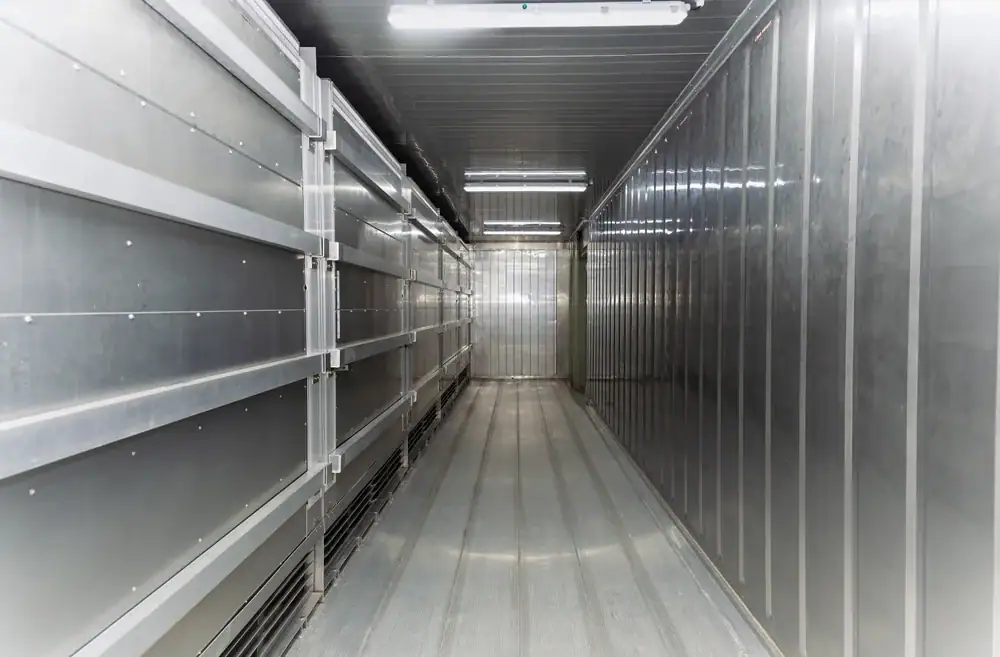
Your walk-in stays at 38 degrees. Your reach-ins don’t cycle on and off every twenty minutes. Your energy bill stops climbing every month because the compressor isn’t fighting coastal humidity that Long Island throws at every piece of equipment.
You’re not calling for emergency refrigeration repairs at 9 PM on a Saturday. You’re not explaining to the health inspector why your prep table is reading 46 degrees. You’re not watching $3,000 worth of product get thrown into a dumpster because a condenser coil finally gave out.
That’s what reliable commercial refrigeration looks like. Equipment sized right for your space, installed correctly the first time, and maintained before small problems turn into expensive failures. Most refrigeration systems fail because they were never set up properly or because nobody caught the warning signs early enough.
We’ve handled commercial refrigeration and HVAC installation across Long Island since the early 1980s. We’ve worked in airport kitchens, catering halls, waterfront restaurants, and corner delis throughout Eatons Neck and Suffolk County.
The coastal humidity here isn’t the same as inland. Equipment corrodes faster, condensers work harder, and systems that would run fine in other climates struggle after a few summers near the water. That’s not something you learn from a manual.
We’re the team restaurants call when their regular HVAC guy can’t figure out why a walk-in freezer keeps icing over. We handle custom beer systems, marine HVAC for yacht clubs, and refrigeration solutions that most contractors won’t touch. Available 24/7, because refrigeration emergencies don’t wait for business hours.
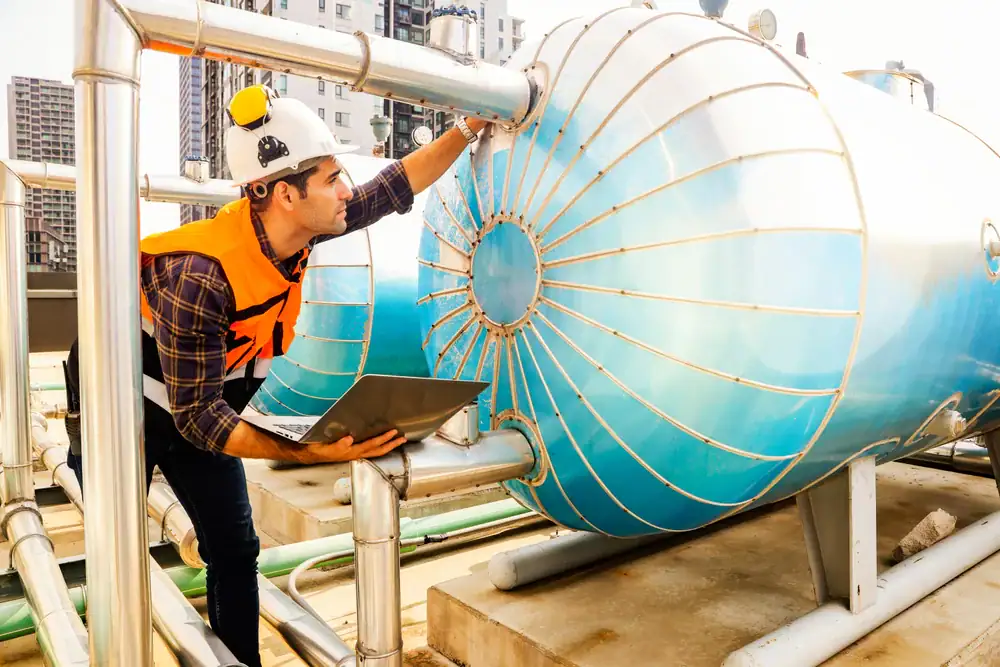
You call or reach out online. We ask about your space, what you’re storing, how often doors open, and what your current system is doing wrong. If it’s an emergency, we’re typically on-site within two to four hours with parts in the truck.
For new installations, we come out for a free estimate. We measure your space, check your electrical setup, and calculate the actual cooling load based on your operation. Most refrigeration failures start with undersized equipment or poor installation, so we don’t guess on tonnage or BTUs.
Once we agree on scope and price, we schedule the install or repair. Our techs carry extensive inventory, so same-day repairs happen more often than not. For bigger jobs like walk-in cooler installations, we coordinate around your hours to minimize downtime.
After the work’s done, we test everything under load and walk you through the maintenance schedule. Then we stay available. You’ll have a direct line to reach us anytime, because the middle of dinner service is when equipment decides to quit.
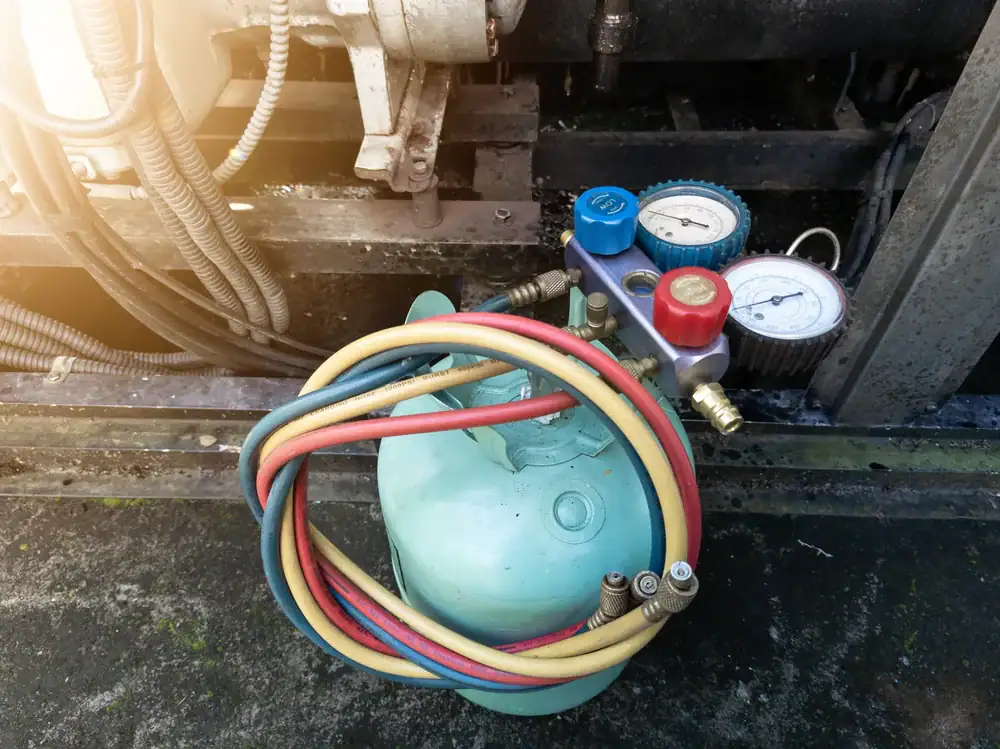
Ready to get started?
We handle walk-in coolers and freezers, reach-in refrigerators, prep tables, display cases, ice machines, and blast chillers. If it keeps food cold in a commercial kitchen, we service it. That includes refrigeration maintenance contracts that catch problems before they cost you money.
In Eatons Neck and across Long Island, the summer humidity puts extra strain on condensers and evaporators. Equipment that’s not maintained properly works twice as hard and fails twice as fast. Our maintenance programs include coil cleaning, refrigerant checks, door seal inspections, and temperature calibration.
Emergency refrigeration repairs get priority response. We know what a cooler failure costs in lost inventory and lost business. Most of our emergency calls get a tech on-site the same day, often within hours. We’re factory-authorized to service all major brands, and we stock parts for the equipment that’s most common in food service operations.
Custom work is where we separate from typical HVAC contractors. We’ve built out specialized beer cooling systems for bars, marine air conditioning for yachts, and refrigeration solutions for operations that don’t fit the standard mold. If you’ve been told it can’t be done, call us before you give up on it.
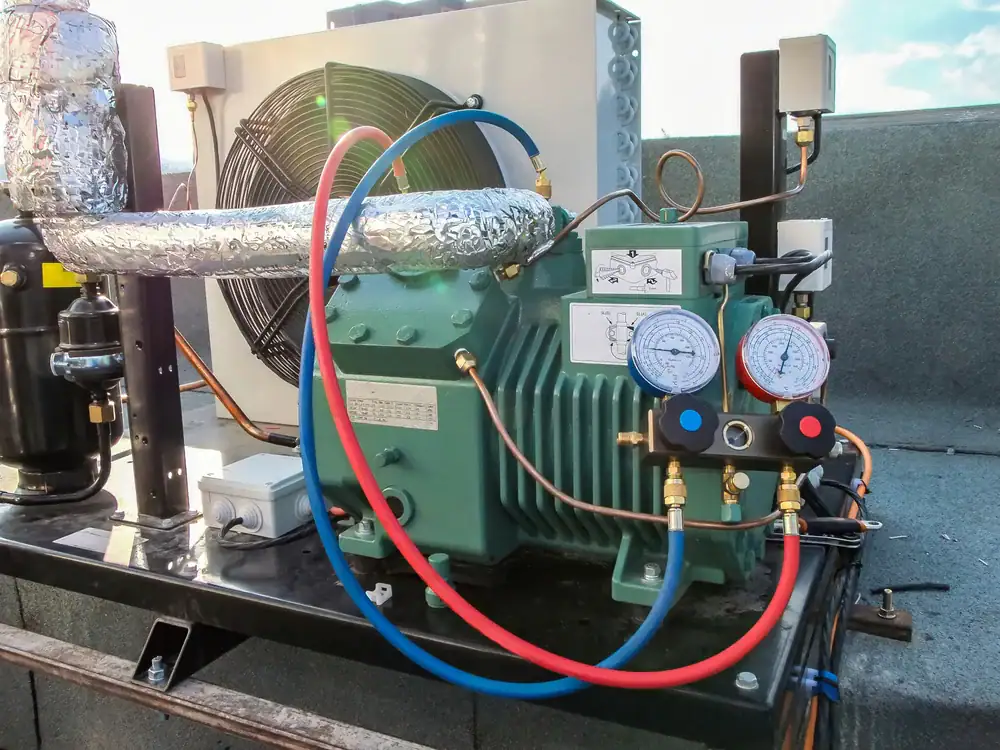
We aim for two to four hours on emergency calls, and we’re available around the clock. When you call, you’re talking to someone who can dispatch a technician immediately, not an answering service that takes a message.
Our trucks carry common parts for the equipment most restaurants and food service operations use. That means if it’s a failed contactor, a blown capacitor, or a refrigerant leak, there’s a good chance we’re fixing it the same visit. We’re not making a second trip to get parts while your inventory sits in a warming cooler.
For walk-in failures, every hour counts. The difference between a $300 repair and a $3,000 loss is how fast someone gets there and knows what they’re doing. We’ve handled enough late-night cooler emergencies across Long Island to know what fails most often and what fixes it fastest.
Most restaurants spend over $2,200 a year on refrigeration repairs, but about 80% of those failures are preventable with regular maintenance. A maintenance contract typically runs a fraction of that and catches problems while they’re still cheap to fix.
Here’s what happens without maintenance: refrigerant levels drop slowly and your compressor works harder. Condenser coils get caked with dust and grease, forcing the system to run longer cycles. Door seals wear out and let warm air in. None of this fails dramatically until it does, and then you’re looking at a compressor replacement instead of a $150 seal.
Our maintenance programs include quarterly or semi-annual visits depending on your equipment and usage. We clean coils, check refrigerant levels, test controls, inspect electrical connections, and calibrate thermostats. You get a report after each visit, and if we spot something that needs attention, you hear about it before it becomes an emergency.
If your compressor runs constantly, your temperatures fluctuate more than a few degrees, or your energy bills keep climbing, there’s a good chance your system is undersized or wasn’t installed properly. Coastal humidity in Eatons Neck makes this worse because equipment has to work harder to maintain temperature.
Proper sizing accounts for the volume of your space, how often doors open, what you’re storing, and the ambient temperature where the condenser sits. A cooler that’s sized for a bakery won’t work the same way in a high-volume restaurant kitchen where doors open every few minutes. Most installation problems come from contractors who use generic formulas instead of calculating actual load.
We measure everything during estimates. If you’re replacing an existing system, we also look at why the old one failed. Sometimes it’s age, but often it’s because the original install was wrong from day one. Fixing that means your new system lasts longer and costs less to operate.
Salt air and humidity corrode components faster than inland conditions. Condenser coils that would last ten years in a dry climate might need replacement in six or seven near the water. Electrical connections corrode, copper lines pit, and compressors work harder because humid air holds more heat.
This isn’t something every HVAC contractor understands. If your equipment isn’t designed or maintained with coastal conditions in mind, you’ll replace parts more often and deal with more frequent breakdowns. Coil coatings, corrosion-resistant fittings, and more aggressive maintenance schedules make a difference.
We’ve worked in Eatons Neck and across Long Island for forty years. We know what fails first in waterfront locations and what holds up. When we install or service equipment near the coast, we account for conditions that most contractors don’t think about until something rusts out prematurely.
Yes. We’ve built custom beer cooling systems for bars, specialized marine HVAC for yachts and yacht clubs, and refrigeration solutions for operations that don’t fit typical commercial setups. If you’ve been told it can’t be done or it’s too complicated, we’d like to hear about it.
Custom work requires understanding how refrigeration systems actually function, not just how to install what comes in a box. We’ve handled projects where the cooling load changes throughout the day, where space is extremely limited, and where standard equipment won’t work because of unique requirements.
This is where four decades of experience matters. We’ve seen enough unusual situations that very few projects surprise us anymore. If your operation needs something specific and you can’t find a contractor willing to figure it out, that’s exactly the kind of work we do regularly.
Walk-in cooler installations typically range from $5,000 to $15,000 depending on size and complexity. Reach-in units run $2,000 to $6,000 installed. Custom work varies based on what you need. We provide free estimates with transparent pricing before any work starts.
The cheapest option usually costs more in the long run. Undersized equipment, poor installation, and low-quality components lead to higher energy bills and more frequent repairs. You’re better off paying for proper installation once than paying for emergency repairs every few months.
We break down exactly what you’re getting in an estimate: equipment specs, labor, materials, and timeline. No hidden fees or surprise charges after the work is done. If something changes during the job, we discuss it before moving forward. You’ll know what it costs before we start, and that’s what you’ll pay when we’re finished.