Not sure whether your restaurant needs a walk-in cooler, reach-in refrigerator, or both? The wrong choice costs you in spoiled food, wasted energy, and daily headaches.
Share:
Summary:
Walk-in coolers are refrigerated rooms. You walk inside to access inventory stored on shelving systems. They range from small 6×6 units to massive custom installations, with refrigeration systems that work similarly to commercial HVAC.
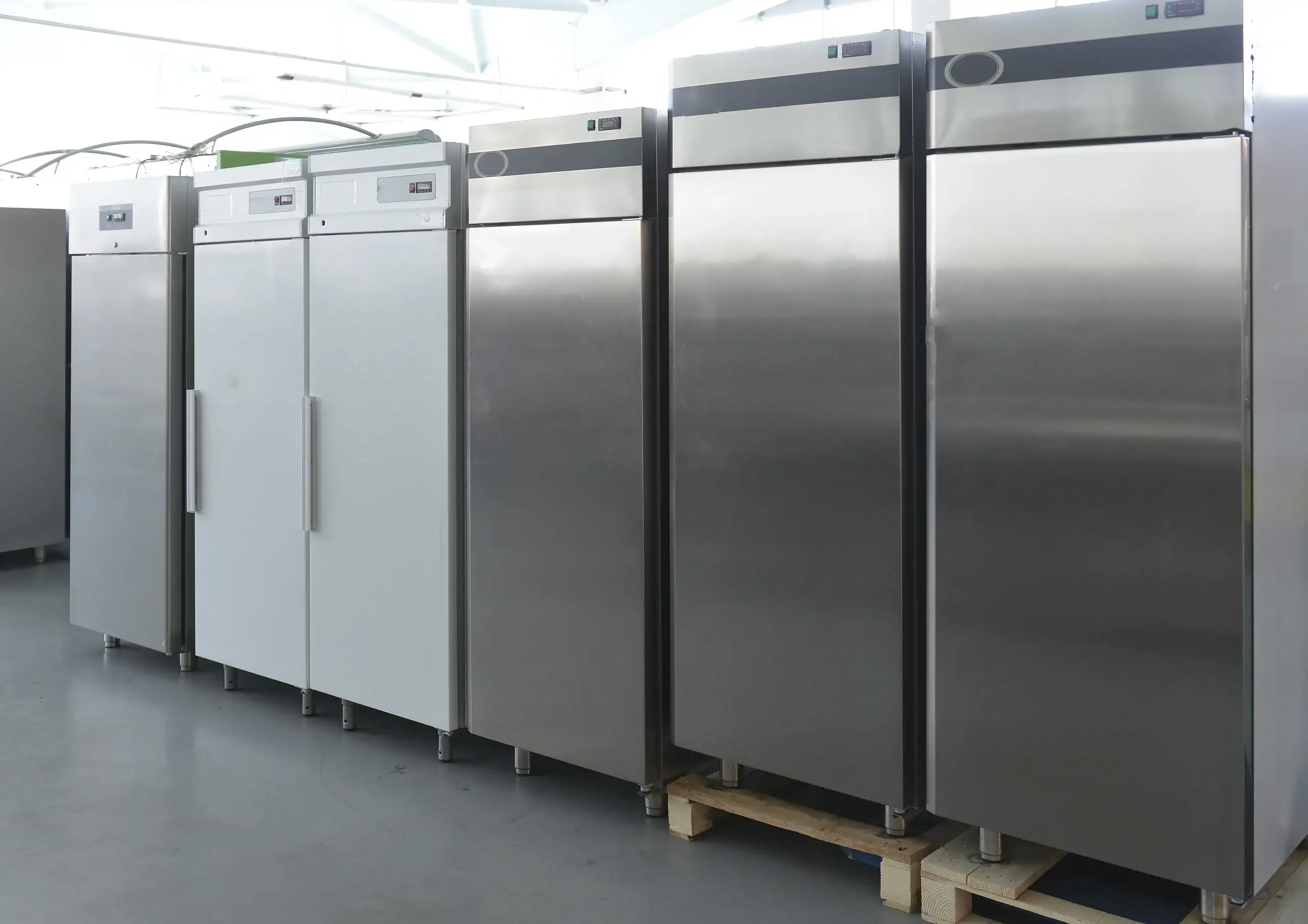
Reach-in refrigerators are the standalone units you see in every commercial kitchen. Open the door, grab what you need, close it. They come in various configurations with one to three sections, offering anywhere from 23 to 72 cubic feet of storage.
The fundamental difference isn’t just size. It’s about how your staff interacts with food throughout service, how often you receive deliveries, and whether you’re storing bulk quantities or running a tight just-in-time inventory system.
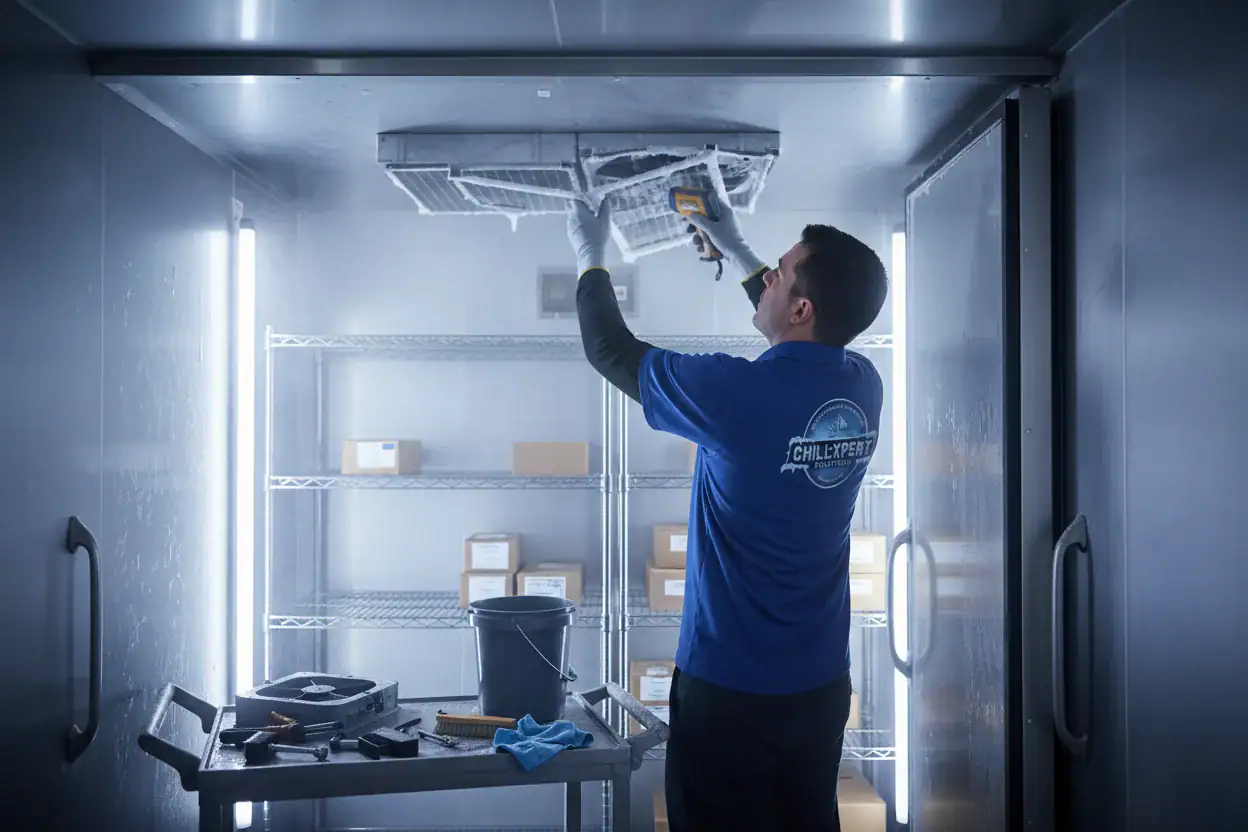
Walk-in coolers shine when you’re dealing with volume. High-capacity restaurants, grocery stores, and catering operations that buy ingredients in bulk need the space that walk-ins provide.
If your restaurant seats 100+ people or you’re running a catering business handling multiple events weekly, a walk-in becomes essential. You can store entire sheet pans, bulk containers, and large quantities of perishables without playing Tetris every time a delivery arrives. This translates directly to cost savings because buying in bulk almost always beats daily small-quantity purchasing.
Walk-in cooler installation on Long Island has become standard for operations that want to reduce delivery frequency. Instead of receiving fresh produce three times a week, you can take one large delivery and store everything properly. Your suppliers often offer better pricing on bulk orders, and you’re not paying delivery fees as frequently.
The space also supports better organization. When your walk-in is set up correctly, your team can actually see inventory, rotate stock properly, and avoid the food waste that happens when items get shoved to the back of an overstuffed reach-in and forgotten.
Energy efficiency is another factor most people overlook. A properly sized walk-in cooler running at full capacity is often more efficient than multiple reach-in units working overtime. The insulation is typically better, and the refrigeration system is designed to handle larger loads without constantly cycling on and off.
But here’s what nobody mentions in the sales pitch. Walk-ins require dedicated floor space, professional installation, and a larger upfront investment. A quality walk-in cooler installation in Nassau County or Suffolk County runs anywhere from $10,000 to $40,000 depending on size and features. You’ll also need to factor in installation costs, which typically add another $2,000 to $4,000.
The other consideration is access. If your kitchen staff needs to walk to a separate room every time they need an ingredient during service, that’s time lost. This is why most operations that install walk-ins still keep reach-in units in the kitchen for high-frequency items.
Reach-in refrigerators solve a completely different problem. They put ingredients exactly where your team needs them during service.
A pizza shop doesn’t need to walk to a separate room for mozzarella fifty times a night. A deli counter needs sandwich ingredients within arm’s reach. A bar needs quick access to garnishes and mixers without leaving the service area. That’s where reach-in units become irreplaceable.
Installation is straightforward. As long as you have power and floor space, a reach-in refrigerator can go almost anywhere in your kitchen. No major construction, no custom builds, just plug it in and start using it. This makes them perfect for smaller operations, cafes, food trucks, or businesses just getting started.
The upfront cost is also more manageable. While walk-ins start in the five-figure range, quality reach-in refrigeration can be found for a few thousand dollars. For a small restaurant or deli working with tight startup capital, that difference matters.
But reach-ins come with limitations you need to understand before you commit. Storage capacity tops out around 72 cubic feet for the largest models. If you’re running any kind of volume operation, you’ll outgrow that fast. Overstuffing a reach-in blocks airflow, which leads to inconsistent temperatures and potential food safety issues.
They also tend to have shorter lifespans compared to walk-in systems. The machinery is more compact, which means components work harder and wear out faster. You’re looking at more frequent repairs and potentially replacing the unit sooner than you would a properly maintained walk-in.
Energy consumption per cubic foot is typically higher with reach-ins too. They’re self-contained, meaning all the heat generated by the refrigeration process stays in your kitchen. In summer, that adds to your HVAC costs. Multiple reach-in units running simultaneously can turn your kitchen into a sauna.
Temperature recovery is another issue. Every time someone opens a reach-in door during a busy service, warm air rushes in. The unit has to work to bring the temperature back down. Do that fifty times in an hour, and you’re putting serious strain on the compressor while driving up energy costs.
The reality for most Long Island restaurants and food service operations is that reach-ins work best as supplements, not replacements. You use them for the items your staff accesses constantly, while bulk storage happens elsewhere.
Want live answers?
Connect with a Chill Xpert Solutions expert for fast, friendly support.
The sticker price is just the beginning. What actually matters is what you’ll spend over the 10 to 15 years you’re using the equipment.
A walk-in cooler might cost $20,000 installed, but if it’s the right size for your operation, it could save you thousands annually in bulk purchasing discounts and reduced delivery fees. On the other hand, an oversized walk-in sitting half-empty wastes energy every single month.
Energy costs deserve your attention. A 10×10 walk-in cooler in Nassau County runs about $150 per month in electricity. That’s roughly $1,800 per year. Walk-in freezers cost about three times more to operate than coolers due to the lower temperatures required. A reach-in refrigerator uses less total energy, but when you calculate cost per cubic foot of storage, the numbers often favor walk-ins for high-volume operations.
Maintenance is where many businesses underestimate expenses. We’ll tell you the same thing other commercial refrigeration companies across Long Island say. Regular maintenance costs a few hundred dollars per year, but it prevents the $2,000 emergency repair calls that happen when you skip it.
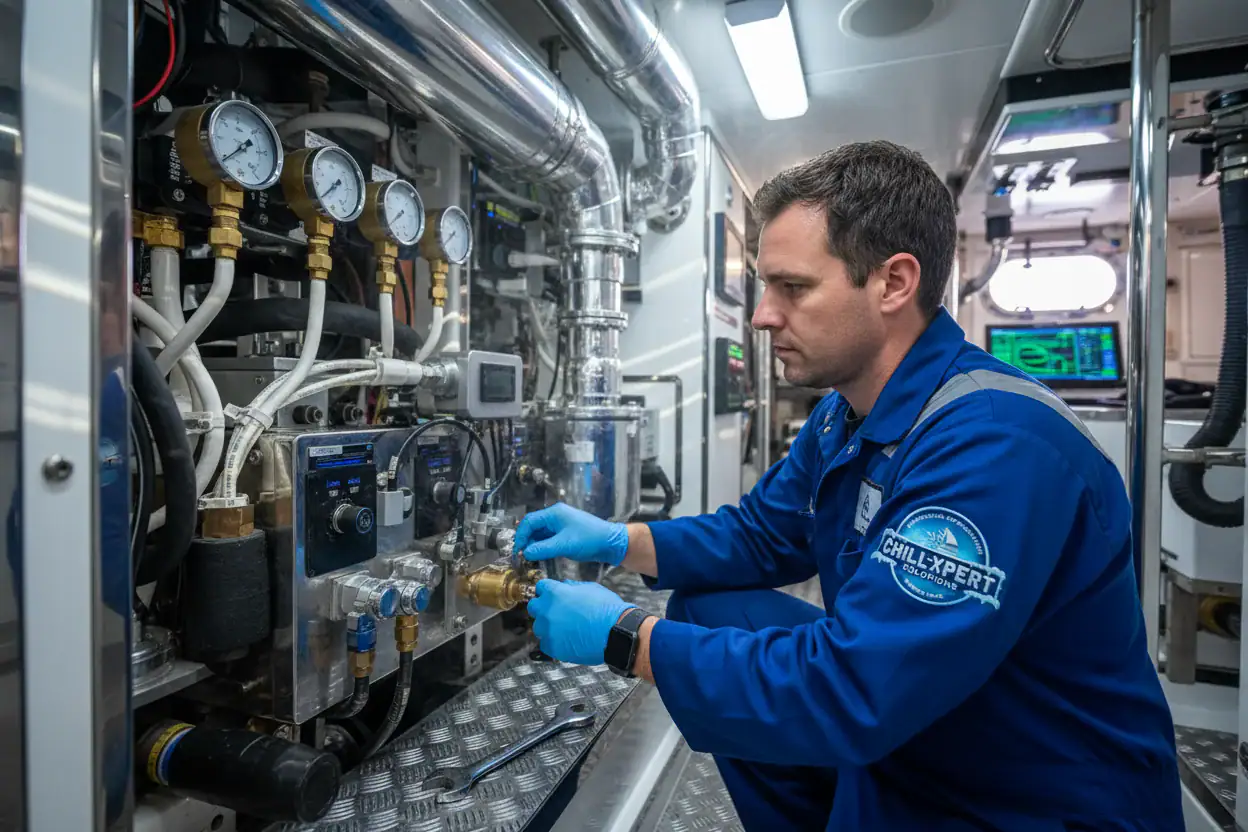
Long Island’s weather puts unique stress on commercial refrigeration systems. Summer heat makes compressors work overtime. Winter cold affects door seals and gaskets. The constant humidity changes throughout the year strain every component.
If your operation is anywhere near the coast in Suffolk County—from the Hamptons to the North Fork—you’re dealing with salt air. That accelerates corrosion on outdoor condensing units and any exposed components. Walk-in freezer repair calls spike in coastal areas for exactly this reason.
Restaurant refrigeration systems in Long Island need more frequent maintenance than the same equipment would need in a more moderate climate. We recommend service twice a year minimum. High-volume restaurants in areas like Huntington, Patchogue, or the Rockaways should consider quarterly maintenance, especially during summer months when equipment works hardest.
The placement of your equipment matters too. A walk-in cooler installed in direct sunlight or next to your cooking line has to fight against ambient heat all day. That drives up energy costs and shortens equipment lifespan. Proper installation accounts for these factors from the start.
This is why working with experienced commercial refrigeration contractors who understand Long Island conditions makes a difference. We know that a door seal that works fine in a climate-controlled warehouse might fail within months in a humid Long Island summer. We spec equipment accordingly.
Temperature swings also affect what you’re storing. A catering operation in Nassau County preparing for weekend events needs refrigeration that can handle the Thursday delivery of hundreds of pounds of ingredients and maintain consistent temperatures through Sunday. Undersized equipment can’t keep up, and you end up with spoilage right when you need that inventory most.
The other factor most businesses don’t consider is power reliability. Summer storms knock out electricity. If your refrigeration doesn’t have adequate backup or you don’t have a relationship with a service provider offering 24/7 emergency response, you could lose everything in your cooler during an extended outage.
Here’s what actually works in the real world. You use a walk-in cooler for bulk storage and prep ingredients, and you position reach-in refrigerators strategically throughout your kitchen for high-frequency items.
A restaurant might have a walk-in cooler in the back for cases of produce, dairy, and proteins delivered twice a week. Then they stock reach-in units on the line with prepped ingredients for that day’s service. Cooks grab what they need without leaving their station, but the bulk inventory is stored efficiently in the walk-in.
Delis often run the same setup. Walk-in for bulk cold cuts, cheeses, and produce. Reach-in units behind the counter for items being used constantly throughout the day. This minimizes the time staff spends walking back and forth while maximizing storage efficiency.
Catering operations might lean even more heavily on walk-in space. When you’re prepping for a 200-person wedding, you need room for assembled trays, prepared dishes, and backup ingredients. But you still want a reach-in in your prep area for items you’re using throughout the day.
The key is matching your refrigeration setup to your actual workflow. Walk through a typical service period and pay attention to which ingredients your team accesses most frequently. Those belong in reach-ins positioned exactly where they’re needed. Everything else can live in the walk-in.
This approach also gives you flexibility as your business grows. Start with a moderately sized walk-in and one or two reach-ins. As volume increases, you can add more reach-in units in strategic locations without needing to expand your walk-in immediately.
Budget considerations often drive the decision too. If you can’t afford both systems upfront, most operations are better off starting with a properly sized walk-in and adding reach-ins as cash flow allows. The walk-in handles your core storage needs, and you can work around the inconvenience of not having reach-ins at every station until you can afford them.
Installation logistics matter as well. Walk-in cooler installation requires more planning, permits, and potentially modifications to your space. Reach-ins can be added quickly when you identify a workflow bottleneck. This flexibility helps you optimize your setup over time rather than trying to get everything perfect on day one.
The walk-in versus reach-in question isn’t really a versus at all. It’s about understanding what each system does well and building a refrigeration setup that supports how your operation actually runs.
If you’re doing any kind of volume, you need walk-in storage. If your staff needs quick access to ingredients during service, you need reach-ins positioned where they work. Most successful restaurants, delis, grocery stores, and catering operations across Nassau and Suffolk County use both.
What matters most is getting the sizing right, understanding your true costs including energy and maintenance, and working with someone who can guide you through the decision based on your specific operation rather than just trying to sell you equipment.
Commercial refrigeration is a major investment, but it’s also the backbone of food safety and operational efficiency. When you get it right, your team works faster, your food stays fresh, and your energy costs stay manageable. When you get it wrong, you’re dealing with spoilage, workflow problems, and expensive fixes for years.
If you’re trying to figure out the right refrigeration setup for your Long Island business, we’ve been helping operations like yours for over 40 years. Free consultations, honest assessments, and the kind of expertise that comes from actually understanding how commercial kitchens work.
Article details:
Share:
Continue learning: