Hear from Our Customers
You’re not just paying for a new unit or a quick fix. You’re getting a system that actually works when Long Island’s humid summers hit 90 degrees or when January temperatures drop and your family needs heat.
Your energy bills stop climbing every month because newer systems run efficiently instead of burning money. A 20-year-old unit with a SEER rating of 7 or 8 costs you hundreds more annually compared to a modern 14+ SEER system that meets current standards.
Breakdowns happen less often when your equipment gets proper installation and regular maintenance. You’re not scrambling for emergency repairs at the worst possible time. Your system runs quietly, keeps every room comfortable, and doesn’t wake you up with strange noises at 2 AM.
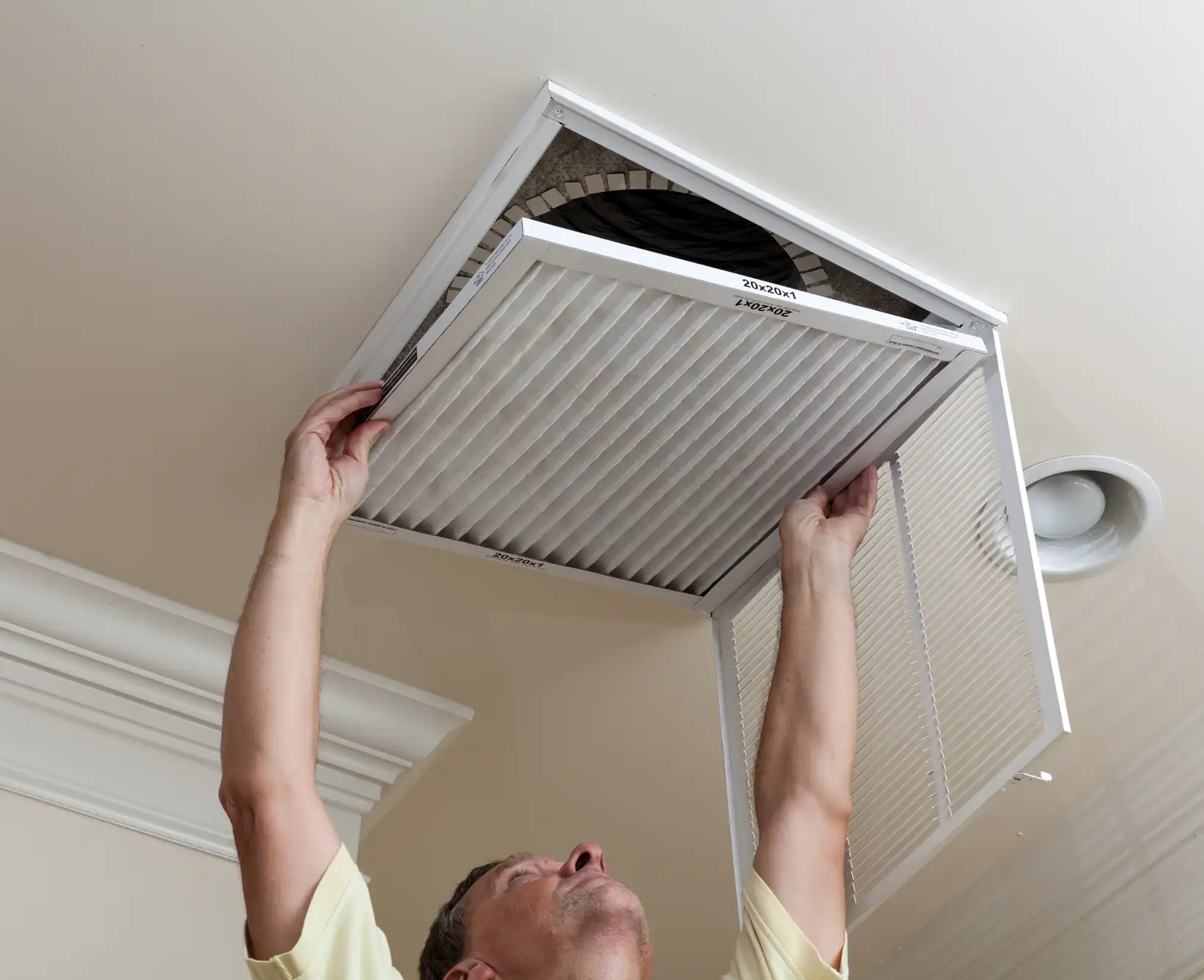
Indoor air quality improves when your HVAC system includes proper filtration and humidity control. Your family breathes cleaner air. Allergens decrease. Dust settles less frequently on your furniture.
We bring over 40 years of HVAC expertise to Islip Terrace homes. We’ve built our reputation handling complex commercial refrigeration and marine HVAC systems that other contractors won’t touch.
That same technical skill applies to your home’s heating and cooling needs. We understand how Long Island’s climate affects your system differently than other regions. High humidity in summer, salt air exposure, and utility costs that rank among the nation’s highest all factor into the right solution for your home.
You get straight answers about what your system needs. Free estimates with transparent pricing. 24/7 availability when emergencies happen. And a local team that actually answers the phone instead of sending you to voicemail.
You call or message us with your heating or cooling issue. We ask a few questions to understand what’s happening and schedule a time that works for your schedule.
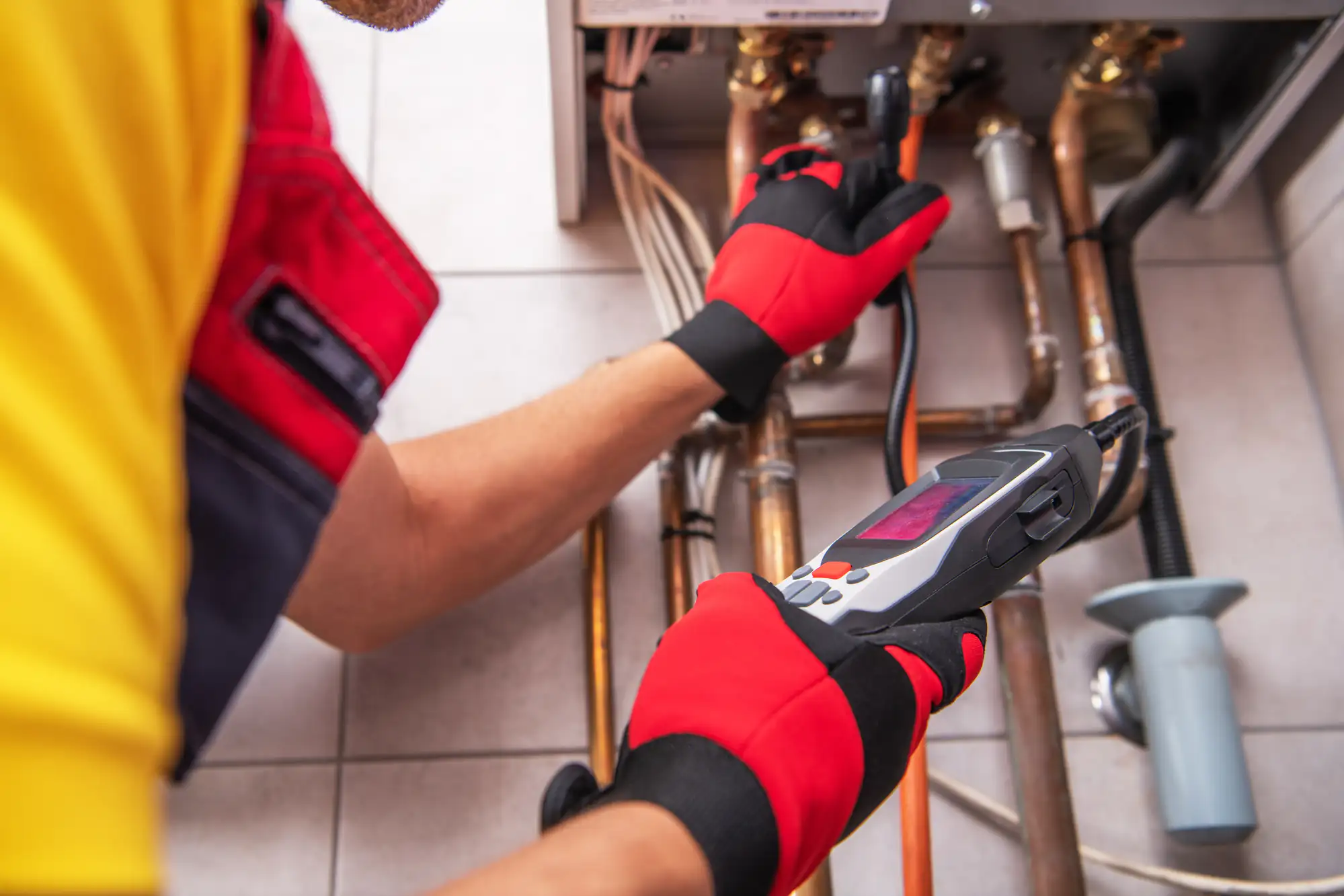
Our technician arrives and evaluates your current system. If it’s a repair, we diagnose the problem and explain what’s wrong in plain language. If you need a replacement, we measure your space, check your existing setup, and discuss what capacity and efficiency level makes sense for your home and budget.
You receive a clear estimate with no hidden fees. We break down exactly what you’re paying for and why. If you’re comparing options, we explain the differences between system types, efficiency ratings, and what each choice means for your monthly utility bills.
Once you approve the work, we schedule installation or repairs around your availability. Installation typically takes one to two days depending on system complexity. We handle all the technical work, test everything thoroughly, and show you how to operate your new system.
After completion, you get warranty information and maintenance recommendations. We’re available if questions come up or if you need seasonal tune-ups to keep everything running efficiently.
Ready to get started?
Air conditioning repair and installation covers everything from fixing refrigerant leaks to replacing aging central AC units that can’t keep up with Long Island summers. You need systems that handle humidity as well as temperature, especially in Islip Terrace where summer moisture levels make homes feel warmer than the actual thermostat reading.
Furnace installation and heating system maintenance keep your family warm through winter without the anxiety of midnight breakdowns. Regular maintenance catches small issues before they become expensive emergencies. We check heat exchangers, test safety controls, clean burners, and verify your system runs at peak efficiency.
HVAC replacement becomes necessary when repair costs exceed 50% of your unit’s value or when your system hits 12-15 years old. Newer equipment offers significant advantages beyond just working properly. Energy efficiency improvements mean lower monthly bills. Better humidity control improves comfort. Quieter operation means less noise disruption.
Indoor air quality solutions address the air your family actually breathes. Proper filtration removes allergens, dust, and particles. Humidity control prevents mold growth and reduces that sticky feeling in summer. Ventilation improvements bring fresh air into your home without losing heating or cooling efficiency.
Smart thermostat installation gives you control from your phone and learns your schedule to optimize comfort and savings. The smart thermostat market keeps growing because homeowners see real results in both convenience and cost reduction.
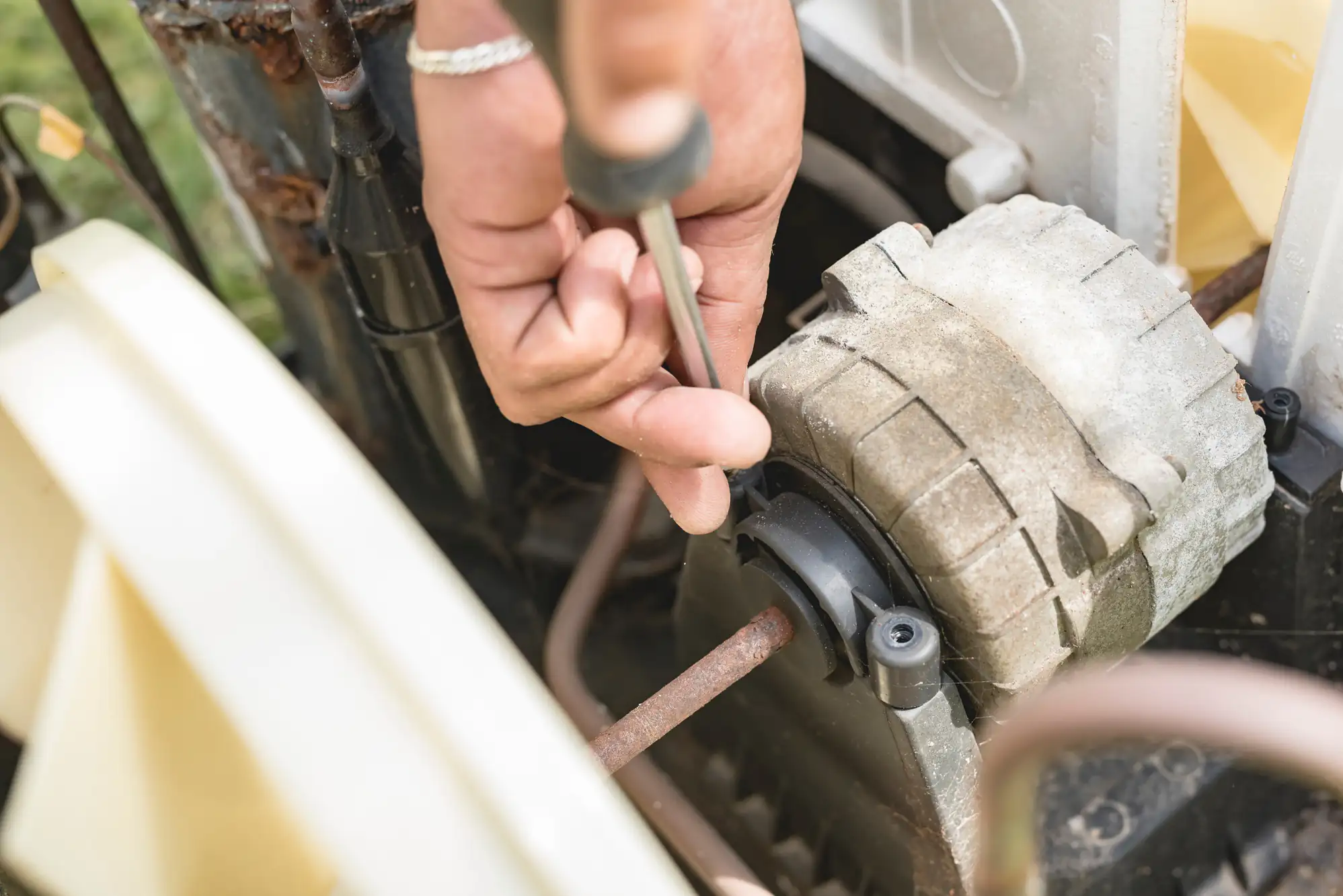
Replacement costs vary based on your home’s size, the system type you choose, and installation complexity. Most Islip Terrace homeowners invest between $5,000 and $12,000 for a complete system replacement.
That range accounts for different efficiency levels and features. A basic 14 SEER system costs less upfront but saves less on monthly bills. A higher efficiency heat pump costs more initially but can cut your energy consumption by 30-50% compared to older equipment.
Your specific cost depends on factors we assess during the estimate. Square footage affects what capacity you need. Ductwork condition matters because damaged ducts waste conditioned air. Your existing electrical setup might need upgrades to handle newer equipment. We provide exact pricing after evaluating your home, not ballpark guesses that change later.
Financing options help spread costs over time if paying the full amount upfront doesn’t work for your budget. We discuss all available options during your free estimate.
The 50% rule gives you a practical guideline. If repair costs exceed half of what a new unit costs, replacement makes more financial sense than fixing an aging system.
Age factors into this decision heavily. A 7-year-old system with a $1,200 repair bill probably deserves the repair because you’ll get years more use. A 16-year-old system with the same repair cost should likely be replaced because you’re throwing money at equipment that’s near the end of its lifespan anyway.
Frequency of repairs matters too. If you’re calling for service twice a year and constantly fixing different components, you’re dealing with systemic failure. One repair leads to another because everything’s wearing out simultaneously.
Energy efficiency enters the equation when your current system runs but costs a fortune monthly. Even if it’s not broken, replacing a 20-year-old unit with a SEER rating of 8 saves you hundreds annually on Long Island’s expensive utility bills. Those savings offset replacement costs over time.
We’ll give you an honest assessment of whether repair or replacement makes sense for your specific situation and budget.
Long Island utility rates rank among the highest in the country due to transmission costs, infrastructure expenses, and limited competition. Your HVAC system represents the largest portion of your home energy use, typically 40-50% of your total bill.
Upgrading from an old inefficient system to a modern high-efficiency unit directly reduces that largest expense category. A 20-year-old air conditioner with a SEER rating of 8 uses nearly twice the electricity of a new 14+ SEER system to produce the same cooling.
The math works in your favor over time. If your current AC costs $200 monthly to run in summer, a 40% efficiency improvement saves you $80 per month. Over a typical 15-year system lifespan, that’s $14,400 in savings, which more than covers the upgrade cost.
Heat pumps offer even better economics because they handle both heating and cooling efficiently. Instead of running a separate furnace in winter, a heat pump moves heat rather than generating it, using significantly less energy.
Regular maintenance keeps whatever system you have running at peak efficiency. Dirty filters, low refrigerant, and poorly calibrated controls all waste energy. Annual tune-ups cost $100-150 but prevent efficiency losses that cost you more monthly.
Your system needs professional maintenance twice yearly—once before cooling season starts and once before heating season begins. Spring and fall appointments catch problems before you’re relying on your equipment during temperature extremes.
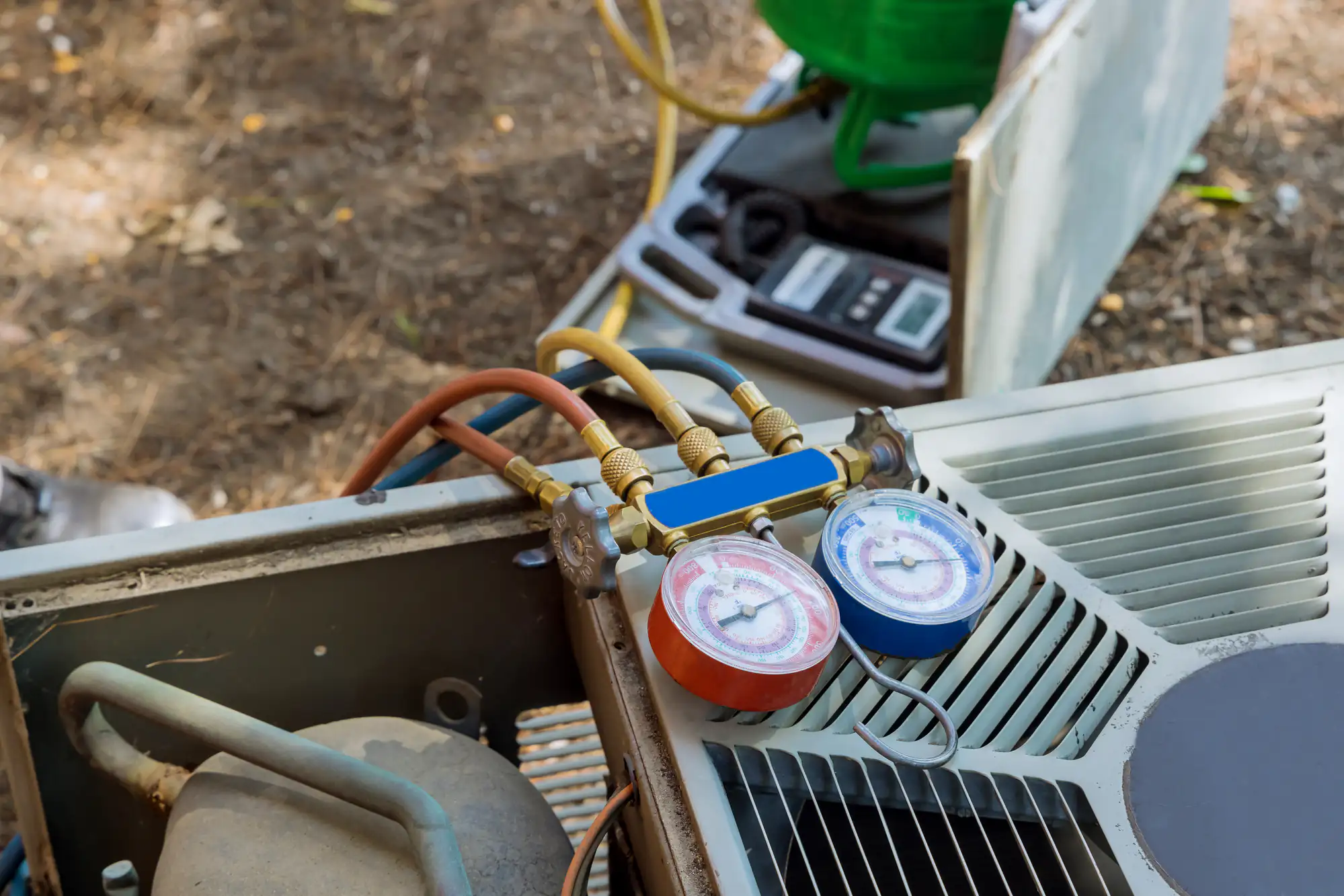
During a maintenance visit, we check refrigerant levels, clean coils, test electrical connections, inspect ductwork, replace filters, calibrate thermostats, and verify all safety controls work properly. These tasks prevent the majority of emergency breakdowns.
Between professional visits, you should change your air filter every 1-3 months depending on usage and filter type. A clogged filter forces your system to work harder, wastes energy, and reduces indoor air quality. This simple task takes five minutes and prevents expensive problems.
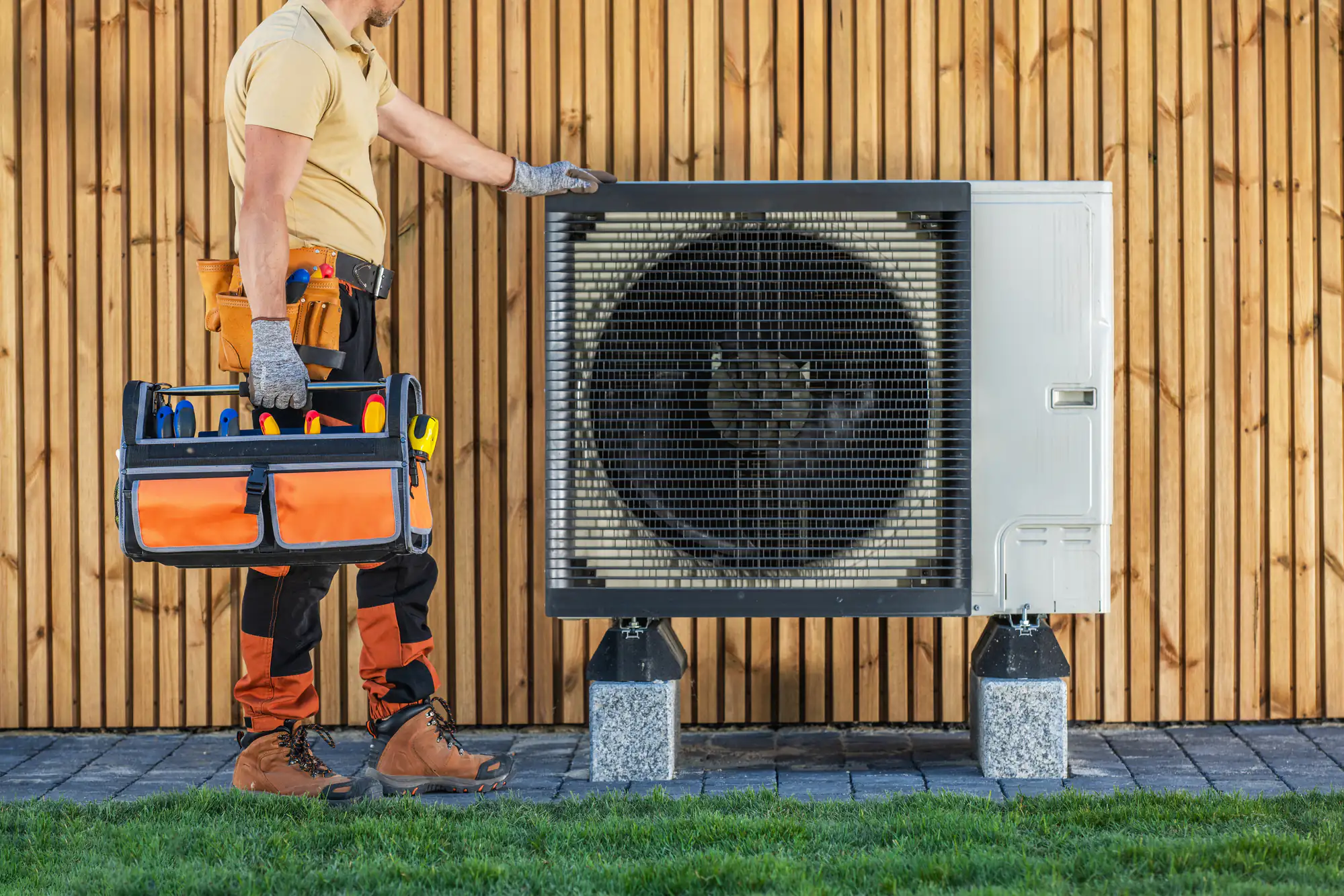
Keep outdoor units clear of debris, leaves, and vegetation. Your condenser needs airflow to work efficiently. Trim back plants at least two feet and remove any accumulated debris seasonally.
Listen for unusual noises and watch for performance changes. If rooms suddenly feel less comfortable or you hear grinding, squealing, or banging sounds, call for service before a small issue becomes a major failure.
Maintenance costs far less than repairs. An annual service plan typically runs $150-300 yearly. An emergency repair visit costs $300-500 just for the service call and diagnosis, before any actual repair work.
Proper sizing requires a detailed load calculation based on your home’s specific characteristics. Square footage matters, but it’s not the only factor that determines what capacity you need.
We measure your home’s total conditioned space, ceiling heights, insulation levels, window sizes and orientations, and how many people typically occupy the home. Long Island’s climate data factors into the calculation because Islip Terrace’s temperature and humidity patterns differ from other regions.
An oversized system seems like it would work better, but it actually creates problems. It cools or heats too quickly, then shuts off before properly dehumidifying your home. You get temperature swings, higher humidity, and more wear on components from constant cycling. Your energy bills stay high because the system runs inefficiently.
An undersized system runs constantly trying to reach your desired temperature, never quite getting there on the hottest or coldest days. It wears out faster from overwork and leaves you uncomfortable when you need it most.
The right size hits the sweet spot where your system runs efficiently, maintains consistent comfort, controls humidity properly, and lasts its full expected lifespan. We perform these calculations as part of every replacement estimate so you get equipment that actually matches your home’s needs.
The EPA banned manufacture of new residential HVAC systems using R-410A refrigerant as of January 1, 2025. This represents the most significant regulatory change the industry has seen in years.
If you currently have an R-410A system, it continues working fine. You can still get it serviced and repaired. Refrigerant remains available for existing systems. But when you eventually need replacement, your new system will use newer refrigerants like R-454B or R-32 that have lower environmental impact.
This matters for your replacement timing decision. If your current system is 12-15 years old and showing signs of decline, replacing it now or soon means dealing with one transition instead of potentially facing emergency replacement later when you have fewer options and higher urgency.
Newer refrigerants work with different system designs optimized for their properties. You can’t simply swap refrigerants in an existing system. Replacement means getting equipment engineered for the new refrigerants from the start.
Costs haven’t spiked dramatically despite the change. Manufacturers prepared for this transition. But if you’re planning replacement anyway, understanding this regulatory landscape helps you make informed decisions about timing and equipment selection.
We stay current on all refrigerant regulations and stock equipment that meets current standards. You don’t need to become an expert on refrigerant chemistry—we handle those technical details and explain what matters for your specific situation.