Thinking mini splits for your Nassau County home? Here's what matters: proper sizing, permit handling, and avoiding installation mistakes that waste thousands in energy costs.
Share:
Summary:
Your current system finally quit. Or maybe you’re done with window units that barely cool one room while your energy bill climbs. Either way, you’re looking at options, and mini splits keep showing up.
Here’s what actually matters: equipment matters less than how it’s sized and installed. A properly sized 18,000 BTU mini split outperforms an oversized 24,000 BTU unit every time—and costs less to run. This guide walks you through sizing, permits, costs, and the installation details that separate 15 years of reliable comfort from constant service calls.
Mini splits deliver heating and cooling without ductwork. The system has two main parts: an outdoor compressor and indoor air handlers mounted on walls, ceilings, or floors. Refrigerant lines connect them through a small hole in your exterior wall.
The indoor unit blows conditioned air directly into your space. No ducts mean no energy loss from leaky ductwork, which wastes up to 30% of cooling capacity in traditional systems. Each indoor head operates independently, letting you control temperatures room by room instead of heating or cooling your entire house to one setting.
Most mini splits are heat pumps. They cool in summer and heat in winter using the same equipment. They move heat rather than generate it, making them significantly more efficient than electric baseboards or furnaces.
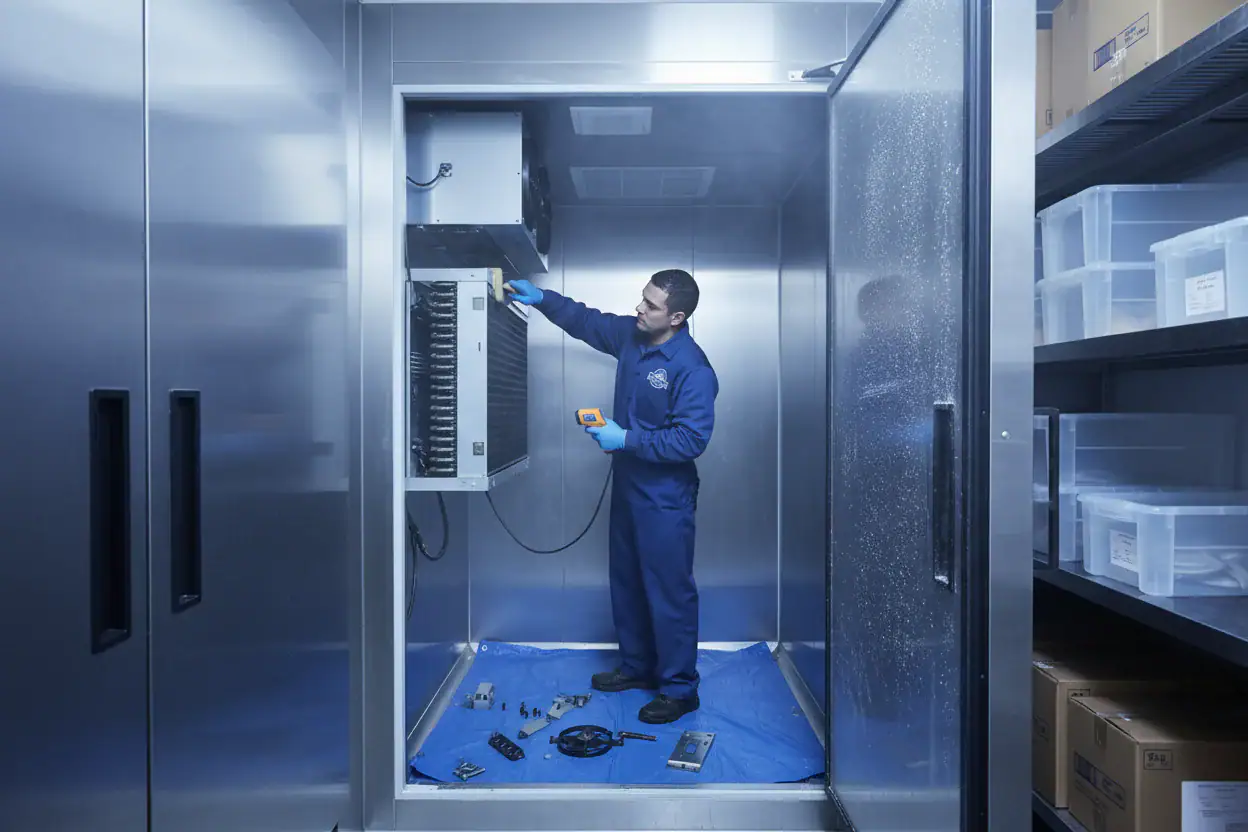
The biggest difference between mini split air conditioner installation and central air comes down to distribution. Central air pushes cooled air through ductwork to every room. Mini splits deliver it directly from wall or ceiling units.
If your Nassau County, NY home already has ductwork in good condition, central air might cost less upfront. But if you’re looking at duct installation or dealing with an older home where running ducts means tearing into walls and ceilings, mini splits make more sense financially and practically.
Central air cools your whole house to one temperature. Mini splits let you set different temperatures in different rooms. You’re not paying to cool bedrooms during the day or guest rooms that sit empty. You condition the spaces you’re actually using.
Energy efficiency tilts heavily toward mini splits. Ductwork loses conditioned air through leaks and poor insulation. Even well-sealed ducts transfer some heat as air moves from your air handler to living spaces. Mini splits skip that problem by delivering cooled or heated air right where it’s needed.
Installation timelines differ too. Central air replacement in a home with existing ducts might take one or two days. Adding ductwork to a home that doesn’t have it stretches into weeks and requires opening walls, ceilings, and potentially floors. Mini split installation typically wraps up in a day or two, even for multi-zone systems, because you’re only drilling small holes for refrigerant lines.
The aesthetic question matters to some homeowners. Central air vents blend into ceilings or floors. Mini split indoor units are visible—wall-mounted boxes or ceiling cassettes you notice when you walk into a room. Ceiling cassettes offer a more discreet look than wall-mounted units, but they cost more to install.
System sizing determines everything else about your installation. Get it wrong and you’re stuck with high energy bills, uncomfortable temperatures, and equipment that fails years before it should.
Most contractors size systems using square footage alone. They’ll say “your home is 2,000 square feet, so you need a 3.5-ton unit” and move on. That approach ignores insulation quality, window placement, ceiling height, sun exposure, and local climate. The same 2,000 square foot home might need anywhere from 2.5 tons to 4 tons depending on those factors.
Manual J calculation is the industry standard for proper sizing. It accounts for your building’s square footage, insulation levels, window types and locations, ceiling heights, occupancy patterns, and Nassau County, NY climate data. The calculation determines exactly how much heating and cooling capacity your space requires to maintain comfort during peak conditions.
Oversized systems create multiple problems. They cool your space too quickly, then shut off before removing humidity. You end up with a cold, clammy house instead of comfortable conditions. The constant on-off cycling—called short cycling—wears out components faster and wastes energy. Oversized equipment costs more upfront and more to operate while delivering worse comfort than a properly sized system.
Undersized systems run constantly trying to keep up with demand. They never quite reach your target temperature on hot days, and they work so hard that components fail prematurely. Your energy bills stay high because the system runs nearly nonstop during summer months.
The “tons per square foot” rule many contractors use assumes average construction, average insulation, and average everything else. But your home isn’t average. If you added insulation, replaced windows, or made other improvements since your last system was installed, you might need less capacity than before. If your home has large south-facing windows or poor insulation, you might need more.
Nassau County’s climate requires systems that handle summer temperatures in the low 80s and winter lows below 16 degrees. A proper Manual J calculation factors in those local conditions instead of using generic numbers that might apply in Phoenix or Seattle but don’t match your actual needs.
Ask any contractor you’re considering whether they perform Manual J calculations. If they say they can size your system based on square footage alone, that’s a red flag. If they mention load calculations and explain how they account for your specific building characteristics, you’re talking to someone who understands proper installation.
Want live answers?
Connect with a Chill Xpert Solutions expert for fast, friendly support.
Any HVAC replacement or new installation in Nassau County, NY requires mechanical and electrical permits. These ensure your ductwork, refrigerant lines, and electrical connections meet current energy and safety codes.
The permit process involves submitting detailed plans, paying fees, and waiting for approval before work begins. Processing times run 4 to 8 weeks for standard residential projects, assuming everything is submitted correctly the first time. If your contractor makes mistakes on the application or leaves out required documentation, that timeline extends.
Permit fees themselves run around $300 for plan review in Nassau County, plus additional charges based on project scope. But the real cost comes from the time and the inspection requirements that follow.
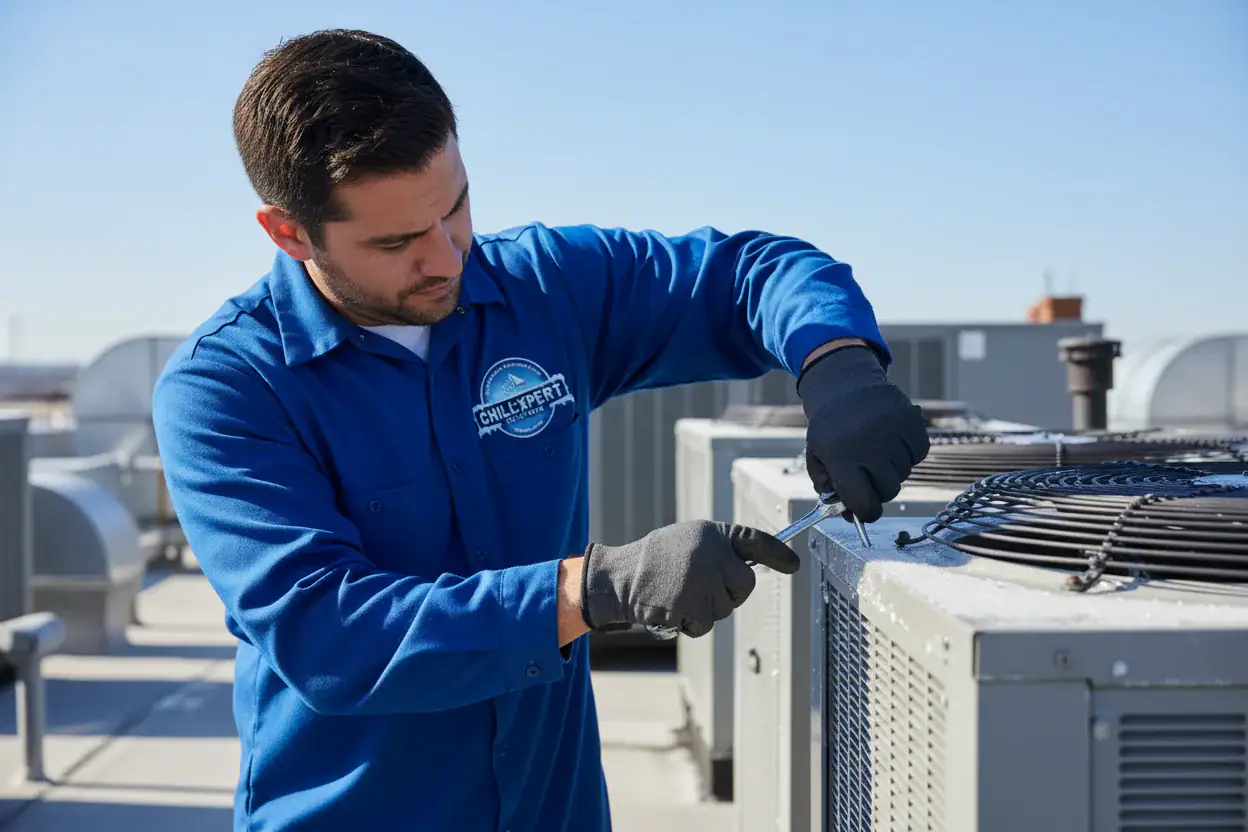
The rough-in inspection happens after framing and ductwork are complete but before anything gets covered. Inspectors verify that structural framing meets code, electrical wiring is properly sized and installed, plumbing for condensate drainage is correctly routed, and HVAC ductwork is adequately installed with proper support and sealing.
If anything fails inspection, work stops. You fix the issues, pay for a re-inspection, and wait for the inspector to come back. This is why choosing a contractor who knows Nassau County, NY building codes matters. Experienced contractors get it right the first time instead of causing delays that push your project back weeks.
The final inspection comes after all work is complete. Inspectors verify that everything matches approved plans and that all previous inspection issues have been resolved. Only after final inspection approval can you legally operate your new system.
Working without proper permits creates serious problems. Nassau County enforcement is strict. Unlicensed HVAC work can result in fines, forced equipment removal, and complications when you sell your home. In NYC, unlicensed work can bring fines up to $10,000 and misdemeanor charges. Nassau County takes violations equally seriously.
Some homeowners try to skip permits to save money or avoid delays. That’s a mistake. When you eventually sell your property, buyers’ home inspectors will flag unpermitted work. You’ll either need to get retroactive permits—which costs more than doing it right initially—or you’ll face price reductions or deals that fall through entirely.
Insurance companies also care about permits. If unpermitted HVAC work causes a fire or water damage, your insurance carrier can deny your claim. You’re left covering the entire cost of repairs yourself.
Air conditioner installation cost includes equipment, labor, and permits. For mini split systems, total installed costs typically range from $2,000 to $10,500 depending on the number of zones, equipment efficiency, and installation complexity.
Single-zone mini splits usually fall between $2,000 and $7,000 installed. A basic single-zone system averages around $3,000. Multi-zone systems cost more because you’re adding indoor units, refrigerant line runs, and labor. A three-zone setup conditioning a living room, master bedroom, and home office typically runs $6,500 to $11,000.
Labor represents 30 to 50 percent of your total project cost. Licensed HVAC technicians in Nassau County, NY charge $75 to $150 per hour. A standard single-zone installation takes 4 to 8 hours. Multi-zone installations take longer depending on how many indoor units you’re installing and where they’re located.
Equipment costs vary based on brand and efficiency ratings. Higher SEER2 ratings mean better energy efficiency and lower operating costs, but higher upfront equipment prices. A system with a SEER2 rating of 20 costs less to buy than one rated at 30, but the higher-efficiency unit saves you more on monthly energy bills.
Installation complexity affects your final cost too. Long refrigerant line runs, second-floor installations, difficult mounting locations, and electrical panel upgrades all add to labor time and total cost. If your electrical panel doesn’t have capacity for the new system, you might need a panel upgrade or subpanel installation, which adds $1,800 to $4,800 to your project.
The permit timeline is separate from installation time. Even though the actual installation might only take a day or two, you’re waiting 4 to 8 weeks for permit approval before work can begin. Plan accordingly. If you’re replacing a failed system in summer, that wait time means you’re without cooling for weeks unless you use temporary solutions.
Mini split AC systems offer Nassau County, NY homeowners an efficient alternative to traditional HVAC, especially in homes without existing ductwork or where zone control makes sense. But equipment selection matters less than proper sizing and installation quality.
Focus on contractors who perform Manual J load calculations, handle permits correctly, and have experience with your specific system type. Verify licensing and insurance. Check references. Get detailed quotes that break down costs and explain what’s included.
The cheapest quote usually isn’t the best value. Installation errors cost thousands in wasted energy, premature equipment failure, and constant service calls. Proper installation from a qualified contractor costs more upfront but saves money over the system’s 15 to 20 year lifespan.
If you’re ready to discuss mini split installation for your Nassau County property, we bring over 40 years of HVAC expertise to every project. We handle complex installations, navigate permit requirements, and ensure your system is properly sized and installed for reliable long-term performance.
Article details:
Share:
Continue learning: