The Hamptons dining season is short, intense, and unforgiving. Here's what your kitchen equipment needs to handle it without breaking down.
Share:
Summary:
If you run a restaurant on the East End, you already know what Memorial Day weekend feels like. The covers multiply overnight, the kitchen doesn’t stop, and everything that was “working fine” in April suddenly gets tested in ways it wasn’t built for. The equipment that holds through a slow Tuesday in March is not the same equipment that survives a packed Saturday in July. This post is for operators who want to understand why that happens — and what to do about it before it becomes a problem instead of after.
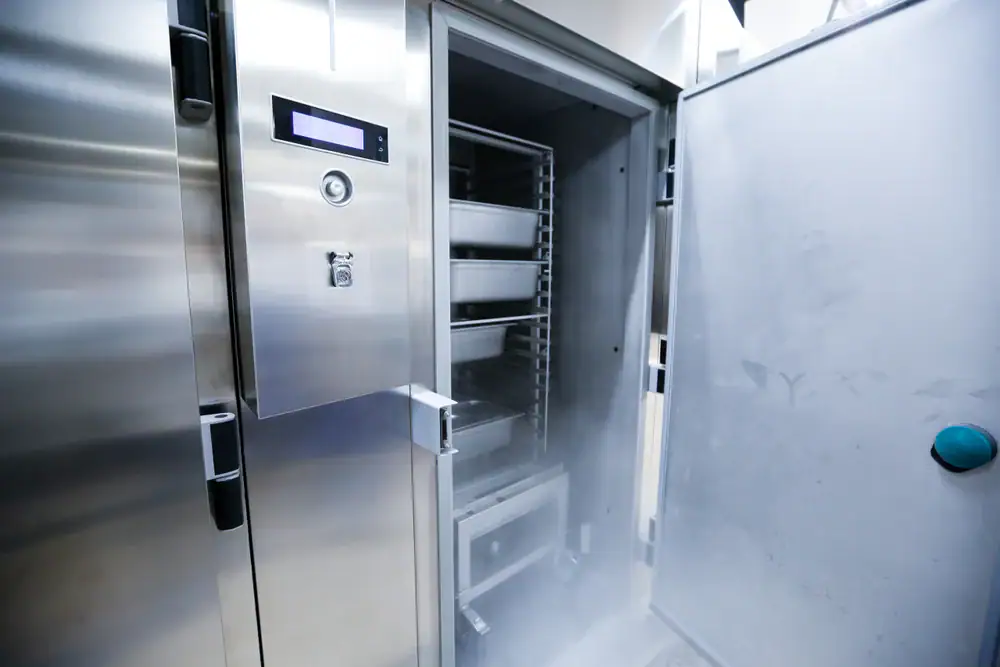
Commercial refrigeration in a Hamptons restaurant isn’t just about keeping things cold. It’s about keeping things cold under conditions that would push most equipment past its limits — high ambient temperatures, constant door traffic, back-to-back service periods, and a coastal environment that accelerates wear on every mechanical component.
During peak season, restaurant refrigeration systems run at 80 to 95 percent duty cycle. That’s nearly continuous operation. Consumer-grade refrigeration is designed for 30 to 50 percent. That gap is why equipment that looks fine on paper fails in practice — and why it tends to fail at the worst possible moment.
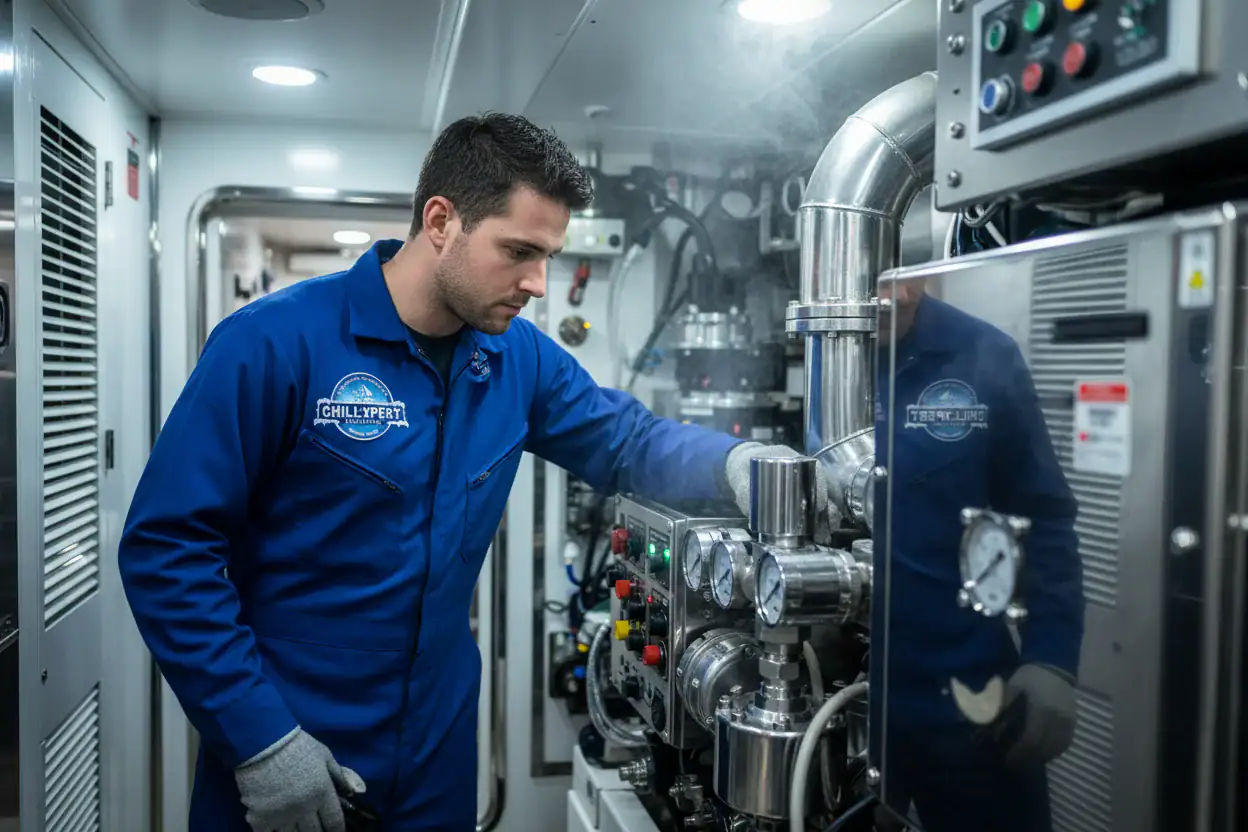
Salt air and high humidity don’t just affect boats. They affect every refrigeration and HVAC system operating within range of the water — and on the East End of Long Island, that’s essentially everything. Coastal air accelerates corrosion on condenser coils, compressor housings, electrical connections, and fan motors. Equipment that might last 15 years in an inland kitchen can start showing serious wear in half that time if it’s not specified correctly and maintained consistently.
We understand this at a level most commercial refrigeration companies don’t. Our background in marine HVAC — servicing systems on yachts and vessels operating in saltwater environments — means we’ve spent over 40 years solving the exact corrosion and humidity challenges that Hamptons restaurant operators face. The enemy is the same. The expertise required to fight it is the same.
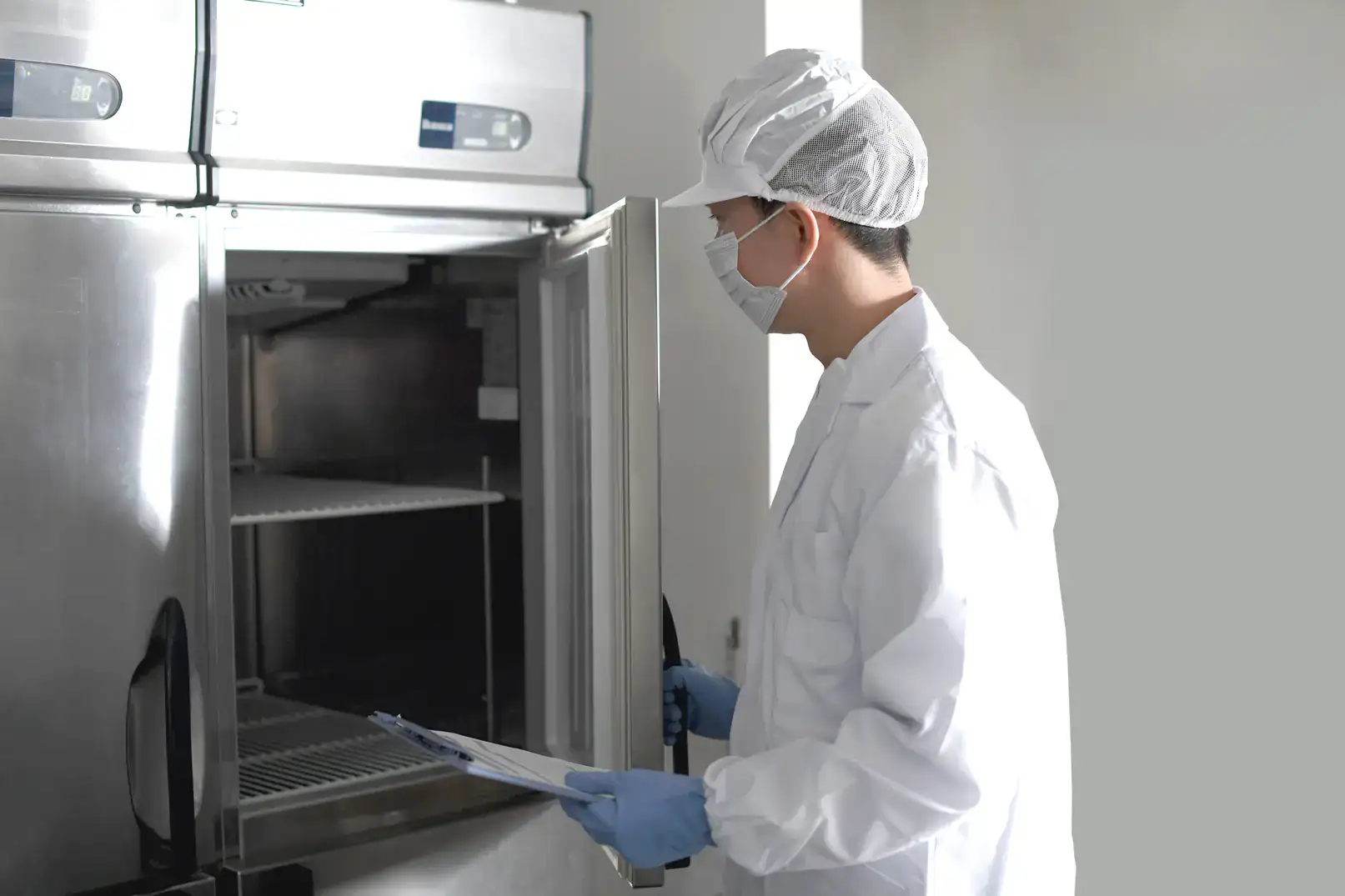
Walk-in coolers are particularly vulnerable. A compromised door gasket, a corroded evaporator coil, or a condenser unit struggling against high ambient heat doesn’t just reduce efficiency — it raises internal temperatures. In New York State, a walk-in cooler drifting above 41°F is classified as Violation 2G under Department of Health inspection standards. That’s a critical citation, not a minor note. It can trigger immediate compliance action, and in a Hamptons restaurant where your reputation is built season over season, it’s a risk that’s simply not worth taking.
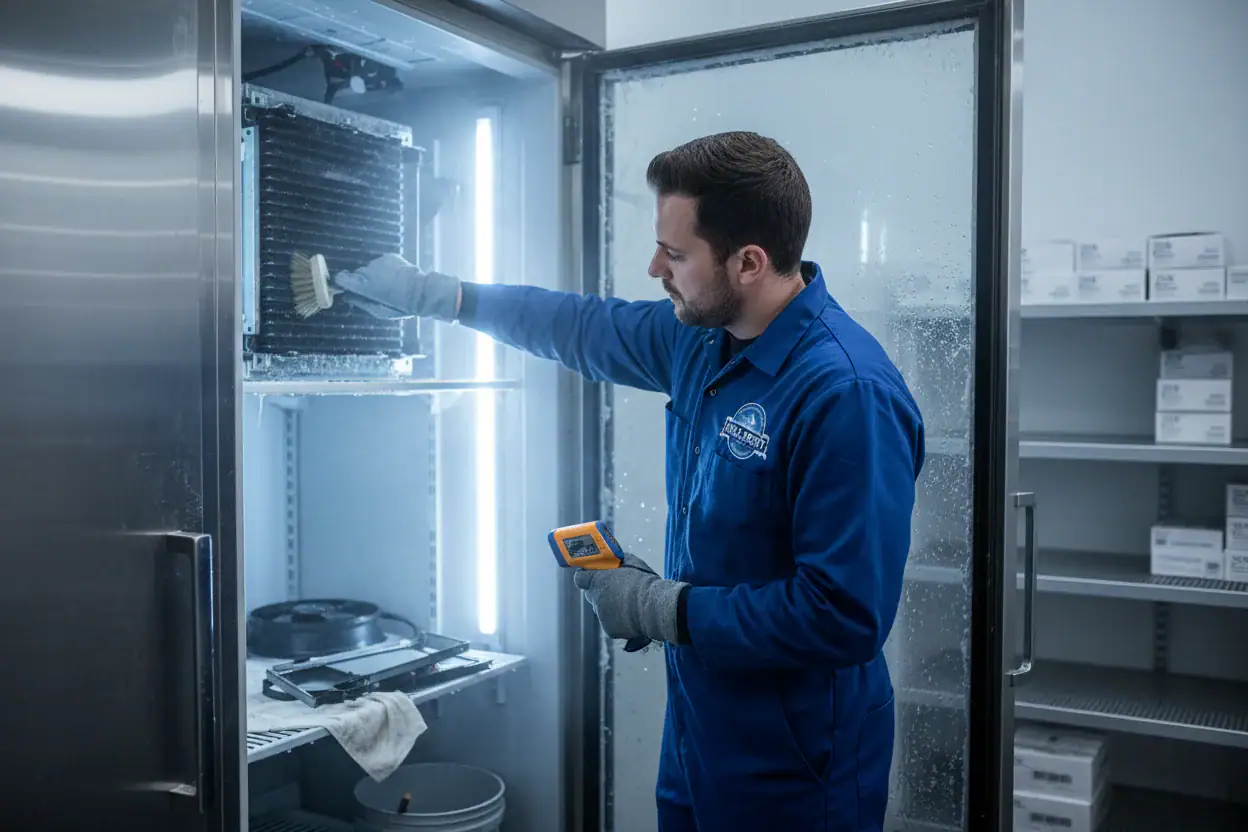
Pre-season servicing — ideally in April or early May before the summer surge — is when smart operators pressure-test their systems, check refrigerant levels, clean condenser coils, and confirm that everything is running within spec. It’s not glamorous work, but it’s the difference between a profitable summer and a crisis call at 11 PM on a Friday in July.
If there’s one piece of equipment that fails more often in Hamptons restaurant kitchens during peak season than anything else, it’s the ice machine. Ice machines are sensitive to ambient temperature, water quality, and airflow — and in a packed summer kitchen where the ambient temperature is already elevated, they’re being asked to work harder than their design specs anticipate.
High-volume service means the machine is cycling constantly. Mineral deposits build up faster. Condenser coils get clogged with grease and dust. And because ice machines are often tucked into tight spaces with limited airflow, heat dissipation becomes a real problem. The result is reduced ice production exactly when demand peaks, followed by a full shutdown if the issue isn’t caught in time.
The fix isn’t complicated, but it requires attention before the season starts. Cleaning the condenser coils, checking the water filtration system, verifying that the unit has adequate clearance and airflow, and confirming that refrigerant levels are correct — these are the things that keep an ice machine running through August. Skipping them is a gamble that most busy operators don’t realize they’re taking until it’s too late.
What makes ice machine maintenance particularly important in the context of East End Long Island HVAC is that the coastal environment compounds every one of these vulnerabilities. Salt-laden air affects the condenser. High humidity affects the freeze cycle. And the same seasonal intensity that pushes your walk-in cooler to its limits pushes your ice machine past them. Treating it as an afterthought is one of the more expensive mistakes a Hamptons restaurant can make.
Want live answers?
Connect with a Chill Xpert Solutions expert for fast, friendly support.
Refrigeration gets most of the attention, but the HVAC system running your kitchen and dining room is under the same seasonal pressure. Restaurant HVAC systems can account for 28 to 35 percent of total energy consumption — and during a Hamptons summer, when the dining room is full every night and the kitchen is running at capacity, that load is constant.
The challenge on the East End isn’t just the heat. It’s the combination of heat, humidity, salt air, and the compressed timeline that leaves no room for downtime. A commercial HVAC failure during peak season isn’t something you can absorb over a slow week. There are no slow weeks.
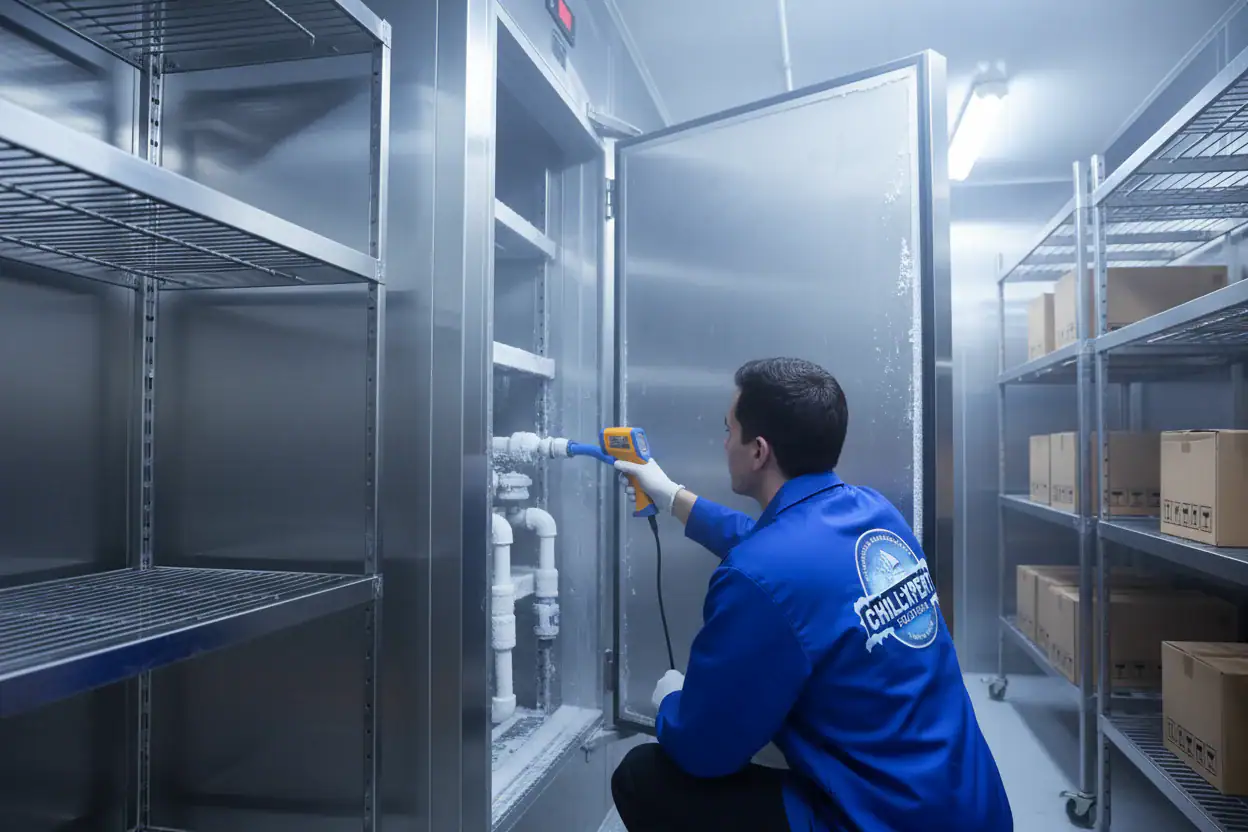
There’s a meaningful difference between a contractor who services commercial HVAC systems and one who specializes in the specific demands of coastal, high-volume environments. Most general HVAC contractors are capable of routine maintenance and standard repairs. But when a system is running in a Hamptons restaurant kitchen — where the load is extreme, the environment is coastal, and the tolerance for downtime is essentially zero — the margin for error is much smaller.
The certification question matters here. Any technician working with refrigerants is required by federal law to hold EPA Section 608 certification. It’s not optional, and it’s not a formality. Violations can result in fines of up to $44,539 per day. In New York, commercial properties can require technicians to produce their certification on-site during an inspection. If the person who worked on your system wasn’t certified, that’s your exposure, not just theirs.
We send only EPA Section 608 certified technicians — no exceptions. Every technician is a direct member of our team, fully licensed and insured. We don’t subcontract. When we commit to a response time, it’s our people who show up, not whoever happens to be available from a third-party pool. That matters more than it might seem when you’re trying to get a system back online before your dinner reservation list fills up.
Our trucks are stocked with parts for major brands, which means most emergency repairs don’t require a return visit or a parts order. Roughly 70 percent of our emergency calls get resolved the same day. In a market where operators have waited a week or more for parts during peak season, that’s not a minor detail — it’s the whole ballgame.
The operators who have the smoothest summers are almost always the ones who did their preparation in April and May. Not because they’re lucky, but because they treated their refrigeration and HVAC systems as operational infrastructure — not as something to deal with when it breaks.
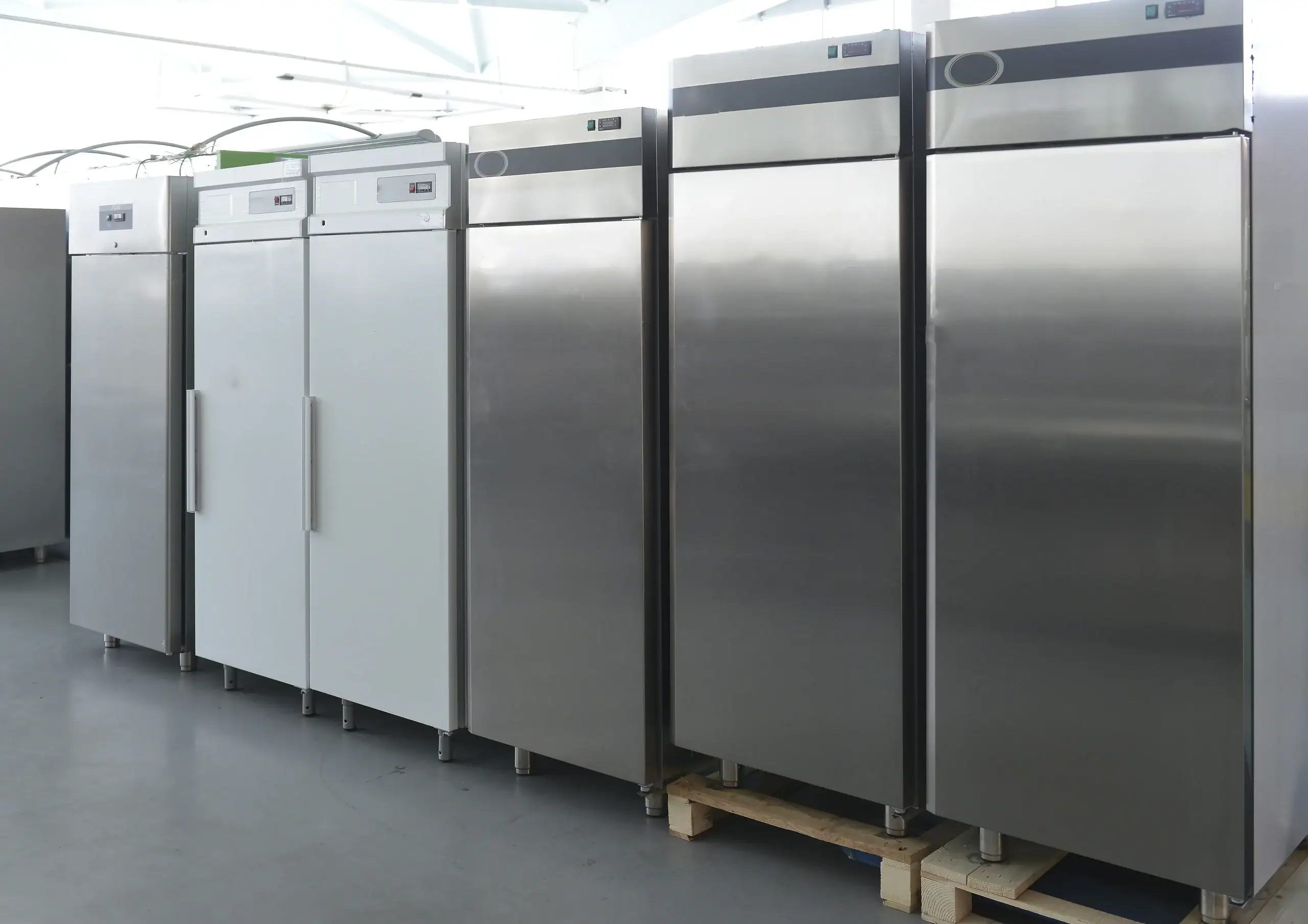
A small-format Hamptons restaurant refrigeration build-out represents a significant investment. When that equipment is properly specified for the actual seasonal load — the right compressor capacity, the right NSF/ANSI 7-certified units, the right maintenance schedule — it can last 12 to 18 years. When it’s under-specified or neglected, it fails in its first or second season, usually at the worst possible moment.
NSF/ANSI 7 certification is the New York State Department of Health baseline for commercial food storage equipment. It governs materials, temperature consistency, and cleanability. Equipment without it creates compliance exposure on every health department visit. This isn’t bureaucratic fine print — it’s the standard that separates equipment built for commercial food service from equipment that looks similar but isn’t.
We serve the full corridor from Nassau County through Suffolk County and out to Montauk. Our base in Nassau County, NY means we’re positioned to respond quickly across the East End, and our 40-plus years working in this specific coastal market means we’re not learning the conditions on your dime. We’ve been doing this long enough to know what breaks, when it breaks, and why — and more importantly, how to prevent it.
If you have beer systems, custom walk-in configurations, or specialty cooling setups that other contractors have struggled with, that’s exactly the kind of work we do. Complex systems that other companies walk away from are the ones we’ve built a reputation on.
The Hamptons restaurant season doesn’t give you a warm-up period. When it starts, it’s already at full speed — and your equipment needs to be ready before that happens, not after the first failure.
Understanding the duty cycle your systems will face, the compliance standards your equipment needs to meet, and the coastal conditions that will accelerate wear on every component you have is the starting point. Acting on that understanding before Memorial Day is what separates operators who run clean summers from the ones who spend July managing crises.
If you want to talk through what your kitchen actually needs — whether that’s a pre-season service check, an ice machine inspection, or a more complex refrigeration or HVAC issue — reach out to Chill Xpert Solutions. We offer free estimates, we answer the phone around the clock, and we’ll give you a straight answer about what’s worth fixing and what isn’t.
Article details:
Share:
Continue learning: