Not all AC contractors are created equal. Learn the essential qualifications, red flags, and licensing requirements that separate reliable professionals from costly mistakes.
Share:
Summary:
You’re about to spend thousands on an AC system or repair. The contractor you choose will determine whether that investment keeps you comfortable for 15+ years or becomes an expensive headache within months. The difference between a properly sized, professionally installed system and one that cycles constantly, drives up your energy bills, and breaks down early often comes down to one decision: who you hire. Most people choose based on price or whoever answers the phone first. That’s exactly how you end up with an oversized unit, improper ductwork, or worse—an unlicensed contractor who exposes you to fines. Here’s what actually matters when you’re evaluating AC contractors.
Before you even discuss pricing, verify that any contractor you’re considering holds the proper credentials. In Nassau County, this isn’t optional. It’s legally required, and it protects you.
Every legitimate contractor should carry a Nassau County Home Improvement Contractor license if they’re working on residential properties. This license proves they’ve met experience requirements, carry proper insurance, and comply with local regulations. Working with an unlicensed contractor isn’t just risky. It can cost you up to $5,000 in fines, and the contractor faces Class A misdemeanor charges.
Beyond licensing, look for proof of insurance. General liability coverage protects you if property damage occurs during installation. Workers’ compensation covers injuries on your property. If a contractor can’t produce current certificates for both, walk away. You don’t want to become financially responsible for someone else’s accident.
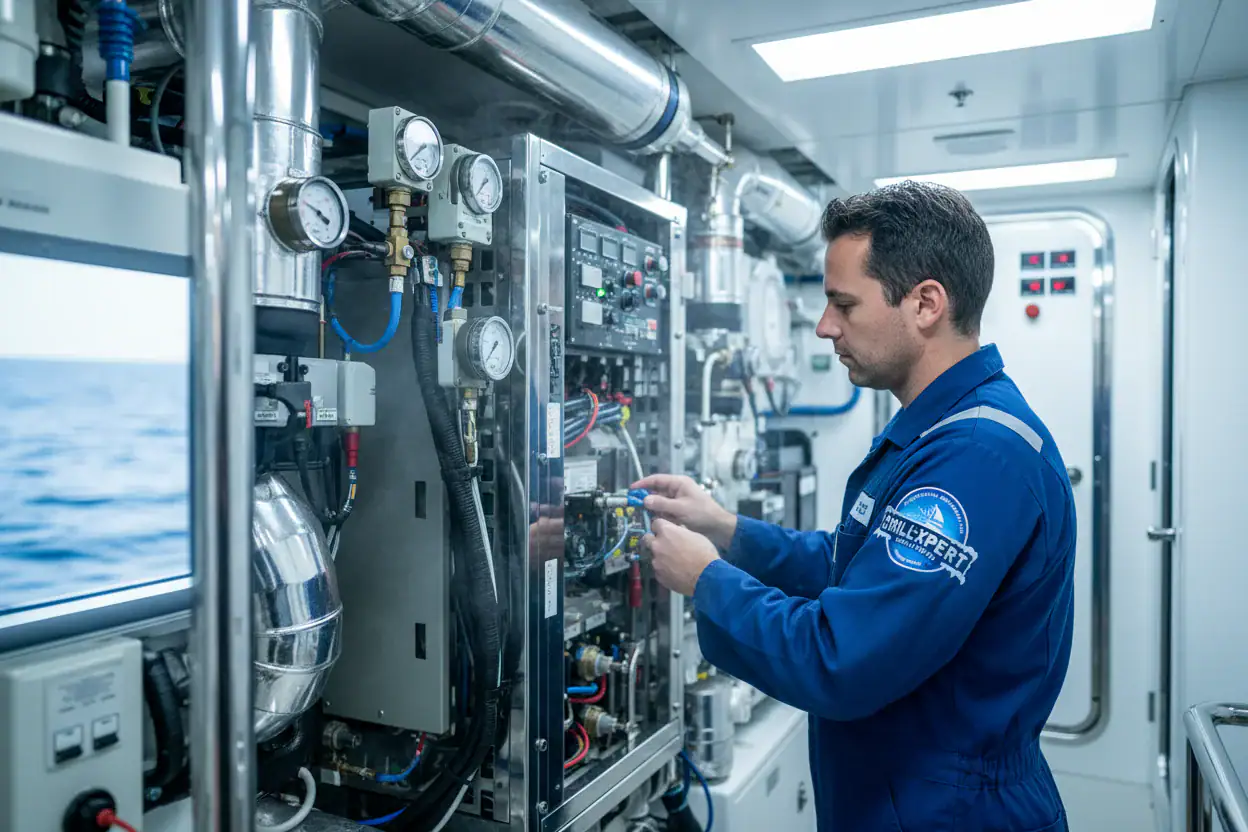
Nassau County doesn’t require HVAC licensing just to create paperwork. The requirements exist because too many homeowners have been burned by unlicensed operators who disappear after collecting deposits, install systems incorrectly, or use substandard materials.
When a contractor holds a valid Nassau County Home Improvement Contractor license, it means they’ve demonstrated years of hands-on experience in their trade. Most licensing requires a minimum of five years of documented work. They’ve also passed background checks and proven they carry adequate insurance coverage.
Here’s what many people don’t realize: if you hire an unlicensed contractor and something goes wrong, you have almost no recourse. Unlicensed contractors can’t enforce contracts or file liens, but you also can’t hold them accountable through official channels. Your homeowner’s insurance may refuse to cover damages caused by unlicensed work. And if the contractor gets injured on your property without proper workers’ compensation insurance, you could be liable for their medical bills and lost wages.
The license also needs to be displayed. Legitimate contractors post their license conspicuously in their office and carry copies in their vehicles. If a contractor hesitates when you ask to see their license number, or claims they “don’t need one” for your type of work, that’s your signal to end the conversation.
Nassau County takes this seriously. The licensing process typically takes 4-6 months because the county thoroughly vets applicants. They verify insurance, check experience, and ensure contractors understand local building codes. This protects you from the contractors who operate out of pickup trucks, take your deposit, and vanish.
Don’t just take their word for it. Ask for the license number and verify it through the Nassau County Department of Consumer Affairs. It takes five minutes and could save you thousands.
Not all cooling systems are created equal. A contractor who installs residential split systems all day might be completely unqualified to handle commercial refrigeration, marine HVAC, or specialized applications like beer system cooling.
If you operate a restaurant with walk-in coolers, a marina with vessel air conditioning needs, or a facility with complex cooling requirements, you need a contractor with specific experience in those systems. Generic HVAC knowledge won’t cut it. Marine HVAC systems, for example, require understanding of anti-corrosion treatments, different power supply configurations, and installation in harsh environmental conditions. A contractor without marine experience will create problems you’ll pay to fix later.
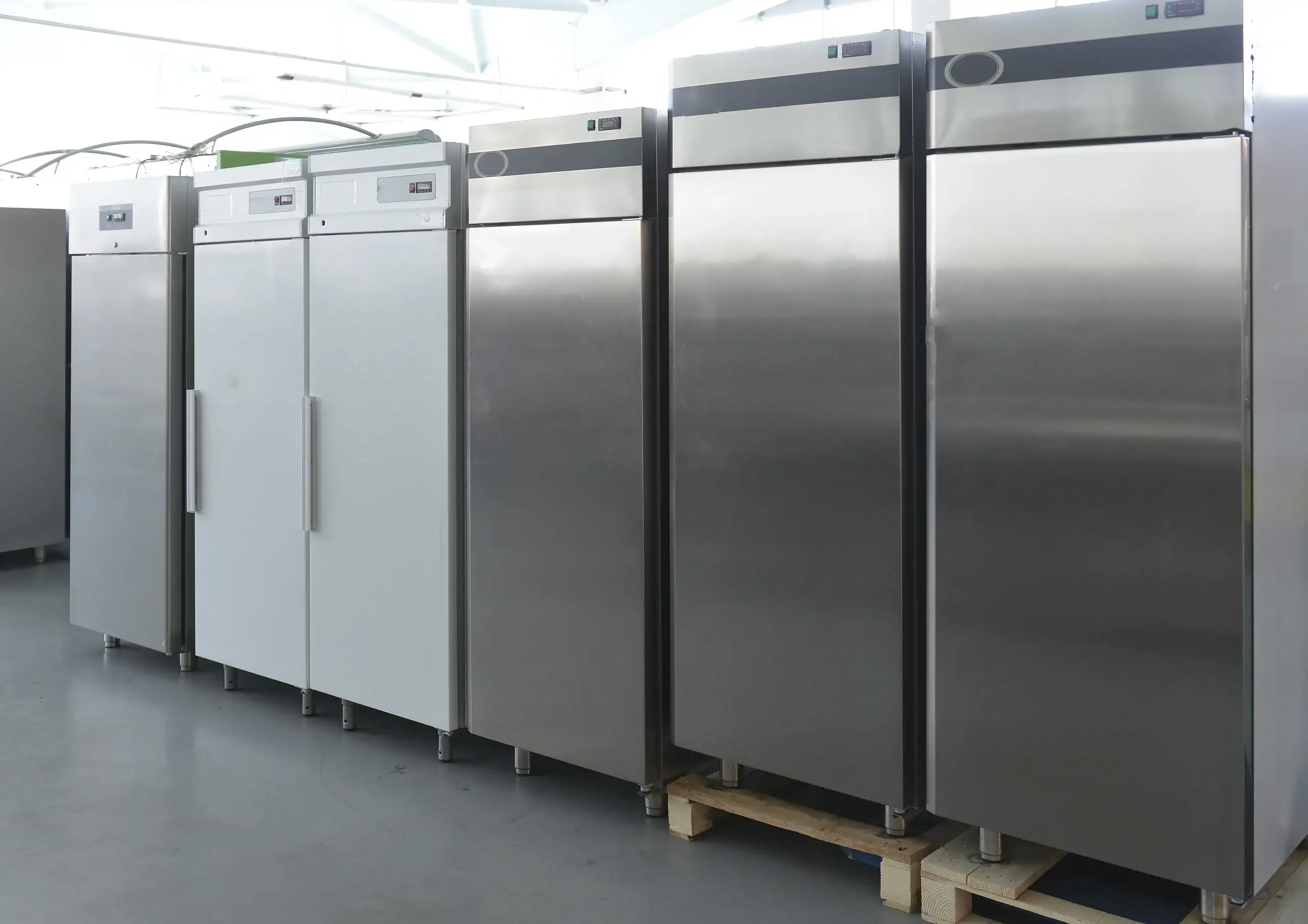
The same applies to commercial refrigeration. Beer cooling systems for bars and restaurants operate under different principles than standard AC units. The temperature precision, humidity control, and refrigerant handling require specialized knowledge. If your contractor has only worked on residential systems, they’re learning on your dime.
When you’re evaluating contractors, ask directly about their experience with your specific type of system. How many similar installations have they completed? Can they provide references from customers with comparable setups? Do they carry the manufacturer certifications for the equipment you’re considering?
Contractors with 40+ years of experience handling diverse applications bring something invaluable: they’ve seen the problems that arise from shortcuts and improper installations. They know which systems work best for specific applications. They understand the nuances that separate adequate performance from optimal performance.
Experience also matters when things go wrong. Seasoned contractors can diagnose problems quickly because they’ve encountered similar issues before. They keep commonly needed parts in stock. They know which repairs are worth making and when replacement makes more financial sense. That expertise saves you time and money when your system fails on the hottest day of summer.
Want live answers?
Connect with a Chill Xpert Solutions expert for fast, friendly support.
Some warning signs are obvious. Others are subtle. But they all point to the same outcome: problems you don’t want to deal with after you’ve already paid.
The biggest red flag is a contractor who won’t provide a written estimate. Verbal quotes lead to misunderstandings, price increases, and disputes about what was actually agreed upon. Professional contractors put everything in writing: scope of work, equipment specifications, timeline, payment terms, and warranty information. If they resist documenting the agreement, they’re setting themselves up to change terms later.
Extremely low bids should also make you pause. When one estimate comes in dramatically lower than others, ask yourself why. Quality equipment costs what it costs. Skilled labor isn’t cheap. A suspiciously low price usually means the contractor is cutting corners somewhere. Maybe they’re using inferior parts. Maybe they’re not pulling required permits. Maybe they’re not properly insured. Or maybe they’re planning to add charges once work begins.
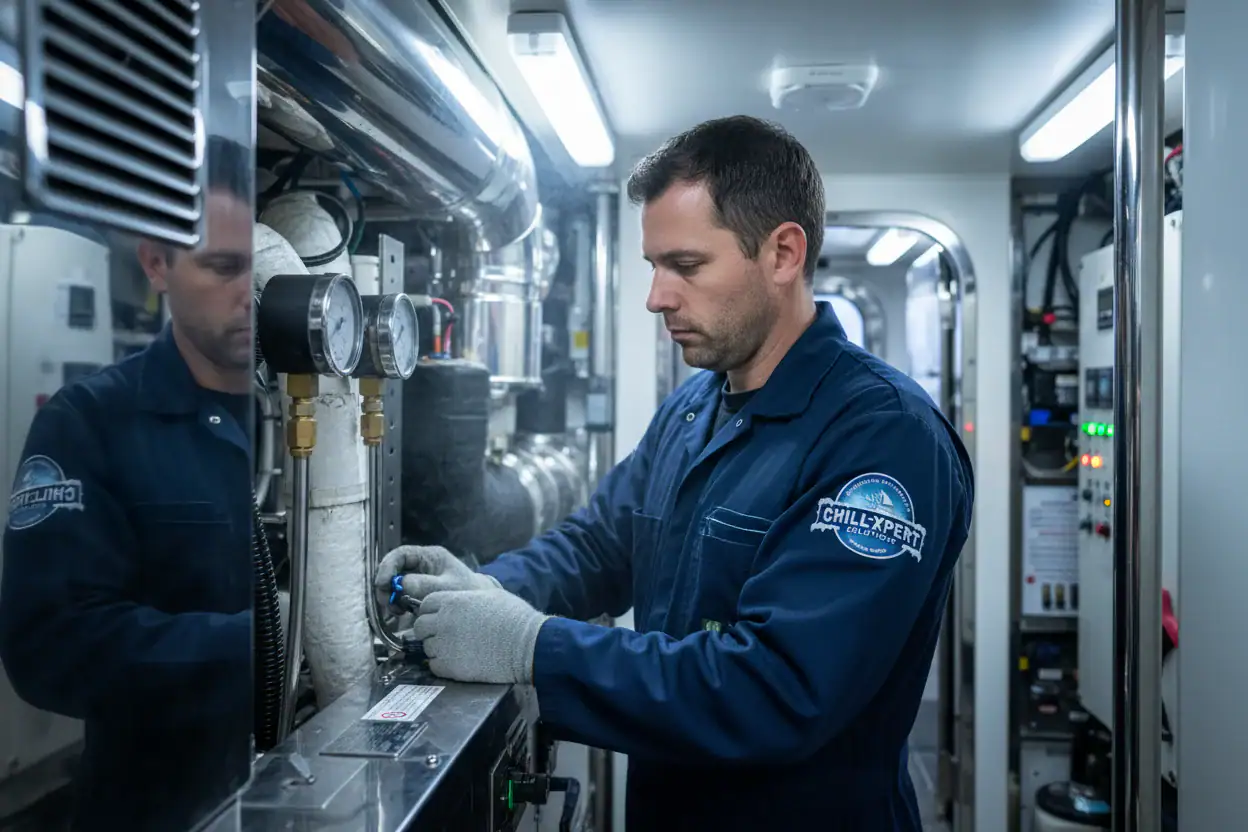
Here’s where many contractors reveal whether they’re professionals or just salespeople. When you ask how they’ll determine the right size system for your space, listen carefully to their answer.
If they say anything about “square footage per ton” or suggest matching the size of your old unit, you’re talking to someone who’s about to sell you an improperly sized system. Those outdated rules of thumb ignore critical factors that dramatically affect your actual heating and cooling needs.
Professional contractors perform Manual J load calculations. This is the industry standard developed by the Air Conditioning Contractors of America. It’s the only accurate way to size HVAC equipment. The calculation accounts for your home’s insulation levels, window types and placement, ceiling heights, orientation to the sun, number of occupants, and local climate data.
Why does this matter? Because an oversized system—which is what you’ll get from generic sizing rules—wastes 15-30% more energy through short-cycling. It turns on, cools the space too quickly, shuts off, then repeats. This constant cycling wears out components faster, fails to remove humidity properly, and drives up your utility bills despite having “efficient” equipment.
An undersized system runs constantly, struggles to maintain comfortable temperatures, and also wears out prematurely. Either way, you’re paying more than you should for less comfort than you deserve.
Manual J calculations take time. They require measuring your space, evaluating insulation, assessing ductwork, and running the numbers through proper formulas. Contractors who skip this step are either ignorant of proper sizing protocols or too lazy to do the work correctly. Both scenarios should concern you.
Building codes and equipment manufacturers increasingly require Manual J calculations for warranty compliance. If your contractor doesn’t perform one and your system fails, you might discover the manufacturer won’t honor the warranty because the equipment was improperly sized.
When you ask about sizing calculations, a professional contractor will explain their process, show you the calculation results, and help you understand why they’re recommending specific equipment capacity. If you get vague answers or resistance to the question, you’re talking to the wrong contractor.
Permits aren’t optional paperwork that contractors can skip to “save you money.” They’re legally required for most HVAC installations and replacements. They ensure work meets building codes and safety standards. They protect you.
When a contractor suggests avoiding permits, they’re telling you they plan to cut corners. Unpermitted work can void your homeowner’s insurance. It creates problems when you sell your property. And it means the installation won’t be inspected by someone whose job is to verify it’s done correctly.
Professional contractors handle permits as part of their service. They know which work requires permits, they pull them before starting, and they schedule required inspections. This is especially important for commercial HVAC contractors working on restaurants, offices, or other business properties where code compliance is critical.
Communication matters just as much as technical competence. Your contractor should explain what they’re doing, why they’re doing it, and what to expect next. They should return calls promptly. They should show up when promised. They should keep you informed if timelines change.
Red flags in communication include: contractors who are difficult to reach, who give vague answers to direct questions, who pressure you to make immediate decisions, or who dismiss your concerns. If they’re hard to pin down before you’ve paid them, imagine how responsive they’ll be when you need warranty service.
Pay attention to how they treat you during the estimate process. Are they listening to your needs or just trying to sell you the most expensive system? Do they ask questions about how you use your space? Do they inspect your current setup thoroughly or just glance at it?
The best contractors treat the estimate as a consultation. They educate you about your options. They explain the pros and cons of different approaches. They help you make an informed decision rather than pressuring you toward a quick sale.
Also watch for contractors who ask for large deposits upfront. A reasonable deposit to order equipment is normal. Demanding 50% or more before work begins is not. And any contractor who wants full payment upfront is running a scam.
Choosing AC contractors doesn’t have to feel like gambling. When you verify licensing, confirm insurance, check references, and insist on proper sizing calculations, you dramatically reduce your risk of hiring someone who’ll create expensive problems.
The contractors who resist providing documentation, skip Manual J calculations, offer suspiciously low prices, or can’t demonstrate relevant experience are showing you exactly who they are. Believe them. The few hundred dollars you might save upfront will cost you thousands in wasted energy, premature equipment failure, and repair calls.
Look for contractors with proven experience in your specific type of system, proper Nassau County licensing, clear communication practices, and a track record of satisfied customers. When you find a contractor who checks all those boxes, you’ve found someone worth trusting with your comfort and your investment.
For specialized cooling needs—whether marine HVAC, commercial refrigeration, or complex systems that most contractors can’t handle—we bring over 40 years of experience to every project across Nassau and Suffolk County.
Article details:
Share:
Continue learning: