Most homeowners skip routine HVAC maintenance until something breaks. Learn what you're missing and how a basic maintenance checklist prevents costly emergency repairs.
Share:
Summary:
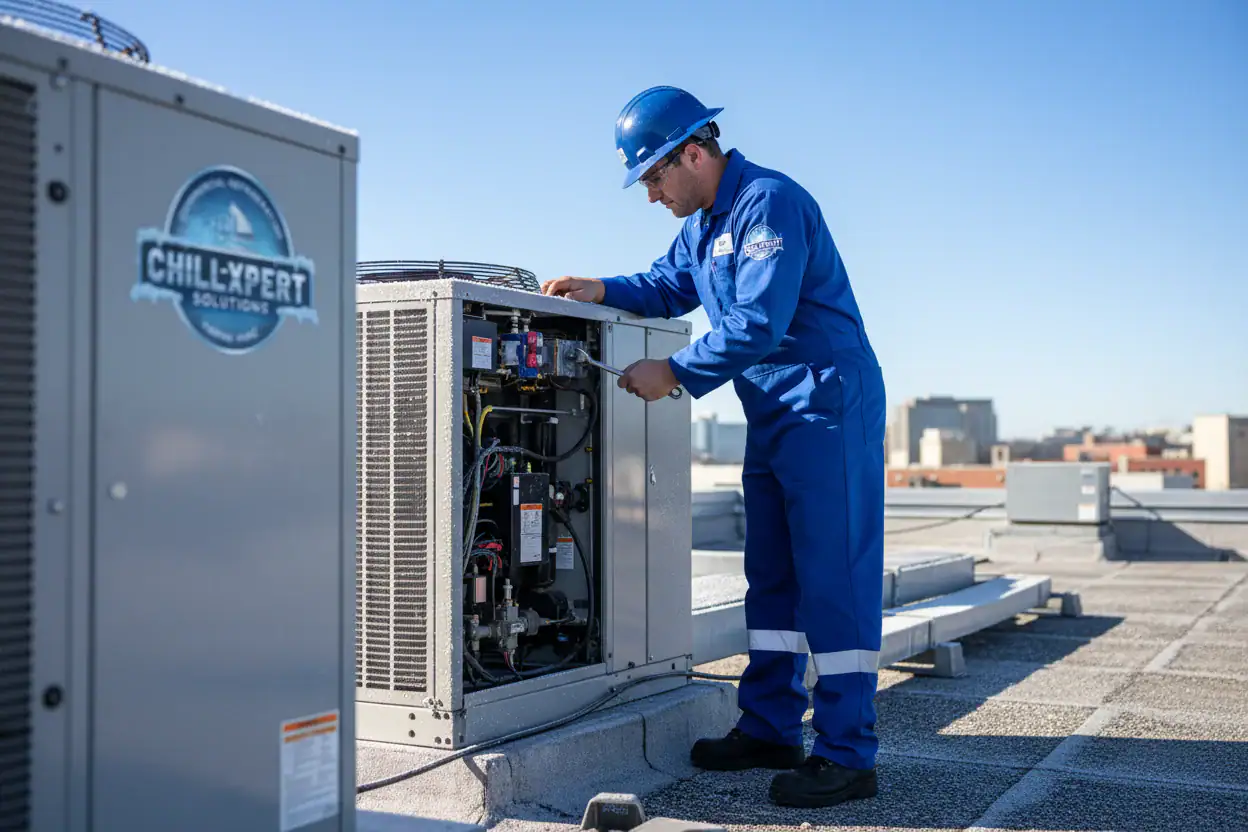
Your HVAC system is probably the hardest-working piece of equipment in your home. It runs thousands of hours every year, fighting Nassau County’s humid summers and cold winters to keep your family comfortable. Yet most homeowners never think about it until it stops working.
Here’s the reality: skipping routine maintenance doesn’t save you money. It costs you money. Higher energy bills every month. Emergency repairs that always happen at the worst time. A system that dies years before it should.
The good news? Preventing these problems is simpler than you think. You just need to understand what your system actually needs and when it needs it.
Summer in Nassau County puts serious stress on your air conditioning system. When humidity settles in and temperatures climb into the 90s, your AC doesn’t just cool the air—it works overtime pulling moisture out of it. That constant workload exposes every weak point in the system.
Most summer breakdowns don’t happen because equipment suddenly fails. They happen because small issues that started months ago finally reach a breaking point. A dirty coil forces the compressor to work harder. Restricted airflow makes the system run longer cycles. Low refrigerant slowly degrades performance until the unit can’t keep up anymore.
The difference between a system that handles summer heat and one that quits mid-July often comes down to what you did in spring. That’s when you catch the problems before they turn into failures. Long Island’s humid climate means your system may run for extended stretches just to keep up, and even small efficiency issues make rooms feel sticky or slow to cool.
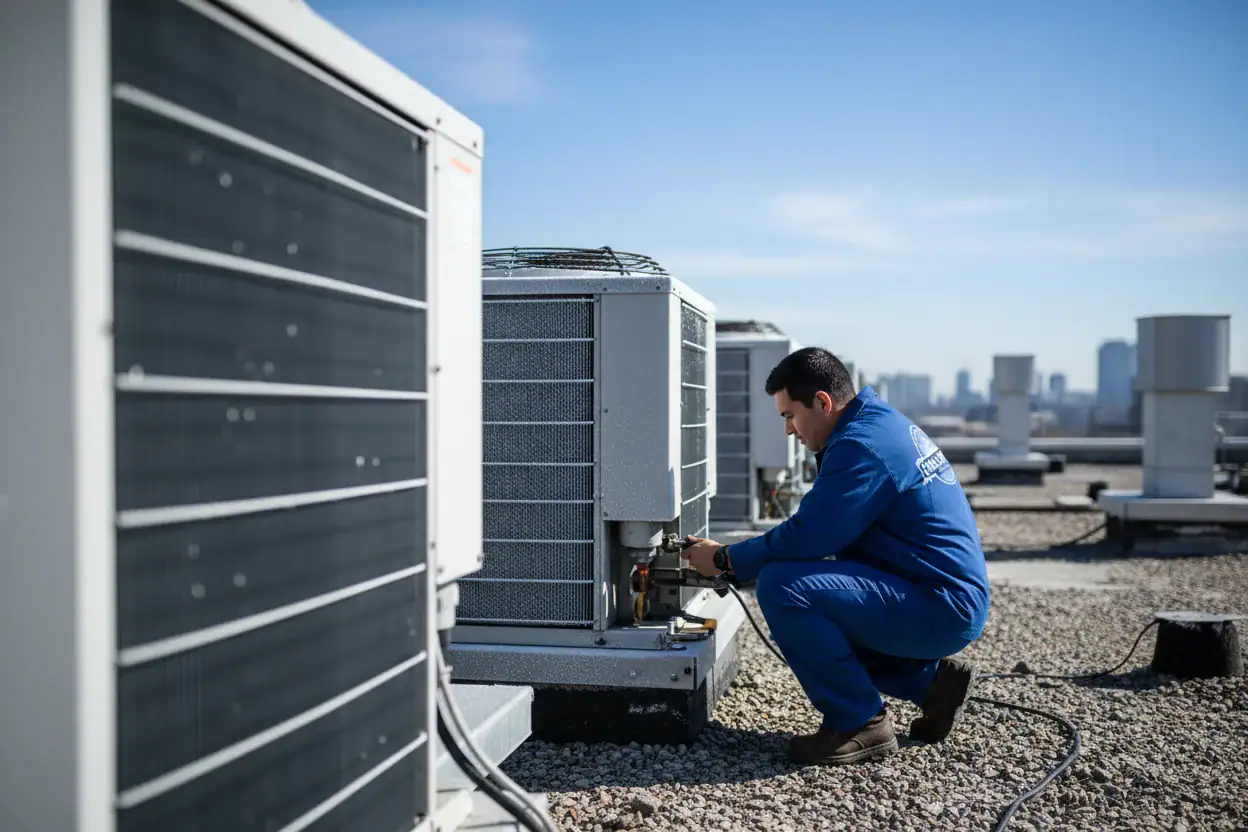
A professional tune-up before cooling season covers the technical work that keeps your system running efficiently. This isn’t about changing a filter. It’s about inspecting, testing, and adjusting components that most homeowners can’t safely access or properly evaluate.
Refrigerant levels need to be exact. Too much or too little reduces efficiency and can damage the compressor over time. Technicians use specialized gauges to measure pressure and adjust levels to manufacturer specifications. If refrigerant is low, there’s usually a leak somewhere in the system that needs to be found and repaired. You can’t just top off refrigerant and call it fixed—the leak will continue causing problems and environmental harm.
Electrical connections loosen over time from normal vibration and thermal expansion. Loose connections create resistance, generate heat, and can cause component failure or even fire hazards. A thorough inspection includes tightening terminals, checking voltage, and measuring current draw on motors to confirm everything operates within safe parameters. Faulty electrical connections reduce the life of major components and create unsafe operating conditions.
Condenser and evaporator coils collect dust, pollen, and debris that acts like insulation, preventing proper heat transfer. When coils can’t exchange heat efficiently, your system runs longer to achieve the same cooling, driving up energy costs and wearing out components faster. Professional cleaning restores the system’s ability to cool effectively without overworking. Dirty coils alone can reduce your system’s efficiency significantly and cause it to run longer cycles.
Airflow problems can reduce your system’s efficiency by up to 15 percent. Technicians clean and adjust blower components, check ductwork for leaks, and verify that air moves properly through the system. Poor airflow makes some rooms uncomfortable while forcing the system to run constantly trying to reach the thermostat setting. In older Nassau County homes, ductwork issues combined with humidity can create uneven cooling that no amount of thermostat adjustment will fix.
Drain lines handle all the condensation your AC pulls from humid Long Island air. During summer, your system can produce several gallons of water per day. When these lines clog with algae or debris, water backs up into the system, causing leaks, ceiling water damage, musty odors, and automatic shutdowns triggered by safety switches. Clearing and treating the drain line prevents these issues before they start. This is especially critical in coastal areas where humidity levels stay high throughout the cooling season.
Thermostat calibration ensures accurate temperature readings and proper system cycling. A thermostat that’s off by even a few degrees makes your system run longer than necessary or fail to maintain comfortable temperatures. Technicians verify the thermostat communicates properly with your system, test all modes, and confirm settings match actual performance.
Safety controls get tested to ensure your system shuts down properly if problems occur. These controls protect your equipment and your home from damage. A technician verifies that high-pressure switches, low-pressure switches, and safety relays all function correctly under various operating conditions.
Not every maintenance task requires a technician. There are several things you can and should do yourself between professional service visits. These simple tasks make a measurable difference in how your system performs and can prevent problems from developing.
Air filters trap dust, pollen, pet dander, and other particles before they enter your HVAC system. When filters get clogged, airflow drops, efficiency suffers, and your system works harder than necessary. Check filters monthly during heavy-use seasons—typically May through September in Nassau County when your AC runs frequently. If you can’t see light through the filter when you hold it up, it needs replacing. Homes with pets or high dust levels may need monthly changes. Standard homes typically need new filters every one to three months depending on usage and air quality.
The type of filter matters too. Check your system manual for the correct size and MERV rating. Using a filter that’s too restrictive can actually reduce airflow and damage your system. Using one that’s not effective enough won’t protect your equipment or improve your indoor air quality. When you replace the filter, note the arrow indicating airflow direction—installing it backward reduces effectiveness.
Your outdoor condenser unit needs clearance to breathe properly. Walk outside and look at the area around the unit. Clear away leaves, grass clippings, weeds, and any debris within two feet of the unit. Trim back bushes or plants that have grown too close during spring growth. The unit pulls air across the coils to release heat from your home—blocked airflow makes this process inefficient and forces the compressor to work harder than designed.
After storms or windy days, check for debris that may have accumulated around or on top of the unit. Leaves, seeds, and plant material can get pulled into the unit and block the fins on the coil. You can gently rinse the outside of the coil with a garden hose to remove surface dirt, but avoid using high pressure that could bend the delicate aluminum fins.
Check your vents inside the house regularly. Furniture, curtains, or closed doors can block return and supply vents, disrupting airflow balance throughout your home. Make sure all vents are open and unobstructed, with at least a few inches of clearance. This simple step helps your system distribute conditioned air evenly and reduces strain on the blower motor. Some homeowners close vents in unused rooms thinking it saves energy, but this actually creates pressure imbalances that reduce efficiency and can damage ductwork.
Test your thermostat before you need your AC running full-time. Set it to cooling mode and lower the temperature below the current room temp. The system should start within a few minutes. If it doesn’t respond, check the batteries first if you have a battery-powered thermostat. If the system still doesn’t start or if you notice the displayed temperature doesn’t match what you feel in the room, you may need thermostat service or replacement.
Listen to your system when it runs. You know what normal sounds like after living with it. Banging, clanking, squealing, or grinding noises indicate something’s wrong—a loose component, worn belt, or failing motor bearing. Catching these sounds early means addressing the problem before it causes a complete breakdown. If you hear unusual noises, don’t ignore them hoping they’ll go away. They won’t. They’ll get worse until something fails completely.
Monitor your system’s performance throughout the season. If you notice rooms taking longer to cool, the system running constantly without reaching the set temperature, or humidity levels that feel higher than normal, these are signs your system needs professional attention. Don’t wait until it stops working completely.
These homeowner tasks don’t replace professional maintenance, but they keep your system running better between service visits and help you spot developing problems before they become emergencies.
Want live answers?
Connect with a Chill Xpert Solutions expert for fast, friendly support.
Skipping maintenance feels like saving money until you see what it actually costs. The expenses show up gradually—a higher electric bill here, a repair call there—then suddenly you’re facing a major failure that could have been prevented for a fraction of the cost.
Your energy bills climb first. A system that hasn’t been maintained works harder to produce the same cooling. Dirty coils, clogged filters, and worn components force longer run times and higher electricity consumption. Studies show poorly maintained systems can use 25 to 30 percent more energy than properly serviced equipment. Over a cooling season in Nassau County, that’s hundreds of dollars in wasted electricity you’re paying for reduced comfort.
Then come the repairs. Most service calls trace back to neglected maintenance. Electrical connections that should have been tightened fail. Drain lines that should have been cleared cause water damage to ceilings and walls. Refrigerant leaks that could have been caught early now require expensive repairs and refrigerant recharging. Research consistently shows that 85 percent of HVAC repairs are related to lack of proper maintenance—meaning they were preventable.
The pattern is predictable. Regular maintenance typically costs between $75 and $200 annually. Emergency repairs average $300 to $600 for minor issues, and can easily exceed $1,500 for major component failures. Industry data shows that every dollar spent on planned maintenance saves three to five dollars in repair costs over time. The math isn’t complicated—maintenance pays for itself.
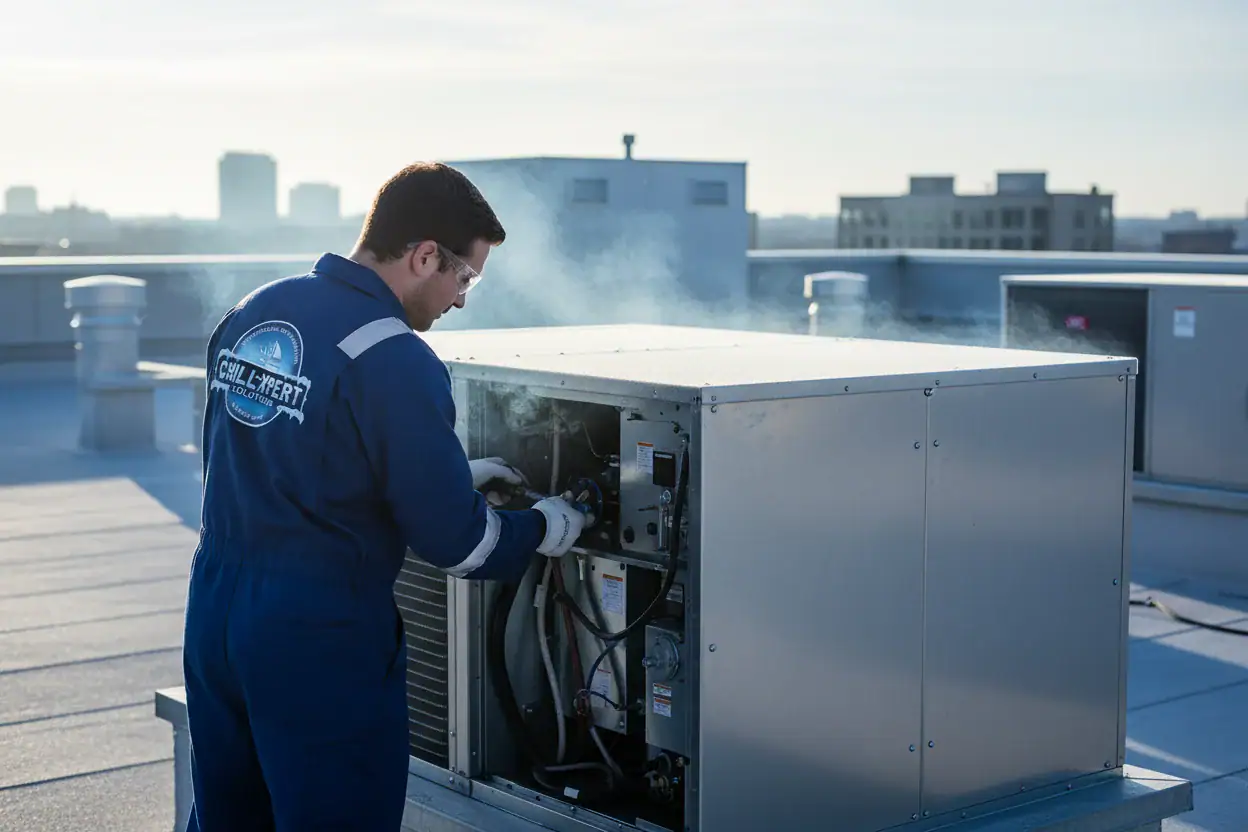
Emergency breakdowns rarely happen by coincidence. They happen on the hottest days because that’s when your system runs at maximum capacity for hours at a time, exposing every weakness. Small problems that barely affect performance during mild weather become complete failures under peak load.
Forty-two percent of homeowners have experienced HVAC failures during heat waves. These aren’t random equipment failures. They’re the predictable result of systems pushed to their limits with underlying issues that weren’t addressed during routine maintenance.
A compressor that’s been running with low refrigerant for months finally overheats and seizes when it’s forced to run continuously during a 95-degree day. A blower motor that’s been struggling with restricted airflow burns out after running extended cycles. Electrical connections that have been loose gradually corrode until they fail completely under sustained load. Capacitors that have been weakening can’t handle the stress of constant starts and stops during peak demand.
These failures feel sudden, but they’ve been developing for a long time. Regular maintenance catches these developing problems when they’re still minor and inexpensive to fix. A technician spots the early signs—slightly low refrigerant indicating a small leak, a connection showing heat discoloration, unusual current draw on a motor that suggests worn bearings—and addresses them before they progress to catastrophic failure.
The timing matters too. When your AC quits in July, every HVAC company in Nassau County is slammed with emergency calls. You’re competing for appointment slots, often waiting days for service while your home gets progressively more uncomfortable and potentially unsafe for elderly family members or young children. Parts may need to be ordered and shipped. Emergency service rates apply, often 50 to 100 percent higher than standard rates. The whole experience is stressful, expensive, and completely avoidable.
Preventive maintenance happens in spring when schedules are open, technicians aren’t rushed, and you have time to address any issues found without the pressure of a hot house. If your system needs a part or a repair, it gets handled before you actually need the cooling, not when you’re desperate for it. You can schedule the work at your convenience, compare options if major repairs are needed, and avoid the premium pricing that comes with emergency service.
This is why we recommend spring tune-ups, ideally in March or April before the busy season starts. It’s not a sales tactic designed to create work. It’s the difference between controlled, planned maintenance and reactive emergency repairs that cost three to five times more and happen at the worst possible time.
Nassau County’s climate creates specific challenges that make maintenance even more important than in other regions. The combination of humid summers, temperature swings between seasons, and proximity to salt air accelerates wear on HVAC equipment in ways that homeowners in other parts of the country don’t experience.
Humidity is the biggest factor affecting Long Island systems. Your air conditioner doesn’t just cool air—it removes moisture from it. Long Island summers mean your system runs extended cycles just to pull humidity out of the air and keep your home comfortable. This constant moisture removal puts stress on drain systems, promotes algae growth in drain lines, and tests your system’s capacity in ways that dry climates don’t. A system in Arizona might run the same number of hours, but it’s doing less work per hour because it’s only fighting temperature, not humidity.
The moisture your AC removes has to go somewhere. During peak summer, a residential AC system can produce five to twenty gallons of water per day depending on humidity levels and system size. All that water flows through a small drain line that’s prone to clogging. In humid climates like ours, drain line maintenance isn’t optional—it’s critical to preventing water damage and system shutdowns.
Coastal areas of Nassau County face additional challenges from salt air. Salt accelerates corrosion on outdoor units, affecting coils, electrical connections, and metal components. Systems located within a few miles of the water need more frequent inspection of these vulnerable parts to catch corrosion before it causes failure. The salt doesn’t just affect the obvious external parts—it can work its way into electrical connections and cause failures that are difficult to diagnose without experience in coastal installations.
Older homes in Nassau County often have ductwork that wasn’t designed for modern cooling loads or wasn’t properly sealed during installation. Leaky ducts pull in humid outdoor air from attics or crawl spaces, making your system work harder and creating comfort problems that feel like system failure but are actually distribution issues. Even small airflow issues that wouldn’t matter much in dry climates become noticeable when you’re fighting both heat and humidity.
Temperature swings between seasons also matter for equipment longevity. Your system shifts from heating to cooling and back again, with shoulder seasons where you might use both in the same week. This transition stress, combined with months of heavy use during summer, means components accumulate wear faster than in more moderate climates where systems run less intensively.
These local factors explain why Nassau County homeowners who skip maintenance often face problems sooner than national averages suggest. Your system works harder here. It handles more moisture. It fights salt corrosion if you’re near the coast. It cycles between heating and cooling with greater frequency. All of this adds up to accelerated wear that makes regular professional maintenance not just recommended, but essential for reliable performance and reasonable equipment lifespan.
Understanding these climate-specific challenges helps explain why professional maintenance isn’t optional for Long Island homes. It’s the difference between a system that handles our weather reliably for 15 to 20 years and one that struggles, fails frequently, and needs premature replacement.
HVAC maintenance isn’t complicated, but it does need to happen consistently. The homeowners who avoid emergency repairs and get 15 to 20 years from their systems are the ones who make maintenance routine, not reactive.
Schedule professional service in early spring, ideally March or April, before the rush of summer appointments. Handle the simple tasks yourself throughout the year—monthly filter checks, clearing debris from the outdoor unit, keeping vents unobstructed. Pay attention when your system runs and address unusual sounds or performance changes promptly instead of hoping they’ll resolve themselves.
The investment is small compared to what you save. Lower energy bills every month add up to hundreds of dollars annually. Fewer repair calls mean avoiding the $300 to $1,500 emergency service visits that come from neglect. A system that lasts years longer delays the $5,000 to $12,000 replacement cost. Peace of mind knowing your AC won’t quit when you need it most is worth something too.
If you’re in Nassau County and ready to get your system properly maintained, we bring over 40 years of technical expertise to residential HVAC service. Our team understands what Long Island’s climate demands from your equipment and how to keep it running efficiently through our humid summers and cold winters.
Article details:
Share:
Continue learning: